
Sell My House Fast in Chinatown
- Foreclosure, inherited, tenants, damage — we buy it
- Zero fees, zero commissions, zero closing costs
- No obligation — turn the offer down and owe us nothing


Every Day on the Market Has a Cost
See how a traditional Chinatown listing timeline compares to a 7-14 day cash close, and why speed matters most when you have a deadline of your own.
If you need to sell a house fast in Chinatown, the obstacle usually is not your price, it is the chain of steps a financed buyer has to clear before the sale actually funds, and that chain runs longer here than in many Los Angeles neighborhoods.
Chinatown packs roughly 7,798 residents into a footprint dense enough to reach about 19,230 people per square mile as of the 2020 Census, one of the tightest concentrations anywhere in the city, and very few standalone single-family houses trade hands here in any given month.
Cash Home Buyers CA buys houses, condos and small residential buildings throughout Chinatown for cash, which removes most of that chain entirely.
Why a Chinatown Sale Runs Slower Than the Listing Suggests
A well-priced unit near the Metro Chinatown station can draw interest within days of listing, especially among buyers drawn to the newer mixed-use development that has gone up around Blossom Plaza since it opened in September 2016.
That first-week interest is the number sellers usually hear repeated back to them, and it is not the same as a closed, funded sale.
Once an offer is accepted, a standard California residential purchase agreement gives the buyer roughly a 17-day contingency period to complete inspections, review disclosures and finalize loan approval, and the loan itself typically needs another two to four weeks after that for underwriting and final sign-off.
Add it up and a “fast” traditional sale in Chinatown is commonly 45 to 60 days from accepted offer to funded escrow, and often longer here specifically, because the neighborhood’s thin trading volume gives an appraiser very little to work from.
Where a Financed Sale Loses Time in This Neighborhood
- Thin comparable sales. With so few recent transactions inside Chinatown itself, an appraiser is often forced to pull comps from Elysian Park, Echo Park or Downtown, and a mismatch between those comps and your specific block can produce a value that misses the accepted offer price entirely.
- Older construction surfacing problems. Much of the neighborhood’s housing stock dates to the 1920s through the 1950s, built up around the original Central Plaza storefronts that opened in 1938. A general inspection on a building that age almost always turns up something, and the repair-credit negotiation that follows can add one to two weeks even when both sides want the deal to close.
- Unpermitted work. Decades of incremental additions on older mixed-use and rental buildings frequently show up on the city’s Report of Residential Property Records, and a lender who spots unpermitted square footage or a non-conforming unit can pause funding altogether.
- Financing falling through late. When a buyer’s loan is denied days before closing, the seller is back to square one: relisting, rescheduling showings, and restarting the whole clock.
What a Cash Sale’s Timeline Looks Like
We typically respond with a written offer within 24 to 48 hours of hearing about your property. Because there is no lender involved, there is no loan contingency and no lender-ordered appraisal to wait on or renegotiate around.
We still order the city’s 9A Report of Residential Property Records ourselves and confirm the retrofit certifications it requires (seismic gas shutoff valve, water-conserving fixtures, smoke and carbon monoxide detectors, a strapped water heater), but it does not hold up financing the way it does on a conventional sale.
Once you accept, we open escrow with a Los Angeles County title company and can close in as little as two to three weeks for a property with clear title, or three to six weeks when a rent roll or an estate is involved.
Recording happens at the County Registrar-Recorder/County Clerk in Norwalk, and proceeds wire the day recording is confirmed.
Common Reasons Chinatown Owners Need to Move Quickly
Speed matters for plenty of ordinary reasons that have nothing to do with a crisis: a new job pulling you toward Pasadena or Downtown along the A Line that now runs through the Chinatown station, wanting to avoid carrying two payments while a new purchase closes, a firm move-out date tied to a lease already signed elsewhere, or simply not wanting to keep paying insurance and upkeep on a rental house sitting empty near Broadway or Hill Street.
If your timeline pressure comes from something more specific, we have dedicated guides that go deeper: our pages on foreclosure, divorce and inherited property in Chinatown each cover their own deadlines and rules.
The same underwriting, appraisal and escrow patterns described here apply across the rest of Los Angeles too; see our page on the rules across the rest of Los Angeles if you are comparing a Chinatown sale to a property somewhere else in the city.
The Honest Trade-Off
A cash offer is typically below what a fully-repaired home might fetch after a long, well-marketed retail listing, and in a neighborhood with a roughly $607,500 median listing price in the surrounding 90012 ZIP code as of September 2026 per Movoto, that spread matters to any seller.
In exchange, there is no 5 to 6 percent agent commission, no city transfer tax and closing cost surprises to absorb out of a smaller sale price, no repair bills for a building with deferred maintenance, and no months of holding costs while a thinly-traded listing sits waiting for the right buyer to appear.
For a seller on a real deadline in Chinatown, that certainty is usually worth more than the spread.
What Makes Your Chinatown Property Different
Chinatown runs from Stadium Way and Dodger Stadium on the north down to Cesar Chavez Avenue and the Civic Center on the south, with Beaudry Avenue and Figueroa Street forming the edge toward Echo Park on the west and North Main Street and the Los Angeles River on the east.
Inside that footprint sit three distinct kinds of property: the commercial-residential buildings along Broadway and Hill Street built around the 1938 Central Plaza gateway, older rental houses and courtyard apartments on the side streets that a family has often owned for decades, and the newer mid-rise condo and apartment construction that has followed the Metro station since it opened in 2003.
Each type sells differently, and we price all three based on the property itself rather than a formula built for one type alone.
Listing Versus a Cash Sale in Chinatown
Listing still makes sense for some Chinatown properties, particularly a newer, move-in-ready condo near the station that a financed buyer can appraise easily against recent tower sales.
Where listing gets harder is on everything else: an older rental house with below-market rents, a mixed-use building with unpermitted square footage, or any property where the closest comparable sale is a mile away and a different property type entirely.
Those are the situations where weeks of marketing time do not translate into a faster close, because the delay was never about finding a buyer, it was about that buyer’s lender clearing the file.
A cash sale skips the lender step entirely, so the same building that might sit for months waiting on the right offer can close on your schedule instead.
There is also a practical showings problem specific to a dense neighborhood like this one.
Many Chinatown properties are occupied, either by the owner or by long-term tenants, and coordinating multiple walkthroughs with a financed buyer’s agent, inspector and appraiser in a building with limited parking and narrow side streets can be its own source of delay.
We do not require open houses, staging, or repeat showings, which matters more here than it does in a neighborhood with wider streets and more turnover.
How We Reach a Number Quickly
Because so few standalone houses change hands inside Chinatown in a given quarter, we do not rely on a short list of nearby comps the way a traditional appraisal has to.
We look directly at your property’s size, condition, current use and, for a rented building, its actual rent roll, and we can usually put a written number in front of you within 24 to 48 hours of a walkthrough or a set of photos.
That number reflects the building as it sits today, unpermitted work, deferred repairs and tenants included, rather than a hypothetical fully-renovated, fully-vacant version of it that a bank would need to see before lending against it.
Sell My House Fast in Chinatown: Cash Sale vs. Listing at a Glance
For owners who need to sell my house fast in Chinatown, the table below puts the trade-offs described above side by side. The figures are general ranges, not promises, and your own property may fall outside them.
| Factor | Cash sale | Traditional listing |
|---|---|---|
| Timeline | Often two to three weeks with clear title | Time on market plus a financed escrow, often 30 to 45 days |
| Repairs | None required | Often requested after inspection or appraisal |
| Showings | One walkthrough | Agent showings, inspector and appraiser visits |
| Commissions | None charged to you | Often around 5 to 6 percent combined |
| Closing costs | Itemized in the written offer | Seller share of escrow, title, transfer tax and credits |
| Certainty of closing | No loan or appraisal contingency | Depends on the buyer’s lender and appraisal |
Three Steps to a Fast Chinatown Sale
1. Call or send the address. Call or text 424-435-2326 or use the form, and tell us the property type, who lives there and the date you are working toward.
2. Walkthrough and written offer. One visit or a set of photos, then a written cash offer, usually within 24 to 48 hours, with proof of funds. We can buy your property directly or bring in a vetted cash buyer from our network; either way you get one written offer, one escrow, and no fees or commissions to you.
3. Close on your date. Escrow orders the 9A report and title, pays any loan at closing, and records the deed in Norwalk. If tenants are in place, see our guide to selling a tenant-occupied house in Chinatown; for the full sequence, see the Chinatown cash offer process.
Frequently Asked Questions
Can I sell my house fast in Chinatown if it is a mixed-use building?
Yes. Storefront buildings with apartments above are common along Broadway and Hill Street, and a cash buyer can purchase them without the commercial-lending hurdles a financed buyer would face.
Do I have to finish the 9A report items before I sell my house fast?
The report and the retrofit certifications are required for a City of Los Angeles sale, but in a cash sale the buyer can often agree to handle missing items such as a gas shutoff valve after closing, as allowed by the city.
Can I sell my house for cash in Chinatown while I still owe on it?
Yes. Escrow requests a payoff from your lender and pays the loan from the proceeds at closing, and you receive the balance after any liens.
How fast can you really close on a Chinatown property?
Two to three weeks for a house or condo with clear title, and three to six weeks when a rent roll or a probate step is involved. You choose the exact date.
Do I need to clean or repair anything first?
No. We buy the property in its current condition, whether that means a 1930s storefront building on Broadway or a newer unit near Blossom Plaza.
What if there are almost no recent sales near my house to compare it to?
That is common in Chinatown given how few standalone houses trade here. We look at your specific property, its condition and any income it produces rather than relying only on a thin set of nearby comps.
What if I actually need more time, not less?
That is fine. We can set a closing date further out, or arrange a short rent-back so you can stay after closing while you finish your move.
Are there fees for closing quickly?
No. There is no commission and no hidden fee for a fast timeline; the standard city and county transfer tax of $5.60 per $1,000 of sale price is the only line item that changes with price.
Get a free, no-obligation cash offer from Cash Home Buyers CA today.
Seller Guides
Helpful guides for homeowners in Chinatown
Plain-English answers to the questions sellers ask us most.
 Rentals & tenants
Which Mountain View Rentals Does the CSFRA Actually Cover?
See which Mountain View rentals the CSFRA covers, its rent cap, just-cause eviction rules, relocation pay, and what landlords must do before raising rent.
Read the guide → Rentals & tenants
How Much Must Long Beach Landlords Pay Tenants Under the Relocation Ordinance?
Long Beach landlords: see the LBMC 8.99 relocation payments, notice periods, and city filing step required before a no-fault tenant termination.
Read the guide → Selling for cash
What Inglewood’s Housing Protection Ordinance Requires Before You Sell a Rental
Inglewood's Housing Protection Ordinance covers more rentals than expected, with rent caps, just-cause rules, and relocation tiers that transfer at sale.
Read the guide → Selling for cash
The Five-Year Countdown Before Los Angeles County Auctions a Tax-Defaulted Home
LA County auctions tax-defaulted homes after five years unpaid. See the redemption deadline, installment options, and how to claim excess proceeds.
Read the guide →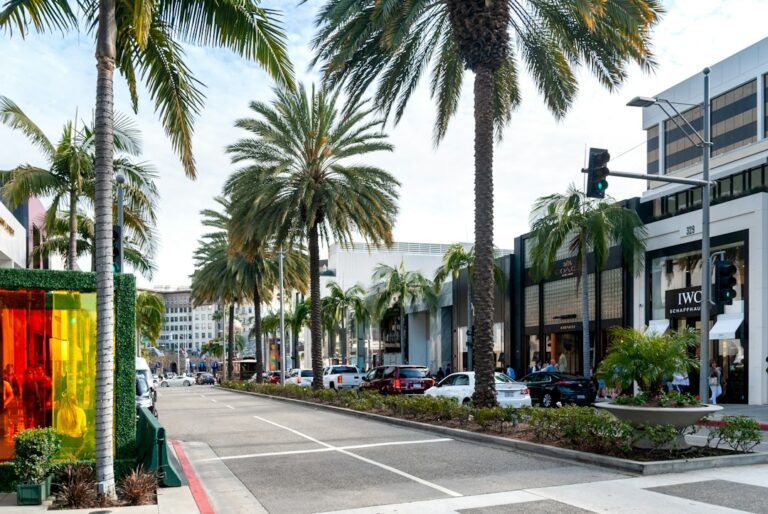 Selling for cash
What Beverly Hills’ Rent Stabilization Ordinance Requires Before You Sell
Beverly Hills runs its own BHMC Chapter 5 and 6 rent rules: caps, BHRent registration, just-cause grounds and relocation fees sellers must clear first.
Read the guide →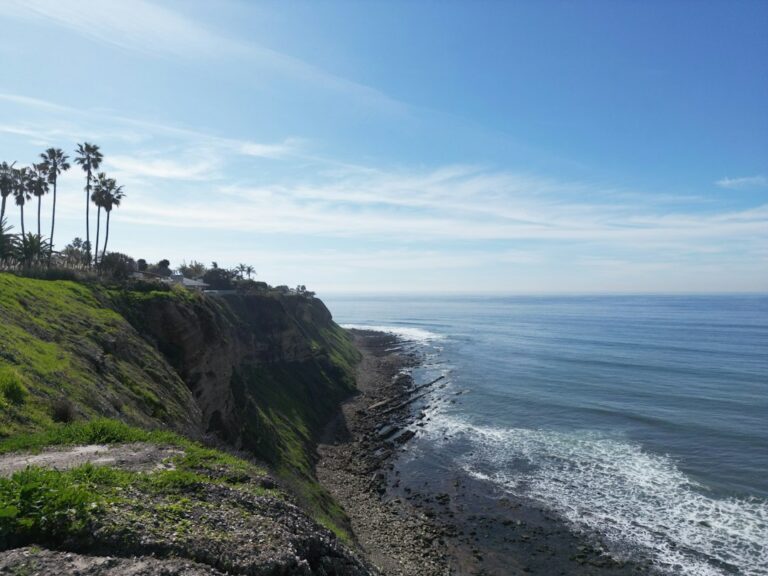 Selling as-is
What Rancho Palos Verdes’ Landslide Zones Mean for a Natural Hazard Disclosure
Rancho Palos Verdes sellers must check a landslide-zone box on the state Natural Hazard Disclosure Statement, separate from the earthquake fault question.
Read the guide → Selling for cash
West Hollywood’s Rent Stabilization Ordinance: What a Seller With Tenants Must Clear First
West Hollywood's rent stabilization law sets strict just-cause rules and relocation fees before you can sell a tenant-occupied rental unit here.
Read the guide → Inherited homes & probate
Partition Actions Between Heirs: How California Law Forces a House Sale
California heirs can force a house sale through a partition action under CCP 872-874, with court referees, confirmation hearings, and buyout rights.
Read the guide → Inherited homes & probate
South Pasadena’s Historic-Home Review Before a Sale
If you inherited a historic South Pasadena home, Ordinance 2315 can trigger Cultural Heritage Commission review before you alter or sell it. Here is how.
Read the guide →