
We Buy Houses in Chinatown, CA
- Foreclosure, inherited, tenants, damage — we buy it
- Zero fees, zero commissions, zero repairs
- No obligation — turn the offer down and owe us nothing


Sell Your House Fast in Chinatown
We buy houses in Chinatown for cash, in any condition. Sell your house fast with no repairs, no fees and no commissions, and pick your own closing date.
Selling in Chinatown? Here is the quick answer
We can buy your Chinatown property as-is, with no repairs, staging or repeated showings. After reviewing the property, we can typically provide a written cash offer within 24 to 48 hours. Whether we buy directly or bring in a vetted cash buyer from our network, there is no agent commission charged to you, and the closing date can be structured around your timeline. Requesting an offer does not obligate you to sell.
Best fit: inherited homes, tenant-occupied rentals, vacant properties, homes needing major repairs, code issues, foreclosure timelines, or sellers who value certainty and speed. A traditional listing may still produce a higher price for a retail-ready home, so compare net proceeds, repairs, timing and transaction risk before choosing.
How to compare your options: estimate what you would realistically net after preparation, repairs, possible seller credits, agent compensation, carrying costs and the time required for a financed buyer to close. Then compare that number with a cash offer that does not depend on appraisal or loan approval.
What affects a Chinatown cash offer: current condition, needed repairs, occupancy, title issues, access, location, recent comparable sales and the closing timeline you need. We review the property in its current condition rather than assuming you will renovate first.
Want a number first? Call or text (424) 435-2326 or use the cash-offer form above.
Los Angeles’ current Chinatown is not the original one; the first Chinatown near Alameda and Macy was demolished for Union Station in the early 1930s, and the “New Chinatown” that reopened in 1938 under community leader Peter Soo Hoo Sr. is the neighborhood standing today, with the Central Plaza gateway and its 1938-era storefronts still anchoring the blocks around Broadway and Hill.
The 2020 Census counted about 7,798 residents packed into a small footprint at roughly 19,230 people per square mile, one of the densest neighborhoods in the city, and renters have long made up the large majority of households here.
That density and rental concentration, more than anything else, shapes how a Chinatown property sells.
Cash Home Buyers CA is based in Woodland Hills, about a 25-minute drive on the 101 and 110, and we buy houses and small residential buildings in Chinatown as part of our regular Los Angeles territory. We put a written cash offer in front of you within 24 to 48 hours, buy the property in its current condition with no repairs, commissions or showings, and close whenever you are ready.
A tight, rental-heavy market on the edge of Downtown
Chinatown’s housing stock is thin and mostly older or newly built, with very few standalone single-family houses trading at any given time; Movoto’s September 2026 listings showed only a handful of active listings in the neighborhood itself, and the surrounding 90012 ZIP code, which also includes parts of the Civic Center and Elysian Park, carried a median listing price near $607,500.
With so few comparable sales, appraisals on the older housing stock here can be unpredictable, and a lender may hesitate on a building with long-term tenants or deferred maintenance.
Newer condo and mixed-use development near the Metro Chinatown station competes well with financed buyers looking for walkable, transit-connected living. The older commercial-residential buildings and small rental houses on the side streets, the ones a family has often owned for decades, are the properties where a cash sale tends to make the most sense.
The city rules that apply to a Chinatown sale
- Transfer tax: Chinatown is squarely within the City of Los Angeles, so a sale carries the city’s $4.50 per $1,000 transfer tax plus the county’s $1.10, for $5.60 per $1,000 combined, customarily paid by the seller.
- Report of Residential Property Records: Before closing, the Department of Building and Safety’s 9A report is required, along with certifications for a seismic gas shutoff valve, water-conserving fixtures, smoke and carbon monoxide detectors and a strapped water heater.
- Rent Stabilization Ordinance: Given the age of much of Chinatown’s housing stock, many rental units here fall under the city’s RSO if the building had a certificate of occupancy on or before October 1, 1978, which limits rent increases and requires cause and relocation payments for many evictions.
- Older construction: A neighborhood built out largely in the 1920s through the 1950s often carries unpermitted additions, older wiring and plumbing, and deferred repairs that surface on a 9A report and complicate financed appraisals.
From Broadway’s storefronts to the hillside streets: Chinatown’s housing
Chinatown sits between Dodger Stadium and Stadium Way to the north, Beaudry Avenue and Figueroa Street toward Echo Park on the west, North Main Street and the Los Angeles River on the east, and Cesar Chavez Avenue and the Civic Center on the south.
The commercial core along Broadway and Hill Street holds the 1938 storefronts of Central Plaza; behind and around it are small older houses and low-rise apartment and mixed-use buildings, many built between the 1920s and 1950s, along with newer mid-rise condo and apartment construction that has gone up near the Metro Chinatown station since the line opened.
We buy houses, small mixed-use buildings and apartment properties across all of it. The conditions that suit a cash sale here are long-held rental houses with below-market rents, older mixed-use buildings needing seismic or code work, family-owned properties moving through probate, and anything a lender would balk at appraising given how few recent comparable sales exist nearby.
Why Chinatown owners call us
- Long-term rentals. We buy tenant-occupied houses and buildings in Los Angeles, including Chinatown’s older rental stock, with the tenancy left intact and no relocation notices.
- Family-owned property in probate. A house held by an extended family for decades can be sold as an inherited house in Los Angeles whether it moves through the trust or through the probate court downtown.
- Falling behind on payments. When a notice of default is recorded, we can often close before a trustee’s sale on a Los Angeles house in foreclosure so the owner keeps the equity.
- Older buildings that will not pass an appraisal. Unpermitted work or code issues flagged on the 9A report can sink a financed deal; selling as-is in Los Angeles to a cash buyer avoids that entirely.
We also take on divorce sales, relocations for owners leaving the neighborhood on a set date, and anyone who needs to sell a Los Angeles house fast.
Escrow and recording for a Chinatown sale
After acceptance we open escrow, order a preliminary title report and request the 9A report from Building and Safety right away, since it is the item most likely to set the pace on any Los Angeles closing.
For rented buildings we gather the rent roll and RSO registration status during escrow. Family estates in probate are heard at the Superior Court for Los Angeles County downtown, a short drive from Chinatown itself; trust transfers skip that step.
Recording happens at the Los Angeles County Registrar-Recorder/County Clerk in Norwalk, with proceeds wired the day recording is confirmed. A house or small building with clear title typically records in two to three weeks; a rented property or an estate usually runs three to six weeks. Our Los Angeles cash offer process page walks through the sequence in more detail.
Listing in Chinatown versus selling to us
With so few comparable sales to anchor a listing price, and a roughly $607,500 median asking price in the surrounding 90012 ZIP per Movoto’s September 2026 data, a well-updated house or unit near the Metro station can still do well listed to a buyer who wants the location and can get financing approved.
A 5 to 6 percent commission plus city transfer tax and typical closing costs still eats a meaningful share of any sale price, and that math only gets worse the longer a thinly-traded listing sits.
Our offer tends to compete best on the older rental houses and mixed-use buildings, the properties with tenants, deferred repairs or unpermitted work that a lender will not finance and that have no recent comparable sale to price against in the first place.
Chinatown seller questions
What does it cost to sell to companies that buy houses in Chinatown?
We buy houses in Chinatown with no fees or commissions charged to you. The seller customarily pays the combined city and county transfer tax of $5.60 per $1,000, and the written offer itemizes other costs.
Do you buy condos near the Metro Chinatown station?
Yes. Newer condos there often do well on the open market too, so we will tell you if a listing is likely to net you more.
Who orders the 9A report on a Chinatown sale?
Escrow requests it from Building and Safety as soon as the sale opens, and the cost and any retrofit items are addressed in the written offer.
Is Chinatown its own city or part of Los Angeles?
Chinatown is a neighborhood within the City of Los Angeles, not a separate city, so the city transfer tax, the 9A report, the retrofit certifications and the Rent Stabilization Ordinance all apply the same way they do Downtown or in Echo Park next door.
Can I sell my Chinatown rental house without evicting the tenants?
Yes. We buy with tenants in place, the existing rents and lease terms carry over, and the new owner takes on the landlord role after closing, so there is no notice period or vacancy to manage.
There are so few recent sales near my house. How do you price it?
We look at the property directly, its condition, size and any income it produces, rather than relying only on a thin set of nearby comparable sales, and put a number in writing within 24 to 48 hours.
My family has owned this building for decades and it has never been fully permitted. Will you still buy it?
Yes. We buy older Chinatown buildings with unpermitted additions or deferred code work, and we price the property realistically rather than asking you to fix it first.
How fast can you close in Chinatown?
Two to three weeks for a property with clear title, and three to six weeks when a rent roll, an estate or a probate step is involved. You choose the closing date.
If you own a house, condo or building in Chinatown and want a firm cash number, call or text 424-435-2326. We put a written offer in your hands within 24 to 48 hours, buy the property as-is with no obligation, and can walk you through the whole sequence on our how it works page.
Seller Guides
Helpful guides for homeowners in Chinatown
Plain-English answers to the questions sellers ask us most.
 Selling for cash
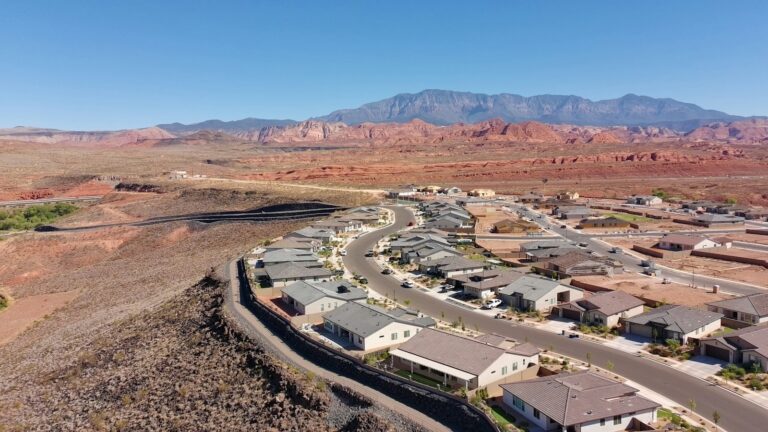
Menifee’s Mello-Roos Tax Districts: What a Seller Needs to Know Before Listing
Menifee's growth means many homes sit inside a Mello-Roos CFD. Here's what the special tax is, how it appears on the bill, and what sellers must disclose.
Read the guide → Selling for cash
California’s AB 1482 Rent Cap: How the 5% Plus CPI Formula Actually Works
AB 1482's rent cap runs on a 5% plus regional CPI formula, capped at 10%, that resets every August 1. Here's how…
Read the guide →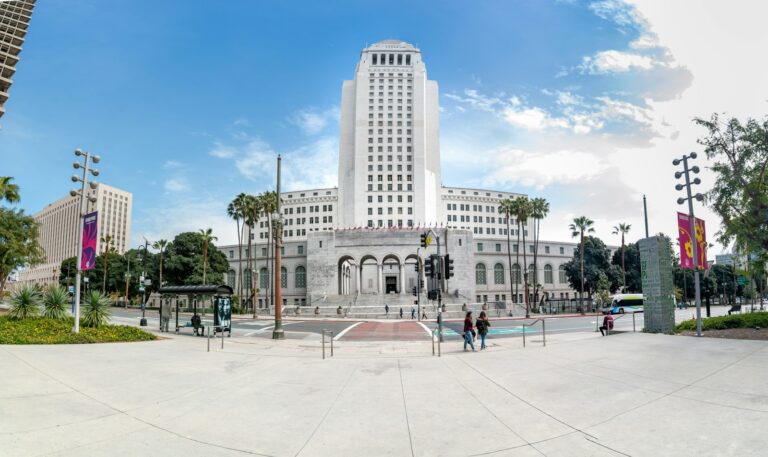 Selling for cash
How to Research Permit History on a Los Angeles Home With LADBS’s PRISM System
LADBS's PRISM system lets you check a home's LA permit history before listing. Here's how the lookup works, what statuses mean, and why lenders care.
Read the guide →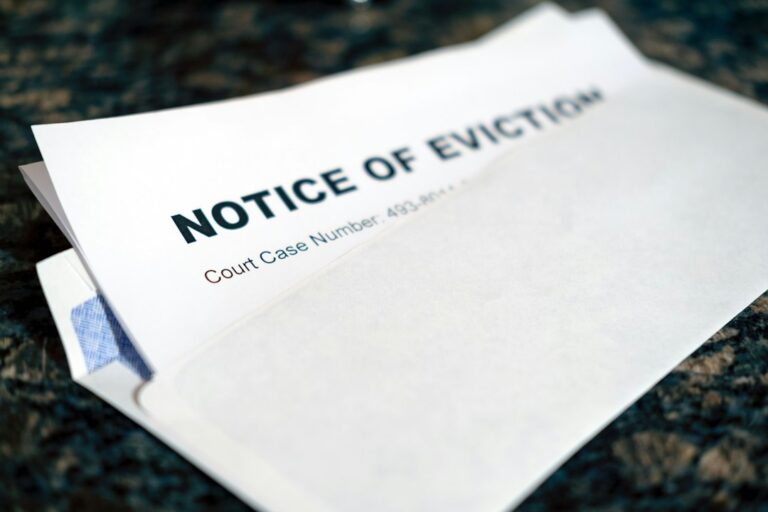 Rentals & tenants
California’s Just Cause Eviction Notice: What Civil Code 1946.2 Requires
Civil Code 1946.2 requires a stated reason to end most tenancies after 12 months, and one month's rent in relocation pay within 15 calendar days.
Read the guide →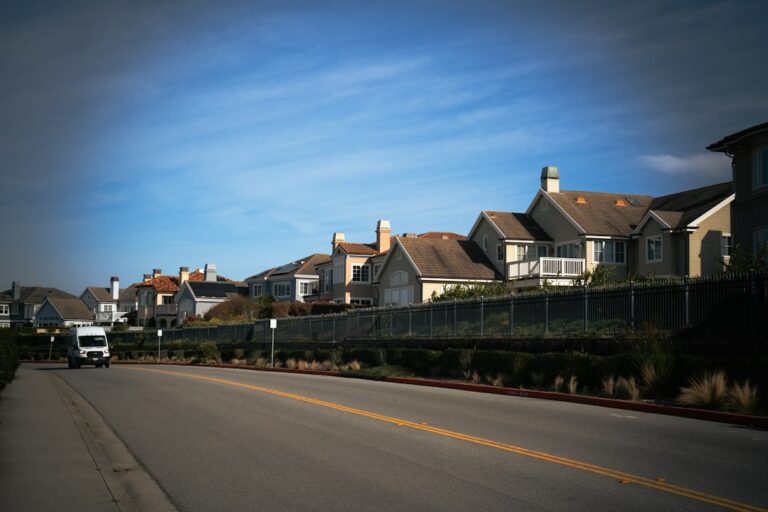 Selling for cash
Pico Rivera Mobilehome Rent Cap: What the Ordinance Limits
Pico Rivera caps mobilehome space rent increases at 3% or 75% of CPI, whichever is less — and the cap follows the…
Read the guide →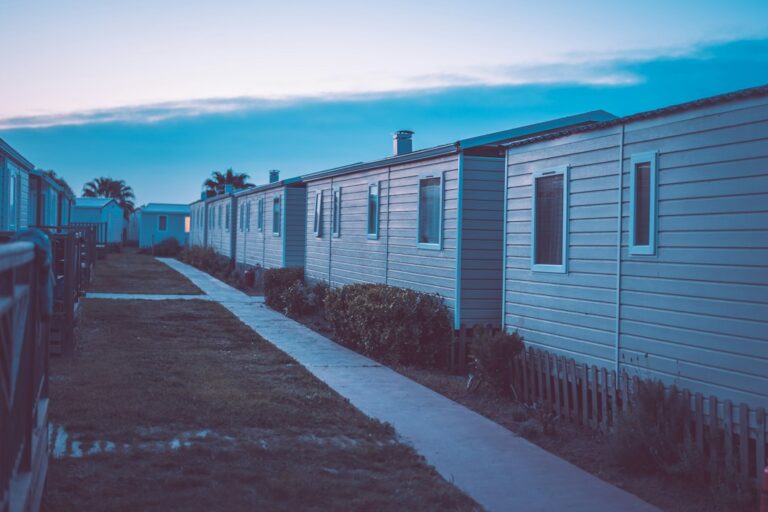 Selling for cash
When a Mobile Home Park Closes in California: The Notice and Relocation Rules
California requires an impact report, a relocation plan, and up to 12 months' notice before a mobile home park can close. Here's how the process works.
Read the guide → Selling for cash
San Joaquin County Supplemental Tax Bill Explained
A second tax bill after buying or inheriting a San Joaquin County house isn't a mistake. Here's how the county calculates it, and when it bills you twice.
Read the guide → Foreclosure & liens
Can a Lender Sue You After a California Foreclosure? Anti-Deficiency Rules Explained
In most California foreclosures the lender can't sue for the unpaid balance after sale. Here's when anti-deficiency protection applies, and when it fails.
Read the guide → Selling for cash
The Prop 19 Filing Deadline Most Heirs Miss: BOE-19-P Explained
Inheriting a parent's California home doesn't auto-protect it from reassessment. Here's the BOE-19-P form, the 3-year deadline, and what happens if missed.
Read the guide →