
Why Glendale’s Rent Rules Often Don’t Apply to Your Rental
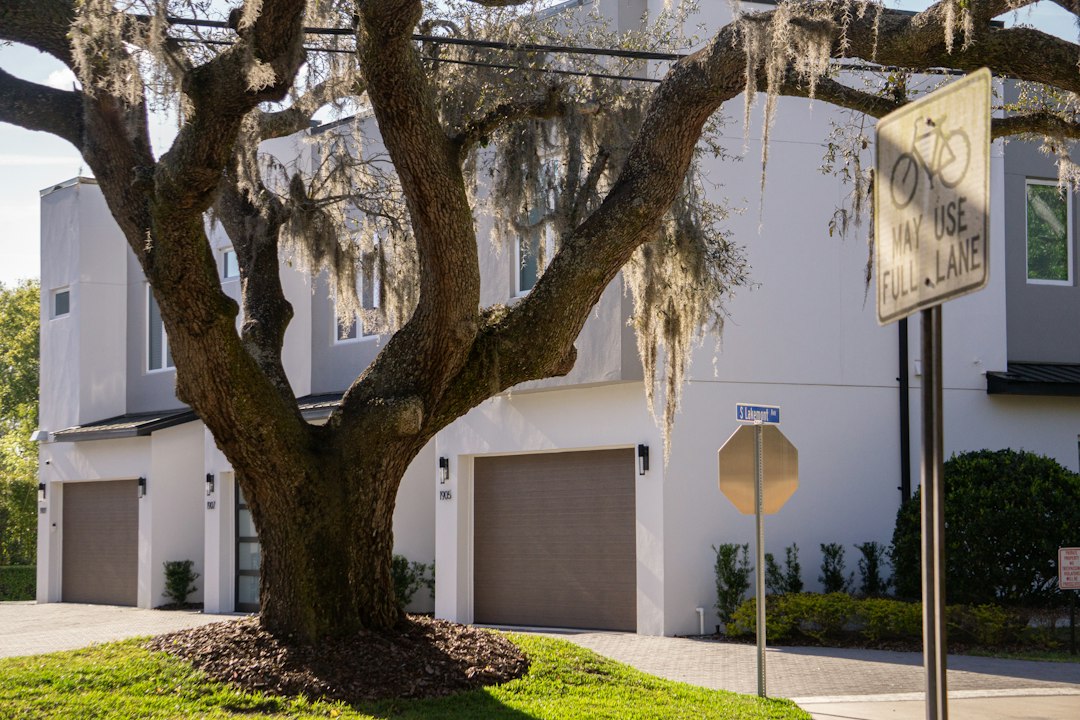
Glendale has its own tenant protection rules layered on top of state law, but most single-family rental houses end up governed by the state rules anyway — Glendale’s local program exempts exactly the kind of property most people selling a tenant-occupied house in this city actually own. Knowing which rulebook actually applies to your property changes both your eviction timeline and what you owe a tenant to get there, and conflating the two is the most common mistake we see in this situation. The statewide AB 1482 single-family exemption has its own two-part test that trips up owners in other cities too — see why it fails more often than expected in North Redondo Beach, CA.
Glendale’s Own Tenant Protection Program
In February 2019, the Glendale City Council approved a “right-to-lease” amendment to the city’s just-cause eviction ordinance. It requires landlords to offer qualifying tenants a new one-year lease rather than letting the tenancy default to month-to-month, and if a landlord wants to raise rent beyond a set trigger percentage, the ordinance requires paying the tenant’s relocation or moving costs. The council rejected a full rent-control proposal at the same meeting, so this is not a rent cap in the way Santa Monica or Los Angeles would use the term — it is a lease-term and relocation-assistance rule riding on top of the city’s eviction ordinance, enforced through the city’s Municipal Code and the Community Development Department’s Rental Rights program.
The Exemptions That Catch Most Sellers
This is the part that surprises people trying to sell a single rental house in Glendale. The city’s own guidance says parcels with two or fewer dwelling units, and units built on or after February 1, 1995, generally fall outside Glendale’s local rent and relocation program and instead follow the state rent cap directly. If you own one house with a tenant in it — the single most common situation behind a search like this one — your property is very likely one of the exempt ones, which means the state framework below, not Glendale’s local ordinance, is doing most of the legal work in your sale.
What State Law Requires Instead: AB 1482
California’s Tenant Protection Act of 2019 — AB 1482 — supplies the statewide floor. Civil Code §1946.2 requires “just cause” to end most tenancies after twelve months of occupancy, and Civil Code §1947.12 caps annual rent increases at 5% plus the local CPI, or 10%, whichever is lower. Selling the property is not, by itself, a just cause to remove a tenant — a new owner generally has to honor the existing lease or month-to-month tenancy and go through the same just-cause process you would have.
Single-family homes and condos do get an exemption from both the just-cause and rent-cap rules, but only if two things are both true: the owner is not a real estate investment trust, a corporation, or an LLC with a corporate member, and the owner gave the tenant written notice of the exemption using the statutory language in §1946.2(e)(8)(B)(i) and §1947.12(d)(5)(B)(i). Skip that written notice when the lease started, and you may not actually have the exemption even though your property otherwise qualifies for it — a detail that catches a lot of small landlords who assumed owning “just a house” was enough on its own. It’s worth pulling your original lease now, before a buyer’s attorney or a tenant’s advocate asks, rather than discovering the gap during a dispute.
Just Cause, Either Way
Whether you land inside Glendale’s local program or purely under state law, a tenant who’s been in place over a year cannot be removed without a qualifying reason. “At-fault” causes include nonpayment of rent, lease violations, or criminal activity on the property. “No-fault” causes include the owner or a qualifying family member moving in, taking the unit off the rental market, substantial remodel requiring a permit and vacancy, or complying with a government order — and no-fault removals generally require paying relocation assistance equal to one month’s rent, or waiving the final month’s rent, under §1946.2(d). Selling to someone who plans to live in the house themselves can qualify as an owner move-in, but that’s the buyer’s intent carrying the legal weight, not yours as the seller — you can’t manufacture it to clear the house before listing.
Relocation Assistance: When It’s Actually Owed
Relocation money comes up in two separate, easy-to-confuse contexts here. Under state law, it’s owed for a no-fault just-cause termination. Under Glendale’s local right-to-lease rule, it can also be owed when a landlord raises rent above the ordinance’s trigger percentage rather than offering the renewal lease — the city’s own materials describe local rent-increase figures in the high single digits to around 10%, and conflicting figures have shown up in different city documents over the years, so confirm the current percentage with Glendale’s Rental Rights program before you rely on a number from an old blog post or a prior tenant’s lease. These are different triggers for different amounts, and a seller who assumes “relocation” only means the eviction scenario can end up surprised by a second claim tied to a rent increase made months before the house went on the market.
Showing an Occupied House: What You Can and Can’t Require
Marketing a tenant-occupied house means buyers, their agents, and sometimes an appraiser all need to get inside — and your tenant’s right to quiet enjoyment doesn’t disappear just because you’ve listed the property. Civil Code §1954 generally requires reasonable written notice, presumed to be 24 hours, before a landlord or their agent can enter, and entry has to happen during normal business hours unless the tenant agrees otherwise. We’ve covered what counts as proper notice and what a tenant can refuse in more detail — the short version is that you can’t schedule a string of back-to-back showings on short notice and treat a tenant’s objection as a lease violation. Build showing logistics into your listing timeline rather than assuming the tenant will simply accommodate whatever schedule a buyer’s agent proposes.
Habitability Obligations Don’t Pause While You’re Selling
Civil Code §1941 and §1942 require a landlord to maintain a rental in habitable condition — working plumbing, heat, weatherproofing, and so on — and that obligation runs straight through the listing period and into escrow. Letting maintenance slide because you’re about to sell anyway, or because you’d rather the tenant leave on their own, can expose you to a habitability claim, a rent withholding defense if you ever do need to pursue eviction, and a disclosure problem with your buyer. It also tends to backfire strategically: a tenant who feels pressured through neglected repairs has every incentive to document it, and that documentation becomes leverage in exactly the negotiation you were trying to avoid.
Why the Ellis Act Isn’t the Tool Most Glendale Sellers Need
Some sellers hear about the Ellis Act and assume it’s a faster way to clear a rental for sale. We’ve covered how Ellis Act withdrawals actually work statewide, but the practical note for a single rental house is simpler: the Ellis Act exists to let landlords exit the rental business entirely by withdrawing units from the market, it comes with its own notice periods, relocation payments, and re-rental restrictions, and it’s designed around — and used almost exclusively for — multi-unit buildings in cities with local rent control ordinances like Los Angeles or Santa Monica. For one Glendale house, the no-fault “intent to occupy or sell to someone who will occupy” pathway under state law, or a negotiated cash-for-keys exit, is almost always the more direct route than an Ellis Act withdrawal built for apartment buildings.
A Few Questions Sellers Ask
Can I just not renew the lease and let it go month-to-month, then sell? You can let a lease convert to month-to-month, but once a tenant has occupied the unit for twelve months, just-cause protections apply regardless of whether the tenancy is under a lease or month-to-month — ending it still requires a qualifying reason. Does the buyer inherit Glendale’s local lease obligations or just the state ones? Whichever framework actually applied to the unit before the sale continues to apply after it; a sale doesn’t reset which rules govern the tenancy. Can I raise the rent right before listing to make the numbers look better? You can, within the applicable cap, but doing so can trigger Glendale’s relocation-assistance rule if you’re inside the local program and the increase crosses the ordinance’s threshold — and a documented rent hike timed right before a sale invites exactly the kind of scrutiny a tenant’s attorney would look for.
Selling With a Tenant Still in Place
You are allowed to sell occupied property, and plenty of investors specifically look for tenant-occupied houses because the rent continues through closing. We’ve covered the general mechanics of selling with tenants in place statewide, and the short version doesn’t change in Glendale: the lease or month-to-month tenancy transfers with the property, the buyer steps into your shoes as landlord, and the security deposit has to be accounted for and transferred at closing under Civil Code §1950.5. What does change here is which rulebook — city or state — governs the tenant’s rights going forward, and that’s worth confirming in writing before you price the listing, because a buyer’s lender or an investor’s underwriting will ask.
Practically, that means assembling the full tenant file before you go to market: the signed lease, any addenda, the exemption notice if one was given, the deposit amount and where it’s held, the rent-payment ledger, and any written communication about repairs or complaints. A buyer evaluating an occupied purchase — particularly an investor — will ask for this before finalizing an offer, and having it ready shortens the negotiation considerably compared to reconstructing it after an offer is already on the table.
Cash for Keys as an Alternative
If you’d rather deliver the house vacant, a negotiated cash-for-keys agreement is usually faster and less adversarial than a formal unlawful detainer, provided the tenant is willing. We’ve broken down how these agreements typically work and what they cost — the number depends heavily on local rent levels and how much goodwill you’ve built with the tenant, and in a market with Glendale’s rents, offers in the few-thousand-dollar range are common for a clean, documented move-out. Get it in writing, specify the move-out date, and don’t release funds until keys and a signed release are in hand. A short, specific agreement — move-out date, condition expectations, and a mutual release of claims — protects you far better than a verbal handshake, even when the relationship with the tenant is genuinely friendly.
What an Eviction Actually Costs in Time
If cash for keys fails and you need a formal unlawful detainer, budget more time than the statutory minimums suggest. The three-day notice period for curable violations, or the required notice for a no-fault termination, is just the start; a contested case that goes to trial in Los Angeles County’s court system commonly runs two to four months once you account for service, response deadlines, and the court’s own calendar, and that’s before a sheriff’s lockout is scheduled. Each of those months is a month you’re carrying the mortgage, insurance, and property tax on a house that isn’t producing a sale, which is the real cost sellers underestimate when they assume eviction is simply “a few weeks of paperwork.” We’ve laid out the full eviction process step by step if you need the complete sequence rather than the summary version.
When a Cash Sale to an Investor Beats Waiting
Selling to a cash buyer who’s comfortable taking the property occupied makes the most sense when the numbers for vacating don’t pencil out — relocation payments, cash-for-keys negotiations, and months of carrying costs during a contested eviction can easily exceed what you’d gain from a vacant-possession sale, especially if the tenant pays reliably and simply doesn’t want to move. It also makes sense if you live out of state or don’t want to manage a legal process yourself, since many investors buying occupied property will handle the landlord relationship going forward rather than asking you to clear it first. And it makes sense if you’ve already tried cash for keys once and the negotiation stalled — a buyer who specializes in occupied purchases has usually priced that friction into their offer from the start, rather than treating it as a surprise mid-escrow.
When It Doesn’t
It makes far less sense if you have a straightforward no-fault reason to reclaim the unit, a cooperative tenant, and the patience for a few months’ process — a vacant house in Glendale’s market typically sells for more than an occupied one, and the gap can be larger than what relocation assistance or cash-for-keys would cost you to get there. It’s also the wrong move if your actual goal is just a faster closing rather than avoiding the tenant relationship; a cash buyer solves an occupancy problem, not a general timeline problem, and if the house is vacant and in decent shape, a conventional listing may still net more even on a tighter schedule. Run both numbers side by side — a realistic net sheet for a vacant conventional sale against a real cash offer for the occupied property — before deciding which problem you’re actually trying to solve.
Before You List a Tenant-Occupied House in Glendale
- Confirm whether your property is exempt from Glendale’s local program (two units or fewer, built on or after February 1, 1995) or falls under it
- Check whether your lease included the required Civil Code exemption notice — if it didn’t, assume the local or state cap applies regardless of unit type
- Review the lease and payment history before deciding between selling occupied, cash for keys, or formal eviction
- Get the security deposit accounting square before marketing the property — buyers and their lenders will ask
- Compare a real cash offer for the occupied property against a realistic timeline and cost to deliver it vacant before committing to either path
If the tenant situation is the main thing standing between you and a closed sale, selling your tenant-occupied Glendale house directly lets you skip the relocation math, the cash-for-keys negotiation, or the eviction timeline entirely — the buyer takes on the landlord relationship, and you take the closing.
If you want a no-obligation cash offer on your occupied property, Cash Home Buyers CA can make one and explain exactly how we’d handle the existing tenancy.