
What the AB 1482 Single-Family Exemption Does and Doesn’t Cover in North Redondo Beach
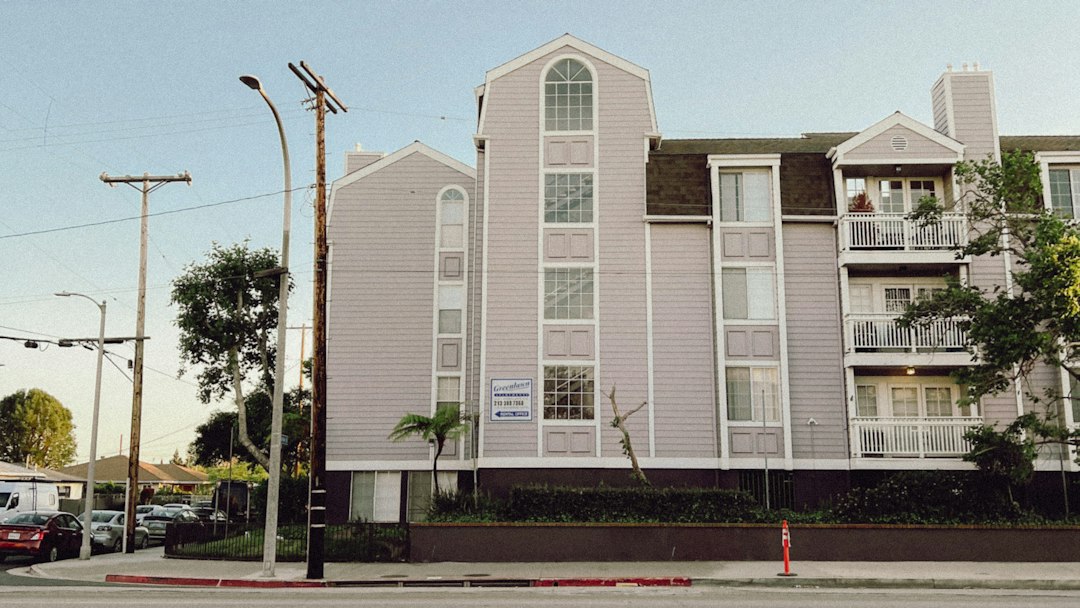
California’s statewide rent cap and just-cause eviction law, AB 1482, exempts most single-family homes from both the rent cap and the just-cause requirement — but only if two separate conditions are both met, and a surprising number of North Redondo Beach rental properties fail one of them without the owner realizing it. If you’re selling a tenant-occupied house here, knowing exactly which test your property passes or fails determines what you can tell a buyer about the tenancy, and what the buyer inherits the day escrow closes.
The Two-Part Test for the Single-Family Exemption
Under Civil Code Sections 1946.2 and 1947.12, a single-family home or condominium is exempt from both the just-cause eviction rules and the annual rent increase cap only when both of the following are true at the same time. First, ownership: the property can’t be owned by a real estate investment trust, a corporation, or an LLC with at least one corporate member. An individual owner, a family trust, or an LLC made up entirely of individual members can qualify; a corporate-owned rental cannot, full stop, regardless of anything else about the property. Second, notice: the owner must have given the tenant written notice stating that the tenancy is not subject to the rent limits of Civil Code 1947.12 or the just-cause requirements of Civil Code 1946.2, and that the owner is not a REIT, corporation, or LLC with a corporate member. For any tenancy that started or was renewed on or after July 1, 2020, this notice has to be written into the lease itself — it isn’t enough to have mentioned it verbally or assumed the tenant understood.
Miss either piece — the ownership structure or the written notice — and the property is not exempt, even if it’s a textbook single-family home in every other respect. There’s no partial exemption and no good-faith exception for forgetting to include the notice language.
Why North Redondo Beach Properties Fail This Test More Often Than South Redondo
Redondo Beach incorporated on April 29, 1892, and the city’s roughly 71,576 residents (2020 census) live across about 31,000 housing units at a density of over 10,700 people per square mile — high for a city of its size, and the north side of town is where most of that density actually sits. North Redondo Beach — home to the southern terminus of the Metro K Line, the North Branch Library on Artesia Boulevard, and the corridor feeding Adams Middle School — has a meaningfully different housing stock than the more beach-oriented, single-family blocks south of Torrance Boulevard. The north side includes a much larger concentration of the small 1960s-and-70s-era apartment buildings and duplex-to-fourplex properties common across the South Bay, along with single-family lots that picked up a detached in-law unit or garage conversion somewhere along the way.
That second category is exactly where the AB 1482 exemption breaks down. The statute is explicit that the single-family exemption doesn’t apply if the lot contains more than one dwelling unit, or if there’s a second residential unit on the property that can’t legally be sold separately from the primary unit — which describes a huge share of North Redondo Beach’s ADU and bonus-unit inventory. A seller who’s always thought of their property as “the house” because that’s how they use it can be selling, legally, a two-unit property that doesn’t qualify for the exemption regardless of ownership structure or notice.
The North Branch Library’s LEED Gold certification and the Metro K Line terminus are both markers of a neighborhood the city has actively invested in as a denser, more transit-connected district than the beachfront blocks to the south — which tracks with why North Redondo Beach has absorbed more of the small multifamily construction that went up across the South Bay in the mid-20th century. None of that is a problem for a seller; it’s simply a reason to check your specific parcel’s unit count against the assessor’s records rather than assume your corner of the neighborhood looks like the postcard version of Redondo Beach.
The Notice Requirement Trips Up Long-Term Owners Especially
Here’s the trap for an owner who’s held the same North Redondo Beach rental for a decade or more: if the current tenancy began before July 1, 2020, and the lease was never updated with the required exemption language, the property may not actually qualify as exempt today even though it’s a genuine single-family home owned by an individual. The law doesn’t retroactively assume older tenancies are exempt just because they would have qualified if the paperwork had existed. If you’ve never specifically added this notice language to the lease or a lease addendum, don’t assume the exemption applies — check the actual lease document, not your general understanding of your property type.
This matters enormously for a sale. If the property isn’t exempt, the existing tenancy is subject to the statewide rent cap — generally 5% plus the regional CPI, capped at 10% total in any 12-month period — and the tenant can only be asked to leave for one of the “just cause” reasons the statute lists, several of which require paying relocation assistance equal to one month’s rent. A buyer purchasing the property inherits that tenancy and those restrictions exactly as they stood at closing; ownership changing hands doesn’t reset or waive anything the prior landlord was already subject to.
If the Exemption Doesn’t Apply: How the Rent Cap Actually Works
For a non-exempt North Redondo Beach rental, Civil Code 1947.12 limits annual rent increases to 5% plus the local Consumer Price Index change, with a hard ceiling of 10% total in any rolling 12-month period, whichever is lower. This caps the rate of increase — it doesn’t cap the rent itself, and it doesn’t apply to a brand-new tenancy with a new tenant, only to increases during an existing tenancy. A landlord who’s kept rent well under market for years can’t catch up all at once; the cap applies every time, cumulatively, which is exactly why a long-held, rent-capped tenancy can end up significantly under market after several years, and why that gap is one of the first things a prospective buyer evaluating the property as an investment will want to understand before making an offer.
The Security Deposit Limit Changed in 2024 Too
Separately from the rent cap and just-cause rules, Assembly Bill 12 amended Civil Code Section 1950.5 effective July 1, 2024, and generally limits a security deposit on a new tenancy to one month’s rent, down from the old limits of two months unfurnished or three months furnished. There’s a small-landlord exception allowing up to two months’ rent if the owner is a natural person (or an LLC made up entirely of natural persons) who owns no more than two residential rental properties totaling no more than four units — which describes a lot of individual North Redondo Beach landlords exactly. If your tenant’s deposit was collected before July 2024 under the old rules, it generally doesn’t have to be refunded down to the new limit retroactively, but any new tenancy you sign going forward has to follow the current limit — including one the buyer signs with a new tenant after closing, so a buyer planning to re-tenant the unit needs to know the current rules apply to them even if the outgoing tenancy predates the law. When you’re disclosing deposit details to a buyer, make clear which rule era the existing deposit was collected under, since that affects what the buyer can and can’t require from a future tenant in that same unit.
It’s also worth confirming where the deposit actually sits today — in a separate account, commingled with operating funds, or already partially applied to some past repair — since a buyer taking over an occupied tenancy generally takes over the deposit obligation along with it. An escrow holdback or a direct credit at closing equal to the deposit amount is the standard way to handle the handoff cleanly, and it’s a detail worth raising with escrow early rather than discovering it needs to be resolved the week of closing.
What You Owe a Buyer About the Tenancy
Beyond the standard Transfer Disclosure Statement, a seller of tenant-occupied property should be providing the buyer with a complete, accurate picture of the tenancy: the current lease or rental agreement, the actual monthly rent being paid versus what’s in any outdated written agreement, the security deposit amount and how it’s held, the move-in date, and — critically for this discussion — whether the exemption notice was ever actually given and documented. If you can’t produce it, the honest answer is that you don’t know whether the exemption applies, and that uncertainty is something a buyer needs to know before they make assumptions about rent increases or their ability to recover the unit for their own use. A tenant estoppel certificate, signed by the tenant confirming the lease terms, rent amount, and deposit, is one of the more reliable ways to settle any dispute between what the paperwork says and what’s actually happening month to month.
If the Buyer Wants the Property Vacant
A buyer who wants to move in or redevelop the property can’t simply terminate the tenancy at close of escrow unless a valid just-cause reason applies and, where required, relocation assistance is paid. “The new owner wants to live there” is in fact one of the recognized just-cause reasons under Civil Code 1946.2, but it comes with specific conditions — including that it generally has to happen within a defined window after acquiring the property and that the required relocation payment or rent waiver still applies. A negotiated cash-for-keys agreement with the existing tenant is often faster and cleaner than pursuing a statutory just-cause termination, particularly when the seller and buyer both want a clean handoff rather than a contested move-out. Whoever ends up handling it — seller before closing, or buyer after — needs a specific legal reason and proper notice; there’s no “we’re selling the house” category on the just-cause list.
Timing also matters more than most sellers expect. Serving a just-cause notice, waiting out the required notice period — generally 30 to 60 days depending on how long the tenant has lived there — and then confirming the unit is actually vacant can realistically add a month or two to a closing timeline if it isn’t started until after an offer is already accepted. Sellers who know in advance they want the property delivered vacant are better off starting that process before they ever list, so the eventual closing date isn’t held hostage to a notice period nobody accounted for.
When Selling to a Landlord-Friendly Buyer Is the Wrong Call
If your North Redondo Beach property genuinely qualifies for the exemption, has a good tenant paying close to market rent, and you don’t need the cash soon, selling isn’t automatically the best move — an exempt single-family rental in this part of the South Bay is a reasonably attractive long-term hold, and refinancing or simply continuing to collect rent may outperform a sale once you account for transaction costs and California’s capital gains treatment on investment property. Selling makes more sense when the tenancy is underwater relative to market rent and the rent-cap exposure limits how fast you can close that gap, when the property has a second-unit complication that permanently disqualifies the exemption and depresses what a landlord-buyer will pay for it, when you want out of landlording altogether, or when you need liquidity faster than a conventional sale with an occupied, rent-capped tenancy in place would realistically produce.
Questions That Come Up Most With North Redondo Beach Rentals
Does the AB 1482 exemption get reassessed when I sell to a new owner? The exemption test looks at the property and the ownership entity, not at any one landlord’s tenure, so a new individual owner of a genuinely qualifying single-family home can rely on the exemption going forward — but they’ll need to give their own written exemption notice to the tenant if one hasn’t already been properly documented, since the prior owner’s compliance (or lack of it) doesn’t automatically transfer.
What if my ADU was permitted — does that still disqualify the exemption? Generally yes, if it’s a legally separate second dwelling unit that can’t be sold apart from the main house, regardless of whether it was properly permitted. Legal permitting affects whether you can safely rent it out at all and whether it shows up on title and tax records accurately — it doesn’t change whether the property counts as having more than one unit for purposes of the AB 1482 exemption.
Can I just tell a buyer the exemption applies without checking? You can, but if it turns out not to apply — because of a missing notice, an undisclosed second unit, or an ownership structure issue — the buyer inherits a rent-capped, just-cause tenancy they weren’t expecting, and an inaccurate representation about the tenancy’s legal status is exactly the kind of thing that generates a post-closing dispute. It’s a fast records check against real consequences; there’s no good reason to guess.
Steps Before You List a Tenant-Occupied North Redondo Beach Property
- Pull the current lease and confirm whether the AB 1482 exemption notice language actually appears in it
- Check your property’s own records — and if needed, the city’s permit history — for any second unit that would disqualify the single-family exemption regardless of notice
- Confirm the ownership entity on title doesn’t include a corporation or REIT, which would disqualify the exemption on its own
- Get a signed tenant estoppel certificate so the lease terms, rent, and deposit are documented and undisputed before you go to market
- Decide, honestly, whether you want to sell occupied or get the unit vacant first — and if vacant, start the just-cause or cash-for-keys process early, since it isn’t instant
For the wider landscape of how California’s rent rules are reshaping the hold-or-sell decision, we’ve covered what today’s rent caps mean for small landlords deciding whether to hold or sell, and the broader mechanics of selling occupied rental property if you want more detail beyond the exemption question covered here. If you’d rather sell with the tenant in place and let a buyer experienced with occupied property handle the rest, Cash Home Buyers CA can put together a no-obligation cash offer, and you can see how our process works for a tenant-occupied North Redondo Beach property specifically before deciding anything.