
Get a Cash Offer for My House in Green Valley, CA
- Foreclosure, inherited, tenants, damage — we buy it
- Zero fees, zero commissions, zero closing costs
- No obligation — turn the offer down and owe us nothing


Fast, Fair, and Reliable Offers
See exactly how a cash sale works in San Francisquito Canyon, from the first call to the day the deed records with Los Angeles County.
How a Cash Offer for My House in Green Valley Comes Together
Owners who look up how to get a cash offer for my house in Green Valley usually want to know two things: what actually happens, and how long each step takes.
The answer is simpler than a traditional sale, because there is no lender, no appraisal and no loan approval in the middle. But a canyon property still has its own details.
Every home in Green Valley runs on a private well and septic system, sits along San Francisquito Canyon Road or one of its side roads, and is in unincorporated Los Angeles County, so the county, not a city, handles the recording and transfer tax. This page walks through how cash home buyers work here, step by step.
Step One: The First Conversation
It starts when you call or text 424-435-2326 or fill out the form on this page. We ask a few basic questions: the address, who is on title, whether there is a loan, the general condition of the house, and what you know about the well and septic.
We also ask about your timing. Some owners want to close as soon as possible; others need a date several weeks out to line up a move, an estate matter or a court schedule.
You do not need documents for this call, and there is no obligation. The goal is to understand the property well enough to plan a visit.
Step Two: The Walkthrough
We schedule one visit at a time that works for you. In the canyon, that means confirming the route, any gate code and whether the power is on. During the walkthrough we look at the structure, roof, plumbing, electrical and heating, and we walk the land.
If you know where the well head and septic tank are, it helps to point them out. We note outbuildings, access, the condition of the driveway or road and any fire-related damage. We do not ask you to clean, stage or repair anything.
If you cannot be there, a relative, neighbor or property manager can open the property, and we can talk through the details with you by phone.
Step Three: Your Written Cash Offer
A written cash offer usually follows within 24 hours of the walkthrough. It is based on the property as it stands, what nearby rural sales suggest and the work the next owner will take on. It states the price, the proposed closing date, the deposit, which costs each party pays and any conditions.
We can buy your house directly or bring in a vetted cash buyer from our network; either way you get one written offer, proof of funds, a neutral escrow company, a clear closing date, and no fees or commissions.
What to check before you accept
- The offer is in writing, with the price and conditions spelled out
- Proof of funds is provided
- The deposit is held by a neutral escrow company
- A closing date is named
- The agreement states who pays which costs
- The agreement states who takes title
Take the time you need. You can share the offer with family, an attorney or a CPA before deciding.
Green Valley Market Snapshot
Redfin’s Green Valley housing market page, with data through August 2026, records only two home sales in its latest three-month window. That is not enough to support a reliable median price, which is why a cash offer here is built from the specific property rather than a single market figure.
It is also why financed sales in the canyon can run into appraisal trouble when there are few comps to lean on.
Cash Offer vs. Listing: The Process Compared
| Step | Cash offer | Traditional listing |
|---|---|---|
| Timeline | A clear-title sale can often close in about two to three weeks, or on your date | Prep and market time, then the 30-45 days financed buyers usually need |
| Repairs | None required | Often negotiated after inspection |
| Showings | One walkthrough | Open houses and repeat showings |
| Commissions | No fees or commissions | Agent commissions often total around 5-6% combined |
| Closing costs | Stated in the written offer | Seller typically pays customary escrow, title and transfer tax |
| Certainty | No financing contingency or appraisal | Loan approval and appraisal can fail late |
Step Four: Escrow Opens
Once you sign the purchase agreement, a neutral escrow company opens the file and holds the buyer’s deposit. The title company searches public records for loans, liens, unpaid property taxes, judgments and easements, including any road or access easements that affect a canyon parcel. If something needs to be cleared, escrow tells both sides what is required.
You complete the required disclosures. In California, that generally includes the Transfer Disclosure Statement and the Natural Hazard Disclosure, though some probate and trust sales are exempt from the Transfer Disclosure Statement. In Green Valley the hazard report commonly shows the Very High Fire Hazard Severity Zone designation, which is routine.
Documents escrow may ask for
- A photo ID for each person signing
- Your mortgage statement or lender contact for the payoff
- Trust documents or court letters if the property is in a trust or estate
- Any well, septic or permit records you have
- Information for the California withholding form
Step Five: Signing and Closing
Near the end of escrow, you receive a settlement statement that shows every amount coming in and going out: the price, any loan payoff, the Los Angeles County documentary transfer tax of $1.10 per $1,000, and other costs as stated in the agreement. Review it carefully and ask questions before you sign.
You sign the closing documents in front of a notary. Escrow can arrange a mobile notary at your home, your workplace or wherever you are staying, including out of state. California may require withholding of 3 1/3 percent of the sales price unless an exemption applies, such as many principal-residence sales; escrow prepares Form 593, and a CPA can confirm your exemption.
After signing, the deed goes to the Los Angeles County Registrar-Recorder/County Clerk for recording. When it records, the sale is complete and escrow releases your proceeds by wire or check.
How the Offer Price Is Worked Out
Sellers often ask why a cash offer differs from what they hoped to list for. The short answer is that a cash offer prices in everything a listing leaves for later.
We start with what similar rural homes have sold for, then account for the repairs the next owner will make, the time and cost of holding the property while that work is done, and the costs of the eventual resale.
On a canyon property, the biggest variables tend to be the septic system, the well, the roof and any fire-related damage, along with road access. We explain the main factors behind the number when we send the offer, so you can see how it was built rather than guess.
What Can Slow the Process Down
Most delays come from paperwork rather than the house. An old loan that was paid off years ago but never released, a missing signature from a co-owner, a trust document that cannot be found or an unpaid tax bill can each add days while title and escrow sort it out. Letting us know about any of these early gives escrow a head start.
Scheduling can matter too. If several people need to sign, such as co-owners, heirs or a trustee and beneficiaries, escrow will coordinate a notary for each of them. Sharing everyone’s contact details at the start keeps those signings from becoming the last thing holding up the closing.
How Long Each Step Usually Takes
Every sale is different, but a typical clear-title cash sale follows a pattern. The first call and walkthrough can often happen within a few days. The written offer usually follows within 24 hours.
Escrow, title and disclosures commonly take about two to three weeks, and you can pick a later closing date if you need more time. If there is a probate step, several heirs to coordinate, an old lien to clear or a well or septic issue to document, add time accordingly. You still choose the date.
Getting a Cash Offer for My House in Green Valley When It Needs Work
Condition does not change the steps. A cabin with a failing septic system, a ranch house with an aging roof or a home with fire-related damage goes through the same process. The difference is in the offer, which reflects the work the next owner will take on.
You do not repair, clean out or stage anything. For more on that, see our guide to selling a house as is in Green Valley.
Properties That Go Through This Process
- Older cabins and mid-century ranch houses in San Francisquito Canyon
- Newer site-built homes on parcels from under an acre to several acres
- Inherited homes held in a trust or passing through probate
- Rentals with tenants in place
- Homes with well, septic, roof or fire-related repair needs
- Vacant homes and properties behind on payments
After Closing
Once the deed records, the house belongs to the buyer. Cancel your homeowners insurance after confirming the recording, close the electricity and propane accounts, and forward your mail. Keep the settlement statement and closing documents with your tax records, since your CPA will want them when you file.
Frequently Asked Questions
How fast can I get a cash offer for my house in Green Valley?
A written cash offer usually arrives within 24 hours of the walkthrough, and the walkthrough can often be scheduled within a few days of your first call.
How do cash home buyers work in a canyon market with few sales?
They base the offer on the specific property, its condition, the well and septic, access and nearby rural sales, rather than a lender’s appraisal.
Is there any obligation after I get the offer?
No. You can review it, share it with an advisor and decide whether to accept. There is no obligation.
Who holds the deposit?
A neutral escrow company holds the deposit until closing.
Do I have to be in Green Valley to sign?
No. Escrow can arrange a mobile notary to meet you where you are, including out of state.
What costs will I see at closing?
The settlement statement lists them, including any loan payoff and the Los Angeles County transfer tax of $1.10 per $1,000. The written offer states who pays each cost.
Are there fees or commissions?
No. There are no fees or commissions.
Ready to see a number? Call or text 424-435-2326 or use the form above to start the process for your Green Valley home, with a written cash offer, no fees or commissions and no obligation.
Seller Guides
Helpful guides for homeowners in Green Valley
Plain-English answers to the questions sellers ask us most.
 Relocating
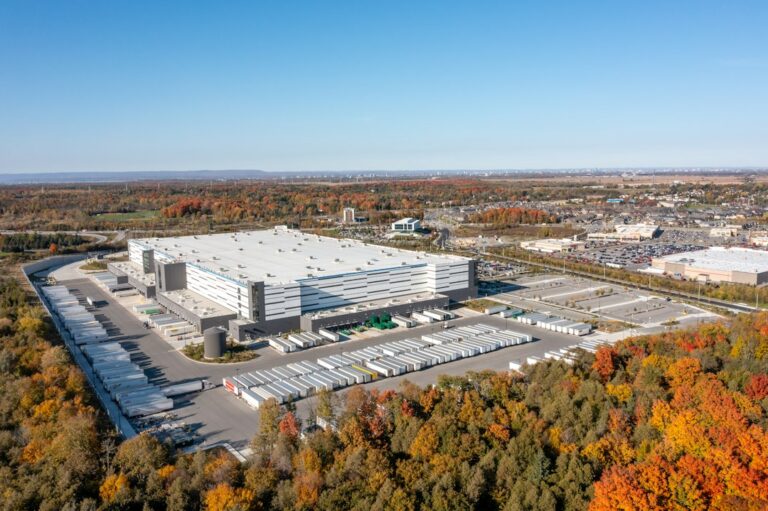
Fontana’s Warehouse Boom: What It Means If You’re Relocating
Fontana grew from a wartime steel town into an Inland Empire logistics hub. See what that shift means for home values and selling if you are relocating.
Read the guide → Selling for cash
The Transfer Tax Every Los Angeles Seller Pays, With or Without Measure ULA
Los Angeles charges its own $4.50-per-$1,000 tax on top of the county rate, before Measure ULA applies. See the exact combined math at closing.
Read the guide → Rentals & tenants
How Much Must Long Beach Landlords Pay Tenants Under the Relocation Ordinance?
Long Beach landlords: see the LBMC 8.99 relocation payments, notice periods, and city filing step required before a no-fault tenant termination.
Read the guide → Selling for cash
What Inglewood’s Housing Protection Ordinance Requires Before You Sell a Rental
Inglewood's Housing Protection Ordinance covers more rentals than expected, with rent caps, just-cause rules, and relocation tiers that transfer at sale.
Read the guide → Selling for cash
The Five-Year Countdown Before Los Angeles County Auctions a Tax-Defaulted Home
LA County auctions tax-defaulted homes after five years unpaid. See the redemption deadline, installment options, and how to claim excess proceeds.
Read the guide → Selling for cash
What Beverly Hills’ Rent Stabilization Ordinance Requires Before You Sell
Beverly Hills runs its own BHMC Chapter 5 and 6 rent rules: caps, BHRent registration, just-cause grounds and relocation fees sellers must clear first.
Read the guide →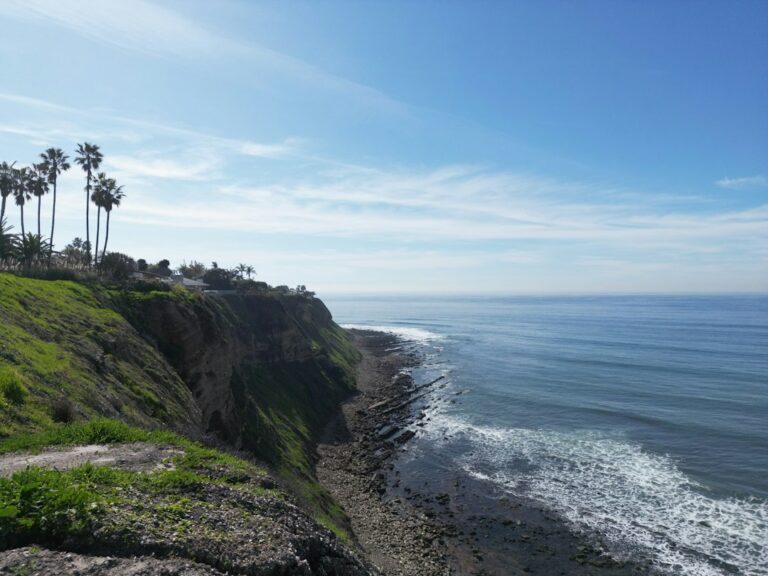 Selling as-is
What Rancho Palos Verdes’ Landslide Zones Mean for a Natural Hazard Disclosure
Rancho Palos Verdes sellers must check a landslide-zone box on the state Natural Hazard Disclosure Statement, separate from the earthquake fault question.
Read the guide → Selling for cash
West Hollywood’s Rent Stabilization Ordinance: What a Seller With Tenants Must Clear First
West Hollywood's rent stabilization law sets strict just-cause rules and relocation fees before you can sell a tenant-occupied rental unit here.
Read the guide → Inherited homes & probate
Partition Actions Between Heirs: How California Law Forces a House Sale
California heirs can force a house sale through a partition action under CCP 872-874, with court referees, confirmation hearings, and buyout rights.
Read the guide →