
Our Cash-Offer Process in Los Altos, Long Beach
- Foreclosure, inherited, tenants, damage — we buy it
- Zero fees, zero commissions, zero closing costs
- No obligation — turn the offer down and owe us nothing


From First Call to Closing, Step by Step
See exactly how we evaluate a Los Altos property, make an offer, and close, so you know what to expect before you ever pick up the phone.
A lot of the hesitation around selling to a cash buyer in Los Altos comes down to not knowing what actually happens after you make the call. Here’s the full process we use, step by step, from your first conversation with us to funds hitting your account at closing.
Step 1: You Tell Us About the Property
We start with basic information — the address, the property’s condition, whether it’s occupied, and why you’re selling. This takes a few minutes over the phone or through our online form, and there’s no obligation attached to sharing this information.
Step 2: We Research Comparable Sales
We look at recent comparable sales in Los Altos and the surrounding eastern Long Beach neighborhoods, factoring in the property’s specific condition, lot size, and any repairs it needs. Because Los Altos is largely mid-century tract housing, comps can vary meaningfully block to block depending on how much a given house has been updated, so we look at the specific property rather than relying on a single neighborhood-wide average.
How We Value a Los Altos Property
We’re not using an automated valuation model built for newer, uniform housing stock. Los Altos’s mid-century tract homes vary in condition, layout changes, and renovation history from block to block, so we look at the specific property — its square footage, lot, age of major systems, and any deferred maintenance — alongside comparable sales, rather than generating a number off a formula that doesn’t account for those differences.
Step 3: We Make a Written Offer
We typically respond with a written cash offer within 24 to 48 hours of learning about your property. The offer reflects the property’s current condition — there’s no requirement to make repairs first, and no lender-ordered appraisal to negotiate around.
Step 4: You Decide, With No Pressure
You can accept, ask questions, or decline entirely. There’s no cost to request an offer and no obligation to move forward. We’d rather you take the time you need than feel rushed into a decision.
Step 4.5: You Can Involve Anyone You Trust
Whether it’s a family member, an attorney, or a financial advisor, you’re welcome to have anyone you trust review the offer and the paperwork before you sign anything. We’d rather you feel fully informed than rushed, and there’s no penalty or pressure tied to taking that extra step.
Step 5: We Open Escrow
Once you accept, we open escrow with a licensed Long Beach-area title and escrow company, a neutral third party that handles the transaction. The title company runs a title search to confirm ownership and identify any liens, back taxes, or judgments that need to be cleared as part of closing.
Step 6: We Handle Any Title Issues
If the title search turns up a lien, unpaid property tax, or an old judgment, we work through it with the title company directly rather than asking you to resolve it yourself before we’ll proceed. This is one of the more common reasons a traditional sale stalls, and it’s something we handle as a normal part of our process.
Step 6.5: We Coordinate Around Occupancy
If the property has a tenant, is part of an estate still in probate, or you need extra time to move, we build that into the closing timeline rather than treating it as a problem. Whatever the occupancy situation, we plan the closing date around what actually works for your circumstances.
Step 7: You Sign the Closing Documents
You’ll sign a standard grant deed, a closing statement, and any required disclosures, including California’s Natural Hazard Disclosure report. Signing can typically be done in person or remotely, depending on what’s easiest for you.
Step 8: The Deed Records and You Get Paid
Once everything is signed and any payoffs are handled, the deed records with Los Angeles County and funds are disbursed, typically by wire or check. On a house with clear title, this entire process from accepted offer to funded closing usually takes two to three weeks; occupied properties and estates in probate can take a bit longer.
How This Differs From Listing With an Agent
A traditional listing involves preparing the house for market, hosting showings, negotiating with a financed buyer, waiting through their inspection and loan approval, and paying a commission of 5 to 6 percent at closing. Our process compresses that into a single evaluation and a single offer, with no marketing period and no financing contingency standing between an accepted offer and a closed sale.
What We Don’t Ask You to Do
You won’t be asked to list the property, stage it, host showings, make repairs, or pay a commission at any point in this process. Those are the steps a direct sale is specifically designed to remove.
Frequently Asked Questions
How long does the whole process take?
Typically two to three weeks from accepted offer to funded closing for a house with clear title.
Is there any cost to get an offer?
No. Requesting an offer is free and comes with no obligation to accept.
Who picks the title and escrow company?
We use a licensed Long Beach-area company, and you’re welcome to ask questions about who they are before closing.
What if I change my mind after accepting the offer?
There’s no obligation. If your circumstances change, talk to us before closing.
Get a free, no-obligation cash offer from Cash Home Buyers CA today.
Seller Guides
Helpful guides for homeowners in Los Altos Long Beach
Plain-English answers to the questions sellers ask us most.
 Rentals & tenants
Emeryville’s Just Cause Eviction Ordinance: Relocation Pay Under Municipal Code 5-40
Emeryville's Municipal Code 5-40 requires just cause from day one and relocation pay scaled by landlord size, stricter than statewide AB 1482.
Read the guide → Selling for cash
Malibu’s Six-Year Rebuild Deadline After the Palisades Fire: Municipal Code 17.60.020(C)
Malibu gives fire-rebuild applicants six years to file and eight to permit under Code 17.60.020(C), with capped extensions and FEMA rules.
Read the guide → Selling for cash
California’s Security Deposit Cap: How AB 12 Limits What Landlords Can Collect
AB 12 caps most California security deposits at one month of rent, with a narrow two-month exception for small landlords and new 2025 photo rules.
Read the guide → Selling as-is
California Civil Code §4525: The 11 HOA Documents You Must Hand a Buyer Before Closing
California Civil Code 4525 requires HOA sellers to hand buyers 11 documents before closing, including the new balcony inspection report requirement.
Read the guide →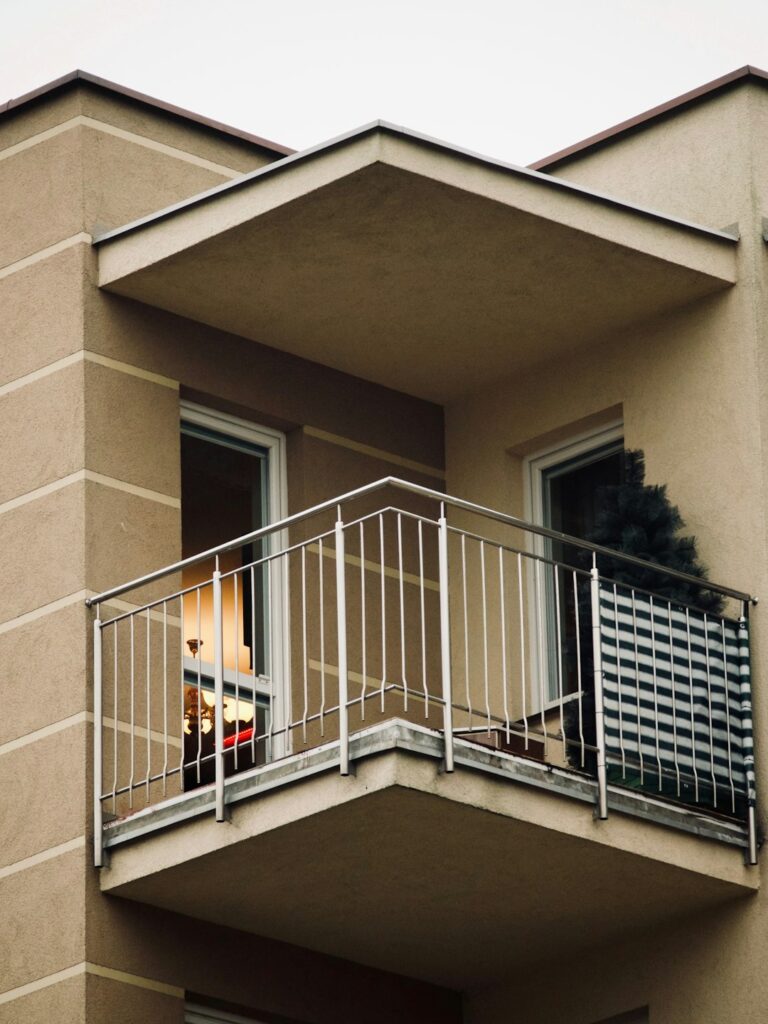 Selling for cash
California’s Balcony Inspection Law: What SB 721 and SB 326 Require Before You Sell
SB 721 and SB 326 require California balcony and deck inspections on rentals and condos, with deadlines already passed. What sellers should check.
Read the guide → Selling for cash
California’s AB 1482 Rent Cap: How the 5% Plus CPI Formula Actually Works
AB 1482's rent cap runs on a 5% plus regional CPI formula, capped at 10%, that resets every August 1. Here's how…
Read the guide → Selling for cash
How to Research Permit History on a Los Angeles Home With LADBS’s PRISM System
LADBS's PRISM system lets you check a home's LA permit history before listing. Here's how the lookup works, what statuses mean, and why lenders care.
Read the guide →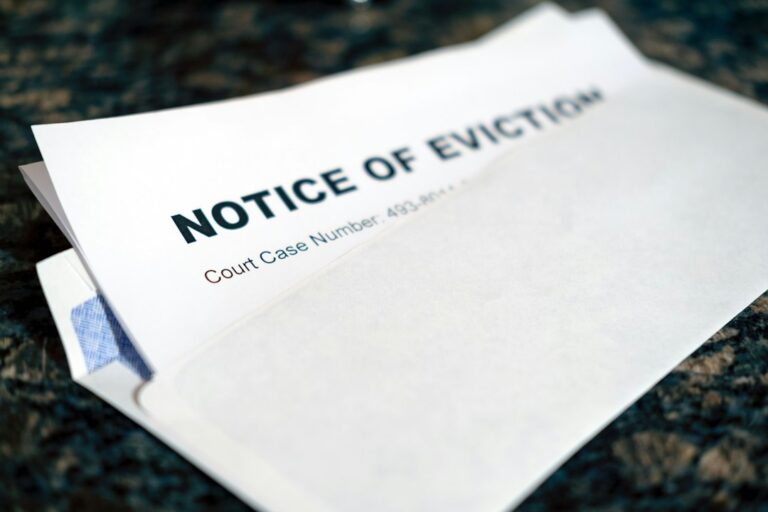 Rentals & tenants
California’s Just Cause Eviction Notice: What Civil Code 1946.2 Requires
Civil Code 1946.2 requires a stated reason to end most tenancies after 12 months, and one month's rent in relocation pay within 15 calendar days.
Read the guide → Selling for cash
Pico Rivera Mobilehome Rent Cap: What the Ordinance Limits
Pico Rivera caps mobilehome space rent increases at 3% or 75% of CPI, whichever is less — and the cap follows the…
Read the guide →