
Sell a Tenant-Occupied House in Los Altos, Long Beach
- Foreclosure, inherited, tenants, damage — we buy it
- Zero fees, zero commissions, zero closing costs
- No obligation — turn the offer down and owe us nothing


Sell With Renters Still in Place
You don’t have to wait for a lease to end or go through an eviction to sell a Los Altos rental. Here’s how a sale with tenants in place actually works.
Owning a rental in Los Altos, close to CSU Long Beach’s student housing demand and the broader eastern Long Beach rental market, can be its own kind of headache when you decide it’s time to sell.
Most traditional buyers want a vacant house, and getting there can mean an eviction process, lost rent, and a delay you may not have. Cash Home Buyers CA regularly buys occupied rental property with tenants still in place.
You Don’t Need Your Tenant to Move Out First
Because we’re not financing the purchase through a lender that requires vacant possession at closing, we can buy the property with a tenant still living there, month-to-month or under an active lease. That removes the pressure to time a sale around a lease expiration or to go through a formal eviction just to make the house marketable to a retail buyer.
California’s Tenant Protections You Should Know
California’s statewide just-cause eviction law, enacted under AB 1482, limits the reasons a landlord can terminate a tenancy once a tenant has lived in a unit for a year or more, and it requires relocation assistance or a rent waiver in many no-fault situations, such as an owner move-in or a decision to take the unit off the rental market.
Selling the property itself does not automatically end a tenant’s lease or terminate their rights — whoever owns the property, including a new buyer, generally has to honor the existing tenancy until it’s properly ended under California law. Understanding these rules matters whether you sell to us or to a traditional buyer.
Selling a Los Altos Rental Near CSU Long Beach
Properties closer to CSU Long Beach often see a different rental pattern than the rest of Los Altos — shorter tenancies, more frequent turnover tied to the academic calendar, and sometimes multiple roommates on a single lease.
That pattern can make timing a vacant sale around a lease end even harder to coordinate, since a new tenant may move in just as you’re trying to plan a listing.
A direct sale removes that timing pressure entirely, letting you sell whenever it makes sense for you rather than waiting for a lease cycle to align.
What Happens to the Lease When the Property Sells
In most cases, a lease survives a change of ownership. The new owner steps into the landlord’s role, collects rent going forward, and is responsible for the security deposit that was collected.
We handle this transition as part of closing, coordinating with you on tenant notification and the transfer of the deposit and any lease documentation, so you’re not left explaining the situation to your tenant after the fact.
Why a Retail Sale Is Harder With Tenants in Place
- Financing complications. Many retail buyers plan to live in the property themselves and can’t close until it’s vacant, which conflicts with a tenant’s existing lease rights.
- Showings are harder to arrange. Marketing an occupied rental means coordinating access with a tenant who has no obligation to make it convenient.
- Investor buyers often lowball. Retail-facing investor buyers know occupied properties draw a smaller pool of competing offers and price accordingly.
What If Your Tenant Has Stopped Paying Rent
A nonpaying tenant is one of the more common reasons Los Altos landlords decide to sell rather than continue managing the property. We can still buy the house while an unlawful detainer or eviction case is in progress, coordinating with you and your attorney on the timing, which spares you from carrying the property and the legal costs any longer than necessary.
Why Landlords Decide to Sell Rather Than Keep Managing
Beyond a difficult tenant situation, plenty of Los Altos landlords simply decide the work of being a landlord isn’t worth it anymore — rising insurance and maintenance costs, the time involved in managing repairs and tenant communication, or an out-of-state owner who no longer wants to manage a property remotely.
A direct sale with the tenant in place lets you exit the rental business on your own timeline without an extended vacancy period between selling and closing.
How Our Process Works for a Rental Property
We evaluate the property based on its condition and the terms of the existing tenancy, and typically respond with a written offer within 24 to 48 hours. Once you accept, we open escrow and coordinate tenant notification as required by California law.
Closing on an occupied property usually runs a bit longer than a vacant one, mostly to document the tenancy properly for the title company. See our full process page for the complete breakdown.
The Honest Trade-Off
A cash offer on an occupied property is typically below what a vacant, market-ready listing might bring, since a retail buyer pool for an owner-occupant is smaller when a tenant is in place.
In exchange, you avoid the cost and time of an eviction process if one would otherwise be needed, avoid lost rent during a vacancy period, and avoid the liability of managing the property through a drawn-out sale.
For many landlords ready to be done managing a rental, that trade-off is worth it.
Frequently Asked Questions
Do I have to evict my tenant before selling to you?
No. We buy occupied properties with a tenant in place, lease or month-to-month.
Will my tenant be forced to move once you buy the house?
Not automatically. Existing tenant rights generally continue after a sale under California law.
What happens to the security deposit?
It transfers to the new owner as part of closing, along with the responsibility to return it under California law.
Can you buy the house if there’s an active eviction case?
Yes, in many cases. We work with you and your attorney to coordinate the timing.
Get a free, no-obligation cash offer from Cash Home Buyers CA today.
Seller Guides
Helpful guides for homeowners in Los Altos Long Beach
Plain-English answers to the questions sellers ask us most.
 Rentals & tenants
Emeryville’s Just Cause Eviction Ordinance: Relocation Pay Under Municipal Code 5-40
Emeryville's Municipal Code 5-40 requires just cause from day one and relocation pay scaled by landlord size, stricter than statewide AB 1482.
Read the guide →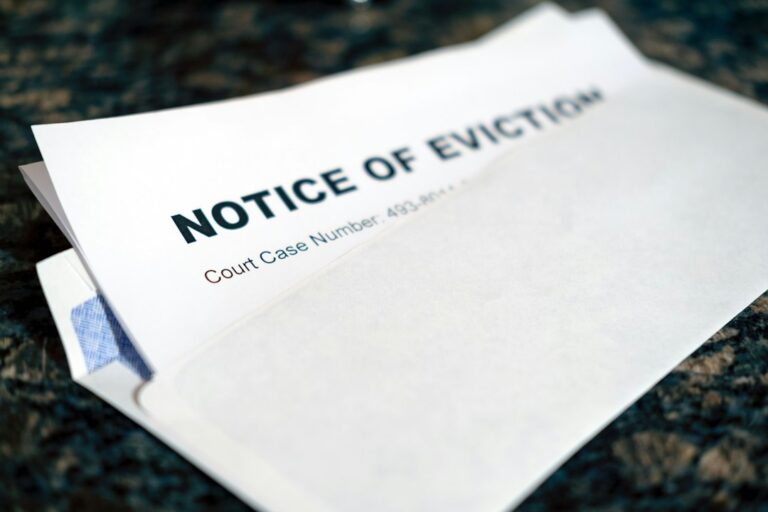 Rentals & tenants
California’s Just Cause Eviction Notice: What Civil Code 1946.2 Requires
Civil Code 1946.2 requires a stated reason to end most tenancies after 12 months, and one month's rent in relocation pay within 15 calendar days.
Read the guide → Rentals & tenants
California Condo Conversion: Tenant’s Right to Buy First
Gov. Code 66427.1 gives tenants a 90-day right to buy first and five required notices before a condo conversion in California. Here's how it works.
Read the guide → Rentals & tenants
Los Angeles SCEP Inspections and Fees: What a Landlord Selling a Rental Needs to Know
LA's SCEP program bills landlords per unit and can trigger REAP or a recorded notice. Here's what a landlord selling a rental needs to clear first.
Read the guide → Rentals & tenants
The 90-Day Notice California Tenants Get After a Foreclosure Sale
A foreclosed rental does not mean an instant eviction. California and federal law require a 90-day notice, and sometimes a full lease, to be honored first.
Read the guide → Rentals & tenants
California’s Owner Move-In Eviction Rules Explained
An owner move-in eviction in California only holds up if a qualifying relative moves in within 90 days and stays a year, per Civil Code 1946.2.
Read the guide → Rentals & tenants
Glendale Tenant Relocation Ordinance: What Sellers Should Know
Glendale's relocation-assistance and notice ordinance sits on top of AB 1482. Here's what sellers must confirm before ending a tenancy.
Read the guide → Rentals & tenants
Burbank Tenant Protection Ordinance: Notice and Relocation Pay Rules
Burbank's tenant protection ordinance sets its own relocation pay schedule and remodel notice rules beyond AB 1482. What sellers need to know.
Read the guide → Rentals & tenants
The July 31 Registration Deadline Culver City Landlords Can’t Miss Before Selling a Rental
Culver City requires annual rental registration by July 31, with penalties that follow into escrow. What the ordinance requires before you sell a rental.
Read the guide →