
Los Angeles County Rent Control Guide for Landlords and Sellers
- Rent-controlled, tenant-occupied, inherited, damaged — we buy it
- Zero fees, zero commissions, zero closing costs
- No obligation — turn the offer down and owe us nothing
Own a Rental in Los Angeles County? Get a Cash Offer
Sell a Los Angeles County rental with tenants in place. Tell us about the property and get a written cash offer, with no repairs and no eviction needed.
Last updated November 13, 2026. Reviewed by the Cash Home Buyers CA team. Figures come from the Los Angeles County Department of Consumer and Business Affairs (DCBA) and the California Attorney General; sources are listed at the end.
Los Angeles County rent control applies in unincorporated areas under the RSTPO. For July 1, 2026 to June 30, 2027, increases for most fully covered units are limited to 1.919%. Properties inside cities follow city rules, and tenants and their protections stay with the unit if you sell.
Los Angeles County rent control at a glance
| Who it covers | Rental units and mobilehome spaces in unincorporated Los Angeles County, the areas outside the county’s 88 incorporated cities |
| Local laws | Rent Stabilization and Tenant Protections Ordinance (RSTPO), Chapter 8.52 of the County Code; Mobilehome Rent Stabilization and Mobilehome Owner Protections Ordinance (MRSMOPO), Chapter 8.57 |
| Current limit, general fully covered units | 1.919% for July 1, 2026 to June 30, 2027 (60% of the CPI change, capped at 3%) |
| Small property landlords | 2.919% for the same period, with an annual self-certification |
| Luxury units | 3.919% for the same period |
| Mobilehome spaces | 3% through June 30, 2027 |
| Eviction rules | Just cause for most rentals in unincorporated areas, including single-family homes and condos unless exempt |
| Enforced by | LA County Department of Consumer and Business Affairs, (800) 593-8222 |
How does rent control work in Los Angeles County?
The county’s rules apply only in unincorporated areas, such as East Los Angeles, Altadena and West Carson. If a property sits inside a city, that city’s rules apply instead, so the first step is to confirm the jurisdiction. DCBA points owners to the Registrar-Recorder’s district map lookup by address, and says the County Rent Registry can also confirm coverage by address or Assessor Parcel Number.
The RSTPO took effect April 1, 2020. It limits annual rent increases for fully covered units and extends eviction protections to a wider group of rentals. The county says increases for fully covered units are limited to 60% of the change in the average CPI over the 12 months ending in September, up to a maximum of 3%.
Which Los Angeles County rentals are covered?
- Fully covered (rent limits and eviction protections): units in unincorporated areas with a certificate of occupancy or equivalent permit issued on or before February 1, 1995, on a property with two or more rental units, plus mobilehomes offered for rent by the mobilehome owner.
- Partially covered (eviction protections only): most other rental units in unincorporated areas, including single-family homes and condos, unless exempt.
- Mobilehome spaces: spaces in unincorporated areas covered by the MRSMOPO, generally in parks constructed on or before January 1, 1990.
Small property landlords qualify for a higher cap if they receive the Homeowners’ Property Tax Exemption on the property, control only one rental property with no more than ten units, or control no more than three rental properties with a combined total of no more than ten units. They must file a self-certification with DCBA each year and say in the rent increase notice that they qualify.
What is the current rent increase limit?
For July 1, 2026 through June 30, 2027, the general limit is 1.919%, the small property landlord limit is 2.919% and the luxury unit limit is 3.919%. A landlord may raise rent only after giving at least 30 days’ written notice, waiting at least 12 months since the last increase (with exceptions), registering each fully covered unit and paying registration fees, and giving the Notice of Tenant Rights.
Estimate only. This uses the 1.919% general limit for fully covered units in unincorporated Los Angeles County from July 1, 2026 to June 30, 2027. Small property landlord and luxury unit limits differ, and units inside a city follow city rules.
A landlord can ask for more than the limit by showing a fair return problem, and can pass through certain costs such as approved improvements, registration fees and the Measure W parcel tax. Most of those need prior approval from the county, and pass-throughs are listed separately and are not rent.
What about cities inside Los Angeles County?
Rent control inside the county depends on the city. The City of Los Angeles follows its Rent Stabilization Ordinance, and cities such as Santa Monica and West Hollywood have their own rules. Read our guides to Los Angeles rent control and Santa Monica rent control.
Where there is no local ordinance, California’s Tenant Protection Act of 2019 (AB 1482) limits annual increases for most covered units to 5% plus the local CPI change or 10%, whichever is lower. DCBA reports the Los Angeles area CPI figure as 3.7%, which makes the state cap 8.7% starting August 1, 2026. State law also requires 30 days’ written notice.
When can a landlord evict in unincorporated Los Angeles County?
Tenants in units covered by the RSTPO can be evicted only for a listed just cause reason.
- At fault: failing to pay rent above the county threshold, a material breach of the rental agreement, creating a nuisance or illegal use, refusing to sign a substantially similar lease, failing to vacate under an approved relocation application, and households over income limits in government-regulated units.
- No fault: a landlord or family member moving in, withdrawing a unit from the rental market, or a government agency or court order. These may require relocation assistance.
- Nonpayment: a landlord may end a tenancy for unpaid rent only when the amount owed exceeds the HUD Fair Market Rent threshold for the unit’s bedroom count. DCBA says the threshold rose to two months of Fair Market Rent on April 16, 2026.
Selling the property is not a listed reason, so a buyer takes the property with the tenants in place. See how we buy houses in Los Angeles County for how a cash sale works with tenants.
How to sell a rental in unincorporated Los Angeles County
- Confirm jurisdiction and coverage. Check the district map and the Rent Registry to see whether the unit is fully covered, partially covered or in a city.
- Get registered. Register each fully covered unit on the Rent Registry and pay the annual registration fee. Unregistered units can block a rent increase.
- Check your last increase. Confirm the notice, the 12-month spacing and any pass-throughs followed the rules.
- Gather the buyer package. Leases, rent roll, rent increase notices, registry confirmations and any relocation paperwork.
- Plan the handoff. Existing tenants stay under their rental agreements and the county’s protections stay with the unit.
Also see the county guides on property taxes, recording and deed transfer and probate and inherited homes.
Selling a Los Angeles County rental? Call (424) 435-2326 or request a cash offer. There is no cost and no obligation.
Los Angeles County rent control FAQ
Does rent control apply everywhere in Los Angeles County?
No. The county’s RSTPO covers unincorporated areas only. Properties inside a city follow that city’s rules, or California’s AB 1482 where the city has none.
What is the rent increase limit in unincorporated Los Angeles County?
For July 1, 2026 to June 30, 2027, fully covered units are limited to 1.919%, qualifying small property landlords to 2.919% and luxury units to 3.919%. Mobilehome spaces are limited to 3%.
How do I know if my property is in unincorporated Los Angeles County?
Use the Registrar-Recorder’s district map lookup by address, or search the County Rent Registry by address or Assessor Parcel Number to check coverage.
Can a landlord evict a tenant to sell the property in unincorporated Los Angeles County?
Selling is not one of the just cause reasons listed in the county’s ordinance. A buyer takes the property with the tenants and their protections in place.
Can I sell a rent-controlled property to a cash buyer?
Yes. Rent control limits rent increases and evictions, not who can buy the property. A cash buyer can purchase with tenants in place.
Sources
- LA County DCBA: Rent Stabilization Program
- LA County DCBA: Annual Allowable Rent Increase bulletin
- LA County DCBA: Understanding Rent Increases in Los Angeles
- California Attorney General: Landlord-Tenant Issues
This guide is general information, not legal advice. Rates, rules and dates change; confirm with LA County DCBA or an attorney before acting.
From the Blog
Latest guides for California home sellers
-

California’s Judicial Foreclosure Redemption Right: The One-Year Window Most Owners Never Hear About
California's rarer judicial foreclosure process comes with a statutory right to redeem the property for up to a year after the sale…
Read the guide → -
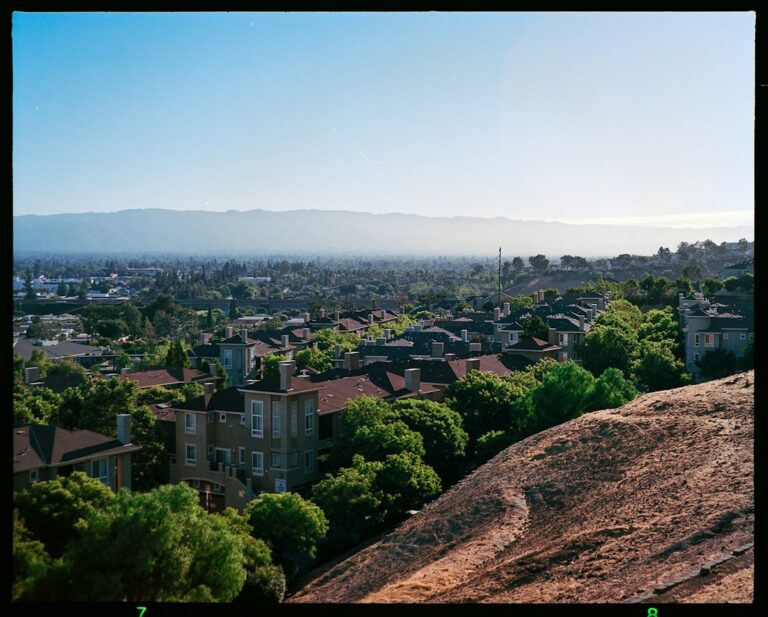
Santa Clara County’s Tax-Defaulted Property Auction: How to Claim the Excess Proceeds
When a Santa Clara County home isn't redeemed within the state's deadline, the county can sell it at public auction — and…
Read the guide → -
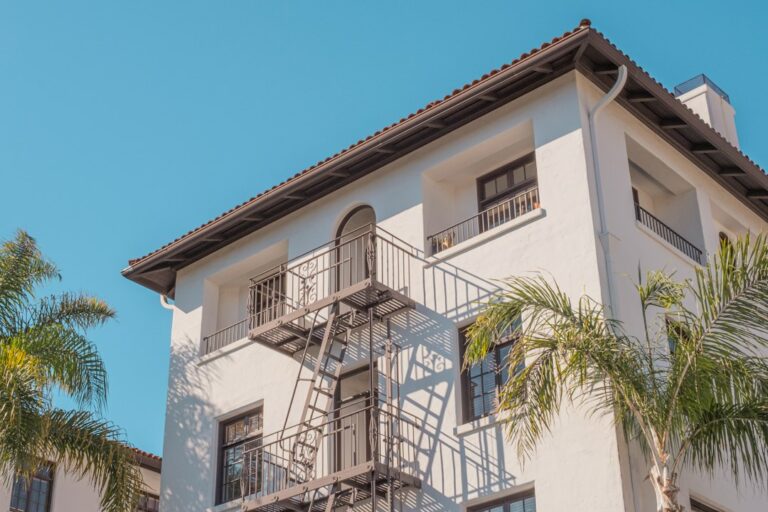
Pomona’s Rent Stabilization Ordinance Just Became Permanent: What Landlords Must Do Before Selling
Pomona's Ordinance No. 4359 became permanent on January 1, 2026, replacing the city's prior urgency ordinances and capping most rent increases at…
Read the guide → -
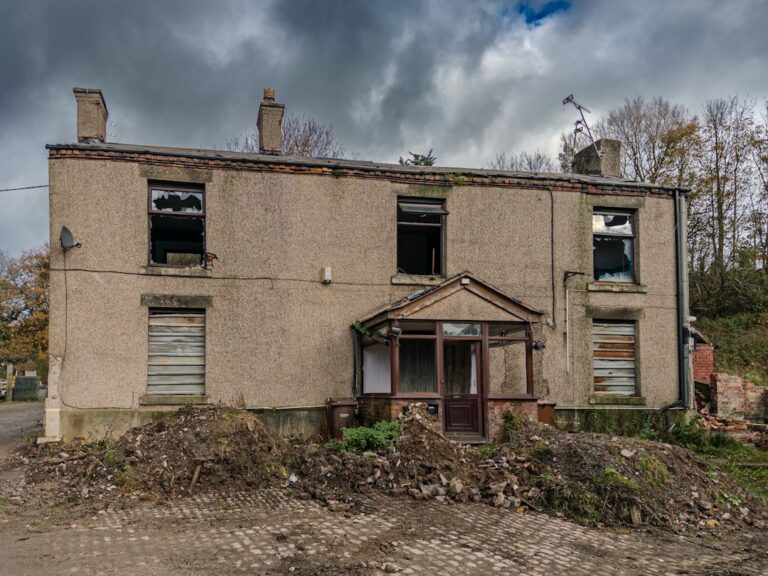
Compton’s Substandard Building Ordinance, Explained
Compton can order a dangerous or substandard house secured, repaired, or demolished under Municipal Code Chapter 14, and if the owner misses…
Read the guide → -

Chico’s RECO Inspection: What Sellers of Older Homes Must Fix Before Closing
Chico requires sellers of homes built before July 1, 1991 to pass a RECO energy and water retrofit inspection — or transfer…
Read the guide → -

Emeryville’s Just Cause Eviction Ordinance: Relocation Pay Under Municipal Code 5-40
Emeryville had its own just-cause eviction and relocation-assistance ordinance years before California’s statewide AB 1482 existed, and the local rule is still…
Read the guide → -

Malibu’s Six-Year Rebuild Deadline After the Palisades Fire: Municipal Code 17.60.020(C)
Malibu homeowners rebuilding after the January 2025 Palisades Fire have a hard deadline most residents outside the city have never heard of:…
Read the guide → -

California’s Security Deposit Cap: How AB 12 Limits What Landlords Can Collect
AB 12 caps most California security deposits at one month's rent, with a narrow exception for small landlords — plus new 2025…
Read the guide → -
California Civil Code §4525: The 11 HOA Documents You Must Hand a Buyer Before Closing
California Civil Code §4525 requires sellers inside an HOA to hand buyers 11 specific documents before closing — a list that just…
Read the guide →