
Sell a House As-Is in Costa Mesa: No Repairs, No Cleanout
- Foreclosure, inherited, tenants, damage — we buy it
- Zero fees, zero commissions, zero closing costs
- No obligation — turn the offer down and owe us nothing


Sell Without Fixing Anything First
Learn exactly what changes — and what doesn’t — when you sell your Costa Mesa house as-is instead of listing it repaired.
If you typed “sell house as-is Costa Mesa” into a search bar, you probably own a property that needs more work than you want to take on. Selling as-is means you are not obligated to make repairs or upgrades before closing, but it does not mean you can skip disclosure.
This page covers the condition issues common in Costa Mesa’s housing, how repair costs compare with as-is pricing, which disclosures still apply, how permits and unpermitted work are handled, and when fixing first actually makes sense.
What “As-Is” Actually Means in California
An as-is sale tells buyers up front that you will not be completing repairs, cosmetic updates or a punch list after inspection. It does not remove your legal obligation to disclose known material defects.
California’s Transfer Disclosure Statement requirements still apply to most residential sales, cash or financed, as-is or not. A direct cash buyer that purchases as-is still wants a straightforward, honest account of the property’s condition; the difference is that condition does not become a renegotiation point.
Sell House As-Is Costa Mesa: Who This Is For
This page is for owners who would rather sell the house exactly as it stands: no contractor bids, no permit catch-up, no cleanout and no staging.
That usually means a property that would need real money and time before a retail buyer’s lender would sign off, a rental worn down by years of tenants, an inherited house nobody wants to manage from a distance, or a home with a known problem the owner does not want to fix.
Typical Condition Issues in Costa Mesa Homes
Costa Mesa incorporated in 1953 and grew fast. The city went from about 12,000 residents in 1950 to roughly 37,500 in 1960 and more than 72,000 by 1970, so a large share of its single-family houses date from that postwar building boom. Homes from that era are now 55 to 70 years old, and certain problems come up again and again.
- Plumbing. Original galvanized supply lines and cast-iron or clay sewer laterals corrode and crack with age. Low water pressure, rust-colored water and slow drains are the usual signs, and a sewer camera inspection often finds root intrusion or breaks.
- Electrical. Older panels, undersized service and ungrounded two-prong outlets are common in mid-century houses. Many buyers and insurers want them upgraded.
- Roofs. A roof that has been patched rather than replaced, or several layers of shingles, is a frequent finding. Flat or low-slope sections over additions are prone to leaks.
- Foundations and slabs. Settling, cracked slabs and uneven floors show up in older tracts. Some are cosmetic; others need an engineer’s evaluation.
- Unpermitted additions. Garage conversions, back units, enclosed patios and room additions are common across the Westside and older tracts. They may not count toward square footage for an appraiser, and some buyers will want them legalized or priced out.
- Lead paint and older materials. Homes built before 1978 may contain lead-based paint, and some older houses have materials such as asbestos-containing flooring or popcorn ceilings that need careful handling during remodeling.
- Wear from tenants. With most Costa Mesa housing renter-occupied, many houses have years of deferred maintenance from turnover: worn floors, damaged cabinets, failing fixtures.
None of these stop a cash sale. They simply become part of the price instead of a to-do list for you.
How Condition Plays Into Costa Mesa Prices
Redfin reports a median Costa Mesa sale price of about $1.57 million for the three months ending August 2026, up 5.2 percent from a year earlier, with homes selling in around 43 days and roughly 30 percent going for more than list price. Those figures are driven by homes in good condition.
On a house needing major work, the buyer pool narrows to investors and builders, and on some Eastside lots the land is worth more than the structure.
That is why an as-is cash offer on a rough Costa Mesa house can land closer to a listing price than many owners expect once repairs and commissions are subtracted from the listing side.
Repair Costs vs. As-Is Pricing
When a buyer prices a house as-is, they are not just subtracting a contractor’s estimate. They are pricing the whole project: the work itself, permits and inspections, the months of taxes, insurance and utilities while it is done, the cost of selling it again, and a cushion for surprises.
Older houses are known for surprises, because opening a wall to replace plumbing often reveals wiring or framing that also needs attention.
For you as the seller, the fair comparison looks like this. On one side, the as-is cash offer, with no repair spending and no commission.
On the other, the price you could get after repairs, minus what the repairs cost, minus the carrying costs while the work is done, minus commissions and the credits a financed buyer’s inspection is likely to produce.
If the second number is only modestly higher, the as-is route usually wins on time and risk. If it is much higher and the work is mostly cosmetic, fixing and listing may be better.
Selling As-Is for Cash vs. Fixing Up and Listing
| Factor | Sell as-is for cash | Repair, then list |
|---|---|---|
| Timeline | Close in as little as 7 to 14 days | Weeks or months of work, then time on market and a 30 to 45 day financed escrow |
| Repairs | None; we price the condition into the offer | You pay for contractors, permits and materials up front |
| Showings | One walkthrough | Staging, photos and repeated showings |
| Commissions | None to you | Agent commissions, often several percent combined |
| Closing costs | Standard escrow and title fees covered on our purchases | Seller typically pays a share of escrow and title fees |
| Certainty of closing | No appraisal or loan contingency | Inspection findings and appraisals can reopen the price |
Disclosures Still Apply When You Sell As-Is
Selling as-is changes who fixes the house, not what you must tell the buyer. In California, most residential sellers still complete the Transfer Disclosure Statement (TDS), and the statute has no exception for as-is sales.
Certain transfers are exempt, such as some court-ordered sales and sales by a trustee or executor administering a trust or estate. Many transactions also use a Seller Property Questionnaire to cover items the TDS does not.
Other disclosures are handled through escrow, including the Natural Hazard Disclosure, which reports whether the property lies in mapped flood, fire or seismic hazard zones. Homes built before 1978 come with the federal lead-based paint disclosure. California also requires sellers to address smoke and carbon monoxide detectors and water heater bracing.
If you know about a leaking roof, a cracked foundation or an unpermitted addition, write it down. An honest disclosure protects you after closing, and it does not reduce our offer, because the offer is already based on the condition we saw at the walkthrough.
What we do not require: repairs, an inspection contingency, a termite clearance, cleaning or removal of belongings. You can leave furniture, tools and anything else you do not want to take.
Permits and Unpermitted Work
Unpermitted work is one of the most common reasons Costa Mesa owners choose an as-is sale. A converted garage that has been rented for years, a back unit added decades ago, or a kitchen remodeled without sign-off can all complicate a financed sale. Appraisers may leave the space out, lenders may balk, and buyers may ask you to legalize it first.
Legalizing is possible but rarely quick. It usually means plans, permit fees, inspections and often upgrades to bring the work up to current code.
For accessory dwelling units, California’s AB 2533, in effect since January 2025, limits a city’s ability to deny a permit for an unpermitted ADU built before 2020 unless it poses a health and safety problem, which can make legalization more realistic for some owners.
It still takes time and money, though, and a buyer purchasing as-is can take that project on after closing.
If you are not sure what was permitted, the City of Costa Mesa’s building records can show permit history for the address. You only need to disclose what you know. Open permits that were never finaled are also worth mentioning; escrow and the buyer can work around them.
Should You Fix It First? A Practical Way to Decide
Some repairs pay for themselves and some do not. Paint, landscaping and a deep clean can help a house that is already close to move-in ready.
Structural work, a full repipe, a new roof or legalizing an unpermitted unit are different: they take permits, contractor scheduling and inspections, and the money goes out long before any buyer shows up.
Permit work on an older house can also uncover other items that need correcting at the same time.
A simple test is to get two numbers side by side. The first is your estimated net from listing after repair costs, carrying costs during the work, commissions and the credits a financed buyer’s inspector is likely to ask for. The second is a written as-is cash offer.
If the gap is small, or if you do not have the cash, the time or the interest to manage contractors, selling as-is is usually the cleaner choice.
If the gap is large and the house only needs cosmetic work, listing may be the better route, and we will tell you so. Our guide to cash home buyers Costa Mesa explains how to compare cash offers on the same terms.
What Our Walkthrough Looks At
During the visit we note the roof, foundation, plumbing, electrical panel, heating and any additions or conversions, and we ask what you know about permits. We do not grade the house or ask you to fix anything.
The goal is to understand the condition well enough that the written offer holds through escrow, without a second round of price talks after an inspection.
We buy directly or bring a vetted cash buyer from our network; either way you get one written offer, one escrow and no fees or commissions to you. To see every step from the first call to closing, read our cash offer for my house Costa Mesa walkthrough.
Getting the Best Price on an As-Is Sale
Selling as-is does not mean accepting whatever number shows up first. A few simple steps help any buyer price the house accurately, which usually means a firmer, fairer offer.
- Share what you already have. Old inspection reports, termite reports, roof or repipe invoices and permit records reduce the guesswork a buyer has to price in.
- Know the big-ticket ages. Roughly when the roof, water heater, furnace and electrical panel were last replaced matters more than the paint color.
- Keep utilities on for the walkthrough. Being able to run water, test lights and check heating avoids worst-case assumptions.
- Skip the small fixes. Patching drywall or replacing a fixture rarely changes an as-is offer. Save your money.
- Compare offers on the same terms. Look at price, deposit, inspection period and closing date together. A higher number with a long inspection window can shrink later.
Selling an Occupied Rental As-Is
Many Costa Mesa houses that need work are rentals, and getting a tenant to move out so you can renovate can take months. An as-is sale lets the buyer take the property with the tenants in place, so the condition and the tenancy are both priced into the offer.
Leases and security deposits transfer at closing, and the walkthrough is scheduled with proper written notice to the tenants. For the tenant side of the process, see sell house with tenants Costa Mesa.
Condos and Townhomes Sold As-Is
As-is applies to the unit itself, but a condo or townhome also comes with the association.
Deferred maintenance inside the unit, an HOA violation notice for unapproved changes, unpaid dues or a pending special assessment can all make a financed sale harder, especially when a lender also reviews the association’s reserves and insurance. A cash buyer is not bound by those lender rules.
Unpaid dues and fees are paid from your proceeds at closing, and violation issues are priced in rather than fixed first. Escrow orders the HOA documents as soon as it opens, since California gives the association up to 10 days to deliver them.
Selling an As-Is House From Out of Town
A lot of Costa Mesa fixer-uppers belong to people who no longer live nearby: heirs in other states, former residents who kept the house as a rental, or owners who moved for work.
Managing a renovation from a distance is hard, which is one of the main reasons these owners sell as-is.
A relative, neighbor or property manager can open the house for the walkthrough, escrow sends documents electronically for review, and a mobile notary meets you wherever you are for the final signatures.
Your proceeds are wired after the deed records, so you never have to fly in or line up contractors.
Common Myths About Selling As-Is
“As-is means no disclosures.” It does not. You still disclose what you know; you just do not have to fix it.
“I have to empty the house first.” Not for our purchases. Take what you want and leave the rest.
“As-is always means a lowball offer.” The offer reflects the repairs and risk the buyer takes on. When you subtract those same costs, plus commissions and carrying costs, from a listing price, the gap is often smaller than it first looks.
“Only distressed owners sell as-is.” Plenty of owners searching “sell house as-is Costa Mesa” are simply busy, live out of the area, or would rather not spend months managing contractors on a house they are leaving.
Costa Mesa Fixer-Uppers We Buy
We buy houses that need repairs in every part of the city.
Common examples include Mesa Verde homes that have not been updated in decades, Westside houses with commercial neighbors and converted garages, Eastside cottages that are essentially teardowns, rentals worn down after years of tenants, fire- or water-damaged homes, and condos with deferred maintenance or HOA disputes.
Code enforcement notices, open permits and hoarding situations are also within what we review. Houses that need work are often inherited; our sell inherited house Costa Mesa guide covers probate and trust sales.
If timing matters as much as condition, see sell my house fast Costa Mesa, and for an overview of everything we buy, visit we buy houses Costa Mesa.
If you want to sell your house as-is in Costa Mesa, call or text (424) 435-2326 for a free written cash offer with no repairs and no obligation.
Frequently Asked Questions
Can I sell a house as-is in Costa Mesa with unpermitted work?
Yes. Unpermitted garage conversions, back units and additions are common in Costa Mesa. You disclose what you know, and the cost of legalizing or removing the work is reflected in the offer rather than something you fix first.
Do I still have to disclose problems if I sell as-is?
Yes. As-is affects repairs and negotiation, not your disclosure obligations. Most California sellers still complete the Transfer Disclosure Statement, and disclosing known issues protects you after closing.
Do I need to clean out the house before selling as-is?
No. You can leave furniture, belongings and debris behind. Take what you want to keep and leave the rest; clearing the property is handled after closing.
Will an inspector still come through the house?
We do one walkthrough to confirm condition, but there is no lender-ordered appraisal or inspection contingency that can reopen price negotiations.
Is it worth fixing my Costa Mesa house before selling?
Cosmetic work on a house that is otherwise in good shape can pay off if you list. Major work such as a repipe, roof, foundation repair or legalizing a unit often costs more in money and time than it adds. Compare a listing net after repairs with a written as-is offer before deciding.
What if the house has serious damage or code issues?
That is exactly the kind of property an as-is cash sale is built for. You are not required to fix anything before closing, and code notices or open permits are priced into the offer.
Can I sell as-is if the house has fire or water damage?
Yes. Fire, water, mold and storm damage are priced into the offer. If an insurance claim is open, let us know so escrow can account for any proceeds or lender requirements at closing.
Does my house need a termite clearance to sell as-is?
Not for our purchases. A termite clearance is often negotiated in financed sales, but we buy without requiring one. If you have a past termite report, share it so the offer reflects what is known.
Does an as-is sale still go through a title company?
Yes. Escrow is handled by a neutral Orange County title and escrow company just as it would be in any traditional sale.
Get a free, no-obligation cash offer from Cash Home Buyers CA today.
Seller Guides
Helpful guides for homeowners in Costa Mesa
Plain-English answers to the questions sellers ask us most.
 Inherited homes & probate
What Probate Actually Looks Like for an Inherited House in Fresno County
Probate for an inherited Fresno County house runs through one courthouse, but the timeline depends on how title was held. What to expect, step by step.
Read the guide →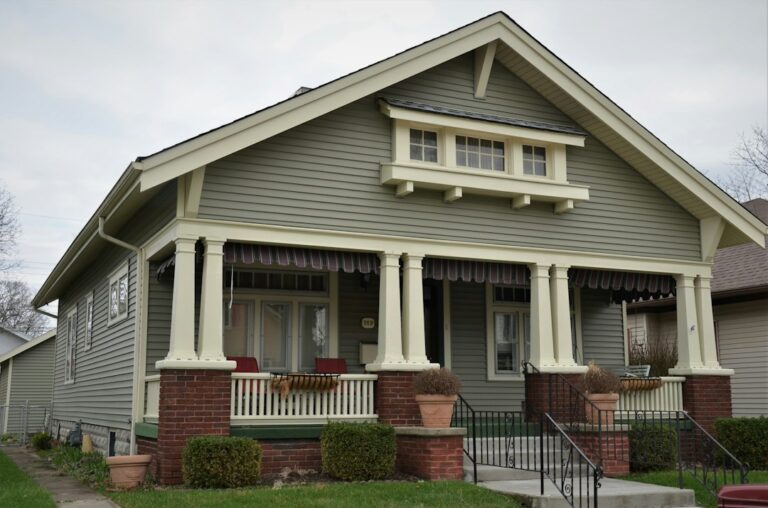 Selling as-is
Why Santa Ana’s Older Housing Stock Adds an Extra Disclosure to an As-Is Sale
An as-is sale in Santa Ana still needs a full TDS, and pre-1978 homes need a federal lead-paint disclosure too. Here is what the law actually requires.
Read the guide → Selling as-is
Selling a House With Code Violations in California
You can sell a California house with code violations without fixing them first, but disclosure is required and unpaid abatement costs can be a lien.
Read the guide → Selling as-is
California’s Natural Hazard Disclosure Statement: What Sellers Must Provide
California sellers must disclose six hazard zones on a Natural Hazard Disclosure Statement. As-is and cash sales are not exempt from this requirement.
Read the guide → Selling as-is
Selling a House on the California FAIR Plan: What Changes at Escrow
Selling a California home insured through the FAIR Plan? How it affects buyers, lender insurance rules, DIC policies, pricing and your closing timeline.
Read the guide → Selling as-is
Do You Still Have to Disclose Selling As-Is in CA?
Selling as-is in California doesn't waive your disclosure duty. See exactly which sales are TDS-exempt and which still require full disclosure.
Read the guide → Selling as-is
Adverse Possession in California: Why These Claims Are So Rare
California adverse possession requires 5 years of possession plus paying the property taxes the whole time. Here's why that requirement kills most claims.
Read the guide → Selling as-is
What a Quitclaim Deed Does in California — and the Four Things It Does Not
A California quitclaim deed carries no warranties, does not remove you from the mortgage and does not clear liens. Transfer tax, PCOR and reassessment explained.
Read the guide → Selling as-is
What Is a Quiet Title Action in California, and Do You Need One to Sell?
What a California quiet title action requires under CCP 760.010-765.060, why there is no default judgment, and the cheaper ways to clear a cloud on title.
Read the guide →