
Four Objections California Sellers Raise About As-Is Cash Offers
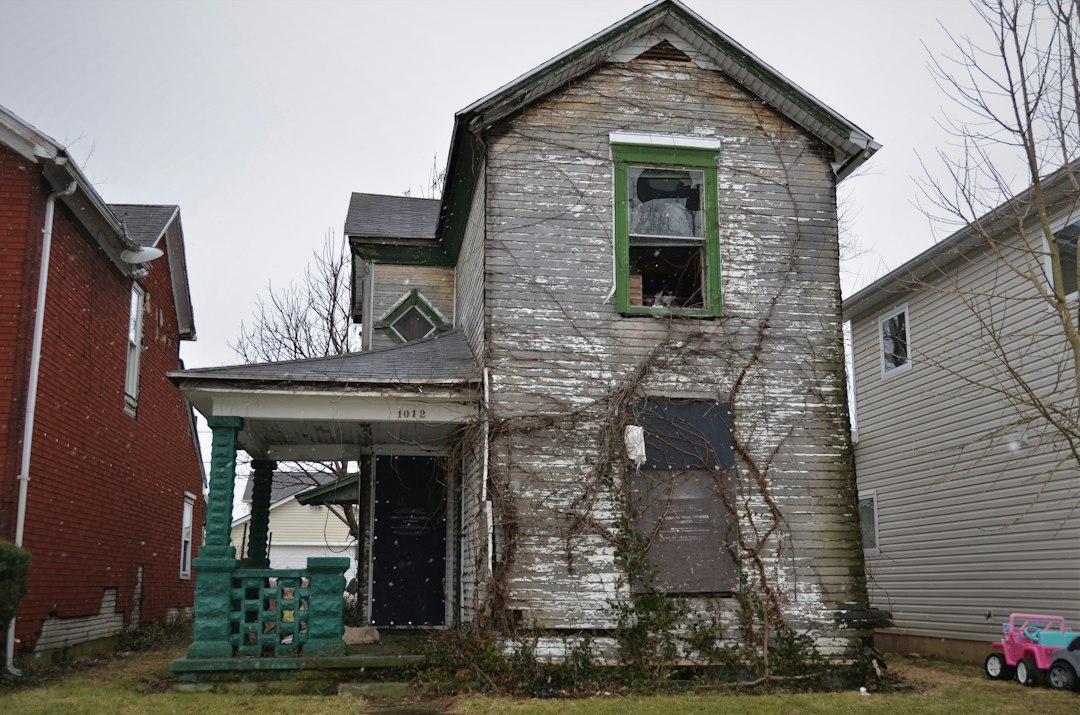
Most sellers who hesitate on an as-is sale are working off one wrong assumption: that “as-is” means they can skip disclosures, or that it automatically means a lowball. Neither is true. As-is changes who pays for repairs.
It does not change what you have to tell the buyer, and a legitimate as-is offer is priced off the same comps and repair math as any other cash offer.
Homes in wildfire-risk areas carry one more wrinkle: if the property is insured through the California FAIR Plan, that can affect whether a financed buyer’s lender will approve the loan at all.
In older, already-annexed communities like Tropico, permit history is the more common surprise — here’s what to check before disclosing. Covina’s Old Town-era housing raises a similar question — here’s what as-is terms actually protect a seller from there, and what they don’t.
Winnetka’s own housing stock, much of it built before 1978, raises the same question with an added federal wrinkle — see why as-is doesn’t simplify disclosure for a Winnetka, CA seller.
“As-Is Means I Don’t Have to Disclose Anything”
This is the most common and most costly misunderstanding. California Civil Code sections 1102 through 1102.17 require a Transfer Disclosure Statement (TDS) on most residential sales regardless of condition, and an as-is sale doesn’t waive it.
In San Diego specifically, sellers sometimes also assume a city-level point-of-sale inspection applies the way it does in Los Angeles — it doesn’t, though the county’s updated fire hazard maps bring their own disclosure wrinkle, covered in our guide to San Diego disclosures and fire zone maps. “As-is” tells the buyer you won’t be making repairs before closing — it says nothing about your legal duty to disclose known material defects: foundation issues, roof leaks, past water damage, unpermitted work, or anything else that could affect value or safety.
Sellers who treat “as-is” as a disclosure shield are the ones who end up facing a lawsuit after closing, not the ones who avoid one. We’ve broken down exactly which sales are exempt from the TDS and which still require it in more detail.
“I’ll Get Lowballed Because the Buyer Knows I Have to Sell”
A legitimate as-is cash offer isn’t priced off your urgency — it’s priced off after-repair value, recent comparable sales, and an itemized repair estimate, the same formula used for any investment property. Urgency affects whether you accept a fair offer quickly, not what a fair offer actually is.
If a buyer won’t show you the comps or the repair breakdown behind their number, that’s the sign of a bad-faith offer — not evidence that as-is sales are inherently unfair.
“Cash Buyers Just Want to Flip It for a Quick Profit”
Often true, and not actually a problem for the seller. The buyer’s plan for the house after closing doesn’t change what you receive at closing. What matters is whether the price reflects a genuine as-is valuation and whether the buyer can actually close — not what they intend to do with the property afterward.
“I Don’t Trust a Company I Found Online”
A reasonable instinct, and one worth acting on rather than dismissing. Ask for proof of funds, check the company’s business registration and track record, and confirm the transaction will run through an independent title or escrow company rather than a private closing the buyer controls. A legitimate buyer will not hesitate on any of these.
When an As-Is Cash Offer Isn’t the Right Call
If the needed repairs are cosmetic rather than structural, and you have the time and cash to make them, a light rehab before listing traditionally will usually net more than an as-is cash sale — the as-is discount exists to compensate a buyer for risk and repair costs you’d otherwise absorb yourself.
As-is selling makes the most sense when the issues are serious, unknown in scope, or you genuinely don’t have the time or capital to address them.
For a related situation, see our guide on selling a fire-damaged house in California, and for statewide numbers, our report on California as-is home sales. If you have a property with real as-is issues, Cash Home Buyers CA will walk you through the comps and repair estimate behind any offer we make.
Want to see what other California sellers say about working with us? Find Cash Home Buyers CA on Google for reviews, or call us at (424) 435-2326.