
Sell a House As-Is in Garden Grove
- Foreclosure, inherited, tenants, damage — we buy it
- Zero fees, zero commissions, zero closing costs
- No obligation — turn the offer down and owe us nothing


Sell Exactly As It Sits
No repairs, no staging, no cleanup. See what selling as-is actually means for a Garden Grove property, and what it doesn’t change.
Much of Garden Grove’s single-family housing stock was built during the postwar tract-home boom, and many of those houses have had only one or two owners since.
That often means original electrical panels, galvanized or cast-iron plumbing, older roofing, and other deferred maintenance that a retail buyer’s lender will flag during an appraisal or inspection. Selling “as-is” to Cash Home Buyers CA means none of that has to be fixed first.
What “As-Is” Actually Means
An as-is sale means the buyer agrees to purchase the property in its current physical condition, with no repair requests and no repair credits negotiated after inspection. It does not mean you skip legal disclosure obligations.
California law still requires a seller to complete a Transfer Disclosure Statement and a Natural Hazard Disclosure Statement describing known material defects and hazard-zone status, and those still apply to a cash, as-is sale.
The difference is that a cash buyer isn’t using those disclosures as leverage to renegotiate price the way a financed buyer’s lender-driven inspection process often does.
Why Retail Buyers Struggle With As-Is Garden Grove Homes
A buyer using a mortgage needs the home to meet the lender’s appraisal and, often, minimum property condition standards. A roof past its expected life, an outdated electrical panel, or foundation issues common in older Garden Grove tract homes can hold up or kill that financing entirely.
Even when the loan does go through, a general inspection almost always surfaces something, and the repair-credit negotiation that follows can add one to two weeks to escrow, or collapse the deal if the seller and buyer can’t agree on a number.
What Selling As-Is to a Cash Buyer Looks Like
- No repairs before or during escrow. Whatever condition the property is in today is what we buy.
- No staging or showings to coordinate. We evaluate the property once, in person or with photos, and make an offer.
- No appraisal contingency. Because there’s no lender, there’s no appraisal that can come in low and reopen negotiations.
- Disclosures still handled correctly. We walk you through what still needs to be disclosed so the sale is done properly.
As-Is Doesn’t Mean Any Price
We calculate offers using the property’s actual condition and recent comparable sales specific to your part of Garden Grove — values can differ meaningfully between the denser blocks near Little Saigon and quieter streets closer to Historic Main Street or the city’s edges with Stanton and Anaheim. The goal is a transparent, defensible number, not a lowball starting point.
Who This Fits
An as-is cash sale tends to make the most sense for homeowners who don’t want to spend money or time on repairs before selling, heirs who inherited a property in unknown condition, landlords exiting a rental with deferred maintenance, or anyone who simply wants a clean, predictable exit without the uncertainty a financed buyer’s inspection process can introduce.
Sell My House As Is in Garden Grove, California Without a Repair List
When you sell a house as-is in Garden Grove, the goal is simple: hand over the keys without paying for repairs, cleanouts or permit work first. That makes sense for a lot of houses here.
The city’s original 1950s and 1960s tracts are now 60 to 70 years old, and many have had one family in them for decades.
By the time they sell, the roof, the sewer line, the electrical panel and the windows may all be original, and the house may carry additions that were never permitted.
A financed buyer will usually order an inspection, and the report on a house like that can run dozens of pages. What follows is a request for repairs or credits, and sometimes a lender condition that has to be met before the loan funds. A cash buyer skips that cycle by pricing the condition upfront.
Repairs Garden Grove Buyers Usually Ask For (and What We Skip)
On a financed sale of an older Garden Grove tract house, the repair requests tend to repeat. The buyer’s inspector runs a camera down the sewer lateral and finds roots or cracked clay pipe. The termite company writes up Section 1 items that the lender wants cleared.
The electrical inspector flags an original or undersized panel, and the roofer says the roof has a year or two left. Each one turns into a credit request or a repair the seller has to book before closing. On a sale to us, none of that comes back to you. These are the issues we price in and leave alone:
- Unpermitted additions. Garage conversions, enclosed patios, second kitchens and back units are common in Garden Grove and are priced into the offer rather than removed first.
- Old systems. Original wiring, older electrical panels, galvanized or cast-iron plumbing and aging sewer laterals.
- Roof and structure. Worn roofs, water damage, termite damage and settled foundations.
- Full houses. Furniture, belongings and years of storage left behind. You take what you want and leave the rest.
- Code issues. Open code enforcement cases, or work a neighbor has complained about, can be handled through the sale.
Where the Market Stands
According to Redfin’s August 2026 data, the median Garden Grove home sold for about $1.05 million after a median of 33 days on market, with about 46 percent of sales closing above list price. Those numbers are driven largely by updated, move-in ready homes.
A house that needs major work sells in a different market: buyers either need renovation financing or cash, and they price in the work, the time and the risk. Comparing a realistic as-is price with the cost of fixing the house first is the honest way to decide.
Fix It First or Sell As-Is?
| Factor | Sell as-is for cash | Repair, then list |
|---|---|---|
| Timeline | Often 7 to 14 days after you accept | Repair time, then market time plus a 30 to 45 day escrow |
| Repairs | None required | You pay contractors and pull any permits |
| Showings | One walkthrough | Staging, open houses and showings |
| Commissions | None charged to you | Often around 5 to 6 percent combined |
| Closing costs | Standard costs covered as agreed | Typically shared per the contract |
| Certainty of closing | No loan or appraisal contingency | Inspection and appraisal can still reopen terms |
Repairs can pay off on a house that needs only paint, flooring and a cleanup. They are much harder to justify when the work involves a roof, a sewer line, foundation work or permitting an addition, because costs and delays tend to grow once walls are opened.
Selling As-Is by Owner vs. to a Cash Buyer
You can sell a Garden Grove house as-is on your own and save the listing commission. It works best when the house is livable and you have time. You still write the price, schedule showings, collect offers, fill out the disclosures and choose an escrow company.
Most buyers who answer a for-sale-by-owner listing still need a loan, so the appraisal, the inspection and the lender’s condition rules still apply, and an unpermitted garage conversion or a failed sewer lateral can sink the deal in week three.
A cash buyer removes the lender from the picture. You get one walkthrough, a written price and a closing date. You will usually net less than a perfect retail sale, but you skip the repairs, the credits and the risk of starting over.
If you go the owner route, ask every buyer for a preapproval letter or proof of funds before you open escrow. Either way, compare the net, not the headline price: the likely sale price minus commission, repair credits and months of carrying costs, set against the cash number.
What As-Is Does Not Change: Your Disclosures
Selling as-is changes who fixes the house, not what the seller has to tell the buyer. In most California home sales, sellers still complete a Transfer Disclosure Statement and usually a Seller Property Questionnaire, plus the Natural Hazard Disclosure.
If you know about unpermitted work, a leak, a past fire or a problem with the sewer line, it goes on the forms.
If you inherited the house and never lived there, you disclose what you actually know, and you may qualify for certain exemptions from the full statement; a real estate attorney can confirm what applies.
Honest disclosures protect you after closing, and they do not scare off a buyer who is already pricing the house as-is.
How an As-Is Price Is Built
An as-is offer is not a guess.
It starts with what similar homes nearby have sold for after they were fixed up, then subtracts the realistic cost of the work this particular house needs, the time it takes to do that work, and the costs of holding and reselling the property.
On a Garden Grove tract house, the biggest variables are usually the roof, the sewer line, the electrical panel and whether an addition can be permitted or has to come out.
We explain those numbers when we send the offer, so you can check them against a contractor’s estimate or an agent’s opinion if you want to.
If the gap between an as-is price and a repaired price is small on your house, we will tell you that listing may be the better route.
Selling As-Is in Three Steps
1. Tell us about the house. Call or text 424-435-2326. You do not need to clean up or make it presentable.
2. One walkthrough, then a written offer. We see the house once and send a written cash offer, usually within 24 to 48 hours, with proof of funds. We can buy your house directly or bring in a vetted cash buyer from our network; either way you get one written offer, one escrow, and no fees or commissions to you.
3. Close through escrow on your date. An Orange County escrow company handles payoffs and recording. Anything you leave behind stays with the house.
Garden Grove Details Worth Knowing
Garden Grove does not require a city inspection or retrofit certificate before a sale, and it has no city transfer tax; the Orange County transfer tax of $1.10 per $1,000 applies. The city is flat and fully developed, which keeps the natural hazard report fairly simple for most addresses.
If your house is also a rental, our guide to selling a Garden Grove house with tenants covers how leases carry over. For a straight comparison of timing, see sell my house fast in Garden Grove.
If you would rather sell your house as-is than manage a repair project, call or text 424-435-2326 for a free written offer.
Frequently Asked Questions
Can I sell a house as-is in Garden Grove with unpermitted work?
Yes. You disclose the work you know about, and we price the house as it stands. You do not need to permit or remove the addition before closing.
Do I need a city inspection to sell as-is in Garden Grove?
No. Garden Grove does not require a point-of-sale inspection or retrofit certificate. Standard state disclosures still apply.
Will you ask for repair credits after the walkthrough?
No. The walkthrough is how we set the price, so the condition is already reflected in the written offer instead of being renegotiated later.
Do I still have to disclose known problems with the house?
Yes. California disclosure requirements still apply in an as-is sale; what changes is that we don’t use the inspection to renegotiate price.
What if the house needs major work, like foundation or roof repair?
That’s fine. We buy homes with significant deferred maintenance and factor the needed work into the offer.
How do I sell my house for cash in Garden Grove, California without an inspection?
Ask for a written cash offer, and we see the house once. There is no home inspection, appraisal or repair list, and you can leave furniture and belongings behind.
Will the offer be lower because it’s as-is?
An as-is cash offer reflects the property’s current condition, but it also comes without agent commissions, repair costs, or months of carrying costs, which often narrows the real-world gap.
Get a free, no-obligation cash offer from Cash Home Buyers CA today.
Seller Guides
Helpful guides for homeowners in Garden Grove
Plain-English answers to the questions sellers ask us most.
 Selling for cash
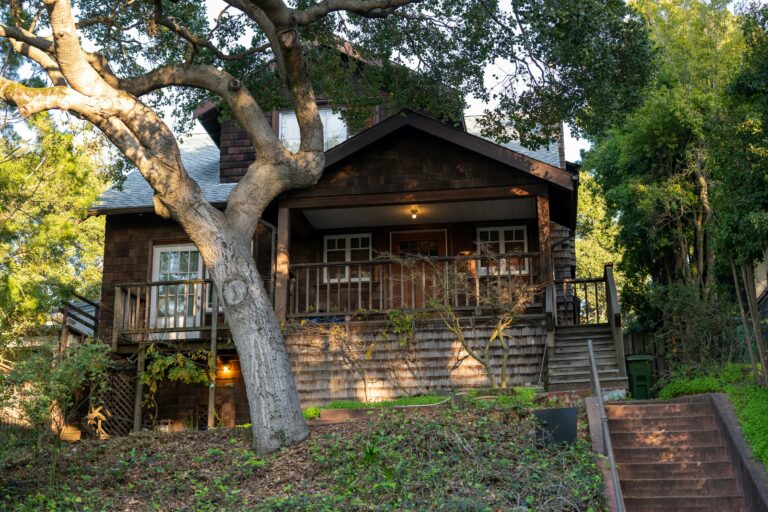
Berkeley’s 1.5% to 2.5% Transfer Tax, and What Changes When Measure W Takes Effect in 2027
Berkeley charges its own 1.5% to 2.5% transfer tax on top of Alameda County's -- and the rate structure is about to…
Read the guide →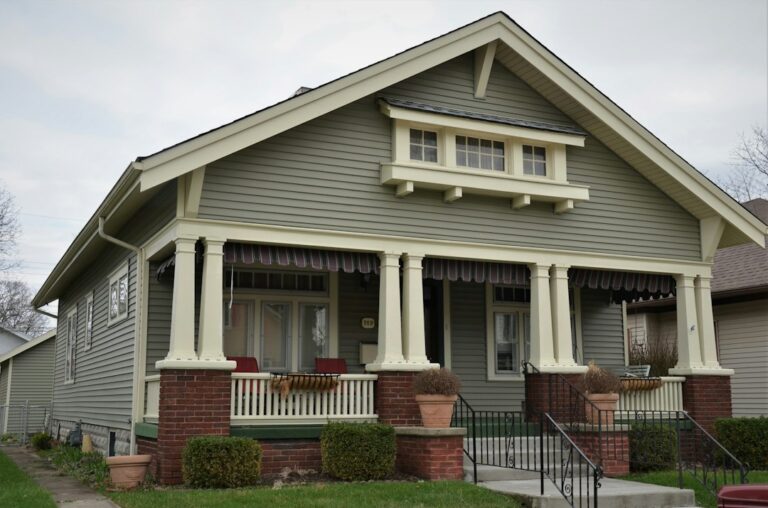 Selling as-is
Why Santa Ana’s Older Housing Stock Adds an Extra Disclosure to an As-Is Sale
An as-is sale in Santa Ana still needs a full TDS, and pre-1978 homes need a federal lead-paint disclosure too. Here is what the law actually requires.
Read the guide →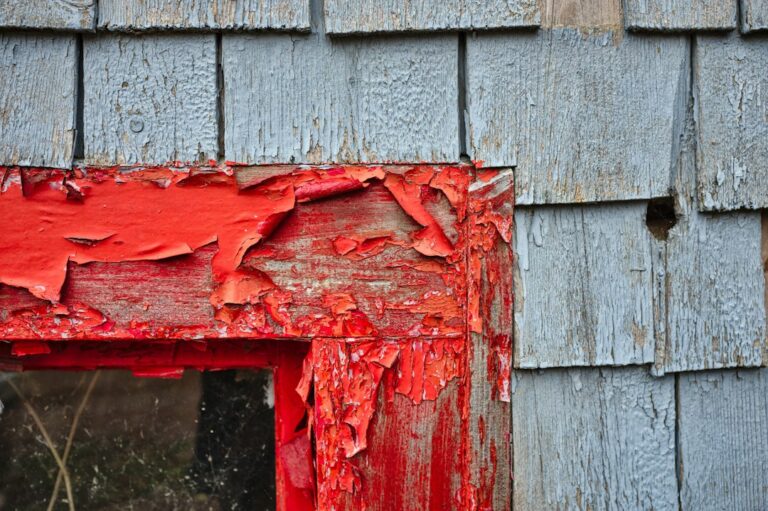 Selling as-is
Selling a House With Code Violations in California
Selling a house with code violations in California? Get a written cash offer in 24 hours, no repairs, no fees, and close in 7-14 days or on your date.
Read the guide → Selling as-is
California’s Natural Hazard Disclosure Statement: What Sellers Must Provide
California sellers must disclose six hazard zones on a Natural Hazard Disclosure Statement. As-is and cash sales are not exempt from this requirement.
Read the guide → Selling as-is
Selling a House on the California FAIR Plan: What Changes at Escrow
Selling a California home insured through the FAIR Plan? How it affects buyers, lender insurance rules, DIC policies, pricing and your closing timeline.
Read the guide → Selling as-is
Do You Still Have to Disclose Selling As-Is in CA?
Selling as-is in California doesn't waive your disclosure duty. See exactly which sales are TDS-exempt and which still require full disclosure.
Read the guide → Selling as-is
Adverse Possession in California: Why These Claims Are So Rare
California adverse possession requires 5 years of possession plus paying the property taxes the whole time. Here's why that requirement kills most claims.
Read the guide → Selling as-is
What a Quitclaim Deed Does in California — and the Four Things It Does Not
A California quitclaim deed carries no warranties, does not remove you from the mortgage and does not clear liens. Transfer tax, PCOR and reassessment explained.
Read the guide → Selling as-is
What Is a Quiet Title Action in California, and Do You Need One to Sell?
What a California quiet title action requires under CCP 760.010-765.060, why there is no default judgment, and the cheaper ways to clear a cloud on title.
Read the guide →