
Sell a House As-Is in Lancaster, CA: No Repairs, Honest Disclosures
- Foreclosure, inherited, tenants, damage — we buy it
- Zero fees, zero commissions, zero closing costs
- No obligation — turn the offer down and owe us nothing


Skip the Repairs, Not the Disclosures
What selling “as-is” actually changes about a California sale, and the disclosure obligations that don’t go away.
If you want to sell house as-is Lancaster style — no repairs, no cleanup, no contractor bids — it helps to know what “as-is” really changes. It shifts who is responsible for repairs, but it does not remove a California seller’s legal disclosure duties.
Cash Home Buyers CA buys Lancaster houses as-is, in their current condition, whatever that condition happens to be. We buy directly or bring a vetted cash buyer, and when you sell to us, we pay the standard closing costs, including the county and city transfer taxes, escrow and title.
This page covers the condition issues we see most in Lancaster’s housing stock, how repair costs compare with an as-is price, the disclosures you still owe a buyer, and how permits and unpermitted work fit in. If you are more worried about the clock than the condition, our guide to sell my house fast Lancaster covers timing.
What “As-Is” Means Under California Law
Selling as-is means the buyer agrees to purchase the property in its current condition, without asking the seller to make repairs or offer credits for issues found during inspection.
It does not exempt most sellers from California Civil Code Section 1102’s Transfer Disclosure Statement (TDS) requirement, which obligates you to disclose known material facts about the property’s condition regardless of the sale terms.
Certain transfers, such as some trustee, probate, and REO sales, are exempt from the TDS, but a typical owner-to-buyer as-is sale generally is not.
Can You Sell a House As Is in Lancaster?
Yes. You can sell a house as is in Lancaster to any buyer who agrees to it, whether through a listing or a direct sale. The practical question is who will buy it. Many retail buyers use FHA or VA loans, and those lenders have minimum property standards.
A house with a failing roof, a broken heating system, exposed wiring or a septic problem may not qualify for that financing until it is repaired. A cash buyer does not have a lender setting those conditions, which is why cash buyers handle most true as-is sales.
Natural Hazard Disclosures That Matter in the Antelope Valley
- Earthquake fault zones. The San Andreas Fault runs along the southern edge of the Antelope Valley, and California’s Alquist-Priolo Act requires disclosure if a property sits within a mapped earthquake fault zone. A Natural Hazard Disclosure (NHD) report will confirm whether your specific parcel is affected.
- Fire hazard severity zones. Some outlying high-desert parcels around Lancaster fall within state-mapped fire hazard severity zones, which also require disclosure.
- Flood zones. Even in the high desert, properties near washes or flood-control channels can fall within a FEMA-mapped flood zone, which the NHD report will also identify.
You do not have to research these yourself. The NHD report is ordered through escrow from a company that checks your parcel against the official maps, and you sign it along with your other disclosures.
Lancaster’s Housing Stock and the Issues We See Most
Lancaster incorporated in 1977 and its population roughly doubled during the 1980s, from about 48,000 in 1980 to about 97,000 in 1990. That means a large share of the city’s houses were built in a few busy decades, and many are now reaching the age when major systems wear out at once.
Around downtown and The BLVD you find older single-story houses; on the west side, tract homes from the 1980s onward; on the east side and rural edges, a mix of tracts, manufactured homes on land and larger parcels. The condition problems follow that pattern.
- HVAC and evaporative coolers sized for an earlier era, now straining against hot desert summers and cold winter nights.
- Roofs worn down by years of strong sun and wind, including tile roofs with failed underlayment and older composition roofs past their lifespan.
- Plumbing such as aging water heaters, older supply lines and slab leaks in houses from the boom years.
- Septic systems and private wells on rural parcels that never connected to city sewer or a water system.
- Unpermitted additions or garage conversions, common in older Antelope Valley tracts, which can complicate financed sales.
- Stucco, slab and foundation cracks, which range from cosmetic to structural and need a professional to tell apart.
- Leased solar systems and PACE assessments that a lender or the next buyer must deal with.
- Tenant wear and deferred maintenance on former rentals, which make up a large share of the city’s homes.
How Heat, Wind and Dust Wear Down a Lancaster House
Lancaster sits at about 2,359 feet on the floor of the high desert, and the climate is hard on buildings in ways coastal owners rarely see. Long, hot summers bake roofs, dry out seals and push cooling systems to their limits.
Strong winds strip shingles, crack older windows and drive fine dust into attics, ducts and swamp coolers. Cold winter nights mean heating systems get real use too.
Over a few decades, these stresses add up: a house can look fine from the street and still need a roof, a new HVAC system and window work at the same time.
Those are exactly the items a buyer’s inspector focuses on, and they are expensive to fix before a sale. In an as-is sale they become part of the price instead of a bill you pay up front.
How We Price the Most Common Problems
We do not use a flat discount for “needs work.” Each issue is priced on its own, based on what it would cost to fix and how it affects resale. A few examples of how that works:
- Roof. We look at age, material and visible damage. A tile roof often needs new underlayment rather than new tiles; an old composition roof usually needs full replacement.
- HVAC and coolers. We price replacement for systems at the end of their life and note whether ducts need work.
- Septic and wells. We ask what you know about the last pumping or service, and we price inspection and possible repairs on our side, not yours.
- Unpermitted space. We price the cost of permitting, correcting or removing it, and value the house both with and without the space.
- Solar. If the panels are leased or financed, we account for the transfer or payoff, and we review the contract during escrow.
- Cosmetics. Paint, flooring, fixtures and landscaping are priced at what it would cost to bring the house in line with nearby sales.
We list the major items with the offer so you can see where the number comes from and check it against your own bids.
Repair Costs vs. an As-Is Price
The real decision is not whether your house needs work. It is whether spending money and time on that work before you sell will leave you with more than an as-is sale.
Repairs pay back when they bring the house up to what buyers in that neighborhood expect, and when you can manage the contractors, permits and timeline.
They often do not pay back when the list is long, the work needs permits, or you are paying a mortgage, taxes and utilities on a house you no longer live in.
An as-is offer works the other way around. We estimate what the house would sell for after updating, subtract the cost of the work, the time it takes and the cost of reselling, and offer the remainder.
You skip the repairs entirely, and you do not take on the risk of a project running over budget.
To compare fairly, get one or two contractor bids for the big items and set them against the difference between our price and a realistic listing price, after commission and closing costs.
Permits and Unpermitted Work in an As Is Home Sale
Unpermitted work is one of the most common reasons Lancaster owners choose an as is home sale. A garage turned into a bedroom, an enclosed patio, a converted shed or an added bathroom can all affect value and financing. A lender’s appraiser may give no value to unpermitted square footage, and the buyer’s lender may require the work to be permitted or removed before closing.
You do not have to legalize anything to sell to us. You do need to disclose what you know, such as “the garage was converted by a prior owner and I do not know if it was permitted.” We price the work as it is, including what it would cost to permit, correct or remove it, and buy the house with it in place.
Why As-Is Selling Makes Sense for These Issues
A retail buyer using FHA or VA financing typically can’t close on a property with an unpermitted addition, a failing septic system, or major deferred maintenance without those items being fixed first, since lenders enforce minimum property standards.
A cash buyer isn’t working within those constraints, so the property can sell in its current condition without you spending money on repairs first.
That is also why selling a house as is through a regular listing often ends up attracting investors rather than owner-occupants, at investor prices, but with commission and a longer timeline added on.
Disclosures Still Required When Selling a House As Is
Selling a house as is changes the repair conversation, not the paperwork. In a typical Lancaster sale you will still complete:
- The Transfer Disclosure Statement (TDS), where you describe the condition of the house, its systems and any known defects, repairs or additions.
- The Natural Hazard Disclosure (NHD), the parcel report covering mapped flood, fire and earthquake hazard zones.
- A seller questionnaire or supplemental statement, if the purchase agreement calls for one, with more detailed questions about things like leaks, pests, neighborhood noise and past insurance claims.
- Lead-based paint disclosure for homes built before 1978, which applies to many of the older houses near downtown.
- Smoke and carbon monoxide detector and water heater bracing statements, which California requires on most residential sales.
- Known deaths on the property within the past three years, which California sellers must disclose with limited exceptions.
The rule of thumb is simple: disclose what you know, say when you are unsure, and do not guess. You are not required to inspect, test or open walls to find problems you do not know about. Disclosing honestly protects you; an as-is clause does not protect a seller who hides a known defect.
How to Sell Your House As Is in Lancaster, Step by Step
If you are wondering how to sell your house as is without a long project first, the path with us looks like this:
- Call or text (424) 435-2326 or use the form at the top of the page. Tell us what you know about the condition, even the bad parts.
- One walkthrough. We see the house as it is. No cleaning, staging or repairs. If there is a well, septic system or solar lease, we ask for whatever paperwork you have.
- A written offer within 24 hours of the visit, with the price, closing date and terms, and an explanation of the repair items we priced.
- Escrow with a neutral title and escrow company. You complete the disclosures; escrow handles payoffs, liens and solar paperwork.
- Close in about 7 to 14 days, or on a later date you choose. Leave behind anything you do not want; we deal with it after closing.
For the full detail on each step, including documents and closing day, see our guide to a cash offer for my house Lancaster.
What You Can Leave Behind
An as-is sale to us includes the stuff, too. Old furniture, a garage full of boxes, broken appliances, vehicles that do not run, and the debris of a half-finished project can all stay. For families clearing out a parent’s home, this often matters as much as the repairs.
If there are personal items or papers you want to keep, take those first; we handle the rest after closing. Our page on how to sell inherited house Lancaster covers estate and trust sales in more depth.
Selling As-Is With Liens, Code Cases or a Mortgage
Condition is not the only thing that comes with a house. Many as-is sales also involve a mortgage, a second loan, unpaid property taxes, a mechanic’s lien from an unfinished project, or an open code enforcement case with the city. None of these prevent a sale.
Escrow identifies loans and liens on the preliminary title report and pays them from the sale at closing, and anything left after payoffs goes to you.
If you have received a code enforcement notice from the City of Lancaster, such as for an unpermitted structure, junk on the property or a vacant-house problem, tell us about it during the first call. We can usually buy the house with the issue still open and take over resolving it after closing, which saves you from paying for corrections on a house you are about to sell.
When Listing As-Is Might Be Better
Not every as-is house is a cash-sale house. If the only issues are cosmetic, like worn carpet, dated paint and an old kitchen, and the roof, HVAC and plumbing are sound, a listing may bring a higher net even after commission, because financed buyers can still purchase it.
Sellers who ask “can you sell a house as is and still get full price?” usually have this kind of house in mind. If that describes yours, compare a listing estimate from a local agent against our written offer.
If the house has the bigger problems described above, a cash sale usually comes out ahead once repair credits, appraisal problems and carrying costs are counted.
Why Location Inside Lancaster Changes an As-Is Price
Two houses with the same problems can get different offers depending on where they sit. A dated three-bedroom in a west side tract has close comparable sales and a clear value once updated, so the repair math is straightforward.
A house on a large east side parcel with a well, septic tank and outbuildings has fewer true comparables, a smaller pool of financed buyers and more unknowns, and the price reflects that. Older houses near downtown fall somewhere in between, depending on the block and the lot.
When owners ask us to help them sell house as-is Lancaster wide, from the 93534 ZIP near downtown to 93535 on the east side and 93536 on the west, we use comparables from the same part of town and the same kind of lot. If you think we missed a better comparable, tell us; we will look at it.
Sell House As-Is Lancaster: Frequently Asked Questions
Do I still need to fill out a disclosure form if I’m selling as-is?
In most owner-to-buyer sales, yes. As-is affects who handles repairs, not your duty to disclose known material facts.
What if I’m not sure whether something is a defect?
Disclose what you know. You’re generally required to disclose known issues, not to investigate or guess at ones you’re unaware of. If you are unsure, say so on the form.
Does as-is mean I can leave out known problems?
No. As-is describes the repair arrangement, not an exemption from disclosing what you know about the property.
Will you still buy a house with an unpermitted addition?
Yes. We buy homes with unpermitted work, deferred maintenance, or septic and well systems, and price those issues into the offer at the start.
Is selling your home as is in Lancaster worth it if it only needs cosmetic work?
Sometimes not. Selling your home as is makes the most sense when the repairs are large, need permits, or would block a buyer’s loan. For light cosmetic work, compare a listing estimate with our offer before deciding.
Who pays closing costs on an as-is sale to you?
When you sell to us, we pay the standard closing costs, including the county and city transfer taxes, escrow and title. There is no commission and no repair credit.
Can I sell as-is if the house has tenants or squatters?
We can buy a house with a tenant in place; the lease continues after the sale. For more, see our guide to sell house with tenants Lancaster. For people living there without permission, tell us up front so we can plan the timeline.
Will you lower the price after the walkthrough?
The walkthrough comes before the written offer, so the price in the agreement already reflects what we saw. If something major turns up later that neither of us knew about, we discuss it openly rather than springing a new number at closing.
Do I need to clean out the house before closing?
No. Take what you want to keep and leave the rest. We handle the cleanout after the sale closes.
Get an As-Is Offer on Your Lancaster House
Call or text (424) 435-2326 or fill out the form at the top of this page. We will see the house as it is, send a written offer, and show you how we priced the repairs. There is no obligation to accept, and if a listing looks like the better choice for your house, we will tell you.
Get a free, no-obligation cash offer from Cash Home Buyers CA today.
Seller Guides
Helpful guides for homeowners in Lancaster
Plain-English answers to the questions sellers ask us most.
 Inherited homes & probate
What Probate Actually Looks Like for an Inherited House in Fresno County
Probate for an inherited Fresno County house runs through one courthouse, but the timeline depends on how title was held. What to expect, step by step.
Read the guide → Selling as-is
What Rancho Palos Verdes’ Landslide Zones Mean for a Natural Hazard Disclosure
Rancho Palos Verdes sellers must check a landslide-zone box on the state Natural Hazard Disclosure Statement, separate from the earthquake fault question.
Read the guide → Selling as-is
Highland Park HPOZ Disclosure Rules Explained
Highland Park's historic overlay (HPOZ) governs renovations, but California's TDS and NHD disclosure rules still apply in full, even on an as-is sale.
Read the guide → Selling as-is
As-Is Disclosure Rules for an Older Pasadena, CA Home
Selling as-is in Pasadena doesn't skip California's disclosure law. See what Civil Code requires for the city's century-old Craftsman homes.
Read the guide → Selling as-is
The Anaverde HOA Disclosure Packet an As-Is Sale Still Requires
The Anaverde HOA disclosure packet under Civil Code 4525, plus the TDS and NHD duties an as-is sale in Anaverde, CA never removes, and why it adds time.
Read the guide → Selling as-is
Beverly Hills, CA As-Is Sales: What You Still Disclose
Selling as-is in Beverly Hills, CA doesn't waive disclosure law. See what sellers must still tell buyers under California's TDS and NHD rules.
Read the guide →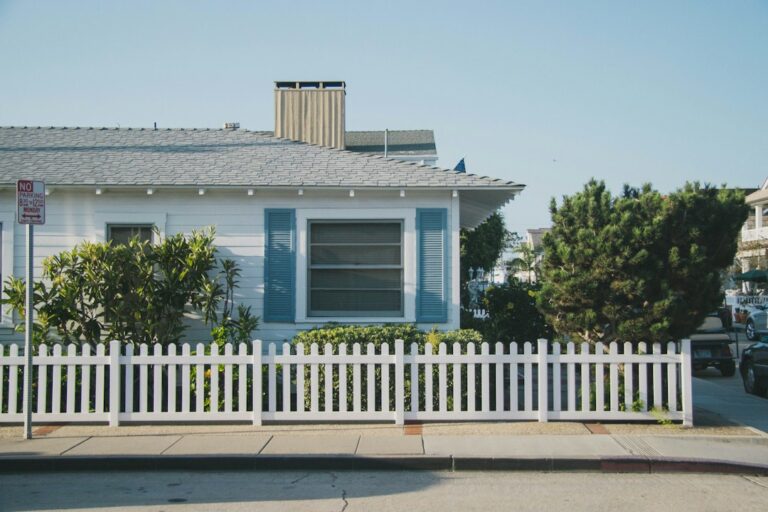 Selling as-is
Why “As-Is” Doesn’t Simplify Disclosure for a Winnetka, CA Seller
Civil Code 1102 still requires full disclosure on an as-is Winnetka sale -- here's what the TDS, NHD, and lead-paint rules actually require.
Read the guide →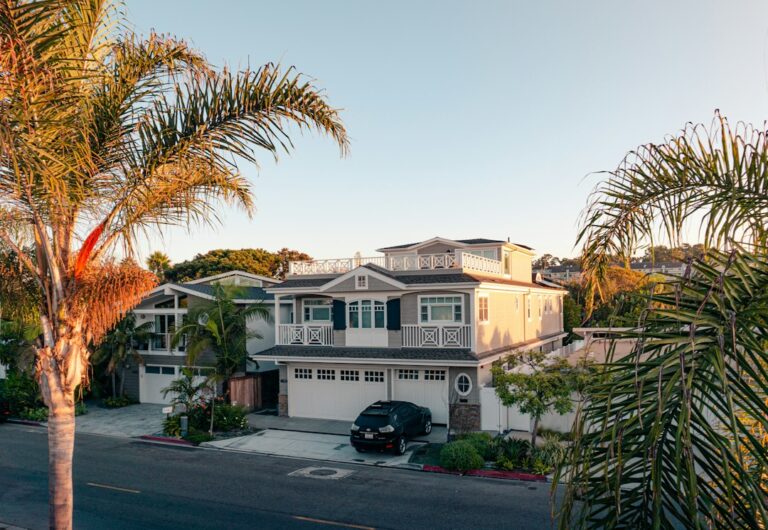 Selling as-is
What California’s As-Is Disclosure Law Still Requires in Gardena
Selling as-is in Gardena does not skip California disclosure law. See what sellers must still disclose, plus local zoning and jurisdiction quirks.
Read the guide →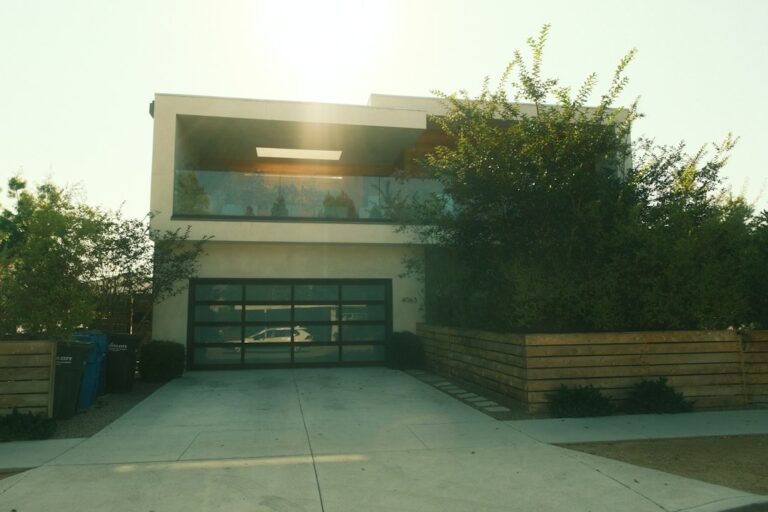 Selling as-is
Why Culver City’s As-Is Disclosure Rules Aren’t Los Angeles’s
As-is doesn't skip California disclosure law. Learn why Culver City permit and code records come from its own city hall, not LA, before you sell as-is.
Read the guide →