
Sell Your House During Divorce in Hollywood Riviera, CA
- Foreclosure, inherited, tenants, damage — we buy it
- Zero fees, zero commissions, zero closing costs
- No obligation — turn the offer down and owe us nothing


Fast, Fair, and Reliable Offers
One written cash offer both spouses can review, a neutral escrow company, and proceeds divided exactly as your settlement or court order says.
How to Sell Your House During a Divorce in Hollywood Riviera
Deciding to sell your house during a divorce in Hollywood Riviera is rarely just about the property. It touches where each of you will live next, how quickly the case can wrap up, and how to avoid one more argument over repairs, showings and price cuts.
A straightforward sale with one written offer, one neutral escrow company and a date both spouses agree on can take a lot of friction out of the process. This page explains how California community property rules affect a sale and how a cash offer can fit into a settlement.
Many couples in this neighborhood own homes with substantial value. The streets around Riviera Village trace back to Clifford Reid’s 1920s plan inspired by the French Riviera, and they hold a blend of early Spanish and Mediterranean-style houses, postwar homes and remodels with ocean or hillside views.
Because Hollywood Riviera straddles Redondo Beach and Torrance, even the city on the deed can be a detail worth confirming before anyone signs, since that is where the permit history for the house is kept.
What the Numbers Look Like Right Now
Redfin’s August 2026 data for Riviera, which covers the Torrance side of the neighborhood, shows a median sale price of about $1.87 million over the prior three months, roughly 1.3% above the prior year, with a median of about 39 days on market and around 30 homes sold.
On the Redondo Beach side, the hub cites Movoto’s September 2026 median list price of about $1.59 million. These figures give both spouses a shared reference point, though your own house’s value depends on its condition, permits and location.
Divorce Sale Options Compared
| Topic | Cash sale | Listing with an agent |
|---|---|---|
| Timeline | Written offer usually within 24 hours; clear-title closings can often happen in about two to three weeks, or on an agreed date | Prep and marketing, then financed buyers usually need 30-45 days to close |
| Repairs | None; no need to agree on a repair budget | Spouses must agree on and fund repairs and credits |
| Showings | One walkthrough | Many showings, which can be hard if one spouse still lives there |
| Commissions | No fees or commissions | Agent commissions often total around 5-6% combined |
| Closing costs | Written into the agreement both spouses sign | Customary seller costs plus the county transfer tax |
| Certainty | No financing contingency | Buyer’s loan or appraisal can reopen negotiations between spouses |
Community Property and the Family Home
California is a community property state. Generally, property acquired during the marriage belongs equally to both spouses, while property owned before marriage or received as a gift or inheritance may be separate.
In practice, a family home often has both community and separate elements, for example when one spouse owned it before the marriage but mortgage payments were made with marital income.
How the house is characterized, and how any sale proceeds are split, is decided by your settlement agreement or a court order, not by the buyer or escrow.
Who needs to sign
Everyone on title needs to sign the sale documents. If both spouses are on the deed, both sign. Even if only one spouse is on title, the other may have a community interest, and title companies often require both signatures or a court order. A family-law attorney can confirm what your situation requires.
How the money is divided
Escrow pays off the mortgage and any liens, then distributes the remaining proceeds according to written instructions signed by both spouses or according to a court order. In many cases proceeds are held in escrow or in a blocked account until the court or the settlement directs how they are split.
Timing around the case
Some couples sell before filing, some during the case, and some after judgment. Each approach has trade-offs for taxes, support and housing. Your family-law attorney and a CPA can help you choose. Once filed, automatic restraining orders generally limit transferring property without written consent or a court order, which is another reason to sell only with both signatures and legal guidance.
How We Handle a Divorce Sale
We can buy your house directly or bring in a vetted cash buyer from our network; either way you get one written offer, proof of funds, a neutral escrow company, a clear closing date, and no fees or commissions.
- Either spouse can reach out. Call or text 424-435-2326 or use the form. We are glad to communicate with both spouses, or with each spouse’s attorney, in whatever way works best.
- One walkthrough and a written offer. We visit once, at a time that works for whoever lives there, and send one written cash offer, usually within 24 hours, that both sides can review.
- Neutral escrow closes the sale. Each spouse can sign separately, even on different days or with a mobile notary in another city or state. Escrow follows the signed instructions or court order to distribute proceeds.
Sell Your House During Divorce in Hollywood Riviera: Practical Steps
- Get legal guidance first. A family-law attorney can explain your rights and whether a sale needs court approval.
- Agree on communication. Decide whether offers go to both spouses directly, through attorneys, or through a mediator.
- Keep paying the mortgage. Missed payments hurt both spouses’ credit and reduce equity. If payments are slipping, raise it with your attorney quickly.
- Gather documents. Mortgage statements, the deed, HOA information if any, and records of improvements help with pricing and taxes.
- Plan move-out dates. A cash sale can set a closing date that fits custody schedules or lease start dates for each spouse.
- Talk to a CPA. The home sale exclusion, basis and timing can affect each spouse’s taxes differently.
California Sale Requirements That Still Apply
- Sellers generally provide the Transfer Disclosure Statement and Natural Hazard Disclosure, even in a cash sale.
- The Los Angeles County documentary transfer tax of $1.10 per $1,000 applies, with no Los Angeles city tax, as the hub notes for both sides of the neighborhood.
- California may require withholding of 3 1/3 percent of the sales price unless an exemption applies, such as many principal-residence sales. Escrow handles Form 593 with each seller.
- Parcels closest to the ocean may fall in the California Coastal Zone, which is disclosed and matters mostly for future exterior work.
Keeping the Sale Calm for Everyone
A home sale during a separation can easily become another place for tension to show up. A few choices help keep it businesslike. Put every offer and every decision in writing, so neither spouse has to rely on memory of a phone call.
Let a neutral escrow officer handle the money rather than either spouse. Schedule the walkthrough when the spouse living in the house is comfortable, and consider having the other spouse or an attorney review the offer separately rather than meeting in person.
If children live in the home, a closing date after the end of a school term or around a planned custody schedule can make the move easier on them.
We are happy to work at whatever pace the two of you set, and to send updates to both spouses at the same time so nobody feels left out of the loop.
If the House Needs Work
Divorce often arrives on top of deferred maintenance. A roof both spouses meant to replace, a bathroom remodel that stalled, or a garage conversion that never got final sign-off can turn a listing into a long negotiation about who pays for what.
Selling to a cash buyer in the current condition removes that debate: nobody has to front repair money or manage contractors, and the condition is simply reflected in one written price that both spouses can evaluate with their attorneys.
Homes We Buy From Divorcing Couples
- Houses where one spouse has moved out and the other is still living there
- Older homes near Riviera Village that need updates neither spouse wants to fund
- Properties with an unpermitted addition or garage conversion
- Homes with a second mortgage or equity line to pay off at closing
- Rentals owned jointly, sold with the tenant in place
If time pressure is the main concern, our page on how to sell your house fast in Hollywood Riviera explains a typical closing calendar.
When One Spouse Wants to Keep the House
A buyout is often the first idea: one spouse keeps the home and pays the other their share of the equity. That can work when the keeping spouse can refinance the mortgage into their name alone and afford the payments.
At current price levels in the neighborhood, refinancing on a single income is not always possible. If a buyout falls through, a sale keeps both spouses moving forward.
Getting a written cash offer early gives you a concrete number to compare with a buyout figure or an agent’s listing estimate, so decisions are based on real numbers rather than guesses.
Frequently Asked Questions
Can I sell my house during divorce in Hollywood Riviera before the case is final?
Often, yes, if both spouses agree in writing or the court orders the sale. Automatic restraining orders generally limit transfers without consent or a court order, so a family-law attorney should confirm the right approach.
Do both spouses have to sign?
Everyone on title must sign, and a title company may require both spouses to sign even if only one is on the deed. Each spouse can sign separately, including with a mobile notary arranged by escrow.
How are the sale proceeds divided?
Escrow pays the loan and liens, then follows signed instructions from both spouses or a court order. Proceeds are sometimes held until the settlement is final.
What if we disagree on the price?
A written offer gives both of you the same number to consider. Many couples compare it with an agent’s estimate or an appraisal, often with help from their attorneys or a mediator.
Can one spouse stay in the house until closing?
Yes. We schedule one walkthrough around whoever lives there, and the closing date can be set to fit move-out plans.
Will we owe capital gains tax on the sale?
Many married couples can exclude a significant amount of gain on a principal residence, but divorce timing affects eligibility. A CPA can review each spouse’s situation.
Are there fees or commissions?
No. There are no fees or commissions on a direct sale, and the settlement statement shows every figure before either spouse signs.
Can our attorneys review the offer before we sign?
Yes, and we encourage it. The written offer and purchase agreement can go to both attorneys, and nothing is final until both spouses sign.
When you are both ready to look at a number, call or text 424-435-2326 or use the form above. We will send one written cash offer for your Hollywood Riviera house, with no fees or commissions.
Seller Guides
Helpful guides for homeowners in Hollywood Riviera
Plain-English answers to the questions sellers ask us most.
 Relocating
Fontana’s Warehouse Boom: What It Means If You’re Relocating
Fontana grew from a wartime steel town into an Inland Empire logistics hub. See what that shift means for home values and selling if you are relocating.
Read the guide → Inherited homes & probate
Partition Actions Between Heirs: How California Law Forces a House Sale
California heirs can force a house sale through a partition action under CCP 872-874, with court referees, confirmation hearings, and buyout rights.
Read the guide →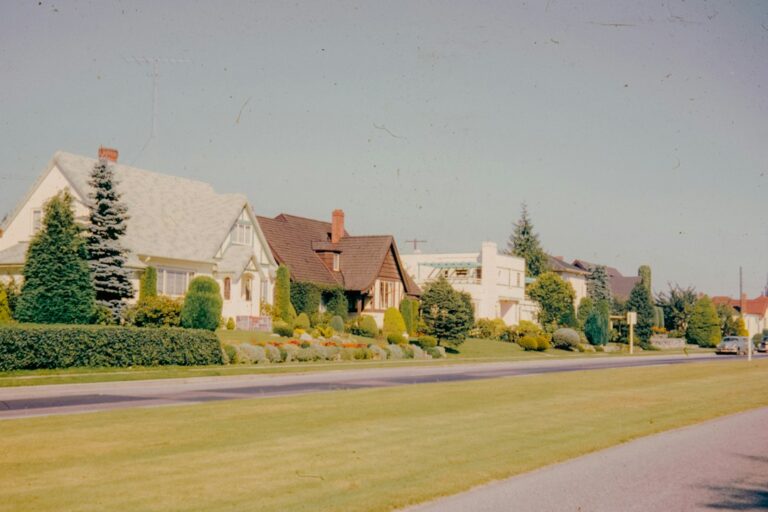 Divorce
Divorcing in North Long Beach? Who Gets the House, and What Taxes Follow
Divorcing in North Long Beach, CA? Learn how buyouts, Duke orders, Watts/Epstein credits, and capital gains tax rules affect splitting your house.
Read the guide → Divorce
Why a West Covina Divorce Sale Doesn’t Always Trigger a Tax Reassessment
A West Covina divorce buyout usually keeps the home's Prop 13 tax basis, but selling to a cash buyer does not. See how that affects your decision.
Read the guide → Divorce
Who Gets Credit for the Down Payment on an Agua Dulce Ranch in a Divorce
Learn how California Family Code Section 2640 reimburses a separate-property down payment on an Agua Dulce horse property when a marriage ends in divorce.
Read the guide → Divorce
Dividing a House in an Avalon, CA Catalina Divorce
Dividing an Avalon, CA home in divorce? See how California community property law, rental license limits, and island appraisals affect your split.
Read the guide → Divorce
Separate Property Reimbursement in a Monrovia Divorce
How Family Code 2640 and the Moore/Marsden formula decide what a spouse gets back before a Monrovia, CA home sells or one spouse buys the other out.
Read the guide → Divorce
How Community Property Division Works for a Whittier Home Sale
See how California law splits community versus separate property for a Whittier house sale during divorce, and what each spouse can claim back.
Read the guide → Divorce
How Community Property Division Plays Out for a Duarte, CA Home
How California's community property law divides a Duarte home in divorce, including Family Code 2640 reimbursement, Watts charges, and Epstein credits.
Read the guide →