
Sell a House During Divorce in Palos Verdes Estates, CA
- Foreclosure, inherited, tenants, damage — we buy it
- Zero fees, zero commissions, zero closing costs
- No obligation — turn the offer down and owe us nothing


A Clean, Fast Way to Divide a Shared Asset
Selling the family home can simplify a divorce settlement instead of drawing it out. Here’s how a cash sale fits into the process.
A home is often the largest shared asset in a California divorce, and on the Palos Verdes Peninsula that asset can represent a substantial share of the marital estate. Cash Home Buyers CA works with Palos Verdes Estates couples who’ve agreed that selling, rather than one spouse buying out the other, is the simplest path forward.
Community Property Basics
California is a community property state, which generally means property acquired during the marriage is owned equally by both spouses regardless of whose name is on title, and is typically divided equally in a divorce absent an agreement or court order stating otherwise.
A home purchased before the marriage, or with separate funds, can raise more complex tracing questions, which is why most divorcing couples selling a shared home work with a family law attorney to confirm how sale proceeds should be allocated before or as part of closing.
Automatic Temporary Restraining Orders (ATROs)
Once a California divorce petition is filed, Automatic Temporary Restraining Orders (ATROs) go into effect for both spouses, generally restricting either party from transferring, encumbering, or disposing of property outside the normal course of business without the other spouse’s written consent or a court order.
In practice, this usually means both spouses need to agree to sell the home, or obtain court authorization, before a transaction can close — something any buyer’s escrow and title company will confirm as part of the closing process.
Why a Cash Sale Can Simplify Things
A direct sale removes several sources of friction in an already difficult situation: no lengthy listing process both spouses have to coordinate showings around, no negotiation over repairs neither spouse wants to fund, and a faster closing that lets both parties access their share of the proceeds sooner. We work directly with both spouses and their attorneys to make sure the transaction and any required consents are handled correctly.
What We Need From Both Spouses
Because both spouses typically hold an interest in the property, we generally need both parties (or their attorneys, where applicable) to agree to terms and sign closing documents, consistent with any ATRO or court order in place. If a settlement agreement or court order already addresses how proceeds should be split, escrow can disburse funds accordingly at closing.
Frequently Asked Questions
Do both spouses need to agree to sell?
In most cases, yes, given ATROs and California’s community property rules. We’re glad to work with both parties and their attorneys to coordinate this.
Can we sell before the divorce is finalized?
Often, yes, particularly if both spouses agree and any required consents or court approvals are obtained. Your family law attorney can confirm what’s needed in your case.
How is the sale price split between spouses?
That depends on your settlement agreement or a court order; escrow disburses proceeds according to whatever division has been agreed to or ordered.
Do we need to fix up the house before selling during a divorce?
No. We buy as-is, which avoids a repair negotiation that neither spouse may want to fund during an already difficult time.
Get a free, no-obligation cash offer from Cash Home Buyers CA today.
Seller Guides
Helpful guides for homeowners in Palos Verdes Estates
Plain-English answers to the questions sellers ask us most.
 Inherited homes & probate
What Probate Actually Looks Like for an Inherited House in Fresno County
Probate for an inherited Fresno County house runs through one courthouse, but the timeline depends on how title was held. What to expect, step by step.
Read the guide → Inherited homes & probate
Partition Actions Between Heirs: How California Law Forces a House Sale
California heirs can force a house sale through a partition action under CCP 872-874, with court referees, confirmation hearings, and buyout rights.
Read the guide →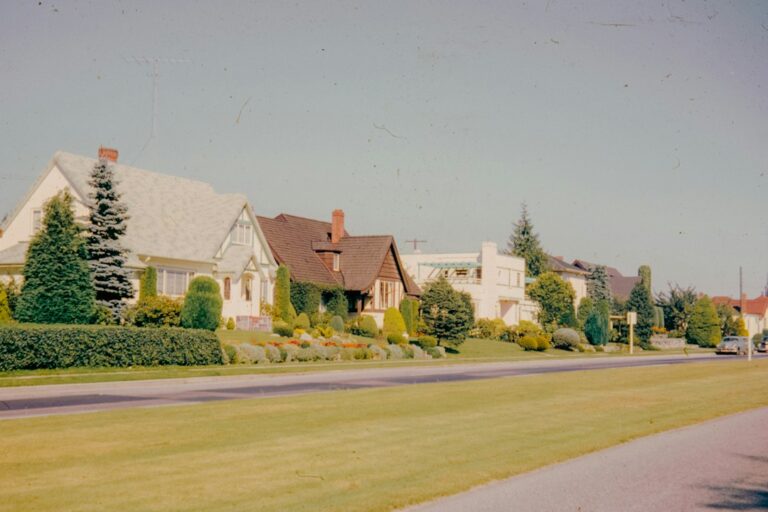 Divorce
Divorcing in North Long Beach? Who Gets the House, and What Taxes Follow
Divorcing in North Long Beach, CA? Learn how buyouts, Duke orders, Watts/Epstein credits, and capital gains tax rules affect splitting your house.
Read the guide → Divorce
Why a West Covina Divorce Sale Doesn’t Always Trigger a Tax Reassessment
A West Covina divorce buyout usually keeps the home's Prop 13 tax basis, but selling to a cash buyer does not. See how that affects your decision.
Read the guide →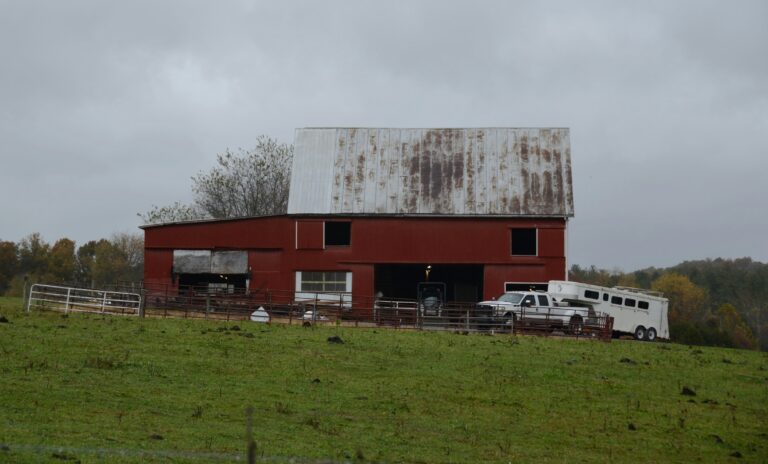 Divorce
Who Gets Credit for the Down Payment on an Agua Dulce Ranch in a Divorce
Learn how California Family Code Section 2640 reimburses a separate-property down payment on an Agua Dulce horse property when a marriage ends in divorce.
Read the guide →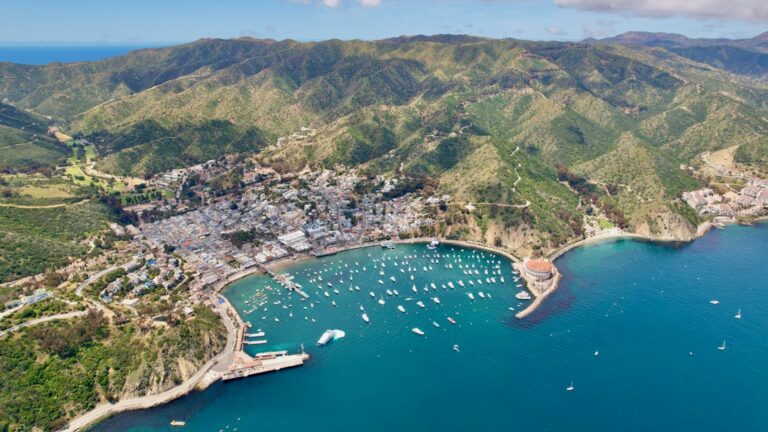 Divorce
Dividing a House in an Avalon, CA Catalina Divorce
Dividing an Avalon, CA home in divorce? See how California community property law, rental license limits, and island appraisals affect your split.
Read the guide → Divorce
Separate Property Reimbursement in a Monrovia Divorce
How Family Code 2640 and the Moore/Marsden formula decide what a spouse gets back before a Monrovia, CA home sells or one spouse buys the other out.
Read the guide → Divorce
How Community Property Division Works for a Whittier Home Sale
See how California law splits community versus separate property for a Whittier house sale during divorce, and what each spouse can claim back.
Read the guide → Divorce
How Community Property Division Plays Out for a Duarte, CA Home
How California's community property law divides a Duarte home in divorce, including Family Code 2640 reimbursement, Watts charges, and Epstein credits.
Read the guide →