
Stop Foreclosure in Pico-Union, CA
- Foreclosure, inherited, tenants, damage — we buy it
- Zero fees, zero commissions, zero closing costs
- No obligation — turn the offer down and owe us nothing


Beat the Statutory Clock
If a Notice of Default has been recorded against your Pico-Union property, we can often close before the trustee’s sale date.
If a lender has recorded a Notice of Default against your Pico-Union property, you’re on a statutory clock, and understanding exactly how long it runs matters more than almost anything else you can do right now. Cash Home Buyers CA buys houses and small apartment buildings in Pico-Union facing foreclosure, and in many cases we can close before the trustee’s sale date.
The Statutory Clock in California
Once a Notice of Default is recorded, California law requires a minimum three-month waiting period before the lender can record a Notice of Trustee’s Sale. After that notice is recorded, the trustee’s sale itself can’t happen for at least 21 days.
Add those two periods together and the fastest a foreclosure can legally run from Notice of Default to auction is roughly 111 days, though in practice most take longer once notices, mailing requirements, and any loss-mitigation review are factored in.
The right to cure the default and reinstate the loan generally exists up until five business days before the sale date; after that, only paying the full amount owed, not just the missed payments, can stop it.
Where the Time Actually Goes
- The three-month post-NOD window. This period exists specifically to give a homeowner room to catch up, sell, or arrange another resolution before the lender can even schedule a sale.
- The 21-day Notice of Trustee’s Sale period. Once this notice is recorded and posted, the sale date is set and the clock accelerates from months to weeks.
- The reinstatement cutoff. Up until five business days before the sale, curing the default and reinstating the loan is generally available; a sale a cash buyer helps you avoid entirely by closing before that date ever matters.
- Postponements. A trustee’s sale can be postponed, sometimes more than once, which occasionally buys extra time but is not something to count on when planning your own timeline.
Why Pico-Union’s Market Makes This Harder
Redfin’s data for the period ending November 2025 recorded just 7 home sales in Pico-Union at a median price of $670,000, with homes taking well over 100 days to sell on average.
That’s already longer than the statutory minimum window between a Notice of Default and a trustee’s sale, which means a traditional retail listing started after a NOD is recorded can easily lose the race against the auction date.
A financed retail sale still needs roughly 45 to 60 days from an accepted offer to a funded, recorded escrow on top of however long the house takes to attract that offer in the first place — time a homeowner already behind on payments often doesn’t have.
Why HPOZ Houses in Pico-Union Face an Extra Wrinkle
A house facing foreclosure in the South Bonnie Brae Tract or Alvarado Terrace historic district, or elsewhere in the Pico-Union HPOZ adopted in August 2004, often needs exterior repairs by the time a default has been recorded, since deferred maintenance is frequently what led to the financial strain in the first place.
A retail buyer’s lender may want visible exterior issues resolved before funding, and resolving them inside an HPOZ requires a Certificate of Appropriateness from the city, a process that doesn’t move on a foreclosure’s schedule.
A direct cash sale skips that requirement entirely; the HPOZ status affects what the next owner does to the house, not our ability to buy it on your timeline.
What Happens if the Property Reaches Auction
At a trustee’s sale, the property is sold to the highest bidder, typically for cash, and any equity above what’s owed to the lender and other lienholders can be lost to the process rather than returned to the homeowner in an orderly way.
Selling before the sale date, even close to it, lets you capture whatever equity exists directly rather than leaving it to the outcome of an auction.
If the property is a small apartment building rather than a house, the same clock applies, and the fact that a building is occupied by tenants doesn’t pause the foreclosure timeline.
What You Can Do at Each Stage
In the months right after a Notice of Default is recorded, reinstating the loan by paying the missed amount in full is generally the most direct route back to good standing if you have the funds to do it.
Once a Notice of Trustee’s Sale is recorded and the 21-day window is running, a straightforward loan modification or repayment plan negotiated with the lender becomes harder to complete in time, and selling starts to be the more realistic path to protecting whatever equity is in the property.
In the final days before a scheduled sale, a full payoff is generally the only way to stop the auction directly through the lender, which is why a buyer who can close before that date — rather than one still waiting on financing — matters most at exactly that point.
How We Move on a Pico-Union Foreclosure
Tell us where you are in the process — whether a Notice of Default has been recorded, whether a Notice of Trustee’s Sale has been recorded, and if so what the sale date is — and we build our timeline backward from that date.
We respond with a written offer within 24 to 48 hours, order the city’s 9A report ourselves, and work with title to move as fast as the sale date requires.
A house or condo with clear title beyond the mortgage itself can often close in two to three weeks; the closer you are to a scheduled sale, the more we compress that timeline to make the date work.
The same statutory clock and cash-sale option apply everywhere in the city — see our page on stopping foreclosure across Los Angeles for the broader version of this timeline.
Closing Costs on a Foreclosure Sale
Los Angeles City’s $4.50-per-$1,000 transfer tax combined with the county’s $1.10 per $1,000 comes to $5.60 per $1,000 of sale price, roughly $3,750 on a $670,000 sale, and it applies to a pre-foreclosure sale the same as any other.
On our purchases, the payoff to your lender, that transfer tax, and any other recorded liens come out of proceeds through escrow at closing, and we show you the full breakdown before you sign so there’s no confusion about what actually reaches you.
Frequently Asked Questions
How much time do I actually have after a Notice of Default?
A minimum of three months before the lender can even record a Notice of Trustee’s Sale, and at least 21 more days after that before the sale itself. In practice, the total is often longer.
Can I still sell after the Notice of Trustee’s Sale is recorded?
Yes, right up until the sale date itself, though the closer you get, the less time there is to arrange financing on a retail sale, which is where a cash purchase generally has the advantage.
What if my Pico-Union property is a rented apartment building, not a house I live in?
The same foreclosure timeline applies regardless of occupancy, and we buy occupied buildings facing foreclosure without disturbing the tenancy.
Will selling before the sale date protect my credit?
A completed foreclosure sale has a significant, lasting effect on credit. Selling before that point avoids the foreclosure itself showing up as a completed event.
Do I still owe money if the house sells for less than what I owe?
California’s anti-deficiency rules limit a lender’s ability to come after a former owner for the shortfall on most purchase-money loans after a trustee’s sale, though the details vary by loan type. Selling before the auction, while you still control the sale price and terms, avoids the question entirely.
What documents should I have ready?
The Notice of Default or Notice of Trustee’s Sale itself, your most recent mortgage statement, and any correspondence from the lender about a loss-mitigation review. Having those on hand lets us build the fastest realistic closing timeline against your actual sale date.
If a Notice of Default has been recorded against your Pico-Union property, call or text 424-435-2326 for a written offer, often before the trustee’s sale date.
Seller Guides
Helpful guides for homeowners in Pico Union
Plain-English answers to the questions sellers ask us most.
 Relocating
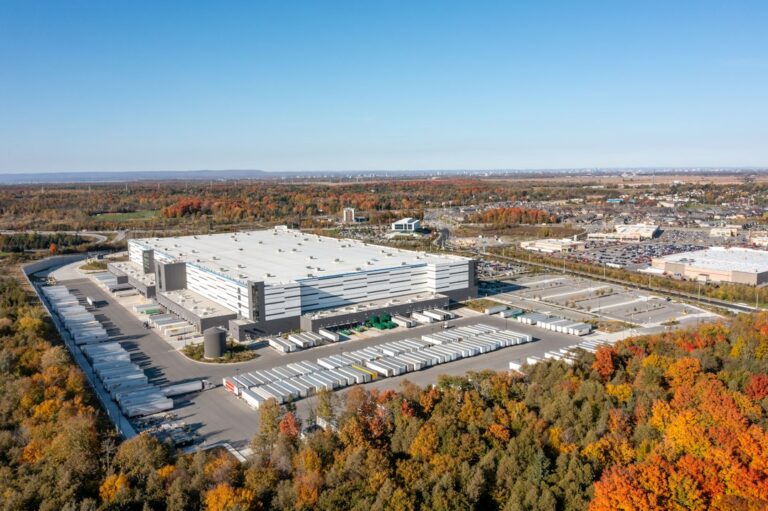
Fontana’s Warehouse Boom: What It Means If You’re Relocating
Fontana grew from a wartime steel town into an Inland Empire logistics hub. See what that shift means for home values and selling if you are relocating.
Read the guide → Foreclosure & liens
The 90-Day Window That Can Block Your California Home Sale: Mechanics Liens
A mechanics lien can block your California home sale. Here's the 90-day deadline to record, foreclose, and clear it before escrow closes.
Read the guide → Foreclosure & liens
How an HOA Can Actually Foreclose on a California Home (and the Deadlines That Protect You)
California HOA liens aren't super-priority, but can foreclose in 75 days. See the delinquency, notice, and 90-day redemption rules that apply.
Read the guide → Foreclosure & liens
Lakewood’s Contract-City Status Won’t Delay Foreclosure
Lakewood's contract-city government doesn't change foreclosure deadlines. See how Civil Code §2924 and new 2025 AB 2424 postponement rules actually work.
Read the guide → Foreclosure & liens
How AB 2424’s New Postponement Rules Can Delay a Norwalk, CA Foreclosure Sale
AB 2424 lets a Norwalk, CA homeowner in default delay a trustee's sale up to 90 days with a listing and purchase agreement. Here's how the deadlines work.
Read the guide → Foreclosure & liens
What AB 2424 Actually Changed About Foreclosure Notices in Pico Rivera, CA
AB 2424 added a notice right in 2025, but the 90-day foreclosure clock didn't change. Here's the real timeline for a Pico Rivera, CA homeowner.
Read the guide → Foreclosure & liens
From Notice of Default to Auction: The Foreclosure Clock on an Acton, CA Property
How long does foreclosure take in Acton, CA? Civil Code 2924c gives a 90-day reinstatement period; 2924f sets the Notice of Sale rules before auction.
Read the guide → Foreclosure & liens
The Notice of Default Clock in Alhambra, CA
See the real foreclosure timeline for Alhambra, CA homeowners: Notice of Default, Notice of Sale, trustee auction, and ways to stop the clock legally.
Read the guide → Foreclosure & liens
The Foreclosure Timeline for a Montebello, CA Homeowner
How California's Notice of Default, Notice of Sale, and reinstatement deadlines actually play out for a Montebello home — and when selling beats waiting.
Read the guide →