
Sell a Tenant-Occupied House in Pico-Union
- Foreclosure, inherited, tenants, damage — we buy it
- Zero fees, zero commissions, zero closing costs
- No obligation — turn the offer down and owe us nothing


No Notices, No Vacancy, No Relocation Checks
We buy Pico-Union rentals with tenants living in them, and we honor the tenancy exactly as it stands.
No Pico-Union situation page matters more than this one, because renting isn’t the exception in this neighborhood, it’s the overwhelming norm. Roughly 90.5 percent of Pico-Union’s housing is rental rather than owner-occupied, packed into 1.67 square miles that make it the fourth-densest neighborhood in Los Angeles. Cash Home Buyers CA purchases occupied houses, condos and apartment buildings throughout Pico-Union without disturbing a single tenancy.
Why So Much of Pico-Union Falls Under the RSO
Much of Pico-Union’s apartment stock was built between the 1920s and the 1960s, originally for a wealthier population and later subdivided as the neighborhood’s demographics shifted.
Because that construction predates the city’s October 1, 1978 cutoff for Rent Stabilization Ordinance coverage, a large share of Pico-Union’s rental units fall under the RSO, which caps annual rent increases and requires just cause for eviction.
Buildings constructed after 1978 generally fall instead under the statewide Tenant Protection Act, AB 1482, which also caps increases and requires just cause but carries different relocation rules than the city’s own ordinance.
What Selling Occupied Actually Changes
- The sale itself changes nothing for tenants. A change of ownership is not a lease termination. Whoever buys the property, including us, takes it subject to the existing leases and rent-registration status.
- No-fault evictions trigger relocation payments. Ending a tenancy under the RSO for owner move-in or another no-fault reason requires relocation fees that scale with the tenant’s income and length of tenancy, and the process itself can take months. Selling with the tenancy intact avoids that cost and delay entirely.
- Rent registration has to be current. RSO buildings must be registered annually with the Los Angeles Housing Department; we confirm registration status during escrow rather than requiring you to sort it out first.
- Lenders underwrite occupied buildings conservatively. A financed buyer’s lender often values a below-market RSO building near its current rent roll rather than its potential market rent, which is a large part of why occupied Pico-Union buildings sell slower to retail buyers than to cash buyers who price them the same way we do.
Historic Tract Houses With a Tenant Already In Place
It’s not only apartment buildings. Some of the single-family houses in the South Bonnie Brae Tract and Alvarado Terrace historic districts — both federally listed — have been rented out for years by an owner who moved away or inherited the property and never occupied it.
Selling one of these houses occupied carries the same rules as an apartment building: the lease survives the sale, and any HPOZ restrictions on exterior work, part of the zone adopted in August 2004, apply to the next owner rather than affecting your ability to sell today.
Why Landlords in Pico-Union Choose to Sell Occupied
An owner who bought or inherited a Pico-Union building years ago is often looking at rents well below current market, held down by the RSO’s annual increase caps, alongside an aging structure that needs capital work — a new roof, updated wiring, plumbing that dates to the building’s original construction.
Emptying the building to renovate and re-rent at market means months of vacancy, a relocation payment per unit, and a construction loan or out-of-pocket capital most owners would rather not put up.
Selling with tenants in place hands that entire problem to a buyer who has already priced it in, rather than asking the current owner to solve it first.
Some owners are also managing the property from a distance, having moved away from Los Angeles or inherited a building they never intended to run themselves.
Coordinating repairs, rent collection, and RSO compliance from out of state or out of the area is a real burden that a straightforward sale removes in one step, without ever having to notify a single tenant that anything is changing beyond who receives the rent.
How We Buy an Occupied Pico-Union Property
We ask for the rent roll, current leases, and RSO or AB 1482 registration status early, and we build our offer around the actual rents and tenancy terms rather than a hypothetical vacant value.
At closing, we assume the existing leases, take assignment of security deposits through escrow, and register as the new owner with the city.
Your tenants receive nothing more disruptive than a notice of new ownership and updated payment instructions — no notice to vacate, no relocation payment to fund, and no vacancy period for you to carry while a retail buyer’s financing plays out.
Pico-Union’s Occupied-Property Market
Redfin’s data for the period ending November 2025 recorded just 7 home sales in Pico-Union, at a median price of $670,000, with days on market running well over 100.
That figure reflects the neighborhood’s tiny single-family sales sample far more than its apartment stock, which mostly changes hands through off-market or investor channels rather than the retail listing process.
Occupied RSO buildings are a real part of why any retail sale here takes so long: a financed buyer’s lender wants a clean rent roll and current registration before they’ll fund, and that review adds time a cash purchase skips.
Documents That Speed an Occupied Closing
Having the current lease for every unit, a rent roll showing move-in dates and current rent, copies of any RSO or LAHD registration certificates, and a record of security deposits on hand ready before we start escrow shaves real time off the process.
If registration has lapsed or a unit’s paperwork is missing, we can still move forward — we just build the timeline for confirming it into the escrow period rather than treating it as a reason to delay the offer itself.
Related Pico-Union Situations
An occupied building sometimes overlaps with an inherited property situation, when heirs take over a rented house or building they never planned to manage themselves, or with wanting to sell fast without going through a relocation process first. For the same rules elsewhere in the city, see our page on selling a house with tenants across Los Angeles.
Closing Timeline for an Occupied Sale
We respond with a written offer within 24 to 48 hours of receiving the rent roll and lease information.
From there, escrow with a licensed Los Angeles County title and escrow company, confirmation of RSO or AB 1482 registration, and recording at the Los Angeles County Registrar-Recorder/County Clerk in Norwalk typically take three to six weeks for an occupied building, longer than the two-to-three-week timeline for a vacant house or condo with clear title, simply because there’s more documentation to assemble on the tenant side.
Los Angeles City’s $4.50-per-$1,000 transfer tax plus the county’s $1.10 per $1,000 — $5.60 combined — still applies and is customarily a seller cost either way.
Frequently Asked Questions
Do I have to tell my tenants I’m selling?
California law doesn’t require advance notice of a sale itself, only reasonable notice before showings, which we generally don’t need since we don’t require open houses or multiple walkthroughs.
Will my tenants’ rent go up after you buy the building?
We take the property subject to existing leases and the applicable rent caps under the RSO or AB 1482, so registered rents carry forward under the same rules that applied before the sale.
What if one unit is vacant and the rest are occupied?
That’s common and doesn’t complicate the sale. We factor the vacant unit’s market rent and the occupied units’ current rents into one offer for the whole property.
Is my Pico-Union building even covered by the RSO?
Generally, if the certificate of occupancy predates October 1, 1978, it is. We confirm the exact status through the Los Angeles Housing Department’s records during escrow.
Will I have to pay relocation fees to sell?
No. Relocation fees apply to no-fault evictions, not to a sale where the tenancy continues under the new owner.
Do you buy occupied houses in the South Bonnie Brae or Alvarado Terrace historic districts?
Yes. The tenancy transfers with the sale, and any HPOZ restrictions on future exterior work apply to us as the new owner, not to your ability to sell.
To sell an occupied house, condo or apartment building in Pico-Union without disturbing a single tenant, call or text 424-435-2326.
Seller Guides
Helpful guides for homeowners in Pico Union
Plain-English answers to the questions sellers ask us most.
 Relocating
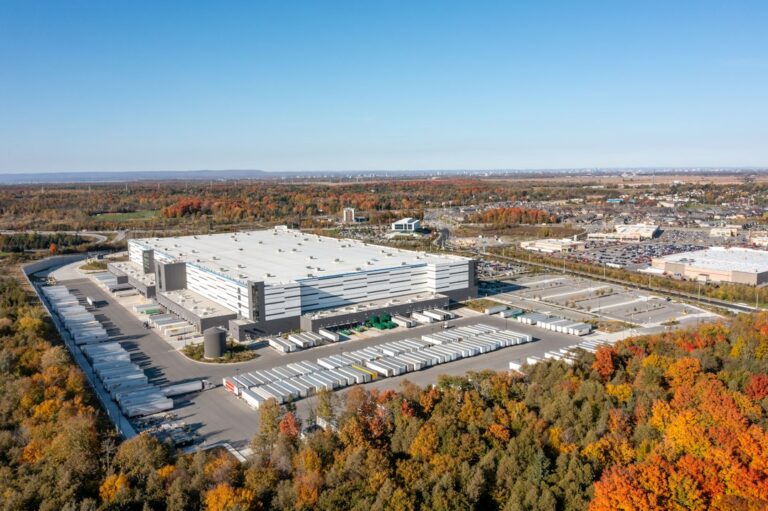
Fontana’s Warehouse Boom: What It Means If You’re Relocating
Fontana grew from a wartime steel town into an Inland Empire logistics hub. See what that shift means for home values and selling if you are relocating.
Read the guide → Rentals & tenants
How Much Must Long Beach Landlords Pay Tenants Under the Relocation Ordinance?
Long Beach landlords: see the LBMC 8.99 relocation payments, notice periods, and city filing step required before a no-fault tenant termination.
Read the guide → Rentals & tenants
Pasadena Tenant Protection Ordinance: Notice & Pay Rules
Pasadena's tenant protection ordinance sets notice periods, split relocation pay, and rent caps for owners selling a tenant-occupied rental.
Read the guide → Rentals & tenants
LA RSO Registration Must Be Current Before You Sell
Check the current LAHD RSO, JCO and SCEP fees, the annual deadline, and the 45-day re-registration window you must clear before selling a rental.
Read the guide → Rentals & tenants
Santa Monica Tenant Buyout Agreements: The Notice, the 30-Day Cancel and the Filing Window
Santa Monica buyouts need a rights notice before any offer, a 30-day cancel period and filing on day 31-60. See the 2026 minimum amounts and penalties.
Read the guide → Rentals & tenants
The LAHD Filing Deadline Landlords Miss on a Tenant Buyout in Los Angeles
Los Angeles tenant buyouts require an LAHD disclosure before any offer, a 30-day rescission right, and a signed agreement filed with LAHD within 60 days.
Read the guide → Rentals & tenants
What REAP Actually Means for a Los Angeles Landlord Trying to Sell
If your Los Angeles rental is in REAP — the city's Rent Escrow Account Program — your tenants are legally paying 10%…
Read the guide → Rentals & tenants
What the AB 1482 Single-Family Exemption Does and Doesn’t Cover in North Redondo Beach
Many North Redondo Beach rentals fail the AB 1482 single-family exemption test. Here's what sellers of a tenant-occupied home must verify first.
Read the guide → Rentals & tenants
Why Glendale’s Rent Rules Often Don’t Apply to Your Rental
Glendale has its own tenant-protection ordinance, but most single-family rental houses are exempt and fall back to California's AB 1482 instead.
Read the guide →