
Sell an Inherited House in Westmont, CA
- Foreclosure, inherited, tenants, damage — we buy it
- Zero fees, zero commissions, zero closing costs
- No obligation — turn the offer down and owe us nothing


Probate, Prop 19, and Multiple Heirs, Explained
Understand your options for an inherited Westmont property, and get a free, no-obligation cash offer whenever you’re ready.
Inheriting a house in Westmont often comes with a mix of relief and logistics: the property may need repairs, it may still be going through probate, and if you have siblings or other co-heirs, everyone has to agree on what happens next.
Cash Home Buyers CA buys inherited properties throughout Los Angeles County, including Westmont, and this page walks through the pieces of the process that tend to trip people up.
Do You Need to Finish Probate First?
It depends on how the property was titled and how the estate is being administered. If the property passed through a living trust, or if you were named on the deed with a right of survivorship, you may be able to sell without opening probate at all.
If the estate is going through probate, California’s Independent Administration of Estates Act lets many personal representatives sell real property without a separate court confirmation hearing for each sale, which can meaningfully speed things up compared to a full court-supervised sale.
Whether your situation qualifies depends on how the will or court order is written, so it’s worth confirming with the estate’s attorney or the court file before you list or accept an offer.
What Proposition 19 Changed
Proposition 19, which California voters approved in 2020, narrowed the parent-child exclusion that previously let an inherited home keep its parents’ low property-tax base regardless of use.
Under current rules, a child who inherits a home and does not make it their principal residence generally sees the property reassessed to current market value for tax purposes, which can raise the annual property tax bill substantially compared to what a parent was paying.
That reassessment is one of the practical reasons some heirs choose to sell relatively quickly rather than hold and rent an inherited property — the tax basis reset happens either way, so continuing to hold doesn’t avoid it.
When There Are Multiple Heirs
If you and your siblings or other co-heirs inherited the property together, everyone with an ownership interest generally needs to agree to a sale, or one heir needs to buy out the others’ interests.
A direct cash sale can simplify this because the transaction is straightforward — a single written offer, a single closing, and proceeds split according to each heir’s share, without the added complexity of financed buyers, showings, or a longer marketing period that has to accommodate everyone’s schedules and opinions.
If heirs disagree about whether to sell at all, that’s a family and legal conversation that happens separately from anything we can help with, but once there’s agreement to sell, we can move quickly.
Small Estate Alternatives to Full Probate
For estates below certain value thresholds, California allows simplified procedures — including a small estate affidavit for personal property and, for some real property situations, a petition to determine succession without a full probate administration. These simplified paths generally move faster and cost less than a full probate case.
Whether your situation qualifies depends on the estate’s total value and how title was held, which is worth confirming with the probate court or an attorney handling the estate.
Why Sellers Choose a Direct Sale for Inherited Property
- Unknown condition. If you didn’t live in the home, you may not know its full maintenance history, and we buy as-is without requiring you to warrant a condition you can’t verify.
- Distance. Out-of-state or out-of-area heirs often don’t want to manage repairs, showings, or a listing remotely.
- Splitting proceeds cleanly. A single cash closing is simpler to divide among heirs than coordinating a financed sale with multiple decision-makers.
- Avoiding carrying costs. Property tax, insurance, and upkeep on a vacant inherited home add up every month it sits unsold.
What We Need From You
To make an offer on an inherited property, we typically need to understand how title is currently held — whether probate has closed, whether the property is in a trust, and who has authority to sign on behalf of the estate.
Our escrow company, a licensed Los Angeles County title and escrow provider, handles verifying that authority as part of the closing process, the same way it would for any other Los Angeles County transaction.
Step by Step: Selling an Inherited Westmont Property
First, confirm how title is held and who has legal authority to sell — a surviving joint owner, a trustee, or a court-appointed personal representative.
Second, reach out to us with the property address and what you know about its condition; you don’t need to have every detail figured out before requesting a number. Third, we review the property using recent Westmont-area comparable sales and send a written offer, typically within 24 to 48 hours.
Fourth, once you accept, we open escrow with a licensed Los Angeles County title and escrow company, who will request the specific documentation — letters testamentary, a trust certification, or a court order, depending on your situation — needed to confirm authority to sign.
Fifth, we close, often in 7 to 14 days once that authority is confirmed, though estates sometimes need more time and we can work around that.
What an Inherited Home in Westmont Often Looks Like
A lot of the inherited properties we see in and around Westmont were purchased decades ago and have been owned by the same family since, which is common across this stretch of unincorporated Los Angeles County.
That long ownership often means the home is on an older property tax basis under Proposition 13, and it also tends to mean the house itself hasn’t had major systems updated recently — roof, electrical, plumbing — simply because the owner had been there so long that gradual wear became normal rather than something that prompted a renovation.
None of that affects our ability to buy the property; we account for condition in the offer rather than requiring repairs first.
Renting It Out vs. Selling It
Some heirs consider renting an inherited Westmont property instead of selling, especially if there’s no urgent need for the proceeds.
That’s a legitimate option, but it comes with real trade-offs: becoming a landlord means ongoing maintenance responsibility, potential vacancy periods, property management if you don’t live nearby, and the property tax reassessment under Proposition 19 still applies if it’s not your principal residence.
If multiple heirs are involved, renting also means agreeing on a property manager, how expenses get split, and how rental income gets distributed — decisions that can be harder to reach consensus on than a straightforward sale.
Working With the Estate’s Attorney or Executor
If the estate has legal representation, we’re glad to coordinate directly with the attorney or executor on paperwork and timing, which often makes the process smoother when there are multiple heirs or a more complex title history. Our escrow company independently verifies whoever signs has the legal authority to do so, which protects both the estate and us as the buyer.
What the Sale Timeline Looks Like
Once authority to sell is established, we can typically send a written offer within 24 to 48 hours and close in as little as 7 to 14 days, or on a later date if the estate needs more time to finalize other matters first. There is no requirement to repair, clean out, or stage the property before closing.
Liens, Reverse Mortgages, and Outstanding Debts
It’s common for an inherited property to carry a mortgage, a reverse mortgage, a tax lien, or a mechanic’s lien from work done years earlier.
None of these automatically prevent a sale — they’re typically paid off out of sale proceeds at closing through the title and escrow process, the same way they would be in any real estate transaction.
If you’re not sure what’s currently owed against the property, our escrow company can pull a preliminary title report early in the process so there are no surprises before closing.
Frequently Asked Questions
Do I need to finish probate before I can sell?
Not always. It depends on how title is held and the specific authority granted by the will or court. Confirming this with the estate’s attorney or the probate court is the right first step.
What if my siblings and I don’t agree on selling?
That’s a decision among the co-heirs, and typically all owners need to agree or one needs to buy out the others. We can make an offer once there’s agreement to sell.
Does Proposition 19 affect my property taxes if I keep the house?
If you don’t make it your principal residence, the property is generally reassessed to current market value, which can raise the annual tax bill compared to what your parents were paying.
Do you buy homes still in probate?
Yes, in many cases, once the estate representative has the legal authority to sell. We work with your escrow company to confirm that authority.
Do we need to clean out the house first?
No. We buy the property as-is, including personal belongings left behind in most cases.
Get a free, no-obligation cash offer from Cash Home Buyers CA today.
Seller Guides
Helpful guides for homeowners in Westmont
Plain-English answers to the questions sellers ask us most.
 Relocating
Fontana’s Warehouse Boom: What It Means If You’re Relocating
Fontana grew from a wartime steel town into an Inland Empire logistics hub. See what that shift means for home values and selling if you are relocating.
Read the guide → Inherited homes & probate
Partition Actions Between Heirs: How California Law Forces a House Sale
California heirs can force a house sale through a partition action under CCP 872-874, with court referees, confirmation hearings, and buyout rights.
Read the guide → Inherited homes & probate
South Pasadena’s Historic-Home Review Before a Sale
If you inherited a historic South Pasadena home, Ordinance 2315 can trigger Cultural Heritage Commission review before you alter or sell it. Here is how.
Read the guide →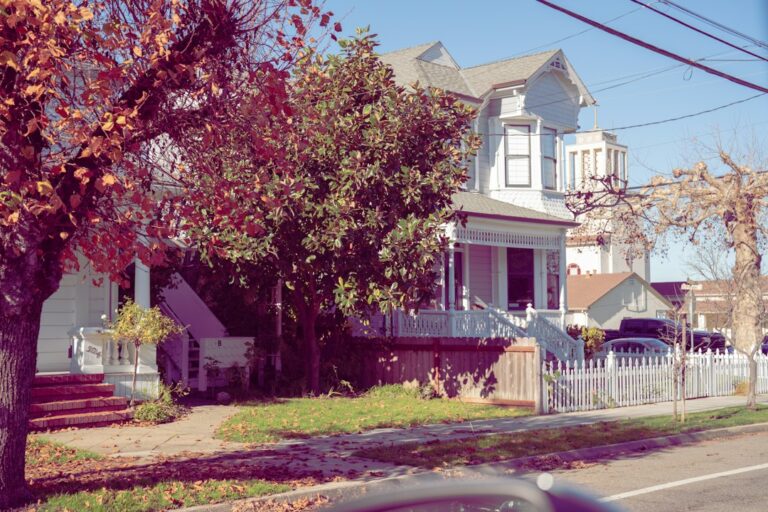 Inherited homes & probate
Medi-Cal Estate Recovery and the Family House: Who Owes, Who Is Protected and the Deadlines
Since 2017, Medi-Cal estate recovery reaches a house only if it passes through probate. See who is exempt, the 90-day notice and the 60-day waiver window.
Read the guide → Inherited homes & probate
How AB 2016 Changed the Probate Math for an Alondra Park Inheritance
AB 2016 raised the probate threshold to $750,000 for a primary home. See how it affects an inherited Alondra Park house and when full probate applies.
Read the guide → Inherited homes & probate
What Probate Looks Like for an Inherited House in South San Gabriel, CA
AB 2016's $750,000 threshold, the $208,850 small-estate figure, and why South San Gabriel's unincorporated status changes who an heir deals with.
Read the guide → Inherited homes & probate
Inherited House in Monterey Park: AB 2016 Petition vs. Full Probate
Inherited a house in Monterey Park? See if AB 2016's $750K primary-residence petition applies or full LA probate is needed, plus Prop 19 and selling options.
Read the guide → Inherited homes & probate
What Probate Actually Involves for an Inherited House in Compton, CA
Compton's long-held family homes often trigger a probate case. Here's when it's required, the new $750,000 shortcut, and selling during the case.
Read the guide → Inherited homes & probate
How California’s New $750,000 Probate Threshold Affects a Bell Gardens Inheritance
California's new $750,000 probate threshold now covers many Bell Gardens, CA homes. Here's how the simplified court petition works for an heir.
Read the guide →