
Sell My House Fast in Charter Oak
- Foreclosure, inherited, tenants, damage — we buy it
- Zero fees, zero commissions, zero closing costs
- No obligation — turn the offer down and owe us nothing


Every Day on the Market Has a Cost
See how a traditional Charter Oak listing timeline compares to a 2-3 week cash close, and why speed matters most when you have a deadline of your own.
If you need to sell a house fast in Charter Oak, the real obstacle usually isn’t your asking price — it’s the chain of steps a financed buyer has to clear before the sale actually funds.
Cash Home Buyers CA buys houses throughout this unincorporated San Gabriel Valley community, which removes most of that chain entirely, and because we pay cash there is no lender in the middle setting the pace.
A Small Community With a Long History
Charter Oak takes its name from a large oak tree that stood in the area during the Mexican-American War, when American soldiers camped nearby and likened it to Connecticut’s famous Charter Oak, where colonists once hid a royal charter from English authorities; local legend even holds that a rancher buried gold beneath the tree.
The community grew up as a citrus-growing settlement in the 1850s centered on Arrow Highway and Bonnie Cove Avenue, and it stayed agricultural well into the twentieth century before the orange and lemon groves gave way to post-war subdivisions between the 1950s and 1970s.
Because Charter Oak sits between Covina and Glendora and never incorporated on its own, both cities annexed pieces of its historic footprint over the decades, which is part of why today’s community is smaller than the boundaries residents and the local school district still use to describe it.
Charter Oak Gymnastics, a U.S. National Team training center operating since 1989, is one of the community’s best-known landmarks, and most students attend schools in Charter Oak Unified School District, with a portion of the community served instead by Covina-Valley Unified.
Neither the school district split nor the annexation history changes how a house here sells; the property still falls under the same Los Angeles County rules no matter which district or which side of the old boundary it sits on.
How Long a Traditional Charter Oak Sale Actually Takes
Charter Oak packs 9,739 people, per the 2020 Census, up from 9,310 in 2010, into just 0.93 square miles, a density above 10,000 people per square mile.
A clean, updated three-bedroom house near Arrow Highway or Bonnie Cove Avenue can draw an accepted offer within days in a market that dense, and with roughly 63 percent of the community’s 3,231 housing units owner-occupied, most of the demand is from families looking to buy and live in the house rather than investors.
That fast-offer number is the one sellers usually hear repeated back to them, and it is not the same thing as a closed, funded sale.
Once an offer is accepted, a standard California residential purchase agreement gives the buyer roughly a 17-day contingency period to complete inspections, review disclosures and finalize loan approval, and the loan itself typically needs another two to four weeks after that for underwriting and final sign-off.
Add it up and a “fast” traditional sale in Charter Oak is commonly 45 to 60 days from accepted offer to funded escrow, longer if anything goes sideways along the way.
Where a Financed Sale Actually Loses Time Here
The delay rarely shows up at the offer stage. It shows up afterward, in a handful of predictable places:
- Loan underwriting. A buyer’s pre-approval happens before the offer; full underwriting happens after, and conditions like updated pay stubs, gift-letter documentation or letters of explanation can add two or three weeks on their own.
- A low appraisal. Charter Oak’s housing spans citrus-era streets laid out in the 1850s right through post-war tract subdivisions built from the 1950s into the 1970s, and values shift depending on which side of Grand Avenue, Covina Hills Road or Valley Center Avenue a house sits on. An appraiser working from the wrong comps, or pulling sales from Covina or Glendora instead of Charter Oak itself, can come in under the contract price and force a renegotiation.
- Inspection renegotiation. A general inspection on an original 1950s or 1960s Charter Oak ranch house almost always turns up something in the plumbing, wiring, or roof, and the repair-credit negotiation that follows can add one to two weeks even when both sides want the deal to close.
- Financing falling through late. When a buyer’s loan is denied in the final days before closing, the seller is usually back to square one: relisting, rescheduling showings, and restarting the whole clock.
One Layer of Paperwork Charter Oak Doesn’t Add
Because Charter Oak never incorporated, unlike Covina to the south and Glendora to the north, a sale here runs on Los Angeles County rules rather than a city ordinance.
There is no municipal point-of-sale inspection or resale report to schedule before escrow can open, the way some incorporated cities require, only the standard state and county disclosures.
Building permits, code questions and zoning go through LA County Public Works and the Department of Regional Planning instead of a city building department, and the county’s documentary transfer tax of $1.10 per $1,000 of sale price applies with no separate city surcharge layered on top.
For a seller, that mostly means one less office to call and one less inspection to wait on before a sale can move forward.
What a Cash Sale’s Timeline Looks Like
We typically respond with a written cash offer within 24 to 48 hours of hearing about your property. Because there is no lender involved, there is no loan contingency and no lender-ordered appraisal to wait on or negotiate around.
Once you accept, we open escrow with a Los Angeles County title and escrow company, order a preliminary title report, and can close in as little as two to three weeks with clear title — longer, three to six weeks, for an estate or a tenant-occupied property where more documentation is involved — or on a later date entirely if that fits your move better.
Where the Paperwork Actually Gets Filed
When a Charter Oak sale closes, the deed records with the Los Angeles County Registrar-Recorder/County Clerk in Norwalk rather than with a city recorder, since no such office exists for an unincorporated community.
If your property is rented, we also check whether the county’s Rent Stabilization and Tenant Protections Ordinance applies, which turns on the building’s age and unit count rather than which city it happens to sit closest to.
None of this changes what you receive at closing; it only changes which county department reviews the file along the way.
Common Reasons Charter Oak Homeowners Need to Move Quickly
Speed matters for plenty of ordinary reasons that have nothing to do with a crisis: a new job pulling you toward Woodland Hills or downtown Los Angeles, wanting to avoid carrying two mortgage payments while a new purchase closes, a firm move-out date tied to a lease already signed elsewhere, or simply not wanting to keep paying insurance and upkeep on a house sitting empty near Arrow Highway.
If your timeline pressure is tied to something more specific, we have dedicated Charter Oak guides that go deeper: foreclosure, divorce, and relocation each come with their own deadlines worth understanding on their own.
The same underwriting, appraisal and escrow rules described here apply across the rest of Los Angeles too — see our page on the rules across the rest of Los Angeles if you are comparing a Charter Oak sale to a property elsewhere in the county.
The Honest Trade-Off
A cash offer is typically below what a fully-repaired home might fetch after a long, well-marketed retail listing.
In exchange, there is no 5 to 6 percent agent commission, no repair bills, no staging costs, no months of mortgage and utility payments while you wait, and no risk of the deal collapsing three weeks before closing over an appraisal or a denied loan.
For a Charter Oak seller on a real deadline, that certainty is usually worth more than the spread between the two numbers.
Sell My House Fast in Charter Oak: Reading the Current Market
If you are thinking, I need to sell my house fast in Charter Oak, the first useful number is how long the open market is taking right now.
Redfin’s data for the three months ending August 2026 shows a Charter Oak median sale price of about $764,000, down 4.7 percent from the same period a year earlier, with homes selling after an average of 49 days on the market, about the same as the 50 days a year before.
Redfin also counted 13 sales in August, compared with 14 the previous August. In a community this small, a thin month of sales means one appraisal or one stalled loan can shift your timeline more than any headline trend.
Those 49 days are only the time until a buyer is found. A financed escrow usually adds 30 to 45 days on top, so a listed house can take roughly three months from photos to funding.
| Factor | Cash sale | Traditional listing |
|---|---|---|
| Timeline | Written offer in 24 to 48 hours; close in as little as two to three weeks | Time on market plus a financed escrow of 30 to 45 days |
| Repairs | None required | Often requested after inspection |
| Showings | One walkthrough | Open houses and repeat showings |
| Commissions | None to you | Often around 5 to 6 percent combined |
| Closing costs | Covered in our offer terms | Seller typically pays its share plus concessions |
| Certainty of closing | No loan or appraisal contingency | Depends on the buyer’s appraisal and loan approval |
Three Steps to Sell Your House Fast
1. Tell us about the house. Call or text 424-435-2326 or use the form with the address, condition and your ideal date.
2. Walkthrough and written offer. One short visit, then a written cash offer with proof of funds, usually within 24 to 48 hours.
3. Close on your date. An escrow company and a title company handle the payoff, the county transfer tax and recording. If a move is driving the deadline, our Charter Oak relocation guide covers timing, and the Charter Oak cash offer process page walks through escrow step by step.
Frequently Asked Questions
Can I sell my house fast in Charter Oak if I still have a mortgage?
Yes. Most sellers do. The escrow company requests a payoff statement from your lender and pays the loan off from the sale proceeds at closing, and you receive whatever remains after the payoff and any other liens.
What documents do I need to sell my Charter Oak house for cash?
Usually a photo ID for each owner on title, your most recent mortgage statement, any HOA contact details and, if the house is rented, the lease. Escrow orders the preliminary title report, so you do not need to find the old deed yourself.
Can I pick a closing date weeks away and still sell fast?
Yes. Fast refers to how quickly the sale becomes certain, not a date forced on you. Once you sign, the price and terms are set, and you can schedule closing for the day your move actually happens.
How fast can you really close on a Charter Oak house?
Most closings run two to three weeks from an accepted offer with clear title, though we can move faster or slower depending on what you need.
Do I need to clean or repair anything first?
No. We buy the property in its current condition, whether it is a citrus-era cottage or a post-war ranch house.
Does Charter Oak being unincorporated change the closing process?
It removes a step rather than adding one. There is no city resale inspection or point-of-sale report to order, only the standard state and Los Angeles County disclosures.
What if I actually need more time, not less?
That is fine. We can set a closing date further out, or arrange a short rent-back so you can stay after closing while you finish your move.
Is a cash sale always faster than listing?
Not always — a well-priced Charter Oak home in this dense a market can attract an offer quickly. The time savings come from skipping the 30 to 45 day financed escrow that follows, plus removing the risk of that escrow falling apart.
Are there any fees for closing quickly?
No. There is no commission and no hidden fee for a fast timeline.
Get a free, no-obligation cash offer from Cash Home Buyers CA today, or call or text (424) 435-2326.
Seller Guides
Helpful guides for homeowners in Charter Oak
Plain-English answers to the questions sellers ask us most.
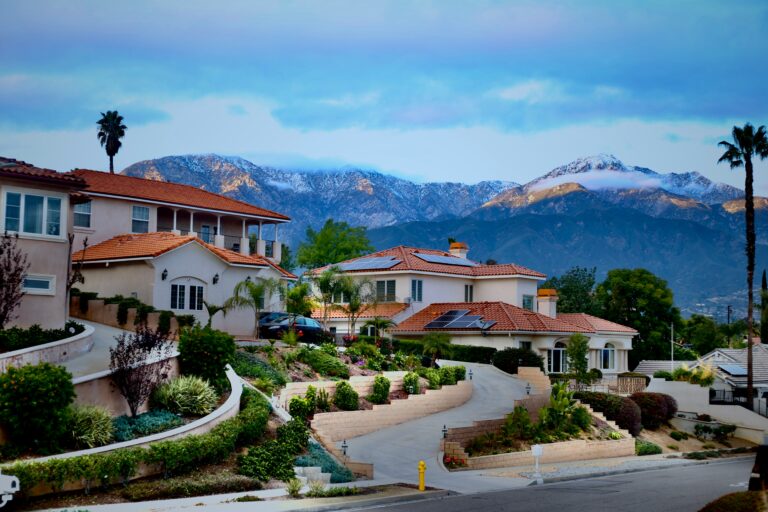 Rentals & tenants
Which Mountain View Rentals Does the CSFRA Actually Cover?
See which Mountain View rentals the CSFRA covers, its rent cap, just-cause eviction rules, relocation pay, and what landlords must do before raising rent.
Read the guide → Rentals & tenants
How Much Must Long Beach Landlords Pay Tenants Under the Relocation Ordinance?
Long Beach landlords: see the LBMC 8.99 relocation payments, notice periods, and city filing step required before a no-fault tenant termination.
Read the guide → Selling for cash
What Inglewood’s Housing Protection Ordinance Requires Before You Sell a Rental
Inglewood's Housing Protection Ordinance covers more rentals than expected, with rent caps, just-cause rules, and relocation tiers that transfer at sale.
Read the guide → Selling for cash
The Five-Year Countdown Before Los Angeles County Auctions a Tax-Defaulted Home
LA County auctions tax-defaulted homes after five years unpaid. See the redemption deadline, installment options, and how to claim excess proceeds.
Read the guide → Selling for cash
What Beverly Hills’ Rent Stabilization Ordinance Requires Before You Sell
Beverly Hills runs its own BHMC Chapter 5 and 6 rent rules: caps, BHRent registration, just-cause grounds and relocation fees sellers must clear first.
Read the guide → Selling as-is
What Rancho Palos Verdes’ Landslide Zones Mean for a Natural Hazard Disclosure
Rancho Palos Verdes sellers must check a landslide-zone box on the state Natural Hazard Disclosure Statement, separate from the earthquake fault question.
Read the guide → Selling for cash
West Hollywood’s Rent Stabilization Ordinance: What a Seller With Tenants Must Clear First
West Hollywood's rent stabilization law sets strict just-cause rules and relocation fees before you can sell a tenant-occupied rental unit here.
Read the guide → Inherited homes & probate
Partition Actions Between Heirs: How California Law Forces a House Sale
California heirs can force a house sale through a partition action under CCP 872-874, with court referees, confirmation hearings, and buyout rights.
Read the guide → Inherited homes & probate
South Pasadena’s Historic-Home Review Before a Sale
If you inherited a historic South Pasadena home, Ordinance 2315 can trigger Cultural Heritage Commission review before you alter or sell it. Here is how.
Read the guide →