
Sell a Tenant-Occupied House in Berkeley
- Foreclosure, inherited, tenants, damage — we buy it
- Zero fees, zero commissions, zero closing costs
- No obligation — turn the offer down and owe us nothing


Selling With Tenants in Place, the Right Way
Berkeley’s rent and eviction rules are among the strongest in California – here’s how a sale can work around them, not against them.
Selling a rental property in Berkeley while tenants are still living there is entirely possible, but it requires more care than selling a vacant house. Cash Home Buyers CA buys tenant-occupied properties throughout Berkeley and doesn’t require you to remove tenants before closing.
Berkeley’s Rent and Eviction Rules Are Locally Strong
Berkeley has one of the strongest local rent stabilization and eviction-control ordinances in California, administered by the Berkeley Rent Stabilization Board. Property covered by the local ordinance is generally subject to just-cause eviction protections and rent-increase limits that go beyond the statewide baseline.
Landlords and prospective buyers should treat Berkeley’s own rules as the controlling standard for what’s allowed locally, and confirm current requirements with the Rent Stabilization Board or a landlord-tenant attorney before taking any action involving a tenant’s lease or occupancy.
How State Law Fits In
Separately from Berkeley’s local ordinance, California’s statewide Tenant Protection Act (AB 1482) sets a baseline of just-cause eviction requirements and annual rent-increase caps for many rental properties statewide, with notice periods generally scaling with how long a tenant has occupied the unit.
Where a property in Berkeley is covered by the city’s own ordinance, that local law is generally the more protective standard that applies on top of the state framework, which is why local guidance matters as much as, or more than, general statewide rules here.
Selling Doesn’t Automatically End a Tenancy
A common misconception is that selling a property clears out the tenants. It doesn’t. A lease and applicable rent-control and just-cause protections generally transfer with the property to a new owner. Any buyer — including us — steps into the existing landlord obligations, and any change to a tenant’s occupancy has to go through the proper legal process, not simply a change of ownership.
Why Selling to a Cash Buyer Often Works Better Here
Traditional retail buyers, especially those planning to move in themselves, often want the property delivered vacant, which can turn into a lengthy and legally sensitive process in a city with Berkeley’s tenant protections.
As a cash buyer, we’re generally comfortable purchasing with tenants in place and continuing the tenancy, which removes the pressure to navigate a contested move-out before you can sell at all.
This is especially relevant for owners of Berkeley’s many small multi-unit buildings near campus, where tenant turnover and rent-control history can otherwise complicate a traditional sale.
What We Need From You
Current lease agreements, the security deposit ledger, and a general sense of the tenancy history help us structure an accurate offer and a smooth transition of landlord responsibilities at closing. We handle the rest through escrow, the same as any other transaction.
How to Sell a House With Tenants in Berkeley
If you want to sell a house with tenants in Berkeley, the first thing to accept is that the tenancy is part of what you are selling.
Berkeley’s Rent Stabilization and Eviction for Good Cause Ordinance, administered by the Berkeley Rent Board, requires good cause to end most tenancies in the city, requires covered units to be registered, and requires interest on security deposits. Many older multi-unit buildings also have rent ceilings.
A sale does not change any of that. The new owner steps into the same leases, the same deposits and the same obligations.
That is why so many Berkeley landlords end up selling to a buyer who is comfortable owning an occupied property. Trying to deliver a unit vacant can mean months of process and relocation costs, and in some cases it may not be possible at all. Selling with tenants in place avoids that question entirely.
Berkeley Market Snapshot for Landlords
Redfin’s figures for the three months ending August 2026 put Berkeley’s median sale price near $1.47 million, up about 8.8 percent from a year earlier, with homes typically selling in around 15 days. Those figures are driven mostly by owner-occupant buyers competing for vacant, updated homes.
A tenant-occupied duplex or a single-family rental with a long-term renter competes for a different, smaller pool of investor buyers, who price in the rent roll and the ordinance rather than the median.
| Factor | Cash sale with tenants in place | Deliver vacant, then list |
|---|---|---|
| Tenant notices | None needed for the sale | Good-cause rules, notices and possible relocation payments |
| Rent | Continues through closing | Lost during vacancy |
| Showings | One walkthrough with proper notice | Repeated showings |
| Commissions | None charged to you | Often around 5 to 6 percent combined |
| Timeline | Often two to six weeks depending on units | Months of vacancy plus 30 to 45 days of escrow |
How State Law and Berkeley Rules Fit Together
California’s Tenant Protection Act, AB 1482, sets statewide just-cause and rent-cap rules for many rentals, but where Berkeley’s own ordinance covers a unit, the local rules generally control and are often stricter.
Leases and security deposits transfer to the buyer at closing under California law, and the buyer takes over rent board registration going forward.
Because the details depend on the building’s age, unit count and history, confirm specifics with the Berkeley Rent Board or a landlord-tenant attorney before serving any notice.
Three Steps to Sell a Rental Property With the Tenancy Intact
- Share the rent roll. Call or text 424-435-2326 with the unit count, current rents, lease terms and deposit amounts.
- One walkthrough, then a written offer. We schedule a single visit with proper written notice to the tenants and send a written cash offer.
- Close through escrow. Leases, deposits and tenant estoppel forms are collected during escrow, and the new owner takes over on the closing date you choose.
Rentals We Buy Across Berkeley
We make offers on single-family rentals, duplexes, triplexes and small apartment buildings, including student-oriented buildings near campus, flatland duplexes in South and West Berkeley, and older buildings that may fall under the city’s soft-story seismic retrofit rules. Units with below-market rents, deferred maintenance or unpermitted additions are all fine. If the property also needs substantial repairs, our as-is sale guide for Berkeley covers that side.
Single-Family Rentals Versus Small Multi-Unit Buildings
The ordinance treats property types differently, and that affects both the sale and the price. A single-family rental in Berkeley is generally exempt from the city’s rent ceilings under state law but still covered by the good-cause eviction rules and deposit interest requirements.
A duplex, triplex or small apartment building built before the ordinance’s cutoff is more likely to have units with rent ceilings, and its rent history with the Rent Board becomes part of what a buyer reviews. Newer buildings may be covered only partially.
Because the details vary so much, we look at each unit’s registration and lease rather than assuming how the building is treated.
Situations Berkeley Landlords Bring to Us
- A long-term tenant paying well below current market rent in a pre-1980 building.
- An inherited duplex where the heirs do not want to become landlords.
- A student-oriented building near campus with annual turnover and deferred maintenance.
- A building that may need soft-story seismic retrofit work the owner does not want to fund.
- A rental where the tenant is behind on rent and the owner wants to exit rather than litigate.
In each case the tenancy stays in place and the offer reflects the building as it actually operates, including the rent roll and any work it needs.
How Long an Occupied Sale Takes
A single tenant-occupied house with clear title can often close in about two to three weeks after you accept. A small building with several units usually takes longer, because escrow collects each lease, confirms deposits and gathers tenant estoppel certificates. You choose the closing date, and the tenants stay where they are through the transition.
Documents That Speed Up an Occupied Sale
- Current leases or rental agreements for every unit, including any amendments.
- A rent roll showing current rents, deposit amounts and move-in dates.
- Rent Board registration records for covered units.
- Any notices served, pending disputes or rent reduction petitions.
- Records of recent repairs, permits or seismic work on the building.
The more complete this picture is at the start, the more accurate the offer and the smoother escrow will be.
Can a Buyer Move In Later?
Buyers sometimes ask whether they can take over a Berkeley rental and later occupy it themselves. Owner move-in is one of the recognized good causes under the city’s ordinance, but it comes with conditions, notice requirements and relocation obligations, and some tenants have added protections.
That is the buyer’s question to work through with counsel after closing. For you as the seller, the point is simpler: you do not need to resolve it before selling.
For a written offer on your occupied Berkeley property, call or text 424-435-2326.
Frequently Asked Questions
Can I sell my house with tenants in Berkeley without evicting them?
Yes. The property can be sold with the tenants in place. Leases and deposits transfer to the new owner, and Berkeley’s rent ordinance continues to apply to covered units.
Do I have to tell my tenants I am selling?
You will need to give proper written notice before any walkthrough, and tenants are typically told who the new owner is after closing. A landlord-tenant attorney can confirm what else applies to your building.
What happens to the security deposit when I sell?
It transfers to the new owner at closing, along with any interest owed under Berkeley’s rules, so the tenant’s deposit follows the tenancy.
Can I sell my Berkeley rental without evicting the tenant first?
In most cases, yes. We buy occupied properties, and the existing tenancy continues after closing.
Does Berkeley’s rent control affect what I can charge or how I can end a tenancy?
Yes. Berkeley’s local ordinance is generally stronger than the statewide baseline, so specific rent-increase and eviction rules should be confirmed with the Berkeley Rent Stabilization Board or a landlord-tenant attorney.
Will my tenant need to be told about the sale?
Tenants typically have rights to notice under state and local law regarding ownership changes and any planned action affecting their tenancy; we can walk through the process with you.
Do you buy small multi-unit rental buildings, not just single-family homes?
Yes, including duplexes and small apartment buildings common in Berkeley’s rental-heavy neighborhoods near campus.
Get a free, no-obligation cash offer from Cash Home Buyers CA today.
Seller Guides
Helpful guides for homeowners in Berkeley
Plain-English answers to the questions sellers ask us most.
 Inherited homes & probate
What Probate Actually Looks Like for an Inherited House in Fresno County
Probate for an inherited Fresno County house runs through one courthouse, but the timeline depends on how title was held. What to expect, step by step.
Read the guide →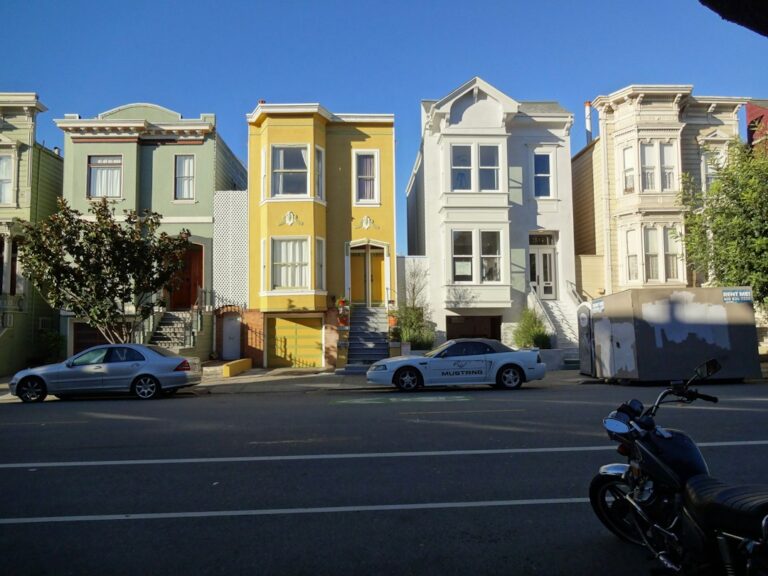 Rentals & tenants
What Alameda’s Relocation Payment Schedule Costs a Landlord Selling With Tenants in Place
Alameda requires a relocation payment, up to five figures per unit, before a landlord can deliver a rental vacant. What the Rent Program requires first.
Read the guide → Rentals & tenants
Which Mountain View Rentals Does the CSFRA Actually Cover?
See which Mountain View rentals the CSFRA covers, its rent cap, just-cause eviction rules, relocation pay, and what landlords must do before raising rent.
Read the guide →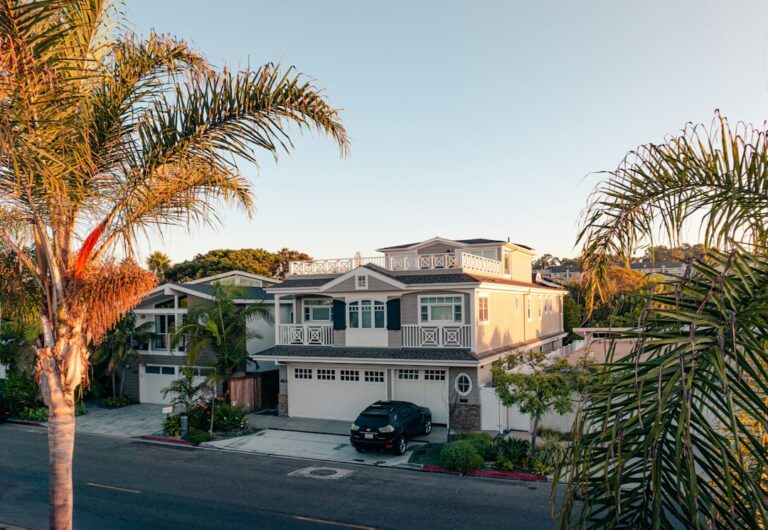 Rentals & tenants
Antioch’s Just Cause Eviction Ordinance: What a Landlord Selling a Rental Must Clear First
Antioch's Tenant Eviction Protection Ordinance (2240-C-S) sets just cause rules, notice deadlines, and relocation pay up to 3 months' rent for landlords.
Read the guide →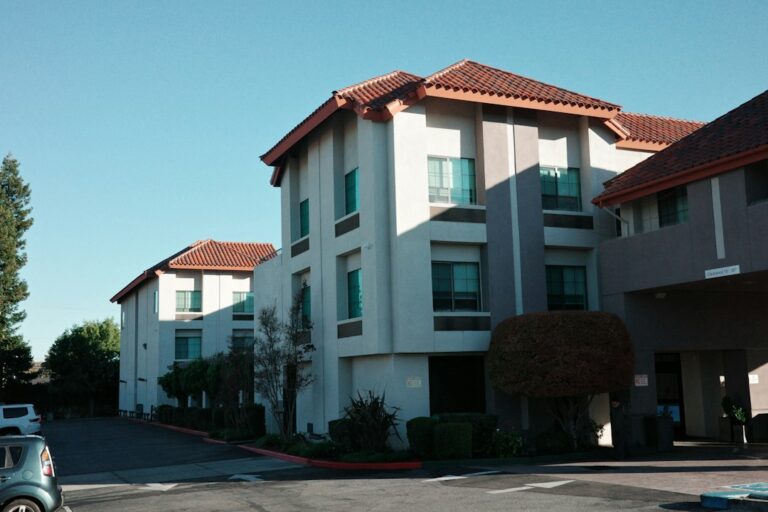 Rentals & tenants
San Jose’s Tenant Protection Ordinance: What a Landlord Selling a Rental Actually Owes
San Jose's Tenant Protection Ordinance sets exact relocation fees and notice rules a landlord must follow before selling a rental property there.
Read the guide → Selling for cash
Berkeley’s New Time-of-Sale Energy Rule Nobody Warns Sellers About
Berkeley now requires an energy score and one of three compliance paths before most home sales close. Here's what BESO's Time-of-Sale rule means.
Read the guide → Rentals & tenants
Can a Tenant Refuse Landlord Entry in California?
California tenants can refuse improper entry, but Civil Code 1954 gives sellers a real right of access. Here's the notice rule and what counts as valid.
Read the guide → Rentals & tenants
What Happens When a Tenant Dies in a California Rental?
A tenant's death does not end the lease automatically in California. Here's what happens to rent, the deposit, and belongings before you can sell.
Read the guide → Rentals & tenants
When Does a Guest Become a Tenant in California?
California has no bright-line day count for guest-to-tenant status. Here's how courts decide, and what it means before you sell an occupied house.
Read the guide →