
Sell a House With Tenants in Gramercy Park, CA
- Foreclosure, inherited, tenants, damage — we buy it
- Zero fees, zero commissions, zero closing costs
- No obligation — turn the offer down and owe us nothing


Fast, Fair, and Reliable Offers
Sell your Gramercy Park rental property with the tenants still in place: one written cash offer, the lease transfers at closing, and no fees or commissions.
Sell a House With Tenants in Gramercy Park, Lease and All
Landlords who want to sell a house with tenants in Gramercy Park often assume the first step is getting the renters out. In most cases it is not.
A tenant-occupied rental property can be sold with the lease in place, and a buyer who wants a rental simply steps into your shoes as landlord.
This page explains how that works inside the City of Los Angeles, which tenant protections follow the property, and how a cash sale lets you exit without evicting anyone or leaving the house vacant for months.
Gramercy Park, known officially as West Park Terrace since the city adopted that name in 2002, covers about 1.13 square miles of South Los Angeles, framed by Manchester Boulevard, Vermont Avenue, Van Ness Avenue and the southern city limit.
Most of its housing is mid-1900s single-family homes on modest lots, and the neighborhood has long had more owner-occupants than many areas around it.
That means rentals here are often former family homes: a house an owner moved out of years ago, an inherited property that became a rental, or a home with a back unit on the lot.
What the Gramercy Park Market Means for Landlords
Redfin reports a median sale price of about $675,000 in Gramercy Park for the three months ending August 2026, down 7.2 percent year over year. Median days on market fell to 43 from 78, and 20 homes sold in August. Homes sold for about 99.5 percent of list on average, with 57.7 percent going over asking and 30 percent of listings reducing their price.
Those above-list sales are usually vacant, updated homes sold to owner-occupants. An occupied rental is harder to show and cannot be offered to buyers who need to move in right away, so on the open market it tends to draw fewer offers. A cash buyer who is comfortable owning a rental removes that problem, because the tenant is part of what is being bought.
Rental Property Sale: Cash vs. Listing
| Topic | Cash sale with tenants | Listing an occupied rental |
|---|---|---|
| Timeline | Written offer usually within 24 hours; a clear-title sale can often close in about two to three weeks, or on your date | Marketing around the tenant’s schedule; financed buyers usually need 30-45 days |
| Repairs | None required | Lenders and inspectors may require fixes inside an occupied unit |
| Showings | One walkthrough, scheduled with proper notice to the tenant | Repeated showings, each needing written notice and tenant cooperation |
| Commissions | No fees or commissions | Agent commissions often total around 5-6% combined |
| Closing costs | Listed in the written offer | Seller typically pays transfer taxes and part of escrow and title |
| Certainty | No financing or owner-occupancy loan requirements | Many buyers need a vacant home to use owner-occupant financing |
Tenant Rules That Follow a Gramercy Park Rental
Selling does not end a lease. Under California law, the existing lease and the tenant’s security deposit generally transfer to the buyer at closing, and the new owner takes over the same rights and duties you had. Several layers of rules may apply, and a landlord-tenant attorney can confirm which ones cover your property.
City of Los Angeles Rent Stabilization Ordinance
The city’s Rent Stabilization Ordinance, or RSO, generally applies to rental properties first built on or before October 1, 1978, including duplexes, apartments, condos, accessory dwelling units, and lots with two or more houses on the same parcel.
According to the Los Angeles Housing Department, a single-family home that is the only residential structure on its parcel is generally not subject to the RSO. If your lot has a second unit in back, though, the RSO may well apply.
RSO units have limits on annual rent increases and require a legal reason for eviction, with relocation payments for many no-fault evictions.
The Just Cause Ordinance for other rentals
Rentals in the city that are not covered by the RSO, including many single-family homes and condominiums, are generally covered by the city’s Just Cause Ordinance. Tenants typically gain protection at the end of their first lease or six months into a new lease, whichever comes first. After that, an eviction needs a legal reason, and no-fault evictions, such as an owner moving in, usually require relocation assistance.
Statewide AB 1482
California’s Tenant Protection Act, AB 1482, caps annual rent increases at 5 percent plus local inflation, up to a maximum of 10 percent, and requires just cause after 12 months for many rentals older than 15 years. Single-family homes and condos owned by individuals can be exempt if the required notice was given to the tenant. Where city and state rules overlap, the stricter protection generally applies.
Selling Without Evicting: Three Steps
1. Reach out with the rental details
Call or text 424-435-2326 or use the form on this page. Let us know the rent, the lease terms, how long the tenant has been there, and whether there is more than one unit on the lot.
2. A respectful walkthrough and a written offer
We schedule one visit with proper written notice to the tenant, then send a written cash offer, usually within 24 hours. We can buy your house directly or bring in a vetted cash buyer from our network; either way you get one written offer, proof of funds, a neutral escrow company, a clear closing date, and no fees or commissions.
3. Close through escrow and hand over the lease
A neutral escrow company holds the deposit and prepares the paperwork. At closing, the lease, security deposit and any prorated rent are transferred to the new owner, and you send the tenant a notice with the new owner’s contact information for rent.
Should You Wait for the Lease to End?
Some landlords wait for the lease to run out, hoping to sell a vacant house to an owner-occupant for a higher price. That can work, but in the City of Los Angeles a lease ending does not automatically mean the tenant leaves.
Under the RSO or the Just Cause Ordinance, a landlord generally needs a legal reason to end a tenancy, and many no-fault reasons come with relocation payments and strict notice rules. Meanwhile, you keep paying the mortgage, insurance, property taxes and repair bills.
If the tenant does move out, the house often needs paint, flooring and repairs before it can be listed, followed by weeks of marketing and escrow. Selling with the tenant in place skips all of that.
A good way to decide is to compare your likely net from a cash sale now with the net from a vacant sale later, after relocation costs, turnover repairs, holding costs and commissions.
How an Occupied Rental Is Priced
A cash offer for a rented house looks at two things together: the value of the property compared with nearby sales, and how it performs as a rental. Current rent, the lease terms, the condition of the unit, and whether rent limits apply all feed into the number.
A house rented well below market under a long tenancy is valued differently from one with a recent lease at market rent. We walk through those factors openly so you can see how the offer was built.
Documents Buyers Ask For on a Tenant-Occupied House
- The current lease and any amendments or renewals
- A rent ledger showing recent payments
- The security deposit amount
- Copies of any notices served, including rent increase notices
- RSO registration details if the property is covered
- Any AB 1482 exemption notice given to the tenant
Escrow uses these to prorate rent and transfer the deposit correctly. If some records are missing, tell us early; a tenant estoppel form can often fill the gaps.
City Items That Apply to Every Sale
Because Gramercy Park is inside the City of Los Angeles, the sale generally requires the Department of Building and Safety’s 9A report and retrofit certifications for a seismic gas shutoff valve, water-conserving fixtures, smoke and carbon monoxide detectors, and a strapped water heater. The city transfer tax of $4.50 per $1,000 applies along with the county’s $1.10 per $1,000. Measure ULA applies only far above typical prices here.
Rentals We Buy When Owners Sell a House With Tenants in Gramercy Park
- Single-family homes rented to one household for years below market rent
- Lots with a front house and a back unit or converted garage
- Rentals with tenants who pay late or not at all
- Rentals needing repairs the tenant has been asking for
- Inherited homes that came with a tenant already in place
If the rental also needs substantial work, our page on how to sell a Gramercy Park house as is covers condition and disclosures.
Talking With Your Tenant About the Sale
Tenants often worry most about whether they will have to move. Letting them know early that the sale is to a buyer who plans to keep the rental, and that their lease continues, tends to make the walkthrough and closing much smoother. Always give written notice before entering, generally at least 24 hours, and keep communication in writing.
Frequently Asked Questions
Can I sell a house with tenants in Gramercy Park without evicting them?
Yes. The lease and security deposit generally transfer to the buyer at closing, and the tenant stays under the same terms. We buy rentals with tenants in place.
Does the RSO cover my single-family rental?
Often not. The Los Angeles Housing Department says a single-family home that is the only residential structure on its parcel is generally exempt, but a lot with a back unit or two houses may be covered. The city’s Just Cause Ordinance may apply instead.
What happens to the security deposit when I sell?
Escrow generally credits the deposit to the buyer at closing, and the buyer becomes responsible for returning it to the tenant when the tenancy ends.
Can I sell if my tenant is behind on rent?
Yes. Share the rent ledger during escrow. The sale can proceed with the tenancy as it is, and the new owner takes over from there.
How much notice does the tenant need before a walkthrough?
California generally requires reasonable written notice, usually at least 24 hours, before entering a rental. We only need one visit.
Do I have to pay relocation fees to sell?
Not when the tenant stays. Relocation assistance typically comes into play with certain no-fault evictions, not with a sale where the lease continues.
Are there fees or commissions for selling my rental property?
No. There are no fees or commissions, and the written offer shows who pays each closing cost.
Ready to step away from being a landlord? Call or text 424-435-2326 or use the form above for a written cash offer on your tenant-occupied Gramercy Park house, with no fees or commissions and no obligation.
Gramercy Park is part of the City of Los Angeles. For the citywide picture, see our guide to selling a house with tenants in Los Angeles.
Seller Guides
Helpful guides for homeowners in Gramercy Park
Plain-English answers to the questions sellers ask us most.
 Relocating
Fontana’s Warehouse Boom: What It Means If You’re Relocating
Fontana grew from a wartime steel town into an Inland Empire logistics hub. See what that shift means for home values and selling if you are relocating.
Read the guide → Rentals & tenants
How Much Must Long Beach Landlords Pay Tenants Under the Relocation Ordinance?
Long Beach landlords: see the LBMC 8.99 relocation payments, notice periods, and city filing step required before a no-fault tenant termination.
Read the guide → Rentals & tenants
Pasadena Tenant Protection Ordinance: Notice & Pay Rules
Pasadena's tenant protection ordinance sets notice periods, split relocation pay, and rent caps for owners selling a tenant-occupied rental.
Read the guide → Rentals & tenants
LA RSO Registration Must Be Current Before You Sell
Check the current LAHD RSO, JCO and SCEP fees, the annual deadline, and the 45-day re-registration window you must clear before selling a rental.
Read the guide → Rentals & tenants
Santa Monica Tenant Buyout Agreements: The Notice, the 30-Day Cancel and the Filing Window
Santa Monica buyouts need a rights notice before any offer, a 30-day cancel period and filing on day 31-60. See the 2026 minimum amounts and penalties.
Read the guide → Rentals & tenants
The LAHD Filing Deadline Landlords Miss on a Tenant Buyout in Los Angeles
Los Angeles tenant buyouts require an LAHD disclosure before any offer, a 30-day rescission right, and a signed agreement filed with LAHD within 60 days.
Read the guide → Rentals & tenants
What REAP Actually Means for a Los Angeles Landlord Trying to Sell
If your Los Angeles rental is in REAP — the city's Rent Escrow Account Program — your tenants are legally paying 10%…
Read the guide → Rentals & tenants
What the AB 1482 Single-Family Exemption Does and Doesn’t Cover in North Redondo Beach
Many North Redondo Beach rentals fail the AB 1482 single-family exemption test. Here's what sellers of a tenant-occupied home must verify first.
Read the guide →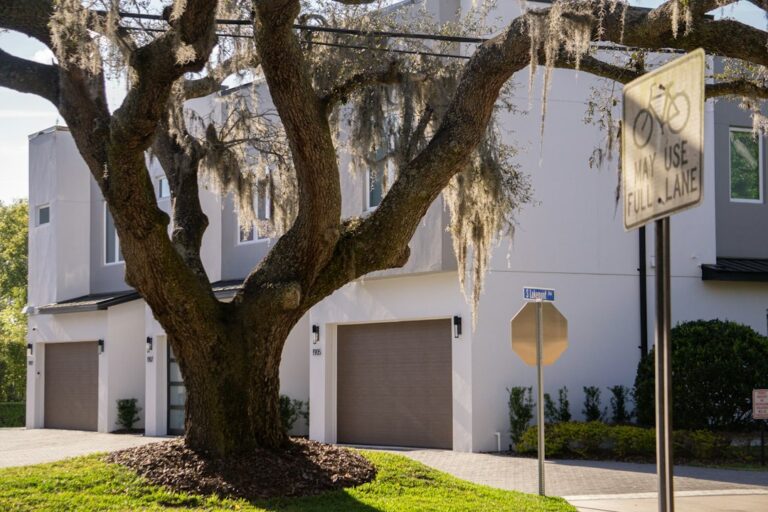 Rentals & tenants
Why Glendale’s Rent Rules Often Don’t Apply to Your Rental
Glendale has its own tenant-protection ordinance, but most single-family rental houses are exempt and fall back to California's AB 1482 instead.
Read the guide →