
Sell a Tenant-Occupied House in Bradbury, CA
- Foreclosure, inherited, tenants, damage — we buy it
- Zero fees, zero commissions, zero closing costs
- No obligation — turn the offer down and owe us nothing


A Rare Situation in an Almost Entirely Owner-Occupied City
Most Bradbury homes are owner-occupied, but if you do own a leased Bradbury property, here is how a sale with a tenant in place actually works.
Bradbury is almost entirely owner-occupied. There is no apartment or condominium inventory, and long-term single-family rentals are less common in a city this small — most estates here are lived in by their owners. Because of that, a tenant-occupied sale is an uncommon situation in Bradbury, but not an impossible one, and Cash Home Buyers CA can work through it if it applies to you.
If Your Bradbury Property Does Have a Tenant
If you do hold a leased Bradbury estate or guest house, the same statewide rules apply here as anywhere else in California.
Tenancies that have run 12 months or longer are generally covered by the California Tenant Protection Act (AB 1482), which requires just cause for termination and specific notice periods before a tenant can be asked to leave.
A sale itself does not automatically end a lease, and a buyer generally takes the property subject to the existing tenancy unless the lease or applicable exemptions say otherwise.
Selling With a Tenant in Place
We can purchase a Bradbury property with a tenant currently in it, keeping their lease in place through closing, which avoids a vacancy period and the notice and relocation obligations that can come with asking a tenant to leave before a sale.
This also tends to be the more efficient path in a small market like Bradbury, where there’s no benefit to marketing an occupied property to the general public.
Selling After the Property Is Vacant
If you’d prefer to sell with vacant possession, any required notice and timeline under AB 1482 and your specific lease terms would need to run their course first. We’re glad to discuss both paths and can structure a closing date around whichever fits your situation.
Sell House With Tenants in Bradbury: How It Works in Practice
Most Bradbury homes are lived in by their owners, which is exactly why owners who need to sell a house with tenants in Bradbury often have few people to ask about it.
The situations we hear about are usually specific: an estate leased to a family while the owner lives elsewhere, a guest house rented on a separate agreement, a home an heir inherited with a tenant already in place, or a property rented out after a move that did not go as planned.
In each case, the lease does not end because the property is sold. The buyer takes over as landlord, and the tenant keeps the same rights under the same agreement.
That continuity is often reassuring to tenants, and a calm, early conversation about it tends to make the walkthrough and closing easier for everyone.
Which Tenant Rules Apply in Bradbury
Bradbury has no local rent control or just-cause ordinance, so the statewide Tenant Protection Act, AB 1482, is the main framework.
For covered units, it limits annual rent increases to 5 percent plus inflation, capped at 10 percent, and requires just cause to end a tenancy once a tenant has lived there for 12 months; a no-fault termination generally requires relocation assistance equal to one month’s rent.
A single-family home owned by an individual, rather than a corporation or REIT, can be exempt, but generally only if the lease included the required written exemption notice. Homes built within the last 15 years are also generally outside the Act.
Whether AB 1482 covers your rental affects the options for ending a tenancy, not your ability to sell with the tenant in place. A landlord-tenant attorney can confirm your property’s status.
Bradbury Prices and the Tenant-Occupied Buyer Pool
Redfin’s data for the three months ending August 2026 shows a Bradbury median sale price of about $2.4 million, up 21.1 percent year over year, based on only a handful of sales.
At that level, most buyers want to live in the home themselves, which means an occupied property narrows an already thin buyer pool.
Investors who buy rental property with the tenant in place are a much smaller group, and a cash buyer is one of the few routes that does not depend on the tenant leaving first.
The offer is priced on the property and its condition, with the lease and current rent taken into account rather than treated as an obstacle.
Selling Occupied Versus Vacating First
| Factor | Sell with the tenant in place | Vacate, then list |
|---|---|---|
| Timeline | Offer in 24 to 48 hours; close in a few weeks | Lease term or notice period, then market time |
| Relocation assistance | Not needed for the sale | Often required for a no-fault termination under AB 1482 |
| Rental income | Continues until closing | Stops once the home is vacant |
| Showings | One walkthrough with proper notice | Repeated showings once vacant |
| Commissions | None to you | Often around 5 to 6 percent combined |
| Certainty | No financing contingency | Jumbo financing and appraisal risk |
Leases, Deposits and Access During the Sale
At closing, the tenant’s security deposit is usually credited to the buyer through escrow, and the tenant receives written notice identifying the new owner and where to pay rent, as California law requires when a deposit is transferred.
Prorated rent for the closing month is split on the settlement statement. Before the walkthrough, California generally requires reasonable written notice to the tenant, usually 24 hours, and entry during normal business hours. On a gated property, coordinate gate access with the tenant ahead of time.
A tenant estoppel certificate, signed during escrow, confirms the rent, deposit and lease terms so there is no disagreement later.
Should You Wait for the Lease to End?
If a fixed-term lease ends in a few months and the tenant plans to leave, waiting and selling vacant can make sense, especially for a home that would appeal to owner-occupant buyers. But plans change.
A tenant may ask to stay, a month-to-month tenancy may continue indefinitely, and ending a tenancy that AB 1482 covers generally requires a just-cause reason and, for no-fault reasons, relocation assistance. Meanwhile you keep carrying the property, the fire-zone insurance and the upkeep. Selling occupied removes that uncertainty.
Many owners get a written offer first, then compare it with the realistic timeline for a vacant sale before deciding.
Documents That Help an Occupied Sale Close Smoothly
- The current lease and any amendments, or a written summary of a verbal agreement.
- A record of the security deposit and any prepaid rent.
- Copies of any notices you have served, including rent increase notices and any AB 1482 exemption notice.
- The tenant’s contact information for scheduling the walkthrough and the estoppel certificate.
- Any records of repairs you made during the tenancy and the tenant’s move-in condition report, if you have one.
- Gate codes or remotes the tenant and the buyer will need after closing.
Guest Houses, Caretakers and Other Arrangements
Some Bradbury properties have a guest house rented separately, a relative living in a second dwelling, or a caretaker who lives on site. These arrangements are not all the same legally.
A written or verbal rental agreement is usually a tenancy; housing provided as part of a job can be treated differently. If you are unsure how an arrangement would be treated, ask an attorney before you give any notice.
For a sale, we simply need to know who lives on the property, on what terms, and what they pay, if anything.
Three Steps to Sell Your Bradbury Rental Property
1. Call or text 424-435-2326 with the lease terms, rent and deposit. 2. One walkthrough with proper notice and a written cash offer with proof of funds within 24 to 48 hours.
We can buy your house directly or bring in a vetted cash buyer from our network; either way you get one written offer, one escrow, and no fees or commissions to you.
3. Close on your date through a neutral escrow company that holds the deposit, credits the tenant’s security deposit and closes through a title company on the day you choose.
Taxes When You Sell a Rental
Selling rental property can trigger depreciation recapture and capital gains tax, unless you complete a 1031 exchange into another investment property within strict identification and closing deadlines.
If the home was once your primary residence, part of the gain may qualify for the home sale exclusion depending on how long you lived there. Talk to a CPA or qualified intermediary before opening escrow.
If the rental came to you through an estate, see our guide to selling an inherited house in Bradbury; if the property needs work you would rather not fund, see selling as-is in Bradbury. To talk through a tenant-occupied sale without ending the lease, call or text 424-435-2326.
Frequently Asked Questions
Can I sell my house with tenants in Bradbury without ending the lease?
Yes. The lease transfers to the new owner at closing, so you do not need to give notice or pay relocation assistance to sell. Rent continues to you until escrow closes.
Does AB 1482 apply to my Bradbury rental home?
It may. Bradbury has no local rent control, so AB 1482 is the main rule. A single-family home owned by an individual can be exempt if the required exemption notice was given; a landlord-tenant attorney can confirm.
What happens to my tenant’s security deposit when I sell?
It is usually credited to the buyer through escrow, and the tenant gets written notice of the new owner. After that, the new owner is responsible for returning it under the lease.
Are there many tenant-occupied properties in Bradbury?
No. Bradbury is almost entirely owner-occupied with essentially no apartment or multi-family housing, so this is an uncommon situation here.
Do I have to end the lease before selling?
No. We can purchase the property with the tenant’s lease in place, or work with you on a vacant sale if that’s what you prefer.
Does AB 1482 apply in Bradbury?
Yes, the same statewide just-cause and notice rules apply to a qualifying Bradbury tenancy as anywhere else in California.
Will the sale affect my tenant’s lease?
Not automatically. A buyer generally takes the property subject to the existing lease unless it’s structured otherwise as part of the sale.
Get a free, no-obligation cash offer on your Bradbury property from Cash Home Buyers CA today.
Seller Guides
Helpful guides for homeowners in Bradbury
Plain-English answers to the questions sellers ask us most.
 Selling for cash
Stanislaus County’s Tax-Defaulted Property Auction and the Excess Proceeds Claim Deadline
Stanislaus County auctions tax-defaulted homes online each May, and former owners get only one year under Civil Code 4675 to claim excess sale proceeds.
Read the guide → Rentals & tenants
Emeryville’s Just Cause Eviction Ordinance: Relocation Pay Under Municipal Code 5-40
Emeryville's Municipal Code 5-40 requires just cause from day one and relocation pay scaled by landlord size, stricter than statewide AB 1482.
Read the guide →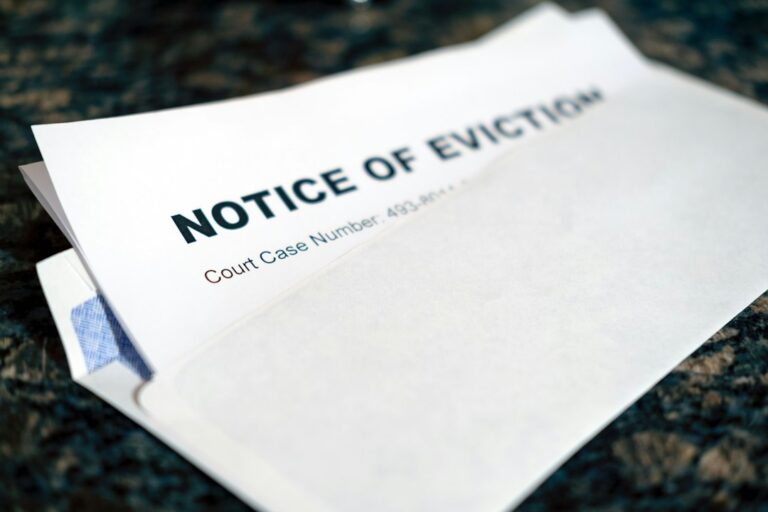 Rentals & tenants
California’s Just Cause Eviction Notice: What Civil Code 1946.2 Requires
Civil Code 1946.2 requires a stated reason to end most tenancies after 12 months, and one month's rent in relocation pay within 15 calendar days.
Read the guide → Rentals & tenants
California Condo Conversion: Tenant’s Right to Buy First
Gov. Code 66427.1 gives tenants a 90-day right to buy first and five required notices before a condo conversion in California. Here's how it works.
Read the guide → Rentals & tenants
Los Angeles SCEP Inspections and Fees: What a Landlord Selling a Rental Needs to Know
LA's SCEP program bills landlords per unit and can trigger REAP or a recorded notice. Here's what a landlord selling a rental needs to clear first.
Read the guide → Rentals & tenants
The 90-Day Notice California Tenants Get After a Foreclosure Sale
A foreclosed rental does not mean an instant eviction. California and federal law require a 90-day notice, and sometimes a full lease, to be honored first.
Read the guide → Rentals & tenants
California’s Owner Move-In Eviction Rules Explained
An owner move-in eviction in California only holds up if a qualifying relative moves in within 90 days and stays a year, per Civil Code 1946.2.
Read the guide → Rentals & tenants
Glendale Tenant Relocation Ordinance: What Sellers Should Know
Glendale's relocation-assistance and notice ordinance sits on top of AB 1482. Here's what sellers must confirm before ending a tenancy.
Read the guide → Rentals & tenants
Burbank Tenant Protection Ordinance: Notice and Relocation Pay Rules
Burbank's tenant protection ordinance sets its own relocation pay schedule and remodel notice rules beyond AB 1482. What sellers need to know.
Read the guide →