
Sell a House With Tenants in Lincoln Heights, CA
- Foreclosure, inherited, tenants, damage — we buy it
- Zero fees, zero commissions, zero closing costs
- No obligation — turn the offer down and owe us nothing


Fast, Fair, and Reliable Offers
Sell your Lincoln Heights rental with the tenants and leases in place, and get a written cash offer without notices, vacancies or relocation payments.
Sell a House With Tenants in Lincoln Heights Without Emptying It First
In a neighborhood where roughly three out of every four housing units are rentals, the most common question we hear from owners is how to sell a house with tenants in Lincoln Heights. The short answer is that you usually do not need the tenants to leave.
A rental property can be sold occupied: the lease continues with the new owner, rent keeps coming in until closing, and the security deposits move to the buyer through escrow.
Selling without evicting avoids months of vacancy, the legal risk of a contested move-out and, in many cases, relocation payments required by city rules.
The rental housing here has deep roots. Lincoln Heights was subdivided in 1873 as the city’s first suburb and grew through the early 20th century with a mix of houses, duplexes and apartment buildings built largely for renters.
Today that means many landlords own an older house with a back unit, a duplex off North Broadway or a small building near Mission Road or Figueroa Street, often with tenants who have been in place for years at rents well below today’s market.
What Recent Sales Tell Rental Owners
Redfin’s August 2026 data for Lincoln Heights reports a median sale price of about $700,000 over the three months ending in August, down 28.7 percent year over year. The median time on market was 64 days, down from 74, and 22 homes sold in August versus 4 a year earlier. Homes sold at about 102.6 percent of list on average; 52.2 percent sold above list while 37.4 percent had a price drop.
Those figures mostly describe homes marketed to owner-occupants. An occupied rental is a different product. Many buyers who would pay a premium want to move in, and a unit covered by rent control cannot simply be emptied for them.
That narrows the pool mainly to investors, who price a building on its current rents, its condition and the rules that come with it.
Different data sources also vary widely for a neighborhood this small; the Movoto figures on our main Lincoln Heights page reflect just two recorded sales in the same month.
Occupied Cash Sale vs. Listing a Rental
| Topic | Cash sale with tenants in place | Listing the rental |
|---|---|---|
| Timeline | Written offer usually within 24 hours; closing in a few weeks, allowing time for lease and deposit paperwork | Smaller buyer pool; financed buyers usually need 30-45 days once in contract |
| Repairs | None; the building is bought as is | Lender-required repairs mean scheduling contractors around tenants |
| Showings | One walkthrough after proper notice | Repeated showings, each requiring written notice to tenants |
| Commissions | No fees or commissions | Agent commissions often total around 5-6% combined |
| Closing costs | Stated in the written offer | Seller usually pays transfer taxes plus escrow and title shares |
| Certainty | No loan or appraisal contingency | Investment-property financing and appraisals can delay or end a deal |
Rent Rules for Lincoln Heights Rentals
Because Lincoln Heights is inside the City of Los Angeles, a rental can be covered by city ordinances and state law at the same time. Coverage depends on when the building was approved for occupancy, how many units it has and who owns it. The overview below is general; a landlord-tenant attorney can confirm how it applies to your property.
The Rent Stabilization Ordinance
Units in buildings with a certificate of occupancy issued on or before October 1, 1978 generally fall under the Los Angeles Rent Stabilization Ordinance, known as the RSO.
Given how old much of the neighborhood’s housing is, that often includes duplexes, fourplexes and houses with more than one unit on the lot. The RSO limits annual rent increases, restricts evictions to specific grounds and requires relocation assistance for no-fault evictions.
RSO status stays with the property after a sale, so the buyer takes on the same rules.
The Just Cause Ordinance and AB 1482
Units that are not under the RSO may still be covered by the city’s Just Cause Ordinance.
At the state level, AB 1482 caps annual rent increases for many rentals older than 15 years at 5 percent plus local CPI, up to 10 percent, and requires just cause once a tenant has lived there for 12 months.
Single-family homes and condos owned by individuals can be exempt from AB 1482 if the required written notice was given to the tenant.
What a sale changes, and what it does not
- The lease stays in force, with the same rent, term and rights.
- Security deposits transfer to the buyer at closing, and the tenant is told who now holds them.
- Rent is prorated so you keep rent through closing.
- Entry for a walkthrough generally requires proper written notice.
- Rent registration and any pending city matters carry over to the new owner.
Three Steps to Sell Your Rental
1. Share the basics
Call or text 424-435-2326 or use the form at the top of the page. Tell us the unit count, current rents, lease terms and anything you know about condition.
2. Noticed walkthrough and written offer
After the tenants receive proper notice, we see the property once and send a written cash offer, usually within 24 hours. We can buy your house directly or bring in a vetted cash buyer from our network; either way you get one written offer, proof of funds, a neutral escrow company, a clear closing date, and no fees or commissions.
3. Escrow completes the handoff
A neutral escrow company holds the deposit, gathers leases and tenant estoppel certificates confirming rents and deposits, prorates rent and transfers the deposits. You pick the closing date.
Why Owners Sell a House With Tenants in Lincoln Heights Rather Than Wait
Landlords reach this point for many reasons. Some have owned a building for decades and are ready to stop handling repairs, rent collection and city compliance. Some inherited a rental and never planned to be landlords.
Others face a large capital repair, such as a roof, a sewer line or foundation work, and would rather sell than finance it. And some simply see that their rents, held down by rent control for years, will never cover the building’s rising costs.
Waiting for a tenant to leave on their own can take years, and trying to speed it up can carry real legal and financial risk under city rules.
Selling the property as it is lets the next owner take on the lease, the tenancy and the building, while you move on with a set closing date.
For many owners of older duplexes and small buildings near North Broadway, that clarity is worth more than holding out for a vacancy that may never come.
Paperwork That Speeds Up an Occupied Sale
Buyers of rental property want to confirm what they are taking on.
You can shorten escrow by gathering copies of every current lease and any amendments, a rent roll showing each unit’s rent and deposit, your city rent registration records, any notices you have served or received, and records of recent repairs.
Tenant estoppel certificates, in which each tenant confirms the rent, deposit and lease terms, are commonly collected during escrow.
The City of Los Angeles also generally requires the 9A report and retrofit certifications before closing, and the transfer taxes of $1.10 per $1,000 for the county and $4.50 per $1,000 for the city apply to rental sales as well. Measure ULA applies only to high-value sales well above typical prices here.
Rental Property We Buy in Lincoln Heights
We buy single-family rentals, houses with a back unit, duplexes, triplexes and small apartment buildings throughout the neighborhood, including properties with long-term tenants at below-market rents, units with deferred maintenance and buildings near the I-5 corridor. If the building also needs significant work, our guide to how to sell a house as is in Lincoln Heights covers condition and disclosure questions.
Talking With Your Tenants
Tenants often worry when they hear a property is for sale. A short, calm conversation helps: explain that their lease stays in effect, that their deposit will be transferred and that any visit will come with proper notice.
Keeping tenants informed also tends to make the single walkthrough and the estoppel paperwork go smoothly. If a tenant has questions about their rights, the city’s housing department or a tenant organization can explain them.
It also helps to be clear with yourself about timing. If a tenant has already given notice and will be leaving soon, you may choose to wait and sell the unit vacant, or you may prefer to close first and let the buyer handle the turnover.
Either way, tell us what is happening with each unit so the written offer reflects the real situation on closing day rather than an assumption.
Frequently Asked Questions
Can I sell a house with tenants in Lincoln Heights without evicting them?
Yes. A sale does not end the lease. The tenants stay on the same terms, and the lease and security deposits transfer to the buyer at closing.
Is my Lincoln Heights rental covered by the RSO?
It may be. Units in buildings with a certificate of occupancy on or before October 1, 1978 are generally covered by the City of Los Angeles RSO. An attorney or the city housing department can confirm coverage for your property.
Do I have to pay relocation to sell my rental?
Not when you sell with the tenants in place. Relocation assistance generally arises from certain no-fault evictions, which an occupied sale avoids.
What happens to the security deposits?
They transfer to the buyer through escrow at closing, and the tenants are told who holds them going forward.
Do you buy duplexes and small apartment buildings?
Yes. We buy single-family rentals, duplexes, triplexes and small buildings across Lincoln Heights, occupied or vacant.
How much notice do tenants need before a walkthrough?
California generally requires reasonable written notice, commonly 24 hours, before a landlord enters to show the unit. Check your lease and local rules.
Can I sell a rental property that has code violations?
Usually yes. Disclose what you know, and the cost of addressing the violations is reflected in the offer rather than something you must fix first.
Will a buyer raise the rent after I sell?
A new owner must follow the same lease and rent rules that applied to you. Under the RSO or AB 1482, rent increases are generally limited, and the lease terms stay in effect until they expire or change under the law.
Ready to stop being a Lincoln Heights landlord? Call or text 424-435-2326 or use the form above for a written cash offer on your occupied rental, with no fees or commissions and no need to empty the units.
Lincoln Heights is part of the City of Los Angeles. For the citywide picture, see our guide to selling a house with tenants in Los Angeles.
Seller Guides
Helpful guides for homeowners in Lincoln Heights
Plain-English answers to the questions sellers ask us most.
 Relocating
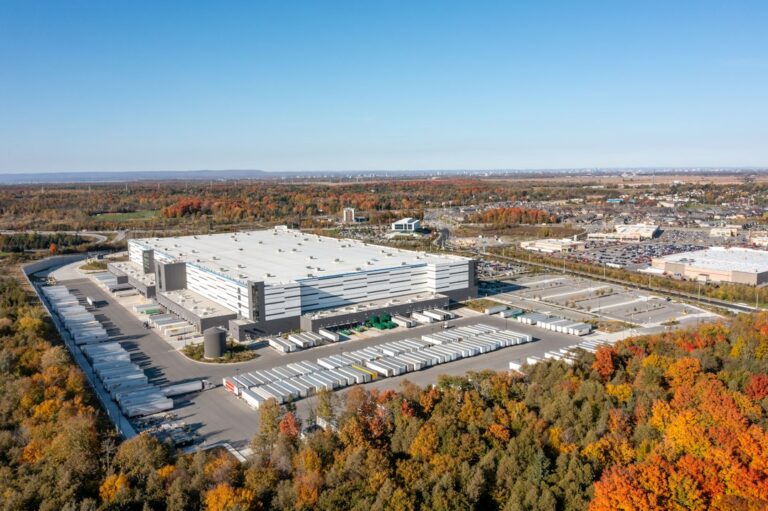
Fontana’s Warehouse Boom: What It Means If You’re Relocating
Fontana grew from a wartime steel town into an Inland Empire logistics hub. See what that shift means for home values and selling if you are relocating.
Read the guide → Rentals & tenants
How Much Must Long Beach Landlords Pay Tenants Under the Relocation Ordinance?
Long Beach landlords: see the LBMC 8.99 relocation payments, notice periods, and city filing step required before a no-fault tenant termination.
Read the guide → Rentals & tenants
Pasadena Tenant Protection Ordinance: Notice & Pay Rules
Pasadena's tenant protection ordinance sets notice periods, split relocation pay, and rent caps for owners selling a tenant-occupied rental.
Read the guide →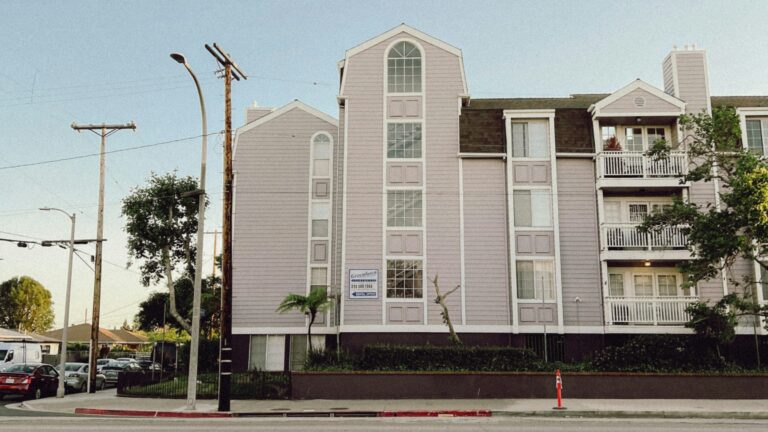 Rentals & tenants
LA RSO Registration Must Be Current Before You Sell
Check the current LAHD RSO, JCO and SCEP fees, the annual deadline, and the 45-day re-registration window you must clear before selling a rental.
Read the guide → Rentals & tenants
Santa Monica Tenant Buyout Agreements: The Notice, the 30-Day Cancel and the Filing Window
Santa Monica buyouts need a rights notice before any offer, a 30-day cancel period and filing on day 31-60. See the 2026 minimum amounts and penalties.
Read the guide → Rentals & tenants
The LAHD Filing Deadline Landlords Miss on a Tenant Buyout in Los Angeles
Los Angeles tenant buyouts require an LAHD disclosure before any offer, a 30-day rescission right, and a signed agreement filed with LAHD within 60 days.
Read the guide → Rentals & tenants
What REAP Actually Means for a Los Angeles Landlord Trying to Sell
If your Los Angeles rental is in REAP — the city's Rent Escrow Account Program — your tenants are legally paying 10%…
Read the guide → Rentals & tenants
What the AB 1482 Single-Family Exemption Does and Doesn’t Cover in North Redondo Beach
Many North Redondo Beach rentals fail the AB 1482 single-family exemption test. Here's what sellers of a tenant-occupied home must verify first.
Read the guide → Rentals & tenants
Why Glendale’s Rent Rules Often Don’t Apply to Your Rental
Glendale has its own tenant-protection ordinance, but most single-family rental houses are exempt and fall back to California's AB 1482 instead.
Read the guide →