
Sell a Tenant-Occupied House in Studio City, CA
- Foreclosure, inherited, tenants, damage — we buy it
- Zero fees, zero commissions, zero closing costs
- No obligation — turn the offer down and owe us nothing


Sell With the Lease Still in Place
We buy rental properties in Studio City with tenants in place, no move-out required.
Selling a tenant-occupied house in Studio City does not require ending the lease first. Cash Home Buyers CA buys rental properties directly, with tenants in place, throughout Studio City and the rest of Los Angeles.
Why landlords sell with tenants still in the house
Most retail buyers want a vacant, move-in-ready home, which pushes many agents to recommend clearing tenants out before listing. That process takes time, and in the City of Los Angeles it is governed by real legal limits on when and how a landlord can end a tenancy.
Selling directly to us skips that step entirely — we buy the property with the lease intact, and the tenancy simply continues under the new ownership, exactly as California law requires.
What Los Angeles and California law say about a sale with tenants in place
Selling a rental does not, by itself, give either the landlord or a new owner the right to terminate a tenancy.
Under the statewide Tenant Protection Act (AB 1482), most rentals built more than 15 years ago are subject to caps on annual rent increases and require a legally recognized “just cause” before a tenancy can be ended.
Many Studio City properties, particularly older multi-unit buildings, also fall under the City of Los Angeles Rent Stabilization Ordinance (RSO), which layers additional protections and relocation-assistance requirements on top of the statewide rules for qualifying units.
A sale itself is not just cause to remove a tenant under either framework — the new owner takes the property subject to the existing lease and the tenant’s rights.
How we handle the transition
We review the lease, the rent roll, and the security deposit records as part of evaluating the property, then structure the purchase so the tenancy carries forward without disruption.
Rent continues to be collected under the existing terms, the security deposit transfers to us at closing per California law, and the tenant is notified of the change in ownership the way any property sale requires.
You are not responsible for coordinating a move-out, and the tenant does not need to be involved in negotiating the sale itself.
Why this matters more in a hot Studio City market
Redfin’s data puts Studio City’s median sale price at $1.94 million over the three months ending in July 2026, up 38.2 percent year over year.
That kind of appreciation makes many landlords reconsider whether to keep collecting rent or cash out, but it does not change the legal process required to end a tenancy first.
Waiting for a lease to expire, or pursuing a just-cause termination, can take months and carries real legal risk if the process isn’t followed exactly. Selling with the tenant in place avoids that timeline altogether.
Studio City’s rental housing stock
Studio City, zip code 91604, developed around Ventura Boulevard between Cahuenga Pass and Laurel Canyon, and its rental stock ranges from single-family houses converted to long-term rentals to small multi-unit apartment buildings built in the decades after the neighborhood grew up around what became Radford Studio Center (formerly CBS Studio Center).
Older buildings, generally those constructed before October 1978, are the ones most likely to fall under the Los Angeles Rent Stabilization Ordinance, which adds relocation-assistance and just-cause requirements on top of the statewide Tenant Protection Act.
Knowing which framework applies to your specific property is one of the first things we sort out when we review a rental.
How the sale process works
Tell us about the property, the lease terms, and current rent. We’ll review the rent roll, confirm whether RSO applies, and pull comparable sales for similar tenant-occupied properties in Studio City.
From there we send a written offer, typically within 24 to 48 hours, and if you accept, we open escrow with a Los Angeles title company and coordinate the security deposit transfer and tenant notification as part of closing. You choose the closing date, and we can typically close in 7 to 14 days.
What kinds of rentals we buy
- Single-family homes with a long-term tenant on a month-to-month or fixed lease
- Small multi-unit buildings, including those covered by the Los Angeles RSO
- Properties where the tenant has lived there for years and the landlord wants to exit without disrupting them
- Rentals with deferred maintenance that would be difficult to finance for a retail buyer anyway
What determines your offer
We look at recent comparable sales in your part of Studio City, the property’s condition, the current rent versus market rent, lease terms, and whether the building falls under RSO. A below-market lease on a long-term tenant does affect what an investor would pay, but it does not disqualify the property — we routinely buy rentals exactly like this.
Selling occupied versus waiting for vacancy
Waiting for a lease to expire or pursuing a just-cause termination in Los Angeles can take months, and it isn’t guaranteed — a tenant who disputes the process, or a unit covered by RSO with additional relocation-fee obligations, can extend the timeline further and add real cost.
Meanwhile the property still needs insurance, property tax and maintenance paid every month it sits vacant or mid-process.
Selling with the tenant in place converts that uncertain multi-month process into a cash sale that can close in as little as two to three weeks, with the rent continuing to be collected right up until closing.
What it costs to sell to us
There is no commission and no fee for requesting an offer. You are still responsible for the standard county and City of Los Angeles documentary transfer tax (a combined $5.60 per $1,000 of sale price for most transactions), which applies whether the property is vacant or occupied, and any prorated rent and deposit accounting is handled through escrow at closing.
Tenant-occupied sale FAQ
Do I need to tell my tenant I’m selling?
California landlords generally must provide reasonable notice before showings, and the tenant will need to be informed once a sale is finalized. We can advise on the specific notice requirements for your property.
Will the new owner be able to evict my tenant after closing?
No sale by itself creates just cause to end a tenancy under state or Los Angeles rules. The lease and the tenant’s protections carry forward with the property regardless of who owns it.
What happens to the security deposit at closing?
California law requires the security deposit to transfer to the new owner at closing, along with a full accounting. We handle that transfer through escrow as part of the sale.
Do you buy properties covered by the Los Angeles RSO?
Yes. We evaluate RSO-covered buildings regularly and factor the additional rules into our offer and closing process.
Can I sell if my tenant is behind on rent?
Yes. We take unpaid rent and the tenant’s payment history into account as part of the offer, rather than requiring the situation to be resolved first.
Can you buy a small multi-unit building, not just a single-family rental?
Yes. We regularly evaluate duplexes, triplexes and small apartment buildings in Studio City, including those subject to the Los Angeles RSO, and structure the offer around the full rent roll.
Ready to sell your Studio City rental without disturbing your tenant? Call or text (424) 435-2326 or use the form above.
Studio City is part of the City of Los Angeles. For the citywide picture, see our guide to selling a house with tenants in Los Angeles.
Seller Guides
Helpful guides for homeowners in Studio City
Plain-English answers to the questions sellers ask us most.
 Rentals & tenants
Emeryville’s Just Cause Eviction Ordinance: Relocation Pay Under Municipal Code 5-40
Emeryville's Municipal Code 5-40 requires just cause from day one and relocation pay scaled by landlord size, stricter than statewide AB 1482.
Read the guide →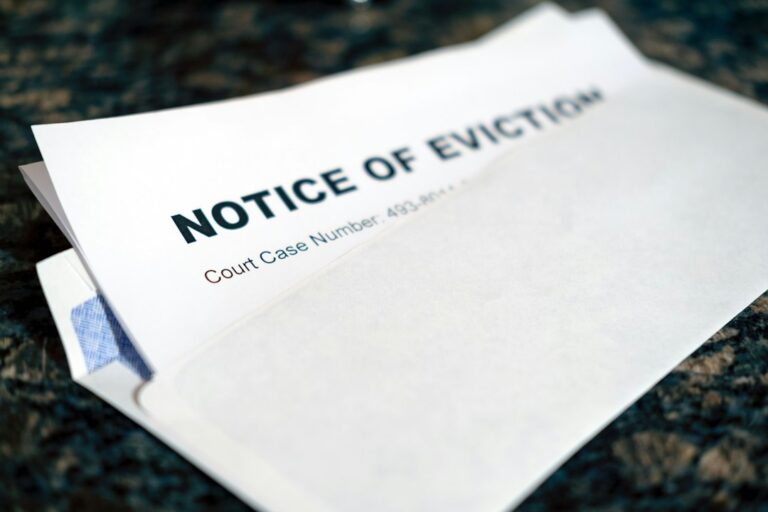 Rentals & tenants
California’s Just Cause Eviction Notice: What Civil Code 1946.2 Requires
Civil Code 1946.2 requires a stated reason to end most tenancies after 12 months, and one month's rent in relocation pay within 15 calendar days.
Read the guide → Rentals & tenants
California Condo Conversion: Tenant’s Right to Buy First
Gov. Code 66427.1 gives tenants a 90-day right to buy first and five required notices before a condo conversion in California. Here's how it works.
Read the guide → Rentals & tenants
Los Angeles SCEP Inspections and Fees: What a Landlord Selling a Rental Needs to Know
LA's SCEP program bills landlords per unit and can trigger REAP or a recorded notice. Here's what a landlord selling a rental needs to clear first.
Read the guide → Rentals & tenants
The 90-Day Notice California Tenants Get After a Foreclosure Sale
A foreclosed rental does not mean an instant eviction. California and federal law require a 90-day notice, and sometimes a full lease, to be honored first.
Read the guide → Rentals & tenants
California’s Owner Move-In Eviction Rules Explained
An owner move-in eviction in California only holds up if a qualifying relative moves in within 90 days and stays a year, per Civil Code 1946.2.
Read the guide → Rentals & tenants
Glendale Tenant Relocation Ordinance: What Sellers Should Know
Glendale's relocation-assistance and notice ordinance sits on top of AB 1482. Here's what sellers must confirm before ending a tenancy.
Read the guide → Rentals & tenants
Burbank Tenant Protection Ordinance: Notice and Relocation Pay Rules
Burbank's tenant protection ordinance sets its own relocation pay schedule and remodel notice rules beyond AB 1482. What sellers need to know.
Read the guide → Rentals & tenants
The July 31 Registration Deadline Culver City Landlords Can’t Miss Before Selling a Rental
Culver City requires annual rental registration by July 31, with penalties that follow into escrow. What the ordinance requires before you sell a rental.
Read the guide →