
Sell a House With Tenants in Pacific Palisades, CA
- Foreclosure, inherited, tenants, damage — we buy it
- Zero fees, zero commissions, zero closing costs
- No obligation — turn the offer down and owe us nothing


Fast, Fair, and Reliable Offers
Sell a rental property or duplex in Pacific Palisades with tenants still in place, without ending the lease, evicting anyone, or waiting for a vacancy first.
Sell a House With Tenants in Pacific Palisades: What Changes and What Does Not
Landlords who want to sell a house with tenants in Pacific Palisades often assume they have to wait for the lease to end or ask the tenant to move out first. That is not the case.
A sale does not by itself end a lease, and the lease, along with any security deposit, generally transfers to the buyer at closing.
If your rental survived the January 2025 fire and still has tenants in place, you can sell it while they continue living there, without displacing anyone in the process.
This matters more in Pacific Palisades right now than it might elsewhere, since so much of the surrounding inventory is vacant fire lots or homes under construction. A rented, occupied house is a genuinely different kind of asset than most of what is currently for sale, and a cash buyer who understands rental property does not need the tenant to leave before making an offer.
Why Landlords Are Selling Occupied Rentals Here Now
A few situations come up repeatedly among landlords with tenant-occupied rentals in Pacific Palisades. Some own a rental near a lot that burned and have decided managing a property surrounded by years of nearby construction is not worth the hassle.
Others inherited a rental home along with the existing tenancy and would rather sell it quickly than take on active day-to-day property management. Some are simply consolidating out-of-state holdings and want to exit California real estate management without an interruption to the tenant’s housing.
In every case, the tenant’s right to stay under the existing lease is unaffected by why the owner is selling.
Pacific Palisades Market Snapshot
Redfin’s August 2026 data shows a median sale price of about $3.37 million in Pacific Palisades, down roughly 3.6 percent year over year, with a median of 55 days on market and a sale-to-list ratio near 96.6 percent across 61 recorded sales.
Movoto’s September 2026 figures separately show a median list price near $3.69 million across 197 active listings, with an average of 106 days on market, a number reflecting the current mix of surviving houses, lots and rebuilds.
Most conventional buyers shopping in that market are looking for a house they can move into themselves, which narrows the pool of financed buyers willing to purchase a tenant-occupied property and wait out an existing lease.
Selling With Tenants vs. Waiting for Vacancy
| Factor | Sell with tenants in place to us | Wait for vacancy, then list |
|---|---|---|
| Timeline | Written offer within 24 to 48 hours; can often close in about two to three weeks | Wait for lease end or notice period, then time on market plus 30-45 day escrow |
| Repairs | None; sold as-is with tenants in place | Often need repairs and cleaning once vacant |
| Showings | One walkthrough, coordinated around the tenant | Repeated showings can disrupt the tenant, or require waiting until vacant |
| Commissions | No fees or commissions | Agent commissions often total around 5-6% combined |
| Closing costs | Spelled out in the written offer | Seller typically pays its customary share plus negotiated credits |
| Certainty | No need to end the tenancy first | Ending a tenancy early can require just cause and relocation assistance under local rules |
How a Tenant-Occupied Sale Works
1. Tell us about the tenancy
Call or text 424-435-2326 or use the form above and share the lease terms, rent amount, and how long the tenant has been in place, along with the security deposit amount.
2. Walkthrough and a written offer
We coordinate a single walkthrough at a time that works for the tenant, then send a written cash offer, usually within 24 to 48 hours. We can buy your house directly or bring in a vetted cash buyer from our network; either way you get one written offer, proof of funds, a neutral escrow company, a clear closing date, and no fees or commissions.
3. Close through escrow, lease and deposit included
The lease and security deposit transfer to the buyer at closing, and escrow handles the accounting so the tenant’s deposit is properly credited. You choose the closing date, and the tenant is simply notified of the new owner afterward.
California and Local Tenant Rules That Apply
Statewide, AB 1482 generally caps annual rent increases at 5 percent plus local CPI, up to a maximum of 10 percent, and requires just cause for eviction after 12 months of tenancy for many rentals older than 15 years.
Because Pacific Palisades is part of the City of Los Angeles, rentals here can also fall under the city’s Rent Stabilization Ordinance and Just Cause Ordinance, which limit rent increases and require documented just cause for most evictions, on top of the statewide protections.
Single-family homes and condos owned by individuals can be exempt from some of these rules if the required notice was given to the tenant, which a landlord-tenant attorney can confirm for your specific lease.
None of these rules require you to end the tenancy before selling. They govern what a new owner can and cannot do with rent and eviction after the sale closes, which is exactly why the lease transfers rather than terminates.
Tenant-Occupied Properties We Buy Across Pacific Palisades
We buy occupied rental houses throughout Pacific Palisades, from smaller homes in the Alphabet Streets to larger properties in Huntington Palisades and the Riviera, including houses that survived the fire and continue to be rented while the surrounding area rebuilds. If your rental also needs repairs you would rather not make first, our guide to selling a house as-is in Pacific Palisades explains how that works alongside an occupied tenancy.
Sell a House With Tenants in Pacific Palisades: Multi-Unit and Single-Family Rentals
The path looks slightly different depending on what kind of rental you own.
A single-family home or condo owned by an individual can sometimes be exempt from parts of the Rent Stabilization Ordinance if the required exemption notice was given to the tenant at move-in, which a landlord-tenant attorney can confirm from your lease file.
A small multi-unit building is more likely to fall fully under the ordinance’s rent-increase and just-cause protections. Either way, we buy both single-family rentals and small multi-unit buildings with tenants in place, and the underlying rule stays the same: the sale transfers the lease rather than ending it.
What Happens to the Tenant After Closing
Once the sale closes, the new owner steps into the landlord role under the existing lease, with the same rent, terms and rules that applied before, including any local rent-stabilization protections the tenant already had. We handle the notification to the tenant as part of closing so the transition is orderly rather than a surprise, and nothing about the sale itself requires you to give notice to end the tenancy.
Documents That Help a Tenant-Occupied Sale Move Smoothly
Having a few items ready speeds up both the offer and the closing:
- A copy of the current lease, including any amendments
- A record of the security deposit amount and where it is currently held
- The tenant’s rent payment history for the past several months
- A government photo ID for every owner on title
- Any notices already sent to the tenant, including rent increase or exemption notices
Having the lease and deposit records organized before you call generally means less back and forth once escrow opens, and it lets us give you a more accurate written offer on the first pass rather than one that needs revising later.
If the Rental Also Has Fire-Related Complications
A tenant-occupied house near the fire perimeter can carry its own set of issues on top of the tenancy itself, including insurance non-renewal notices, smoke exposure that needs disclosure, or nearby construction noise the tenant has had to live with.
None of these change the basic mechanics of a tenant-occupied sale, the lease still transfers and the tenant still stays in place, but they are worth disclosing up front so the offer and the closing timeline both reflect the real situation rather than surprises that surface later in escrow.
Comparing the Numbers Before You Decide
An occupied rental can sometimes sell for less on the open market than a vacant, move-in ready house, simply because it narrows the buyer pool to investors and owner-occupants willing to wait out a lease.
Weigh that against the months you might spend carrying the property while waiting for a lease to end, plus the commission and closing costs a listing would still require, and a direct cash sale with the tenant in place is often close to, or better than, the net you would see from an eventual vacant listing, without the wait or the risk of a vacancy in between.
Getting a written number costs nothing and lets you compare both paths honestly before deciding, and there is no obligation to accept the offer once you see it.
Frequently Asked Questions
How do I sell a house with tenants in Pacific Palisades?
You call or text 424-435-2326 and share the lease terms. We send a written cash offer, and the lease and security deposit transfer to the buyer at closing, so the tenant continues living there under the same terms.
Do I have to evict the tenant before selling?
No. We buy occupied rental houses as they are, with the lease and tenant in place, and never ask you to remove anyone before closing.
Does the Rent Stabilization Ordinance affect a sale?
The Rent Stabilization Ordinance and Just Cause Ordinance limit what a landlord can do with rent and eviction, but they do not prevent a sale. Those rules simply continue to apply to the new owner after closing.
What happens to the security deposit when I sell?
The security deposit generally transfers to the buyer at closing, and escrow handles the accounting so the amount is properly credited and documented.
Will the tenant be notified about the sale?
Yes. We handle notifying the tenant of the change in ownership as part of closing, so the transition happens in an orderly way.
Can I sell a rent-controlled property in Pacific Palisades?
Yes. Rent-stabilized properties can be sold with the tenancy in place. The new owner simply continues to operate under the same rent and just-cause rules that applied before the sale.
How fast can a tenant-occupied sale close?
A clear-title sale can often close in about two to three weeks, coordinated around a single walkthrough that respects the tenant’s schedule.
Ready to sell your occupied rental property in Pacific Palisades without disrupting your tenant? Call or text 424-435-2326 or use the form above for a written cash offer, with no fees or commissions and no obligation.
Pacific Palisades is part of the City of Los Angeles. For the citywide picture, see our guide to selling a house with tenants in Los Angeles.
Seller Guides
Helpful guides for homeowners in Pacific Palisades
Plain-English answers to the questions sellers ask us most.
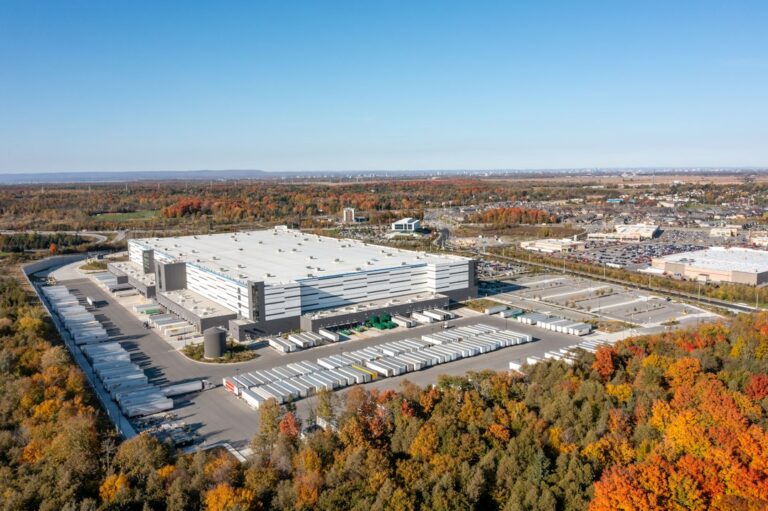 Relocating
Fontana’s Warehouse Boom: What It Means If You’re Relocating
Fontana grew from a wartime steel town into an Inland Empire logistics hub. See what that shift means for home values and selling if you are relocating.
Read the guide → Rentals & tenants
How Much Must Long Beach Landlords Pay Tenants Under the Relocation Ordinance?
Long Beach landlords: see the LBMC 8.99 relocation payments, notice periods, and city filing step required before a no-fault tenant termination.
Read the guide → Rentals & tenants
Pasadena Tenant Protection Ordinance: Notice & Pay Rules
Pasadena's tenant protection ordinance sets notice periods, split relocation pay, and rent caps for owners selling a tenant-occupied rental.
Read the guide → Rentals & tenants
LA RSO Registration Must Be Current Before You Sell
Check the current LAHD RSO, JCO and SCEP fees, the annual deadline, and the 45-day re-registration window you must clear before selling a rental.
Read the guide → Rentals & tenants
Santa Monica Tenant Buyout Agreements: The Notice, the 30-Day Cancel and the Filing Window
Santa Monica buyouts need a rights notice before any offer, a 30-day cancel period and filing on day 31-60. See the 2026 minimum amounts and penalties.
Read the guide → Rentals & tenants
The LAHD Filing Deadline Landlords Miss on a Tenant Buyout in Los Angeles
Los Angeles tenant buyouts require an LAHD disclosure before any offer, a 30-day rescission right, and a signed agreement filed with LAHD within 60 days.
Read the guide → Rentals & tenants
What REAP Actually Means for a Los Angeles Landlord Trying to Sell
If your Los Angeles rental is in REAP — the city's Rent Escrow Account Program — your tenants are legally paying 10%…
Read the guide → Rentals & tenants
What the AB 1482 Single-Family Exemption Does and Doesn’t Cover in North Redondo Beach
Many North Redondo Beach rentals fail the AB 1482 single-family exemption test. Here's what sellers of a tenant-occupied home must verify first.
Read the guide → Rentals & tenants
Why Glendale’s Rent Rules Often Don’t Apply to Your Rental
Glendale has its own tenant-protection ordinance, but most single-family rental houses are exempt and fall back to California's AB 1482 instead.
Read the guide →