
Sell a Tenant-Occupied House in South Pasadena
- Foreclosure, inherited, tenants, damage — we buy it
- Zero fees, zero commissions, zero closing costs
- No obligation — turn the offer down and owe us nothing


Sell With Renters Still in Place
Selling a South Pasadena rental with tenants in it, and what California’s statewide tenant protections mean for the timeline.
Owning rental property in South Pasadena and deciding to exit doesn’t have to mean evicting your tenant first. Cash Home Buyers CA buys tenant-occupied properties throughout South Pasadena, taking on the existing tenancy rather than requiring vacant possession at closing.
Can You Sell a House With Tenants in It?
Yes. A lease or rental agreement generally survives a change in ownership — the new owner steps into the landlord role, subject to the same lease terms, security deposit obligations, and legal protections the tenant already had.
California’s Statewide Tenant Protections (AB 1482)
California’s Tenant Protection Act of 2019 (AB 1482) applies statewide, including in South Pasadena, and generally requires “just cause” to end a tenancy once a renter has been in place for 12 months, along with specific notice periods and, for certain no-fault terminations, relocation assistance requirements.
These are state-level rules, not a local South Pasadena ordinance, and they apply regardless of who owns the property. Whether a specific tenancy is covered depends on the property type and lease details, so it’s worth confirming the specifics with a landlord-tenant attorney if you’re unsure.
Why This Matters More for a Retail Sale Than a Cash Sale
Many owner-occupant buyers need the home vacant to move in, and their lender may require proof of vacant possession before funding. That often forces a landlord to navigate a lawful termination process before ever listing the property, which takes time and has to be done correctly under AB 1482.
A cash buyer purchasing the property as a continuing rental doesn’t need vacant possession, which removes that step from the timeline entirely.
What We Need From You
To evaluate a tenant-occupied property, we typically ask for a copy of the current lease, the monthly rent amount, how long the tenant has been in place, and the security deposit amount held. Escrow handles transferring the deposit and prorating rent as part of closing, the same as in any tenant-occupied sale.
What Happens to the Tenant After Closing
The tenant’s lease terms continue under the new owner. We’re not in the business of displacing tenants as a condition of purchase — our offers are built around the property as an income-producing asset with the tenancy intact, which is often the outcome an investor-owner is looking for anyway.
Frequently Asked Questions
Do I have to evict my tenant before selling to you?
No. We regularly buy properties with tenants in place and take on the existing lease.
Does AB 1482 apply to my South Pasadena rental?
AB 1482 is a California statewide law, so it generally applies regardless of which city the property is in, subject to the property-type and lease exemptions built into the law.
What happens to the security deposit at closing?
It’s transferred to the new owner and accounted for in the closing statement, consistent with standard California practice for occupied-property sales.
Will the new owner have to honor my tenant’s current lease?
Generally yes — a lease typically survives a change of ownership, and the new owner steps into the landlord role under the same terms.
Get a free, no-obligation cash offer from Cash Home Buyers CA today.
Seller Guides
Helpful guides for homeowners in South Pasadena
Plain-English answers to the questions sellers ask us most.
 Selling for cash
Stanislaus County’s Tax-Defaulted Property Auction and the Excess Proceeds Claim Deadline
Stanislaus County auctions tax-defaulted homes online each May, and former owners get only one year under Civil Code 4675 to claim excess sale proceeds.
Read the guide → Rentals & tenants
Emeryville’s Just Cause Eviction Ordinance: Relocation Pay Under Municipal Code 5-40
Emeryville's Municipal Code 5-40 requires just cause from day one and relocation pay scaled by landlord size, stricter than statewide AB 1482.
Read the guide →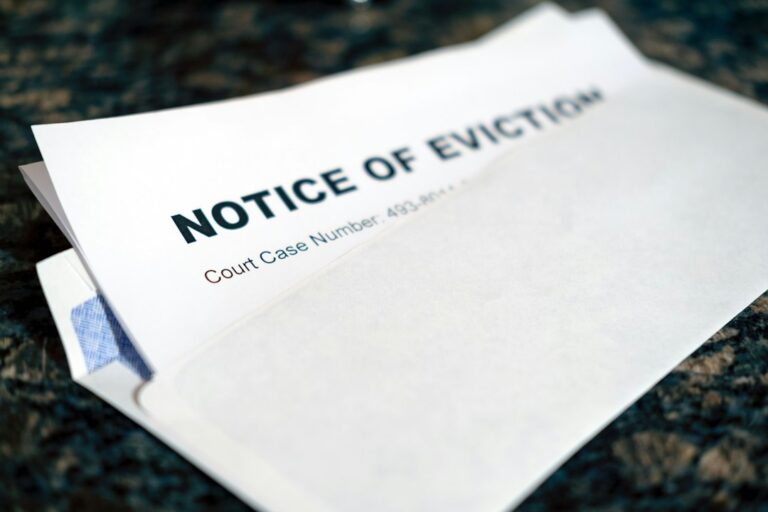 Rentals & tenants
California’s Just Cause Eviction Notice: What Civil Code 1946.2 Requires
Civil Code 1946.2 requires a stated reason to end most tenancies after 12 months, and one month's rent in relocation pay within 15 calendar days.
Read the guide → Rentals & tenants
California Condo Conversion: Tenant’s Right to Buy First
Gov. Code 66427.1 gives tenants a 90-day right to buy first and five required notices before a condo conversion in California. Here's how it works.
Read the guide → Rentals & tenants
Los Angeles SCEP Inspections and Fees: What a Landlord Selling a Rental Needs to Know
LA's SCEP program bills landlords per unit and can trigger REAP or a recorded notice. Here's what a landlord selling a rental needs to clear first.
Read the guide → Rentals & tenants
The 90-Day Notice California Tenants Get After a Foreclosure Sale
A foreclosed rental does not mean an instant eviction. California and federal law require a 90-day notice, and sometimes a full lease, to be honored first.
Read the guide → Rentals & tenants
California’s Owner Move-In Eviction Rules Explained
An owner move-in eviction in California only holds up if a qualifying relative moves in within 90 days and stays a year, per Civil Code 1946.2.
Read the guide → Rentals & tenants
Glendale Tenant Relocation Ordinance: What Sellers Should Know
Glendale's relocation-assistance and notice ordinance sits on top of AB 1482. Here's what sellers must confirm before ending a tenancy.
Read the guide → Inherited homes & probate
South Pasadena’s Historic-Home Review Before a Sale
If you inherited a historic South Pasadena home, Ordinance 2315 can trigger Cultural Heritage Commission review before you alter or sell it. Here is how.
Read the guide →