
Sell a Tenant-Occupied House in Vallejo
- Foreclosure, inherited, tenants, damage — we buy it
- Zero fees, zero commissions, zero closing costs
- No obligation — turn the offer down and owe us nothing


Sell Without Waiting for a Lease to End
You can sell a Vallejo rental with tenants in place. Here’s how AB 1482 and a sale interact.
Owning a tenant-occupied rental in Vallejo doesn’t mean you have to wait for a lease to end, or ask a tenant to move, before you sell. Investors regularly buy occupied properties, and California law gives both landlords and tenants a clear framework for what happens during and after a sale.
Selling With Tenants In Place
A sale itself doesn’t terminate a tenant’s lease. Under California law, a new owner generally takes the property subject to the existing rental agreement, whether it’s a fixed-term lease or a month-to-month tenancy. This is exactly why investor buyers, including us, are often willing to purchase occupied Vallejo rentals directly — the existing tenant and rent roll can be part of the value, not an obstacle to it.
AB 1482 and Just-Cause Protections
Many rental properties in California, including a substantial share of Vallejo’s older multi-unit and single-family rental stock, fall under the statewide Tenant Protection Act of 2019 (AB 1482).
For covered tenancies, a landlord generally cannot end a tenancy without a legally recognized “just cause” reason, and certain no-fault terminations (such as an owner or family member moving in, or taking the unit off the rental market) require specific notice and, in some cases, relocation assistance to the tenant.
A change of ownership through a property sale is not, by itself, a just-cause reason to terminate a tenancy — the new owner typically must honor the existing lease terms.
What Buyers Typically Want to Know
- Current rent amount and whether it’s at or below market for the neighborhood
- Lease type (fixed-term vs. month-to-month) and remaining term
- Security deposit amount held and how it will be transferred at closing
- Tenant payment history and any pending disputes
- Whether the property is subject to AB 1482 just-cause and notice requirements, or a local exemption applies (such as certain newer construction)
Why This Matters More in Some Vallejo Properties Than Others
Vallejo has a mix of older multi-unit buildings, particularly in and around downtown, alongside single-family rentals scattered through neighborhoods like Northgate and Glen Cove.
Older buildings are more likely to fall squarely under AB 1482’s protections, while certain newer construction can qualify for exemptions depending on the property’s age and structure.
Because these distinctions affect both your options as a seller and a buyer’s underwriting, it’s worth confirming your property’s status before listing or accepting an offer.
How We Handle Occupied Properties
We buy tenant-occupied houses throughout Vallejo without requiring the tenant to move out first. We review the lease, security deposit, and rent history as part of our evaluation, then structure closing so the tenancy transfers cleanly to us as the new owner, with security deposit funds handled correctly through escrow.
Frequently Asked Questions
Can I sell my Vallejo rental without evicting the tenant first?
Yes. We regularly purchase occupied properties and take over the existing lease or month-to-month tenancy as the new owner.
Do I have to disclose the lease terms to a buyer?
Yes, disclosing the lease, rent amount, and security deposit is standard practice and typically required as part of the sale.
Does selling the house let the new owner evict the tenant right away?
No. Under AB 1482 and general California landlord-tenant law, a change of ownership alone is not just cause for eviction; the new owner must generally honor the existing tenancy.
What happens to the security deposit at closing?
It’s typically transferred from the seller to the buyer through escrow, along with a full accounting, so the new owner is responsible for it going forward.
Get a free, no-obligation cash offer on your tenant-occupied Vallejo property from Cash Home Buyers CA today.
Seller Guides
Helpful guides for homeowners in Vallejo
Plain-English answers to the questions sellers ask us most.
 Inherited homes & probate
What Probate Actually Looks Like for an Inherited House in Fresno County
Probate for an inherited Fresno County house runs through one courthouse, but the timeline depends on how title was held. What to expect, step by step.
Read the guide →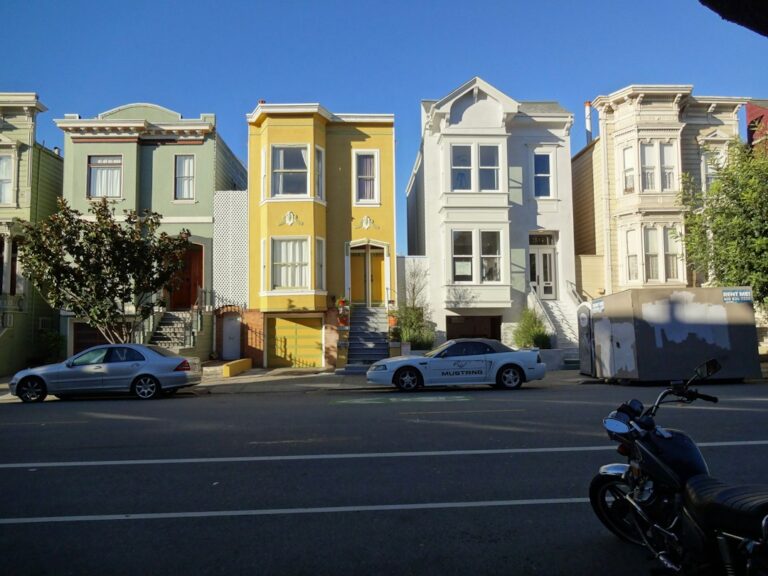 Rentals & tenants
What Alameda’s Relocation Payment Schedule Costs a Landlord Selling With Tenants in Place
Alameda requires a relocation payment, up to five figures per unit, before a landlord can deliver a rental vacant. What the Rent Program requires first.
Read the guide → Rentals & tenants
Which Mountain View Rentals Does the CSFRA Actually Cover?
See which Mountain View rentals the CSFRA covers, its rent cap, just-cause eviction rules, relocation pay, and what landlords must do before raising rent.
Read the guide →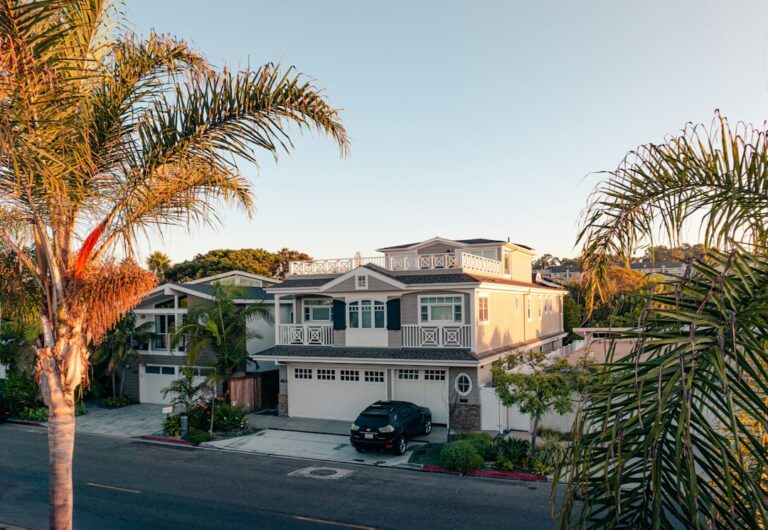 Rentals & tenants
Antioch’s Just Cause Eviction Ordinance: What a Landlord Selling a Rental Must Clear First
Antioch's Tenant Eviction Protection Ordinance (2240-C-S) sets just cause rules, notice deadlines, and relocation pay up to 3 months' rent for landlords.
Read the guide →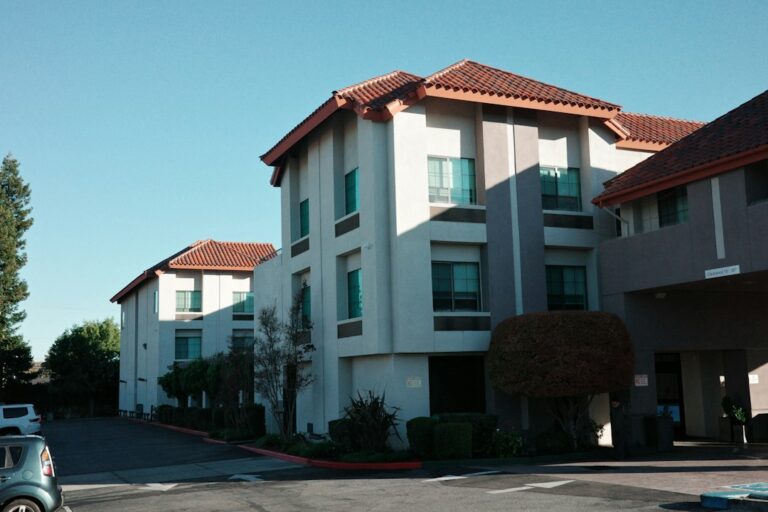 Rentals & tenants
San Jose’s Tenant Protection Ordinance: What a Landlord Selling a Rental Actually Owes
San Jose's Tenant Protection Ordinance sets exact relocation fees and notice rules a landlord must follow before selling a rental property there.
Read the guide → Rentals & tenants
Can a Tenant Refuse Landlord Entry in California?
California tenants can refuse improper entry, but Civil Code 1954 gives sellers a real right of access. Here's the notice rule and what counts as valid.
Read the guide → Rentals & tenants
What Happens When a Tenant Dies in a California Rental?
A tenant's death does not end the lease automatically in California. Here's what happens to rent, the deposit, and belongings before you can sell.
Read the guide → Rentals & tenants
When Does a Guest Become a Tenant in California?
California has no bright-line day count for guest-to-tenant status. Here's how courts decide, and what it means before you sell an occupied house.
Read the guide → Rentals & tenants
Landlord Retaliation Claims in California: What They Mean If You’re Trying to Sell
Selling a rental in California? How Civil Code 1942.5's 180-day retaliation window works, LA just-cause rules, and do's and don'ts for a tenant-occupied sale.
Read the guide →