
Sell a House With Tenants in Westchester, CA
- Foreclosure, inherited, tenants, damage — we buy it
- Zero fees, zero commissions, zero closing costs
- No obligation — turn the offer down and owe us nothing


Fast, Fair, and Reliable Offers
Sell a house with tenants in Westchester without evicting anyone first; we buy with the lease and tenancy in place.
Sell a House With Tenants in Westchester: Who This Is For
If you want to sell a house with tenants in Westchester, this page is for the landlord who owns a rental near Loyola Marymount or along the Sepulveda and Manchester corridors and does not want to wait for a lease to end or push a tenant out before closing.
We buy rental property with the tenancy intact, which avoids the delay and cost of an eviction, and avoids asking a tenant to move on your timeline instead of theirs.
Westchester’s rental stock is largely postwar apartment buildings and older single-family homes converted to rentals, concentrated near the commercial corridors and the university-area blocks. Selling without evicting is often the only realistic option when a lease has time left on it, or when the tenant has lived in the property for years and the landlord does not want the disruption of forcing them out.
Westchester Market Snapshot
Redfin’s August 2026 data for Westchester shows a median sale price of about $1,692,433, up roughly 1 percent year over year, with a median of 42 days on market across 72 recorded sales.
Occupied rental property generally sells to a different pool of buyers than owner-occupant listings, since financed buyers who plan to move in themselves often pass on a tenant-occupied house, while investors and cash buyers routinely purchase rental property with tenants already in place.
Westchester is bordered by Playa Vista and Culver City to the north, Inglewood and Lennox to the east, Hawthorne to the southeast, Del Aire and El Segundo to the south, and Playa del Rey to the west, and it includes LAX itself along with the shoestring district reaching north toward 63rd Street.
Westchester covers about 10.81 square miles and had 39,480 residents as of the 2010 census.
Loyola Marymount University, which relocated to Westchester in 1928, and Otis College of Art and Design both anchor the neighborhood’s northern half, and the rental housing near them, from converted single-family homes to postwar apartment buildings, tends to stay consistently occupied given the steady demand from students, staff and other renters in the area.
Selling With Tenants vs. Waiting for Vacancy in Westchester
| Factor | Sell With Tenant in Place | Wait for Lease to End, Then List |
|---|---|---|
| Timeline | Offer in 24 hours; close in 2-3 weeks or your date | Can mean months of waiting on the lease term |
| Repairs | None required; sold as-is | Repairs and cleaning typically expected between tenants |
| Showings | One walkthrough, coordinated with the tenant | Showings require tenant cooperation or vacancy |
| Commissions | None | Agent commissions often total around 5-6 percent combined |
| Closing costs | No fees or commissions; standard escrow and title costs still apply | Seller typically covers a share of escrow, title and transfer tax |
| Certainty | Written offer, proof of funds, fixed closing date | Depends on tenant move-out and condition at turnover |
How to Sell a House With Tenants in Westchester: The Process
First, call or text 424-435-2326 or use the form on this page with the property address and basic lease details.
Second, we schedule a walkthrough that we coordinate around the tenant’s schedule, usually within a day or two, and follow up with a written cash offer, typically within 24 hours.
Third, once you accept, we open escrow with a neutral escrow company, and the closing date is set with enough lead time to handle lease assignment paperwork.
We can buy your house directly or bring in a vetted cash buyer from our network; either way you get one written offer, proof of funds, a neutral escrow company, a clear closing date, and no fees or commissions.
Tenant Law That Applies to a Westchester Rental Sale
Selling a rental property does not end the lease; the lease and any security deposit generally transfer to the buyer at closing, and the new owner steps into the landlord role under the existing terms.
AB 1482 generally caps annual rent increases at 5 percent plus local CPI, up to a maximum of 10 percent, and requires just cause for eviction after 12 months of tenancy for many rentals older than 15 years, though single-family homes and condos owned by an individual can be exempt if the required notice was given.
Because Westchester is in the City of Los Angeles, rental units in buildings with a certificate of occupancy on or before October 1, 1978 generally fall under the city’s Rent Stabilization Ordinance, and the city’s Just Cause Ordinance can apply additional notice and relocation requirements beyond the statewide rules. A landlord-tenant attorney can confirm exactly which rules apply to a specific Westchester unit.
City Rules on Top of Tenant Protections
Westchester sits inside the City of Los Angeles, so the Department of Building and Safety generally requires the 9A Report of Residential Property Records before closing, along with seismic gas shutoff valve, low-flow fixture and detector certifications.
The city’s transfer tax of $4.50 per $1,000, combined with the county’s $1.10 per $1,000, applies to a tenant-occupied sale the same as any other. None of this requires the tenant to move out before closing.
What We Buy With Tenants in Place
We buy single-family rentals, duplexes and small apartment buildings across Westchester with a tenant or multiple tenants in place, whether the lease is month-to-month or has time remaining on a fixed term.
If the property also needs repairs, it still qualifies to sell as is in Westchester, and if you simply want a fast resolution once you decide to sell, the same fast sale process applies with the tenancy factored into the timeline.
What a Landlord Should Tell a Buyer Before Closing
When you sell a rental, the buyer needs an accurate picture of the tenancy before they can put together a written offer. That generally includes a copy of the current lease, the monthly rent and whether it is current, the security deposit amount, and any pending maintenance requests or disputes.
It also helps to disclose how long the tenant has lived there and whether the unit falls under the city’s Rent Stabilization Ordinance, since that affects what the new owner can and cannot do with rent and notices going forward.
Being upfront about all of this up front generally leads to a smoother closing, since there are fewer surprises for the buyer once escrow is underway.
We coordinate directly with landlords and, where appropriate, with property managers to gather this information rather than asking the tenant to do extra work. In most cases the tenant only needs to know that an ownership change is happening and that their lease terms otherwise continue as before.
Multi-Unit and Small Apartment Buildings
Westchester also has small multi-unit buildings, particularly along the commercial corridors near Sepulveda and Manchester, where some units may be occupied and others vacant at the time of sale.
We buy these buildings as a whole, factoring in the mix of occupied and vacant units, current rent rolls, and the condition of common areas, rather than requiring every unit to be vacant or every tenant to be on the same lease terms.
If you own a building with several tenants on different schedules, we can walk through how each lease transfers and build a closing date that accounts for all of them.
Why Landlords Choose to Sell Instead of Managing Long Term
Some Westchester landlords are ready to exit rental ownership entirely, whether because of retirement, a change in financial priorities, or simply wanting to be done with the responsibilities of being a landlord.
Others own a single rental property they inherited or acquired years ago and never intended to manage long term.
Selling with the tenant in place lets an owner exit on their own schedule without the added step of ending a tenancy first, which can take months even when it is handled properly and in full compliance with notice requirements.
A cash sale also avoids the period of lost rental income that often comes with turning a unit over between tenants, since there is no vacancy to manage, no new tenant to screen, and no turnover repairs to coordinate before a new lease begins.
For an owner weighing whether to keep the property, make repairs and re-rent it, or sell as is with the current tenant, the fastest and most predictable path is usually to sell the property as it stands today.
Working With Property Managers
If a property management company currently handles your Westchester rental, we are glad to work directly with them throughout the process, from scheduling the walkthrough to coordinating lease documents for escrow.
This can make the sale easier for an out-of-state owner or anyone who does not want to be closely involved in the day-to-day details.
The property manager can continue handling tenant communication through the transition, while you focus on reviewing and accepting the written offer, with no change required to how the tenant pays rent until closing actually occurs, and no disruption to the day-to-day management of the property in the meantime.
Frequently Asked Questions
Can I sell a house with tenants in Westchester without evicting them first?
Yes. We buy rental property with the tenancy in place and do not require the tenant to move out before closing.
What happens to the lease when the property sells?
The lease and any security deposit generally transfer to the new owner at closing, and the tenant’s rights under the existing lease continue.
Does AB 1482 limit how much rent can increase after a sale?
Generally yes, for most rentals covered by the law. AB 1482 caps annual increases at 5 percent plus local CPI, up to a maximum of 10 percent, for many units, with some exemptions for individually owned single-family homes and condos.
Does the city’s Rent Stabilization Ordinance apply to my Westchester rental?
It can, if the building received its certificate of occupancy on or before October 1, 1978. A landlord-tenant attorney can confirm whether your specific unit is covered.
Will the tenant need to be present for the walkthrough?
Not necessarily. We coordinate scheduling around the tenant and can often work directly with the landlord or a property manager instead.
How fast can a tenant-occupied sale close in Westchester?
Often within two to three weeks once lease assignment paperwork is in order, though we can adjust the closing date to fit the lease term if needed.
Do I need the tenant’s permission to sell the property?
No. An owner can generally sell a rental property without the tenant’s permission, though reasonable notice before showings is standard practice.
Ready to sell a house with tenants in Westchester? Call or text 424-435-2326 or use the form above for a written cash offer, with no fees, no commissions and no obligation.
Westchester is part of the City of Los Angeles. For the citywide picture, see our guide to selling a house with tenants in Los Angeles.
Seller Guides
Helpful guides for homeowners in Westchester
Plain-English answers to the questions sellers ask us most.
 Relocating
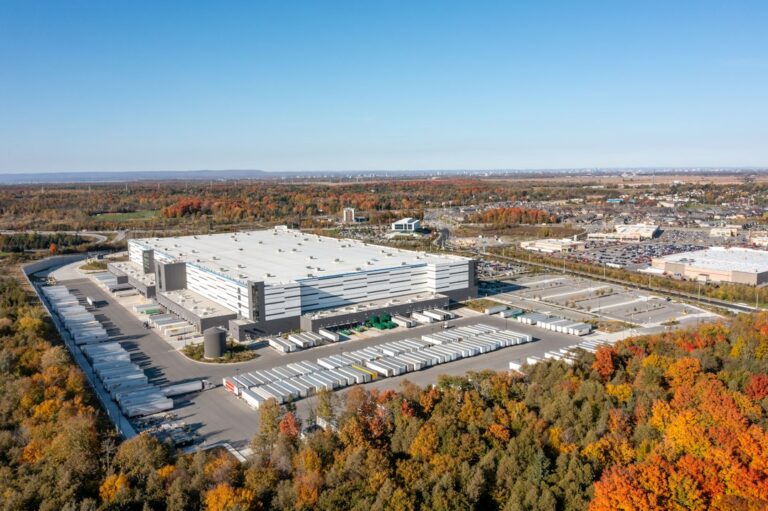
Fontana’s Warehouse Boom: What It Means If You’re Relocating
Fontana grew from a wartime steel town into an Inland Empire logistics hub. See what that shift means for home values and selling if you are relocating.
Read the guide → Rentals & tenants
How Much Must Long Beach Landlords Pay Tenants Under the Relocation Ordinance?
Long Beach landlords: see the LBMC 8.99 relocation payments, notice periods, and city filing step required before a no-fault tenant termination.
Read the guide → Rentals & tenants
Pasadena Tenant Protection Ordinance: Notice & Pay Rules
Pasadena's tenant protection ordinance sets notice periods, split relocation pay, and rent caps for owners selling a tenant-occupied rental.
Read the guide → Rentals & tenants
LA RSO Registration Must Be Current Before You Sell
Check the current LAHD RSO, JCO and SCEP fees, the annual deadline, and the 45-day re-registration window you must clear before selling a rental.
Read the guide → Rentals & tenants
Santa Monica Tenant Buyout Agreements: The Notice, the 30-Day Cancel and the Filing Window
Santa Monica buyouts need a rights notice before any offer, a 30-day cancel period and filing on day 31-60. See the 2026 minimum amounts and penalties.
Read the guide → Rentals & tenants
The LAHD Filing Deadline Landlords Miss on a Tenant Buyout in Los Angeles
Los Angeles tenant buyouts require an LAHD disclosure before any offer, a 30-day rescission right, and a signed agreement filed with LAHD within 60 days.
Read the guide → Rentals & tenants
What REAP Actually Means for a Los Angeles Landlord Trying to Sell
If your Los Angeles rental is in REAP — the city's Rent Escrow Account Program — your tenants are legally paying 10%…
Read the guide →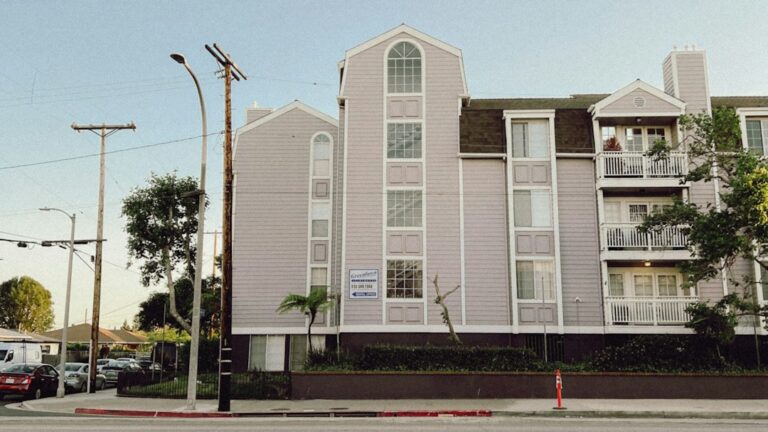 Rentals & tenants
What the AB 1482 Single-Family Exemption Does and Doesn’t Cover in North Redondo Beach
Many North Redondo Beach rentals fail the AB 1482 single-family exemption test. Here's what sellers of a tenant-occupied home must verify first.
Read the guide → Rentals & tenants
Why Glendale’s Rent Rules Often Don’t Apply to Your Rental
Glendale has its own tenant-protection ordinance, but most single-family rental houses are exempt and fall back to California's AB 1482 instead.
Read the guide →