
Sell a Tenant-Occupied House in Westlake
- Foreclosure, inherited, tenants, damage — we buy it
- Zero fees, zero commissions, zero closing costs
- No obligation — turn the offer down and owe us nothing


No Notices, No Vacancy, No Relocation Checks
We buy Westlake rentals with tenants living in them, and we honor the tenancy exactly as it stands.
No Westlake situation page matters more than this one, because renting is the norm here, not the exception.
Close to 95 percent of Westlake’s housing is renter-occupied, packed into early-20th-century apartment buildings and mansions long ago subdivided into flats, and the neighborhood was the second-densest in Los Angeles County as of the 2000 census.
Cash Home Buyers CA buys occupied houses, condos and apartment buildings throughout Westlake without disturbing a single tenancy.
Why Westlake Has an Unusually Deep RSO Footprint
Westlake’s housing stock was largely built out before the city’s October 1, 1978 cutoff for Rent Stabilization Ordinance coverage: early apartment blocks from the 1900s through the 1930s, plus Victorian and Craftsman-era mansions along Alvarado, Sixth and Bonnie Brae that were subdivided into multiple units as the neighborhood urbanized around MacArthur Park.
Because so little of that stock has been replaced, the share of Westlake rental units falling under the RSO is meaningfully higher than the citywide average.
Buildings constructed after 1978 generally fall instead under the statewide Tenant Protection Act, AB 1482, which caps annual rent increases and requires just cause for eviction but carries different relocation rules than the city’s own ordinance.
What the RSO and AB 1482 Mean for a Sale
- The sale itself changes nothing for tenants. A change of ownership is not a lease termination. Whoever buys the property, including us, takes it subject to the existing leases and rent-registration status.
- No-fault evictions require relocation payments. Under the RSO, ending a tenancy for owner move-in or another no-fault reason triggers relocation fees that scale with the tenant’s income and length of tenancy, and the process can take months. Selling with the tenancy intact avoids that cost and delay entirely.
- Rent registration must be current. RSO buildings must be registered annually with the Los Angeles Housing Department; we confirm registration status during escrow rather than requiring you to sort it out beforehand.
- Financed buyers underwrite rent rolls conservatively. A lender evaluating a below-market RSO building often values it near its current rent roll rather than its market-rent potential, which is a large part of why occupied Westlake buildings sell slower to retail buyers and faster to cash buyers who value them the same way we do.
How We Buy an Occupied Westlake Property
We ask for the rent roll, current leases and RSO or AB 1482 registration status early, and we build our offer around the actual rents and tenancy terms rather than a hypothetical vacant value.
At closing, we assume the existing leases, take assignment of security deposits through escrow, and register as the new owner with the city. Your tenants receive nothing more disruptive than a notice of new ownership and updated payment instructions.
There is no notice to vacate, no relocation payment to fund, and no vacancy period for you to carry.
What if One Unit Is Vacant?
Mixed occupancy is common in Westlake, where a building might have one long-term tenant paying a legacy RSO rent alongside a recently-turned unit at closer to market rate.
We factor the vacant unit’s market rent and the occupied units’ current, registered rents into a single offer for the whole property rather than treating a partly-vacant building as a complication.
If the property also needs real repair work, our page on selling as-is in Westlake covers how we handle deferred maintenance on top of occupancy. If it came to you through a family transfer, see our page on inherited property in Westlake.
For the same situation elsewhere in the city, see our page on selling a house with tenants in Los Angeles.
The Property Types Behind Westlake’s RSO Numbers
Westlake sits between Silver Lake and Echo Park to the north and east, Pico-Union to the south, Koreatown to the west, and Downtown to the southeast, centered on MacArthur Park.
Development ran mostly from the 1880s through the 1940s, and the housing stock is dominated by early-20th-century apartment buildings and mansions later carved into multiple units.
That history is exactly why the RSO footprint here runs so deep: a building that started life as a single grand residence on Bonnie Brae in 1910 and was split into eight units by the 1950s has been collecting tenancies, rent history and registration paperwork for well over half a century, and any buyer taking it on has to step into all of that cleanly.
Historic Status and Occupied Buildings
Several individual buildings near MacArthur Park carry Los Angeles Historic-Cultural Monument status or a National Register listing. That designation runs independently of occupancy and RSO status — a monument building can be fully tenanted under the RSO at the same time, and neither status blocks a sale.
We check both during our review and price the offer around the actual condition and rent roll rather than around a hypothetical vacant, unencumbered version of the property.
Escrow on an Occupied Sale
Once terms are agreed, we open escrow with a licensed Los Angeles County title company and request the 9A Report of Residential Property Records from the Department of Building and Safety the same day.
For the building itself, we confirm RSO or AB 1482 registration status directly with the Los Angeles Housing Department rather than relying solely on what’s in the existing paperwork.
The city’s transfer tax of $4.50 per $1,000 plus the county’s $1.10 per $1,000, or $5.60 combined, applies the same way it would on a vacant sale, and is customarily paid by the seller.
Recording happens at the Los Angeles County Registrar-Recorder/County Clerk in Norwalk, with proceeds wired the day recording is confirmed.
Westlake Sale Data
Movoto’s August 2026 figures put the median sold price in Westlake at about $499,495 on 48 sales, with a median of 98 days on market across 98 active listings. Occupied RSO buildings are a meaningful part of why that median time sits where it does: they take longer to sell to a financed buyer than a vacant condo does, and they are exactly the segment where our kind of offer is most useful.
Frequently Asked Questions
Do I have to tell my tenants I’m selling?
California law does not require advance notice of a sale itself, only reasonable notice before showings, which we generally do not need since we do not require open houses or multiple walkthroughs.
Will my tenants’ rent go up after you buy the building?
We take the property subject to existing leases and the applicable rent caps under the RSO or AB 1482, so registered rents carry forward under the same rules that applied before the sale.
Is my building even covered by the RSO?
Generally, if the certificate of occupancy predates October 1, 1978, it is. We confirm the exact status through the Los Angeles Housing Department’s records during escrow.
What if a tenant is behind on rent?
That doesn’t stop the sale. We factor the arrears into the offer and address collection or resolution after closing as the new owner.
How fast can you close on an occupied building?
Typically three to six weeks, once rent roll and RSO registration status are confirmed during escrow.
Is my building a historic monument as well as RSO-covered?
It can be both at once, and neither status affects the other. We check both during our review and neither one changes our offer timeline.
Who pays the transfer tax on an occupied building sale?
The seller customarily pays the combined city and county transfer tax, the same as on any other Westlake sale.
To sell an occupied house, condo or apartment building in Westlake without disturbing a single tenant, call or text 424-435-2326.
Seller Guides
Helpful guides for homeowners in Westlake
Plain-English answers to the questions sellers ask us most.
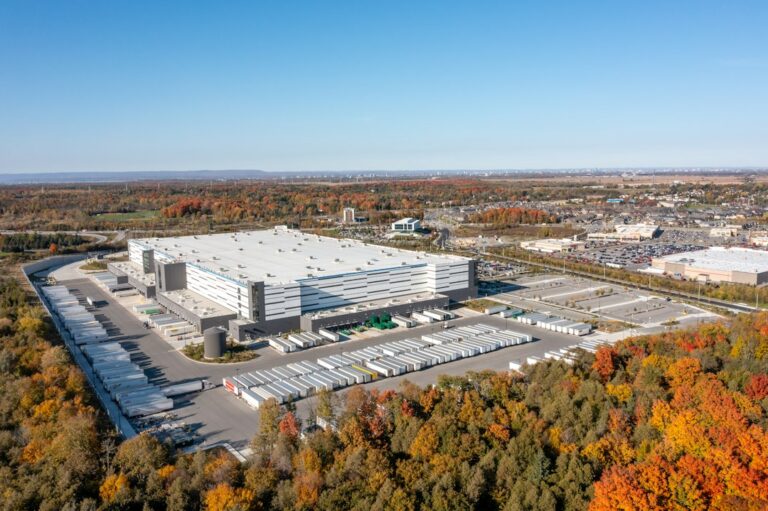 Relocating
Fontana’s Warehouse Boom: What It Means If You’re Relocating
Fontana grew from a wartime steel town into an Inland Empire logistics hub. See what that shift means for home values and selling if you are relocating.
Read the guide → Rentals & tenants
How Much Must Long Beach Landlords Pay Tenants Under the Relocation Ordinance?
Long Beach landlords: see the LBMC 8.99 relocation payments, notice periods, and city filing step required before a no-fault tenant termination.
Read the guide → Rentals & tenants
Pasadena Tenant Protection Ordinance: Notice & Pay Rules
Pasadena's tenant protection ordinance sets notice periods, split relocation pay, and rent caps for owners selling a tenant-occupied rental.
Read the guide → Rentals & tenants
LA RSO Registration Must Be Current Before You Sell
Check the current LAHD RSO, JCO and SCEP fees, the annual deadline, and the 45-day re-registration window you must clear before selling a rental.
Read the guide → Rentals & tenants
Santa Monica Tenant Buyout Agreements: The Notice, the 30-Day Cancel and the Filing Window
Santa Monica buyouts need a rights notice before any offer, a 30-day cancel period and filing on day 31-60. See the 2026 minimum amounts and penalties.
Read the guide → Rentals & tenants
The LAHD Filing Deadline Landlords Miss on a Tenant Buyout in Los Angeles
Los Angeles tenant buyouts require an LAHD disclosure before any offer, a 30-day rescission right, and a signed agreement filed with LAHD within 60 days.
Read the guide → Rentals & tenants
What REAP Actually Means for a Los Angeles Landlord Trying to Sell
If your Los Angeles rental is in REAP — the city's Rent Escrow Account Program — your tenants are legally paying 10%…
Read the guide → Rentals & tenants
What the AB 1482 Single-Family Exemption Does and Doesn’t Cover in North Redondo Beach
Many North Redondo Beach rentals fail the AB 1482 single-family exemption test. Here's what sellers of a tenant-occupied home must verify first.
Read the guide → Rentals & tenants
Why Glendale’s Rent Rules Often Don’t Apply to Your Rental
Glendale has its own tenant-protection ordinance, but most single-family rental houses are exempt and fall back to California's AB 1482 instead.
Read the guide →