
Selling a House As-Is in San Diego, California
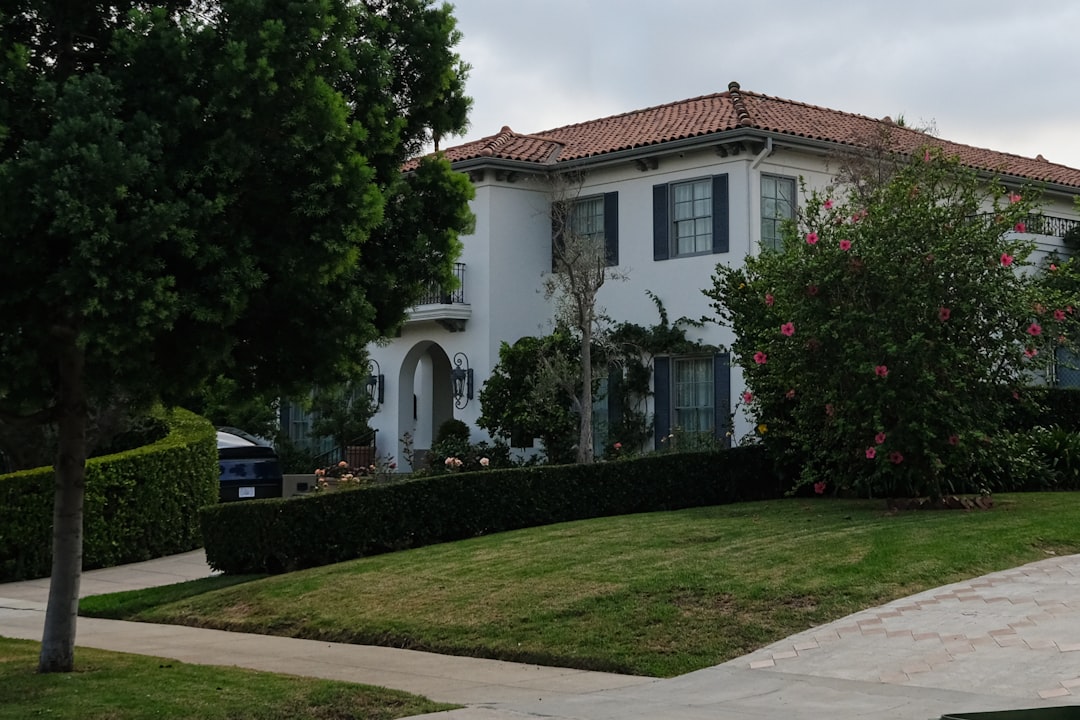
An as-is sale in San Diego means the buyer takes the house in its current condition and the seller won’t negotiate repairs — it does not mean skipping California’s mandatory disclosures. And unlike Los Angeles, San Diego has no city-specific point-of-sale report to worry about. What it does have is a wildfire hazard map that changed significantly in the last year, and that matters more to an as-is seller here than almost anywhere else in the state.
What “As-Is” Actually Covers
As-is describes the condition of the house, not an exemption from telling a buyer what you know about it. Sellers still must complete a Transfer Disclosure Statement under Civil Code section 1102 and following, plus a Natural Hazard Disclosure Statement covering flood, fire, and seismic zones. A seller who knows about a leak, foundation issue, or bad roof and stays silent can still face a fraudulent-concealment claim after closing — the as-is clause protects against a buyer demanding repairs, not against a buyer who later proves you hid a known defect.
The Point-of-Sale Report San Diego Doesn’t Require
Sellers who’ve researched Los Angeles listings sometimes assume every California city has its own point-of-sale inspection report before a house can change hands. San Diego doesn’t. The county considered a point-of-sale energy audit and disclosure mandate in its 2017 Climate Action Plan draft, but it was removed before the Board of Supervisors adopted the final plan in 2018. What San Diego sellers do need, statewide rather than locally, is a signed Water Heater and Smoke Alarm Statement of Compliance confirming the water heater is properly strapped or braced per Health and Safety Code section 19211 and that smoke alarms meet current code — a form buyers’ lenders and title companies routinely require at closing regardless of city.
The Fire Hazard Map That Changed Under You
CAL FIRE rolled out updated Fire Hazard Severity Zone maps covering San Diego County, and more properties in the eastern and foothill communities — areas like Alpine, Poway, Ramona, and parts of Scripps Ranch — now fall inside a Very High Fire Hazard Severity Zone than under the older maps. That designation isn’t cosmetic: it’s a required item on the Natural Hazard Disclosure Statement under Civil Code section 1103, and it can trigger defensible-space obligations under Public Resources Code section 4291 and, for some listings, a home-hardening disclosure requirement. If your last disclosure paperwork on this property predates the new maps, or you’ve never checked, verify current zone status before listing — an as-is buyer will find out either way, and finding out from the seller’s own disclosure looks very different than finding out from a lender’s underwriter mid-escrow.
What an Inspector Checks Regardless of the Contract
- Water heater strapping to resist seismic movement
- Smoke and carbon monoxide detectors in required locations
- Low-flow plumbing fixtures — showerheads, faucet aerators, and toilets meeting current water-conservation standards on pre-1994 construction
- Defensible space clearance around structures in a designated fire hazard zone
- Permit history matching square footage claimed to a buyer’s lender
None of these disappear because a contract says “as-is” — they’re framed as compliance and safety items rather than negotiated repairs, and a buyer’s lender will often require them resolved before funding regardless of what the purchase agreement says.
Unpermitted Work Still Has to Be Disclosed
A converted garage, an added bathroom, or a second unit that was never permitted doesn’t disappear from your disclosure obligations just because the sale is as-is. It protects you from having to fix the work before closing; it doesn’t protect you from telling the buyer it exists. We’ve covered what California law requires you to disclose about unpermitted work in more detail, since it’s a common source of escrow renegotiation even in deals where the buyer agreed upfront to take the house as it sits.
Listing As-Is vs. a Cash Sale
Listing as-is on the open market still makes sense in San Diego when the house is structurally sound, disclosures are complete and current, and you have time for a normal inspection and escrow period — demand here absorbs cosmetic issues without much of a price penalty when the paperwork is clean. A cash sale earns its place when the property has issues that would scare off a financed buyer’s lender entirely — significant unpermitted square footage, deferred structural repairs, a fire hazard zone designation that complicates insurance, or code items that would need resolving before an appraisal would clear — or when you need certainty on a closing date without a financing contingency. It’s worth comparing how a cash offer typically compares to a listing price before deciding, since the gap is often smaller than sellers assume.
If you’d rather skip repairs, inspections, and disclosure timing altogether, Cash Home Buyers CA can give you a no-obligation cash offer on the property as it sits.