
Selling an Inherited House in San Diego, California
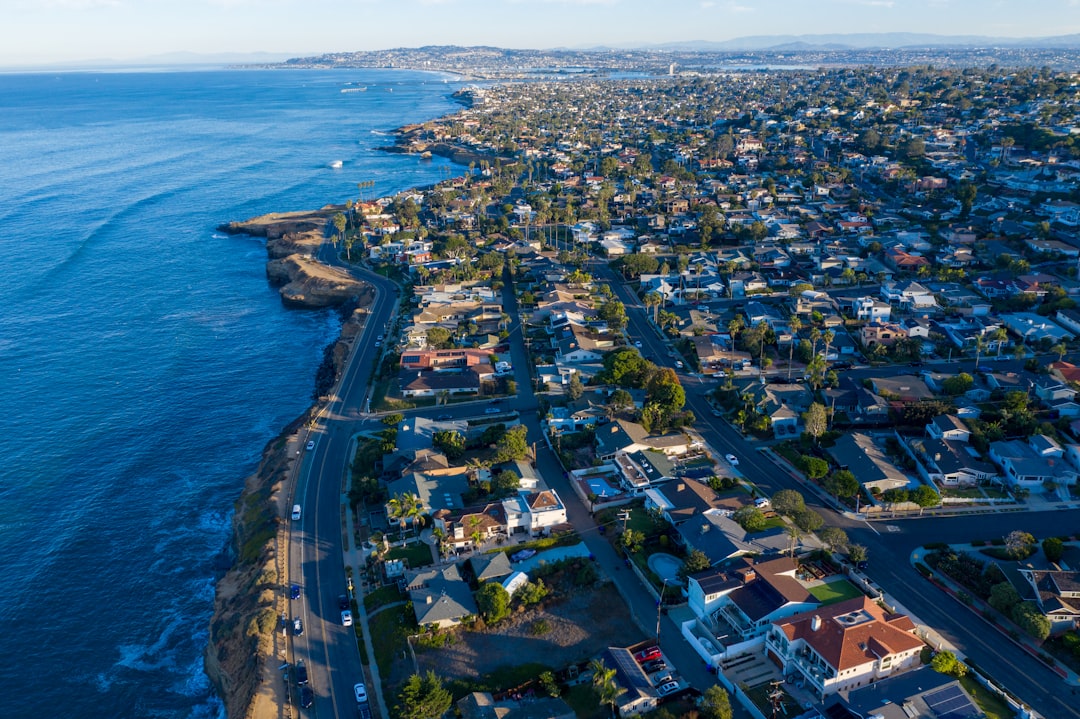
Selling an inherited house in San Diego usually comes down to two questions before the local market matters at all: how the title was held when the owner died, and whether the property sits inside the Coastal Zone. Get those two answered first and the rest of the timeline mostly falls into place.
Is Probate Necessary for This House?
A house held in a living trust, in joint tenancy, or transferred by a recorded transfer-on-death deed generally passes outside probate — a successor trustee or surviving co-owner can move toward a sale within weeks. A house titled in the decedent’s name alone, with no trust and no co-owner, typically requires either full probate or one of California’s simplified procedures, depending on the estate’s value. Since AB 2016 took effect for deaths on or after April 1, 2025, a decedent’s primary residence valued at $750,000 or less can often use the simplified Petition to Determine Succession to Real Property instead of full probate — well above the outdated $184,500 figure still circulating in older articles. General personal property, separately, uses the small estate affidavit process up to $208,850.
The Probate Path Here, Briefly
If full probate is required, San Diego County hears every case at a single location — the Central Courthouse downtown — rather than splitting cases across multiple courthouses the way Riverside does. Filing fees, statutory attorney and executor compensation, and the overbid formula for a confirmation sale are set by state law and identical to every other county. We’ve laid out the full San Diego probate court process, current filing fees, and what a confirmation hearing actually involves if that’s the road this estate is on.
Keeping the Parent’s Tax Basis Under Prop 19
If any heir intends to move into the house and keep it rather than sell, Proposition 19’s parent-child transfer exclusion can preserve the decedent’s lower assessed value instead of the San Diego County Assessor reassessing it to current market value — a significant difference in a county where assessed values often lag market prices by decades. The claim (Form BOE-19-P, filed with the San Diego County Assessor/Recorder/County Clerk) is due within three years of the date of transfer, or within six months of the date the Assessor mails a supplemental or escape assessment notice, whichever gives more time. Miss both windows and the exclusion is generally lost. We cover the mechanics in more depth in our full breakdown of Prop 19 and inherited property. None of this applies if every heir plans to sell — but confirm that decision is final before the filing window closes, because it can’t be undone retroactively once missed.
The Coastal Zone Complication Inland Sellers Never See
An inherited house from La Jolla to Point Loma to Ocean Beach can carry a wrinkle that an inherited house in Rancho Bernardo or El Cajon simply doesn’t: California’s Coastal Act. Selling the house itself doesn’t require a coastal development permit — routine repair and maintenance is exempt under the Act. But if the property needs real work before it’s sellable — a significant remodel, a new addition, replacing a failing foundation — that work usually does need a permit, issued either by the City of San Diego’s Development Services Department under its certified Local Coastal Program, or in some areas by the Coastal Commission directly. That review can add months to a timeline that has nothing to do with probate at all, and it’s the kind of detail that generic “sell an inherited house” guides never mention because most of the country doesn’t have a coastal zone to worry about.
If the Heirs Don’t Agree
Inherited San Diego houses are frequently split among two or more siblings, and disagreement about selling versus renting versus a buyout is one of the most common reasons a sale stalls for months. If the trustee or personal representative has authority to sell and most heirs agree, a lone holdout usually can’t block the sale outright, though it can slow it down considerably. Where there’s a genuine deadlock and no one empowered to break it, a partition action is the legal mechanism that forces a resolution — a last resort, not a first move, since it’s slower and more expensive than reaching an agreement. If multiple heirs are involved here, it’s worth reading the options when co-heirs can’t agree on a sale before assuming litigation is the only path forward.
As-Is Listing vs. a Cash Sale: What Actually Nets More
Listing on the open market tends to net more here when title has already cleared, the heirs agree, and the house doesn’t need coastal permitting or major repairs before it can pass a buyer’s inspection — San Diego’s resale demand is strong enough to absorb cosmetic issues at a fairly small discount. A cash sale earns its place when the estate needs to stop carrying costs quickly, when heirs live out of state and can’t manage repairs, permits, or showings from a distance, or when the property sits in the Coastal Zone and needs work that would trigger a permitting delay most estates can’t afford to wait out. It’s worth comparing how a cash offer typically compares to a listing price before deciding, since the real gap is often smaller than sellers assume.
If you’d like a no-obligation cash offer on an inherited San Diego property, Cash Home Buyers CA can work with your family, your attorney, and your timeline.