
How Our Shadow Hills Cash-Offer Process Works
- Foreclosure, inherited, tenants, damage — we buy it
- Zero fees, zero commissions, zero closing costs
- No obligation — turn the offer down and owe us nothing


From First Call to Funded Escrow
See exactly what happens at each step, from comps and zoning checks to signing and recording.
Selling a house is unfamiliar territory for most people, and selling an equestrian property in Shadow Hills even more so, since so few of them trade in any given year that most sellers have never gone through the process themselves and have no neighbor to ask about it.
This page walks through exactly what to expect at each stage, so you know what a phrase like “opening escrow” or “recording the deed” actually means for you and your property before it happens, not after.
Here is exactly what happens from your first call to the day funds hit your account, step by step, with no surprises added along the way.
Step 1: You Tell Us About Your Property
A call or text to 424-435-2326, or the form on this page, gets the process started. We ask basic questions: the address, the general condition, whether the property has equestrian improvements like a barn, corral, or arena, whether there are tenants or a caretaker on-site, and the reason and timeline behind your sale. None of this commits you to anything, and there is no fee for this conversation.
Step 2: We Research Your Property and the Comps
Because Shadow Hills recorded only seven sales in the three months ending March 2026 according to Redfin, a defensible number here takes more than pulling the nearest few closed sales.
We look at recent comparable sales across the broader northeast Valley for equestrian and non-equestrian properties as relevant, check your parcel’s zoning, lot size, and K Equinekeeping overlay status through ZIMAS if it is a horse property, and factor in the property’s actual condition, including any unpermitted structures, deferred maintenance, or septic and access issues you have told us about.
If we need to see the property in person or review photos and a video walkthrough, we coordinate that around your schedule.
On an equestrian parcel, we specifically look at the barn’s condition, fencing, arena footing if there is one, and any structures that may not have gone through permitting, since all of that affects how we think about the offer.
Step 3: We Send a Written Cash Offer
You typically receive a written offer within 24 to 48 hours of our initial conversation. It states a specific price, and we walk through how we arrived at that number so it is not a mystery figure.
There is no obligation attached to receiving it, and no pressure or deadline artificially attached to your decision. You can take time to think it over, discuss it with family, an attorney, or a financial advisor, and ask us follow-up questions before deciding.
Step 4: You Accept, and We Open Escrow
Once you accept, we open escrow with a licensed, independent Los Angeles County title and escrow company, never handling funds or the deed directly ourselves.
The escrow company orders a preliminary title report to confirm ownership and identify any liens, judgments, or other items that need to be cleared before closing.
If your property involves a trust, an estate in probate, or multiple owners who all need to sign, we work with escrow to confirm exactly who has authority to sign and what documentation they will need, so that question gets sorted out early rather than becoming a last-minute scramble right before a scheduled closing date.
Step 5: We Order the 9A Report and Confirm Zoning
For any Los Angeles property, the seller is required to deliver the Department of Building and Safety’s Report of Residential Property Records certifying items like the seismic gas shutoff valve, smoke and carbon monoxide detectors, and low-flow fixtures. We order this ourselves rather than asking you to handle it.
If your property is zoned for horsekeeping, we also confirm the parcel’s K overlay status, lot size, and any recorded structures through ZIMAS during this stage, so nothing about the equestrian zoning holds up closing later.
Step 6: Signing
Once title is clear and any required reports are in hand, escrow prepares the closing documents.
You can sign in person at the title company’s office, or, if that is not convenient because you have relocated or otherwise cannot make it in, through a mobile notary who comes to you or a remote online notarization, depending on what the title company offers and your specific situation.
If multiple people need to sign, whether that is co-owners, spouses in a divorce, or heirs in an estate, we work with escrow to coordinate everyone’s signatures, even across different locations.
Step 7: Recording
After signing, the escrow company submits the deed to the Los Angeles County Registrar-Recorder/County Clerk’s office in Norwalk for recording. Recording is what legally transfers ownership and is generally the trigger for funds to be released.
This step usually takes one to a few business days once all signed documents are in and any final conditions are satisfied.
Recording happens with the Registrar-Recorder rather than any city office, so the exact same office and process apply whether your Shadow Hills property is a straightforward house or a full equestrian estate.
Step 8: You Get Paid
Once the deed records, escrow disburses your proceeds, typically by wire transfer, the same day or the next business day. There is no commission deducted, no repair credit negotiated at the last minute, and no surprise fee, since we do not charge any.
What you agreed to in Step 3 is what arrives in your account, minus only whatever payoffs, such as an existing mortgage or recorded lien, that escrow was already handling on your behalf as part of the transaction.
A clear-title Shadow Hills house without equestrian zoning questions typically completes this entire process in two to three weeks from acceptance; an equestrian property needing K overlay verification, or an estate moving through probate at the Stanley Mosk Courthouse, typically takes four to six weeks instead.
What Happens if a Title Issue Turns Up
The preliminary title report occasionally surfaces something unexpected on an older Shadow Hills property: an old lien that was never formally released, a boundary or easement question tied to the narrow private roads that serve many hillside lots, or a name discrepancy from a prior transfer decades ago.
When that happens, we work with the title company and, where needed, a title curative specialist to resolve it rather than walking away from the deal.
Most issues we encounter are resolvable, though some do take extra time, which is one reason an equestrian property or an older estate can occasionally run past our typical two-to-three-week window.
What Happens if You Change Your Mind
Before you accept our written offer, there is no obligation whatsoever, and you can simply decline or stop responding with no consequence.
Once you have signed a purchase agreement and escrow has opened, the agreement typically becomes binding, so it is worth being sure before you sign, the same as with any real estate transaction, financed or otherwise.
We would rather answer every question you have upfront during Steps 1 through 3 than have you feel rushed into a decision you are not comfortable with.
Where This Process Adjusts for Your Situation
This same process applies whether you are selling because you need to move fast, settling an inherited property, working through a divorce, facing foreclosure, or simply want to sell as-is without repairs. The steps stay the same; the pace and the documentation involved adjust to fit your specific circumstances. For the general version of this process that applies anywhere else in the county, see our Los Angeles cash-offer process page.
Frequently Asked Questions
Is there any cost to me at any step in this process?
No. There is no commission, no closing cost passed to you, and no fee to get an offer or to walk away from one.
Who actually handles my money and the deed?
A licensed, independent Los Angeles County title and escrow company, not us directly. That keeps your funds and the transfer of ownership handled by a neutral third party.
How do you value a property when Shadow Hills has so few sales?
We look at comparable sales across the broader area, the property’s actual condition, and its zoning and lot characteristics, and we explain our reasoning rather than presenting a number with no context.
What if my property has an unpermitted barn or other structure?
We factor that into our offer during Step 2 rather than requiring it resolved first, and we handle the 9A report and any zoning verification ourselves during Step 5.
Can the whole process happen if I am not physically in Shadow Hills?
Yes. Signing can typically be handled through a mobile notary or remote online notarization, and proceeds can be wired to you wherever you are.
What if a title problem or lien turns up during escrow?
We work with the title company to resolve it rather than backing out of the deal. Most issues on older Shadow Hills properties are resolvable, though some take additional time.
Can I back out after accepting the written offer?
Before you sign a purchase agreement, yes, with no obligation. Once escrow opens and you have signed, the agreement is generally binding, so we encourage asking every question you have before that point.
To start the process on your Shadow Hills property, call or text 424-435-2326. Step one is just a conversation, and there is no obligation from there. We are glad to answer questions about any part of this process before you decide to move forward.
Seller Guides
Helpful guides for homeowners in Shadow Hills
Plain-English answers to the questions sellers ask us most.
 Relocating
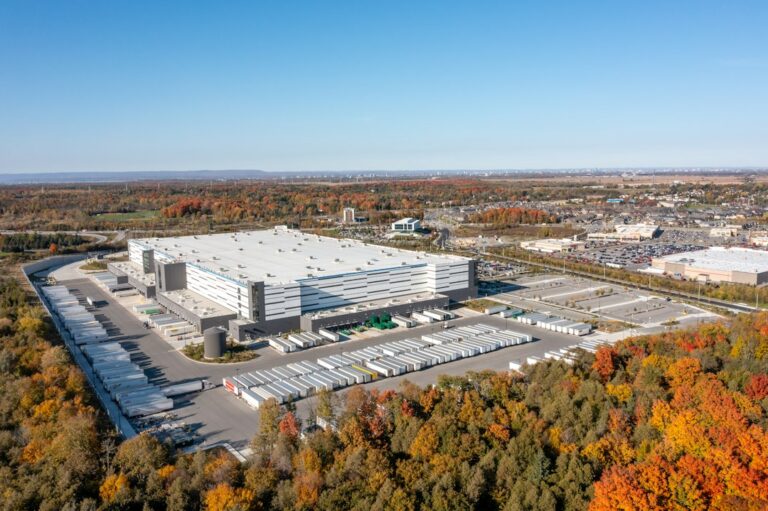
Fontana’s Warehouse Boom: What It Means If You’re Relocating
Fontana grew from a wartime steel town into an Inland Empire logistics hub. See what that shift means for home values and selling if you are relocating.
Read the guide → Selling for cash
The Transfer Tax Every Los Angeles Seller Pays, With or Without Measure ULA
Los Angeles charges its own $4.50-per-$1,000 tax on top of the county rate, before Measure ULA applies. See the exact combined math at closing.
Read the guide → Rentals & tenants
How Much Must Long Beach Landlords Pay Tenants Under the Relocation Ordinance?
Long Beach landlords: see the LBMC 8.99 relocation payments, notice periods, and city filing step required before a no-fault tenant termination.
Read the guide → Selling for cash
What Inglewood’s Housing Protection Ordinance Requires Before You Sell a Rental
Inglewood's Housing Protection Ordinance covers more rentals than expected, with rent caps, just-cause rules, and relocation tiers that transfer at sale.
Read the guide →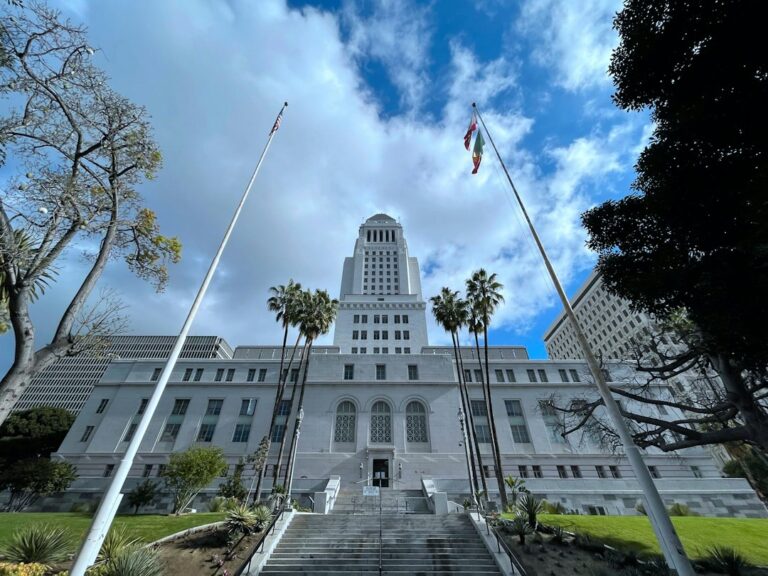 Selling for cash
The Five-Year Countdown Before Los Angeles County Auctions a Tax-Defaulted Home
LA County auctions tax-defaulted homes after five years unpaid. See the redemption deadline, installment options, and how to claim excess proceeds.
Read the guide → Selling for cash
What Beverly Hills’ Rent Stabilization Ordinance Requires Before You Sell
Beverly Hills runs its own BHMC Chapter 5 and 6 rent rules: caps, BHRent registration, just-cause grounds and relocation fees sellers must clear first.
Read the guide → Selling as-is
What Rancho Palos Verdes’ Landslide Zones Mean for a Natural Hazard Disclosure
Rancho Palos Verdes sellers must check a landslide-zone box on the state Natural Hazard Disclosure Statement, separate from the earthquake fault question.
Read the guide → Selling for cash
West Hollywood’s Rent Stabilization Ordinance: What a Seller With Tenants Must Clear First
West Hollywood's rent stabilization law sets strict just-cause rules and relocation fees before you can sell a tenant-occupied rental unit here.
Read the guide → Inherited homes & probate
Partition Actions Between Heirs: How California Law Forces a House Sale
California heirs can force a house sale through a partition action under CCP 872-874, with court referees, confirmation hearings, and buyout rights.
Read the guide →