
Sell Your House As-Is in Shadow Hills
- Foreclosure, inherited, tenants, damage — we buy it
- Zero fees, zero commissions, zero closing costs
- No obligation — turn the offer down and owe us nothing


No Repairs, No Permits, No Cleanup
We buy Shadow Hills houses and horse properties exactly as they sit, unpermitted barns, deferred maintenance, and all.
“As-is” gets used loosely in real estate listings, but it means something specific in Shadow Hills: we buy the house or horse property exactly as it stands, with no repairs, no cleanup, and no requirement that a barn, corral, or addition be brought up to code before we close.
That matters more here than in most Los Angeles neighborhoods, because Shadow Hills’ housing stock, much of it built on hillside lots reached by the narrow roads carved during the original 1907 Hansen Heights development, carries more of the kind of deferred maintenance and unpermitted work that stalls a financed sale.
What “As-Is” Actually Changes
Selling as-is means you are not obligated to make repairs, paint, clean out a house, or resolve permit issues before closing. It does not exempt you from California’s disclosure requirements.
Sellers still must complete a Transfer Disclosure Statement and a Natural Hazard Disclosure identifying known defects and hazards, including anything you know about an unpermitted structure or a septic system’s condition.
Selling as-is changes who absorbs the cost and effort of fixing a problem, not whether you have to tell the buyer it exists.
We ask the same disclosure questions any buyer would, but we do not require the problem solved before we will make an offer or before we will close.
Where Shadow Hills Properties Most Often Need “As-Is”
- Unpermitted barns, corrals, and additions. A significant share of Shadow Hills’ equestrian improvements were built over the decades without going through the Department of Building and Safety, and they surface on the mandatory 9A Report of Residential Property Records. A financed buyer’s lender frequently will not close until the unpermitted structure is addressed; we buy the property with it exactly as built.
- Deferred maintenance on hillside lots. Homes reached by the narrow, steep private roads built into the hillside in 1907 sometimes have access, drainage, or retaining-wall issues that a general inspection flags and a lender’s underwriter treats as a red flag.
- Older plumbing, electrical, and roofing. Shadow Hills’ housing stock skews older, and original 1940s-1970s wiring and plumbing rarely passes a modern inspection without negotiation over repair credits.
- Septic systems needing pump-out or repair. A meaningful share of the neighborhood relies on septic rather than the city sewer main, and a failed or aging septic system is a common financed-deal killer that we do not require fixed first.
- Fire, water, or hoarding damage. Whether from a kitchen fire, a burst pipe, or years of accumulated belongings after a long illness or a death in the family, this kind of damage often makes a house impossible to finance until it is professionally remediated. We buy it before any of that work happens.
Shadow Hills’ Housing Stock and Why Age Matters
Shadow Hills began in 1907 as a planned settlement called Hansen Heights, selling lots at $150 an acre, and it was renamed after a resident campaign in the late 1940s that objected to the original name as unimaginative and not descriptive of the area’s rustic, horse-country character.
That history means a meaningful share of the neighborhood’s houses date to the mid-twentieth century or earlier, built on hilltops that were only reachable by narrow, hand-graded roads at the time.
Systems designed and installed decades ago, galvanized or knob-and-tube wiring, cast iron or clay sewer laterals, older septic tanks, do not automatically fail an inspection, but they draw far more scrutiny from a lender’s underwriter than the same systems would in a newer subdivision, and repair-credit negotiations over them routinely add one to two weeks to an already-long escrow.
That is on top of whatever delay the equestrian appraisal and 9A report already add, so a house with both an aging electrical panel and an unpermitted barn can easily see its financed escrow run past the standard 45 to 60 day window most Los Angeles sellers are quoted.
The equestrian use adds its own layer. Fencing, stalls, arena footing, and irrigation for pasture all age and require upkeep that a homeowner who is not actively riding often lets slide, particularly on an inherited property or one where the owner has moved away.
None of that is unusual for this neighborhood, and it is not a reason a sale cannot happen.
It is simply the kind of condition that a financed buyer’s appraiser and underwriter treat as a problem to be solved before funding, rather than a feature of an older, semi-rural neighborhood to be priced around.
Why a Financed Buyer Struggles With These Properties
A lender’s appraiser working an as-is Shadow Hills property faces the same thin-comp problem that affects any equestrian sale here, and an unpermitted structure or a failed inspection item compounds it.
Redfin recorded only seven Shadow Hills sales in the three months ending March 2026, so an appraiser already has few truly comparable properties to draw on, and one with unresolved permit or condition issues has even fewer.
Underwriters are conservative by design, and a lender that funds a loan against a horse property with an undocumented barn is taking on risk it typically will not accept without the issue resolved, appraised around, or credited for in the purchase price, any of which adds weeks.
How We Buy an As-Is Shadow Hills Property
We look at the property, or review photos and a description when a walkthrough is not practical, and build our offer around its actual condition rather than a hypothetical fully-repaired value.
We order the city’s 9A report ourselves and, on an equestrian parcel, confirm the K Equinekeeping overlay and lot-size status through ZIMAS so we know exactly what we are buying.
None of that holds up our offer the way it would hold up a loan, and none of it requires anything from you beyond answering our questions honestly.
Once you accept, we open escrow with a licensed Los Angeles County title and escrow company and close in as little as two to three weeks for a straightforward house, or four to six weeks for an equestrian property or an estate moving through probate at the Stanley Mosk Courthouse.
If your property is one of several parcels held in a family trust or estate, we can work with whoever is authorized to sign, and we do not require the rest of the family or other heirs to be present for a walkthrough or signing.
Because we are the ones taking on the unresolved permit questions, the septic uncertainty, or the deferred equestrian maintenance, we do our own diligence on each of those items rather than asking you to produce documentation you may not have.
If you do have records, past inspection reports, permit applications that were never finalized, or septic pump-out receipts, they can help us move faster, but their absence is never a reason we decline to make an offer.
The Honest Trade-Off on an As-Is Sale
An as-is cash offer will typically be below what the same property might fetch fully repaired, permitted, and marketed to a retail buyer over a longer listing period.
In exchange, you avoid the cost of the repairs themselves, the 5 to 6 percent agent commission, the months of carrying costs and brush clearance while a listing sits, and the real risk that a financed buyer’s inspection or appraisal derails the sale anyway once the issues are disclosed.
For an unpermitted barn, a septic system in poor condition, or a house that needs work you are not in a position to do, the math usually favors selling as-is rather than investing in repairs first, particularly once you weigh in the ongoing cost of insurance, property taxes, and basic upkeep on a horse property that sits vacant while you shop for a contractor and wait for permits.
We also handle inherited properties, foreclosure situations, and simply fast sales in Shadow Hills, and the same as-is principles described here apply across the rest of Los Angeles as well.
Frequently Asked Questions
Do I still have to disclose an unpermitted barn if I sell as-is?
Yes. California's disclosure laws still apply. Selling as-is means you do not have to fix it, not that you can omit it from your Transfer Disclosure Statement. We ask you the same disclosure questions during our process so nothing surprises either side once escrow opens.
What if my septic system is failing?
We factor the septic system's condition into our offer rather than requiring it repaired or pumped before closing, which is typically what a lender would demand.
Can you buy a house with fire or water damage?
Yes. We regularly buy Shadow Hills properties with fire, water, or hoarding-related damage exactly as they sit, with no cleanup or remediation required from you first.
Will an unresolved K overlay question stop you from making an offer?
No. We confirm the zoning and overlay status ourselves through ZIMAS as part of our own diligence, and it does not need to be resolved before we send a written offer.
Do I need to clean the house out before you buy it?
No. We buy the property with everything left inside exactly as it is, including a house that still has furniture, belongings, or accumulated items from a long-term owner.
My fencing and arena footing haven't been maintained in years. Does that matter?
Not to us. We factor deferred equestrian maintenance into our offer the same way we factor in any other condition issue, rather than requiring it brought current before we buy.
To sell your Shadow Hills house or horse property as-is, call or text 424-435-2326 for a written offer within 24 to 48 hours.
Seller Guides
Helpful guides for homeowners in Shadow Hills
Plain-English answers to the questions sellers ask us most.
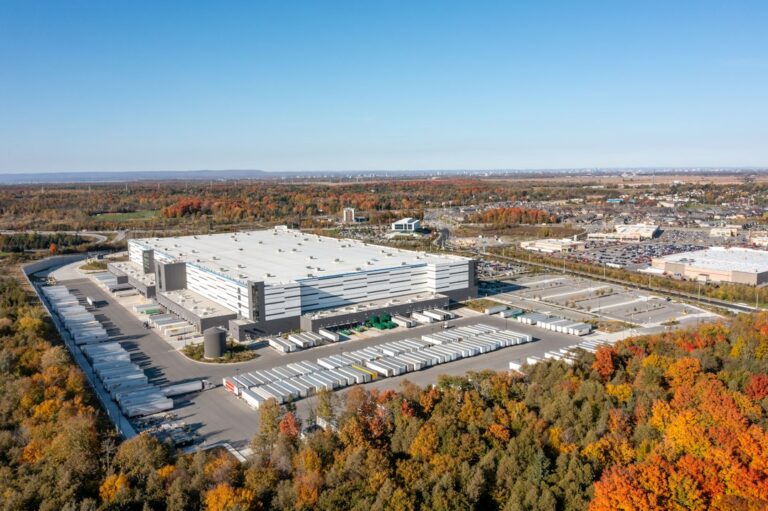 Relocating
Fontana’s Warehouse Boom: What It Means If You’re Relocating
Fontana grew from a wartime steel town into an Inland Empire logistics hub. See what that shift means for home values and selling if you are relocating.
Read the guide →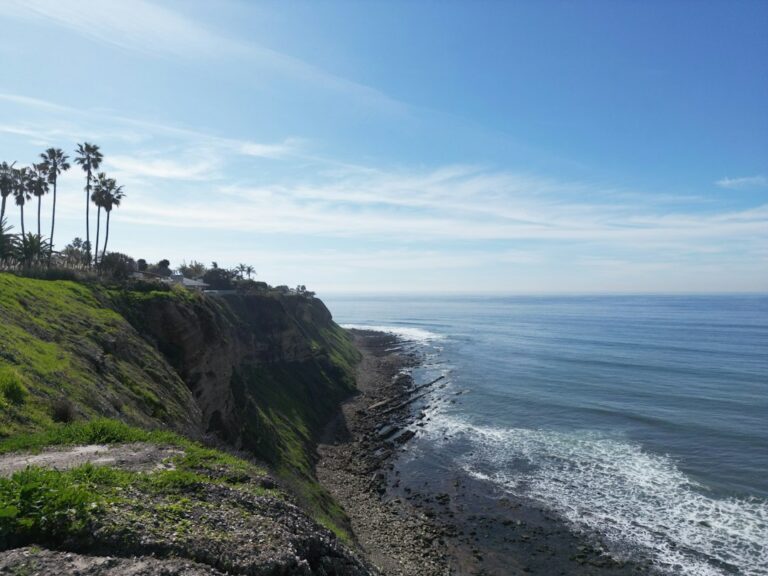 Selling as-is
What Rancho Palos Verdes’ Landslide Zones Mean for a Natural Hazard Disclosure
Rancho Palos Verdes sellers must check a landslide-zone box on the state Natural Hazard Disclosure Statement, separate from the earthquake fault question.
Read the guide → Selling as-is
Highland Park HPOZ Disclosure Rules Explained
Highland Park's historic overlay (HPOZ) governs renovations, but California's TDS and NHD disclosure rules still apply in full, even on an as-is sale.
Read the guide → Selling as-is
As-Is Disclosure Rules for an Older Pasadena, CA Home
Selling as-is in Pasadena doesn't skip California's disclosure law. See what Civil Code requires for the city's century-old Craftsman homes.
Read the guide → Selling as-is
The Anaverde HOA Disclosure Packet an As-Is Sale Still Requires
The Anaverde HOA disclosure packet under Civil Code 4525, plus the TDS and NHD duties an as-is sale in Anaverde, CA never removes, and why it adds time.
Read the guide → Selling as-is
Beverly Hills, CA As-Is Sales: What You Still Disclose
Selling as-is in Beverly Hills, CA doesn't waive disclosure law. See what sellers must still tell buyers under California's TDS and NHD rules.
Read the guide → Selling as-is
Why “As-Is” Doesn’t Simplify Disclosure for a Winnetka, CA Seller
Civil Code 1102 still requires full disclosure on an as-is Winnetka sale -- here's what the TDS, NHD, and lead-paint rules actually require.
Read the guide → Selling as-is
What California’s As-Is Disclosure Law Still Requires in Gardena
Selling as-is in Gardena does not skip California disclosure law. See what sellers must still disclose, plus local zoning and jurisdiction quirks.
Read the guide → Selling as-is
Why Culver City’s As-Is Disclosure Rules Aren’t Los Angeles’s
As-is doesn't skip California disclosure law. Learn why Culver City permit and code records come from its own city hall, not LA, before you sell as-is.
Read the guide →