
Cash Offer for My House in Stockton: How It Works, Step by Step
- Foreclosure, inherited, tenants, damage — we buy it
- Zero fees, zero commissions, zero closing costs
- No obligation — turn the offer down and owe us nothing


From First Call to Recorded Deed
A closer look at how we price, sign, and close a Stockton sale — and what actually happens to your proceeds along the way.
If you are asking for a cash offer for my house Stockton homeowners can actually rely on, it helps to know exactly what happens between the first phone call and the day the deed records.
This page walks through every step of selling to Cash Home Buyers CA: how we look at the house, how the number is calculated, what the purchase agreement says, which California disclosures you still sign, how title and escrow work in San Joaquin County, and what happens on closing day and after.
For a broader overview of the homes and situations we handle, see we buy houses Stockton. If you would rather talk it through, call or text (424) 435-2326.
How to Sell House for Cash in Stockton: The Steps at a Glance
Knowing how to sell house for cash mostly comes down to knowing the order of events. The whole process usually fits into two weeks, though you can stretch any step:
- A short first call or form with the address and basic details.
- A neighborhood-level property evaluation using recent comparable sales.
- A walkthrough, in person or by video.
- A written offer, usually within 24 to 48 hours.
- A purchase agreement, signed when you are ready.
- California disclosures and an escrow opened with a neutral title and escrow company.
- Title clearing, lender payoffs and final documents.
- Signing in front of a notary, funding, and recording the deed with the San Joaquin County Recorder.
We buy directly or bring a vetted cash buyer, and either way the same steps and the same neutral escrow apply.
Before Step 1: The First Call
The first conversation takes about ten minutes. We ask for the address, the number of bedrooms and bathrooms, the approximate age of the house, the repairs you know about, whether anyone lives there, roughly what you owe, and when you would like to close.
We also ask who is on title, because an estate, a divorce or a co-owner who has moved away changes who has to sign. There is no cost and no commitment, and you do not need any documents yet.
Step 1: A Property Evaluation Built on Your Actual Neighborhood
Stockton doesn’t have one housing market — values and housing stock shift meaningfully between an established neighborhood like the Miracle Mile or Brookside, the older Lincoln Village area, and newer growth communities like Weston Ranch.
Rather than applying a countywide formula, we pull recent comparable sales specific to your neighborhood, adjust for the property’s condition, size, lot, and any repair needs, and build the offer from those real, local numbers.
Step 2: The Walkthrough
Next, we see the house. Most walkthroughs take 20 to 40 minutes. If you live out of the area, a family member, neighbor or property manager can let us in, or we can do it by video.
We look at the roof, foundation, electrical panel, plumbing, HVAC, signs of water intrusion or termites, and any rooms that may have been added without permits. In Stockton, where Census data shows roughly half of homes were built before 1980, these items drive most of the repair estimate.
You do not need to clean, repair or stage anything. It actually helps to point out problems you know about. The more we see up front, the less chance there is of a surprise later.
If the house is rented, we schedule the walkthrough with proper written notice to the tenant, and we keep it short. If the house is vacant or full of a late parent’s belongings, that is fine too. We are used to looking past furniture, boxes and years of accumulated items, and none of it needs to be moved before we visit.
Step 3: How Cash Offers for Home Sales Are Calculated in Stockton
Cash offers for home sales follow a formula, and you should see ours. We start with the after-repair value, which is what the house would sell for once updated, based on recent sales of similar homes close by. From that we subtract:
- The estimated cost of repairs and updates.
- Holding costs while the work is done, including property taxes, insurance, utilities and financing.
- The cost of reselling the house later.
- A margin that covers risk and hidden problems.
For example, if renovated houses on your side of town sell for about $480,000, and your house needs $55,000 in work, with roughly $45,000 in holding and resale costs and a $40,000 margin, the offer would be in the range of $340,000. We share this breakdown with you, line by line.
Stockton’s market makes the comparison important: Redfin reported a median sale price of about $533,000 for the first half of 2026, but a 1950s house that needs a roof and plumbing is priced very differently from a newer home in a north Stockton subdivision.
What Moves a Stockton Cash Offer Up or Down
Two houses on the same street can get very different offers. These are the factors that change the number most in Stockton:
- Location within the city. Comparable sales in Brookside or Spanos Park look nothing like those in south Stockton or near downtown, so the after-repair value is set block by block.
- The big-ticket repairs. A roof, a foundation, a sewer line or a full electrical update moves the offer far more than paint or carpet.
- Flood zone status. A house in a mapped FEMA flood zone will carry flood insurance costs for a future financed buyer, which affects its resale value.
- Unpermitted space. A garage conversion or added bedroom without permits may not count toward value, and legalizing it costs money.
- Occupancy. A tenant on a below-market lease changes the numbers for a buyer who plans to rent the house, and a vacant house is simpler for one who plans to renovate.
- Title and liens. Liens do not lower the price, but they are paid from it, so they change what you take home.
When we send your cash offer for my house Stockton breakdown, these items appear in the repair and cost lines so you can see exactly where the number comes from.
Step 4: The Written Offer and Purchase Agreement
The written offer shows the price, the proposed closing date, the earnest money deposit and who pays which costs. When you sell to us, we pay the standard closing costs, including the county and city transfer taxes, escrow and title. There is no commission.
If you accept, we prepare a purchase agreement. Read it carefully, and ask about anything you do not understand. The terms that matter most are:
- Price and deposit. The purchase price and the amount of earnest money we place into escrow.
- Closing date. A specific date that works for you, which can be moved by agreement.
- Possession. When you hand over the keys, and whether you need a few days after closing.
- Personal property. What stays and what goes. You can leave anything you do not want.
- Costs. Who pays escrow, title, transfer taxes and any HOA fees.
Step 5: California Disclosures You Still Sign
Selling for cash and selling as-is do not remove California’s disclosure rules. In a typical Stockton sale you will complete:
- Transfer Disclosure Statement (TDS). Your description of the home’s condition and any known defects.
- Natural Hazard Disclosure (NHD). A report that shows whether the property is in a flood zone, an earthquake fault or seismic hazard zone, or a fire hazard area. In Stockton, the flood section is the one most often marked. FEMA’s February 2026 revision for the Smith Tract area along the Smith Canal changed the mapped zone for roughly 8,000 homes, so it is worth looking at the current report rather than an old one.
- Lead-based paint disclosure for homes built before 1978, which covers a large share of Stockton’s housing stock.
- Other standard statements, such as smoke and carbon monoxide detector compliance and water heater bracing, plus any HOA documents if the property is in an association.
Disclose what you know. You are not expected to investigate or fix anything, but you should not hide problems you are aware of.
Step 6: Title and Escrow in San Joaquin County
Once the agreement is signed, escrow opens with a neutral title and escrow company. The escrow officer holds the earnest money and later the purchase funds, and releases them only when every condition of the sale is met. The title company orders a preliminary title report, which lists who owns the property and any recorded liens, judgments, easements or unpaid property taxes.
The escrow officer then requests payoff statements from your mortgage lender and any other lienholders. If something on the report needs attention, such as a lien from a past contractor, a deceased co-owner still on title, or a reconveyance that was never recorded after an old loan was paid, the title company works on clearing it before closing.
Step 7: Signing Your Closing Documents
A few days before closing, the escrow officer prepares the grant deed, the seller’s closing statement and any tax forms.
You sign the grant deed in front of a notary, either at the title company’s office or with a mobile notary who comes to your home, workplace or wherever you are staying.
If you have already moved out of state, a mobile notary near you can handle the signing, and the originals are sent back to the title company.
If you cannot sign yourself, a properly drafted power of attorney may be an option, and the title company will tell you its requirements.
Step 8: Closing Day and Recording
Once signing is complete and funds are ready, the deed is recorded with the San Joaquin County Recorder-County Clerk, located at 44 N. San Joaquin Street in Stockton — the office that makes the transfer official and public. Recording usually happens the same day funds are confirmed, which is the moment the sale is actually complete.
The Recorder’s office is in Suite 260 on the second floor and is open weekdays from 8:00 to 4:30. Once recording is confirmed, the escrow officer pays off your loans and liens and sends your proceeds by wire or check, usually the same day or the next business day.
After Closing
A few things happen after the deed records:
- Final closing statement. Keep it with your tax records. It shows the price, payoffs and your proceeds.
- Tax reporting. The escrow company typically reports the sale to the IRS on Form 1099-S.
- California withholding. Escrow may have to withhold California income tax from the proceeds and report it on Form 593. This can apply to California residents as well as non-residents, and exemptions are available, for example for a qualifying principal residence. The escrow officer will walk you through the form.
- Insurance and utilities. Cancel your homeowner’s insurance effective the closing date and stop or transfer utilities.
- Escrow impound refunds. If your mortgage had an impound account, the servicer refunds any balance to you after the loan is paid off.
Documents to Gather
You do not need these to get an offer, but having them ready keeps the closing on schedule:
- Government-issued photo ID for everyone on title.
- A recent mortgage statement for each loan, with the loan number and servicer contact.
- Your most recent property tax bill.
- HOA name and management contact, if any.
- Leases, rent ledgers and security deposit amounts for any tenants.
- Trust documents, letters of administration, a death certificate, or a divorce judgment or court order if title involves an estate or a divorce.
- Any permits, warranties or repair records you have.
Common Delays and How to Avoid Them
Most cash closings in Stockton are straightforward, but a few issues come up often enough to plan for:
- Slow lender payoffs. Some servicers take several days to send a payoff statement. Giving escrow your loan number and servicer contact on day one helps.
- Old loans never released. A mortgage paid off years ago may still show on title if the reconveyance was never recorded. The title company can usually fix this, but it takes time.
- Missing signatures. Everyone on title has to sign, including a co-owner who moved away or a former spouse who was never removed from the deed.
- Estate paperwork. If an owner has died, escrow needs a death certificate and either trust documents or court letters before anyone can sign for the estate.
- Unpaid taxes or code liens. Delinquent San Joaquin County property taxes and any city liens are paid from the sale price, but the exact payoff has to be confirmed first.
- HOA documents. Associations can take a week or more to deliver resale documents.
None of these stops a sale. They simply move the date, and knowing about them early keeps the timeline honest.
How Our Offer Compares With a Listing
A listing will usually bring a higher price for an updated house, and if that describes yours, it may be the better choice. A cash offer makes sense when repairs, tenants, a flood zone, an estate or a deadline would make a financed sale slow or uncertain.
In a regular listed sale in San Joaquin County, the seller customarily pays the transfer tax and part of the escrow and title costs, plus commissions. When you sell to us, those standard closing costs are ours.
For a side-by-side net sheet and tips on comparing buyers, see our guide to cash home buyers Stockton.
Special Cases That Change the Process
Some situations add steps or signatures. If any of these apply, tell us on the first call so the timeline is realistic:
- Estates and trusts. A trustee or a personal representative signs instead of the late owner, and a probate sale may need court confirmation unless the representative has full authority. Our guide to sell inherited house Stockton covers this in detail.
- Tenants. The lease and deposit transfer to the buyer, and we ask for an estoppel certificate from the tenant. See how to sell house with tenants Stockton.
- Foreclosure. Escrow must close before the trustee’s sale date, and the payoff includes past-due amounts. Read more about how to sell house in foreclosure Stockton.
- Divorce. Both spouses usually sign, and escrow can hold or split the proceeds as your agreement or court order directs.
Cash Offer for My House Stockton: Common Questions
How is my offer calculated?
From recent comparable sales in your part of Stockton, minus repairs, holding and resale costs and a margin. We show you each line.
If I request a “sell house cash offer,” am I committed?
No. Asking for a sell house cash offer from us is free and does not obligate you. You are only committed once you sign a purchase agreement, and even then the agreement’s terms and the disclosure rules govern any cancellation.
Do I have to sign in person?
Your deed has to be signed in front of a notary, but the notary can come to you. If you live elsewhere, a mobile notary near you can handle it and the documents are returned to the title company.
What closing costs do I pay?
When you sell to us, we pay the standard closing costs, including the county and city transfer taxes, escrow and title. Your mortgage and any liens are paid from the sale price.
How long does escrow take?
Often 7 to 14 days when title is clear. Estates, divorces and title problems can add time, and you can always choose a later date.
Can the price change after the walkthrough?
Only if we find something significant that was not disclosed. If that happens, we explain why in writing, and you can accept, negotiate or walk away.
What if my mortgage balance is higher than the offer?
Then the sale cannot close without the lender agreeing to accept less, which is called a short sale. Call us before you sign anything, and we will talk through whether that, a loan modification or a listing makes more sense for you.
When do I get paid?
After the deed is recorded with the San Joaquin County Recorder, usually the same day or the next business day, by wire or check.
Can I choose my own title company?
Tell us if you have a preference. What matters is that escrow is held by an established, neutral title and escrow company that both sides can contact directly.
Do I have to clean out the house?
No. Take what you want and leave the rest. We handle the cleanout after closing.
Get a free, no-obligation cash offer from Cash Home Buyers CA today.
Looking for more on selling in Stockton? See our pages for cash home buyers in Stockton and we buy houses in Stockton.
Seller Guides
Helpful guides for homeowners in Stockton
Plain-English answers to the questions sellers ask us most.
 Inherited homes & probate
What Probate Actually Looks Like for an Inherited House in Fresno County
Probate for an inherited Fresno County house runs through one courthouse, but the timeline depends on how title was held. What to expect, step by step.
Read the guide → Foreclosure & liens
How an FTB or IRS Tax Lien Attaches to a California Home Sale
An IRS or FTB lien attaches to a California home once tax debt is due, often before it shows up in a title search. How to clear one before closing.
Read the guide → Inherited homes & probate
Understanding California’s Probate Overbid Process
A signed probate offer in California isn't final until confirmed. Here's the statutory overbid formula and how it can beat your accepted price.
Read the guide → Foreclosure & liens
How a Judgment Lien Attaches to a California Home (and How Long It Lasts)
A judgment lien attaches to a California home only after the creditor records an abstract of judgment. It lasts 10 years and can be renewed.
Read the guide → Foreclosure & liens
California’s Foreclosure Reinstatement Right: The Five-Business-Day Cutoff
California lets a defaulted borrower reinstate a loan by paying the arrears, but that right ends five business days before the trustee's sale.
Read the guide → Selling for cash
California’s Homeowner Bill of Rights: What It Actually Protects
California's Homeowner Bill of Rights bans dual-tracking and requires a single point of contact before a lender can foreclose. What it covers.
Read the guide → Inherited homes & probate
Partition Actions Between Heirs: How California Law Forces a House Sale
California heirs can force a house sale through a partition action under CCP 872-874, with court referees, confirmation hearings, and buyout rights.
Read the guide →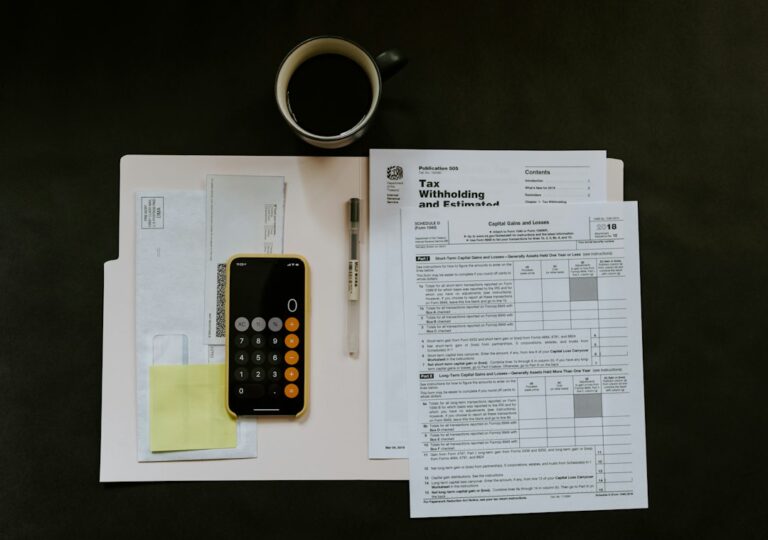 Selling for cash
FTB Form 593: Why Escrow Holds Back 3⅓% of a California Home Sale and How to Avoid It
Escrow generally withholds 3⅓% of a California sale price for the Franchise Tax Board unless you certify an exemption on Form 593.…
Read the guide → Inherited homes & probate
Medi-Cal Estate Recovery and the Family House: Who Owes, Who Is Protected and the Deadlines
Since 2017, Medi-Cal estate recovery reaches a house only if it passes through probate. See who is exempt, the 90-day notice and the 60-day waiver window.
Read the guide →