
Sell an Inherited House in Stockton: Probate, Trusts and Heirs Explained
- Foreclosure, inherited, tenants, damage — we buy it
- Zero fees, zero commissions, zero closing costs
- No obligation — turn the offer down and owe us nothing


For Heirs Deciding What to Do Next
Trusts, joint tenancy, small estates, and multiple heirs each work differently. See where your situation fits before you decide to sell.
If you need to sell an inherited house in Stockton, the first question is not the price. It is who has the legal authority to sign, and whether a court has to be involved.
A house can pass through a living trust, through joint tenancy, through a simplified court petition, or through full probate in San Joaquin County Superior Court, and each path has its own paperwork and timeline.
This page walks through those paths, the Proposition 19 question, taxes, multiple heirs and cleanouts, so you can decide what to do with the house.
Cash Home Buyers CA buys inherited houses throughout Stockton as-is, including homes still full of belongings. We buy directly or bring a vetted cash buyer, the sale closes through a neutral title and escrow company, and you can call or text (424) 435-2326 to talk through your situation.
Selling an Inherited House in Stockton: Which Path Applies to You
Start by finding the most recent deed and asking whether the owner left a trust or a will. The answer usually points to one of these routes:
- The house was in a living trust. The successor trustee can sell it without going to court.
- Title was held in joint tenancy or as community property with right of survivorship. The surviving owner records an affidavit of death and can then sell.
- The house was in the owner’s name alone and is worth $750,000 or less. For deaths on or after April 1, 2025, a simplified court petition can transfer a primary residence without full probate.
- None of the above. The estate generally goes through probate, and the personal representative sells the house with the court’s authority.
Each route is explained below. If you are not sure which applies, the title company can read the deed and recorded documents, and we can help you figure out what to ask.
When a House Passes Without Full Probate
- Living trust administration. If the property was held in a revocable living trust, it passes to the named beneficiaries through trust administration handled by the successor trustee, not through probate court. This is usually faster and more private than probate, though the trustee still has fiduciary duties to the beneficiaries.
- Joint tenancy or community property with right of survivorship. When title was held this way, the surviving owner typically becomes sole owner automatically at the co-owner’s death, outside of probate, once an affidavit of death and a certified death certificate are recorded with the San Joaquin County Recorder-County Clerk at 44 N. San Joaquin Street in Stockton.
- Small estate procedures. California allows a simplified small estate affidavit for personal property when the estate’s total value is under $208,850 (current through March 2028, adjusted every three years). Separately, real property has its own simplified succession process, and recent legislation raised that real-property threshold to $750,000 for a primary residence, letting many Stockton heirs skip formal probate for the house itself.
Who Signs When the Owner Has Died
The title company will not insure a sale unless the right person signs. Depending on the path, that person is:
- The successor trustee, for a house held in a living trust, using a certification of trust and the death certificate.
- The surviving joint tenant or spouse, after an affidavit of death is recorded.
- The heirs named in the court’s order, for a house transferred by a primary residence petition.
- The executor or administrator, using letters issued by the San Joaquin County Superior Court, for a house in probate.
Anyone else, including a relative who is living in the house or who holds a power of attorney that ended at the owner’s death, cannot sign a valid sale. Sorting this out early is the single biggest factor in how quickly an inherited house can close.
When a Sibling or Relative Lives in the Inherited House
It is common for an adult child, another relative or a tenant to be living in an inherited house. A tenant with a lease keeps the protections of that lease and of the statewide Tenant Protection Act, and we can buy with the tenant in place.
A family member living there without a lease is a more delicate conversation, and it often helps to agree on a move-out date and any help with moving costs before the house goes under contract.
We can set a closing date that gives everyone time, and a voluntary agreement is almost always faster and less painful than a formal eviction.
The $750,000 Primary Residence Petition
California’s rules for small estates changed in 2025. For deaths on or after April 1, 2025, a decedent’s primary residence worth up to $750,000 can pass to the heirs through a petition under Probate Code sections 13150 through 13158, filed on Judicial Council form DE-310, rather than through a full probate administration. The petition can generally be filed 40 days after the death. Separately, the small estate affidavit for personal property covers estates up to $208,850.
With Stockton’s median sale price around $533,000 in the first half of 2026, according to Redfin, many family homes in the city fall under the $750,000 limit. That can save months compared with a full probate. Once the court issues its order, the heirs named in it can sell the house, and the order is recorded with the San Joaquin County Recorder so the title company can insure the sale.
Sell a House in Probate in Stockton: San Joaquin County Steps
When a full probate is needed, the case is filed with the Superior Court of California, County of San Joaquin, whose main Stockton Courthouse is at 180 East Weber Avenue. The usual sequence looks like this:
- A petition is filed asking the court to appoint an executor (if there is a will) or an administrator (if there is not), and to admit any will.
- Notice is given to heirs and published in a local newspaper, and the court holds a hearing.
- The court appoints the personal representative and issues letters, the document that proves their authority.
- A probate referee appraises the house and other assets, and creditors have a period to file claims.
- The personal representative sells the house, either under independent administration or with court confirmation.
- After debts and costs are paid, the court approves distribution to the heirs and the estate closes.
Probate in California commonly takes many months and can run longer than a year, depending on the court’s calendar, creditor claims and disagreements among heirs. The house does not have to sit empty and unsold that whole time. Once letters are issued, the personal representative can usually sell it.
Selling During Probate: Full or Limited IAEA Authority
How a probate sale works depends on the authority the court grants under the Independent Administration of Estates Act (IAEA):
- Full authority. The personal representative can sell the house without a court hearing. They send a Notice of Proposed Action to the heirs, who have at least 15 days to object. If no one objects, the sale proceeds like a normal escrow.
- Limited authority, or no IAEA authority. The sale has to be confirmed by the court. After the buyer signs, the representative petitions for confirmation and a hearing is set. At the hearing, other buyers can overbid, and the court confirms the highest qualified bid. This adds weeks and some uncertainty, because the original buyer can be outbid in the courtroom.
We buy when the personal representative has full IAEA authority, once the notice period to the heirs passes, and we buy from successor trustees. If the court must confirm the sale, we are not the right buyer.
How to Sell an Inherited House in Stockton That Is in a Trust
If you are a successor trustee, selling an inherited house is usually the most straightforward path. There is no court case. The trustee shows the title company a certification of trust and a death certificate, records an affidavit of death of trustee if needed, and signs the sale documents.
The trustee also sends the beneficiaries the trust notification required by the Probate Code, and many trustees wait to close until the period to contest the trust has run, or get the beneficiaries’ written consent.
Trustees still owe duties to the beneficiaries. A written cash offer, a broker’s opinion or an appraisal helps document that the price was fair. Proceeds go into the trust account and are distributed according to the trust’s terms.
Trustees sometimes worry that they must hold the property until every question about the estate is settled.
In most cases you can sell an inherited house held in trust as soon as you have the documents the title company needs, while debts, final tax returns and distributions are handled from the cash in the trust account afterward.
Holding cash is usually simpler than holding a vacant house that needs insurance, utilities and upkeep every month.
When Multiple Heirs Inherit Together
It’s common for a house to pass to two or more siblings or relatives at once, and just as common for them to disagree about what to do with it — sell it, rent it out, or have one heir buy out the others.
A buyout requires the remaining heir to qualify for financing on their own, which isn’t always realistic.
When heirs can’t agree, any co-owner can file a partition action asking the court to force a sale, which is slower and more expensive than simply agreeing to sell to a single buyer and splitting the proceeds. Selling to one direct buyer is often the path that avoids that outcome entirely.
When some heirs live out of state, they do not need to travel. Each person on title can sign in front of a mobile notary wherever they live, and the title company coordinates the originals. Escrow can pay each heir’s share directly according to the court order, the trust or a written agreement among the heirs.
The Proposition 19 Question: Move In or Sell?
Proposition 19 limits the parent-to-child exclusion to a family home that the child uses as a primary residence. The child must move in and file for the homeowners’ exemption within one year.
Even then, the exclusion is capped: for transfers from February 16, 2025 through February 15, 2027, the parent’s taxable value plus $1,044,586 is the limit, and value above that is added to the child’s assessment. If you plan to move into the house, work through these numbers before the one-year window closes.
If you’re planning to sell to an outside buyer instead, this entire question is largely moot.
The property gets reassessed to current market value once it changes hands to a buyer either way, and a sale to a third party was never eligible for the parent-child exclusion in the first place.
There’s no Prop 19 downside to selling — the reassessment concern only applies to heirs who want to keep and live in the property long-term.
Capital Gains Tax on an Inherited House: The Step-Up in Basis
Inherited property usually receives a stepped-up tax basis equal to its fair market value on the date of death. If you sell soon after inheriting, the sale price is often close to that stepped-up value, so the taxable gain may be small. A date-of-death appraisal, often the probate referee’s appraisal in a probate case, documents that value.
California may also require escrow to withhold part of the proceeds and report it on Form 593. This can apply to California residents as well as non-residents, and there are exemptions, including some that apply to estates and trusts. The escrow officer will provide the form and explain the options.
On closing costs, by local custom the seller usually pays the transfer tax in a regular listed sale in San Joaquin County. When you sell to us, we pay the standard closing costs, including the county transfer tax, escrow and title.
Cleanouts, Vacancy and Protecting the House
Inherited houses are often vacant and full of a lifetime of belongings. While the estate is being sorted out:
- Insurance. Tell the insurer the owner has died and the house is vacant. Standard policies can limit coverage on vacant homes, and a vacant-property policy may be needed.
- Security. Change the locks, keep the yard tidy, stop mail and newspaper delivery, and ask a neighbor to watch the house.
- Utilities. Keep power and water on at a minimum level so the house can be shown and pipes and systems are protected.
- Valuables and papers. Remove jewelry, documents, photos and anything of sentimental value early.
- The rest. If you sell to us, you do not need to empty the house. Take what the family wants and leave everything else; we handle the cleanout after closing.
Why Heirs Often Choose a Direct Sale
Inherited houses are frequently vacant, sometimes in another state from where the heirs live, and often need updating after years of deferred maintenance. A direct cash sale means no repairs, no staging an empty house, no financing contingency for a buyer to fall through on, and proceeds split cleanly through escrow among however many heirs are on title.
If the house needs serious work, our page on how to sell house as-is Stockton covers disclosures in an as-is sale. If the inherited property is a rental, see how to sell house with tenants Stockton. For the escrow steps from offer to recording, see our page on a cash offer for my house Stockton, and for an overview of everything we buy, visit we buy houses Stockton.
Selling an Inherited House in Stockton Step by Step
- Get several certified death certificates from San Joaquin County or the county where the death occurred.
- Find the estate planning documents: trust, will, the most recent deed and any recent mortgage statements.
- Confirm who has authority: trustee, surviving owner, heirs under a court order, or a court-appointed personal representative.
- Secure and insure the house, and keep paying the mortgage, taxes and insurance if you can.
- Get a value, through a written cash offer, a broker’s opinion or an appraisal, and share it with the other heirs.
- Agree on a plan: keep, buy out, list or sell as-is.
- Open escrow with a neutral title and escrow company, complete disclosures and clear title.
- Close and distribute the proceeds according to the trust, court order or written agreement.
Inherited House Questions From Stockton Families
Is probate always required before selling inherited property in Stockton?
Not always. Trust property, survivorship property and many primary residences worth $750,000 or less can transfer without full probate. If none of those apply, the estate generally goes through San Joaquin County Superior Court.
Can the house be sold while probate is still open?
Yes. Once the court issues letters, a personal representative with full IAEA authority can sell after a Notice of Proposed Action to the heirs, and we buy in that case. If the sale needs court confirmation, we are not the right buyer.
What if my siblings and I do not agree on selling?
One heir can buy out the others, or the heirs can agree to sell and split the proceeds. Without an agreement, a co-owner can ask the court for a partition sale, which is slower and more expensive.
Can you buy a house with several heirs on title?
Yes. Each heir signs, in person or with a mobile notary, and escrow pays each share as directed.
How long does an inherited-house sale take in Stockton?
For a trust or survivorship property with clear title, often 7 to 14 days after you accept. A primary residence petition or a probate case adds the court’s timeline before anyone can sign.
What if there is still a mortgage on the house?
The loan is paid off from the sale price at closing. Heirs can usually keep making payments in the meantime to avoid default while the estate is settled.
Can I sell an inherited house in Stockton that is behind on property taxes?
Yes. Back taxes and penalties are paid from the sale price through escrow, so the heirs don’t bring cash. After five years of tax default the county can sell the house at a tax sale, so act early.
Get a free, no-obligation cash offer from Cash Home Buyers CA today.
Looking for more on selling in Stockton? See our pages for cash home buyers in Stockton and we buy houses in Stockton.
Seller Guides
Helpful guides for homeowners in Stockton
Plain-English answers to the questions sellers ask us most.
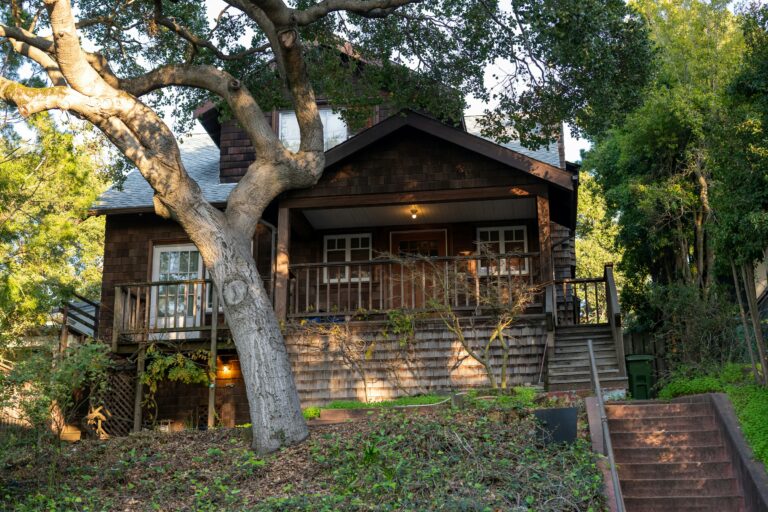 Selling for cash
Berkeley’s 1.5% to 2.5% Transfer Tax, and What Changes When Measure W Takes Effect in 2027
Berkeley charges its own 1.5% to 2.5% transfer tax on top of Alameda County's -- and the rate structure is about to…
Read the guide → Inherited homes & probate
Selling an Inherited House Without a Court Hearing: How the 15-Day Notice Works in California Probate
California executors with full IAEA authority can sell estate property on 15 days notice, no court hearing required. Here is how it works.
Read the guide → Inherited homes & probate
What Probate Actually Looks Like for an Inherited House in Fresno County
Probate for an inherited Fresno County house runs through one courthouse, but the timeline depends on how title was held. What to expect, step by step.
Read the guide → Inherited homes & probate
Understanding California’s Probate Overbid Process
A signed probate offer in California isn't final until confirmed. Here's the statutory overbid formula and how it can beat your accepted price.
Read the guide → Inherited homes & probate
Partition Actions Between Heirs: How California Law Forces a House Sale
California heirs can force a house sale through a partition action under CCP 872-874, with court referees, confirmation hearings, and buyout rights.
Read the guide →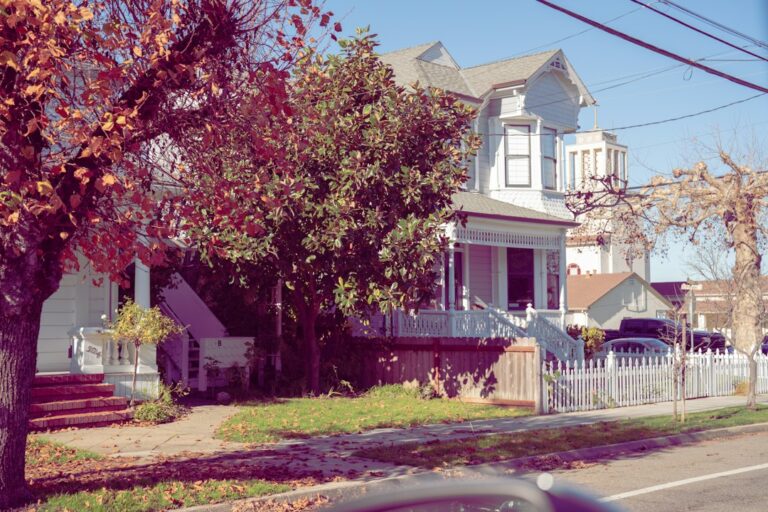 Inherited homes & probate
Medi-Cal Estate Recovery and the Family House: Who Owes, Who Is Protected and the Deadlines
Since 2017, Medi-Cal estate recovery reaches a house only if it passes through probate. See who is exempt, the 90-day notice and the 60-day waiver window.
Read the guide →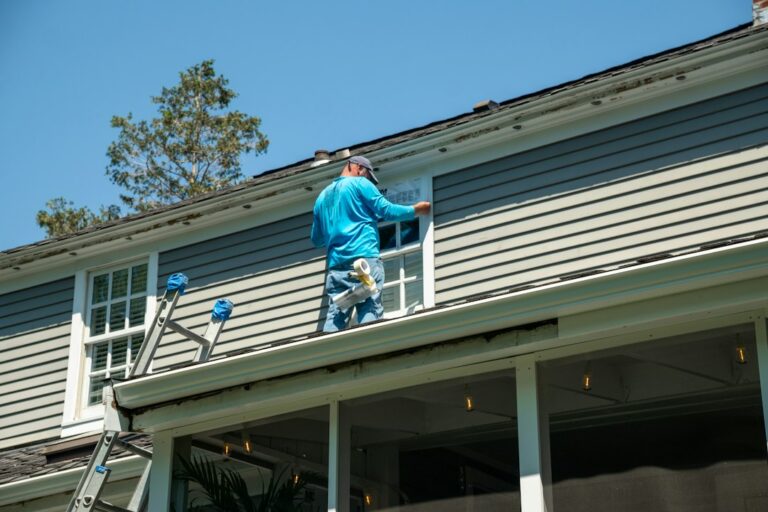 Inherited homes & probate
What Does a Probate Referee Do in California?
A probate referee is a state-appointed appraiser who values a deceased person's non-cash assets for the court, and California caps their fee…
Read the guide → Inherited homes & probate
What Is a Probate Bond in California, and Do You Need One to Sell?
What a California probate bond costs, when the court waives it, and who pays. Plus a 24-hour written cash offer on the house, no repairs, no fees.
Read the guide → Inherited homes & probate
Can You Sell a House With Power of Attorney in California?
Selling a house with power of attorney in California? See what the POA must say. 24-hour written cash offer, no repairs, no fees, close in 7-14 days.
Read the guide →