
Torrance Zoning and ADU Guide for Homeowners and Sellers
- Back units, converted garages, odd zoning — we buy it as-is
- Zero fees, zero commissions, zero closing costs
- No obligation — turn the offer down and owe us nothing
Back Unit or Zoning Question? Sell It As-Is for Cash
An ADU, garage conversion or unusual zoning does not have to complicate your sale. Tell us about the house and get a written cash offer.
Last updated November 13, 2026. Reviewed by the Cash Home Buyers CA team. Information comes from the City of Torrance Community Development Department; sources are listed at the end.
In Torrance, zoning and accessory dwelling unit (ADU) questions go to the Planning Division, and the city publishes a page on ADUs and junior ADUs (JADUs) covering definitions, state law changes, local ordinance requirements and the permitting process. The city also offers pre-approved ADU plans.
Torrance zoning and ADU at a glance
| ADU information | Planning Division page on ADUs and JADUs: definitions, state law changes, local ordinance requirements and permitting process |
| Pre-approved plans | City-reviewed ADU plans found in conformance with applicable zoning and building code requirements |
| Zoning screening | Required before you submit a building permit application |
| Separate address | ADUs and JADUs require a separate address |
| Building permit questions | Building and Safety Division, (310) 618-5910 |
How do I find out what is allowed on a Torrance lot?
Torrance requires Zoning Screening before you submit a building permit application, zoning clearance documentation and construction plans through the Citizen Access Portal. The Planning Division’s Land Use Plans and Standards pages explain the rules that apply, including its ADU and JADU overview.
What are the steps to build an ADU in Torrance?
Read the city’s ADU and JADU page first, then get zoning screening and submit your permit application and plans through the Citizen Access Portal. Owners can also use the city’s Pre-Approved ADU plans, which the city reviewed for zoning and building code conformance.
For building permit requirements, the city directs questions to Building and Safety at (310) 618-5910. Because rules change with state law, confirm current standards with the city.
Selling a Torrance house with an ADU or converted garage
A permitted ADU is part of the property and can matter to buyers. An unpermitted unit can surface in a buyer’s inspection or in the permit records, and the city’s Code Enforcement Unit enforces zoning and land use rules. See our Torrance building permits guide and code enforcement guide.
How Torrance defines an ADU and a JADU
The city’s page defines an accessory dwelling unit as an attached or detached residential unit with complete independent living facilities for one or more people, on a lot with a proposed or existing primary dwelling.
The definition includes efficiency units under Health and Safety Code section 17958.1 and manufactured homes under section 18007. A junior accessory dwelling unit is a unit contained entirely within a proposed or existing single-family dwelling or within the walls of an attached garage, and it may be no more than 500 square feet.
The page does not list ADU size, setback or height numbers, so confirm those with the Planning Division.
How an ADU is reviewed
Torrance says ADUs are reviewed and processed ministerially by the Building and Safety Division as part of the building permit process. The applicant submits a building permit application, construction documents and a covenant restriction. The city is also accepting submissions of designer-owned plans for a pre-approved ADU program.
For questions, the Building and Safety Division is at (310) 618-5910. Because the permit runs through Building and Safety, a unit’s file should show a permit number and inspection history if it was built legally.
The JADU covenant, and why it matters in a sale
Before a JADU is occupied, the owner must record a covenant.
The city describes the steps as completing the covenant, getting it notarized, submitting it to the Los Angeles County Registrar-Recorder/County Clerk, and returning a copy of the notarized and recorded covenant to the Community Development Department for the building permit record.
When you sell a house with a JADU, ask for that recorded covenant. A missing covenant is one of the things a buyer’s title company or lender may question, and you will want to know the answer before they ask. See the statewide guide to selling as-is for the disclosure side.
Garage conversions and unpermitted units
A JADU can sit inside the walls of an attached garage, which means a lawful garage conversion has a specific path. A garage turned into a room without a permit and a covenant has none of it.
Under AB 2533, owners applying to legalize an unpermitted ADU or JADU built before January 1, 2020 are not charged certain impact fees, according to the state’s housing department materials, but plan check, permit fees and any corrections still apply.
Ask Building and Safety what it would require before deciding between legalizing and selling as-is.
What a buyer will ask about the unit
- Is there a permit and a final inspection for the unit?
- For a JADU, was the covenant recorded?
- Is the unit rented? See our tenant-occupied home sale guide.
- Does it have its own utilities and entrance?
How to sell a house in Torrance with an ADU or zoning problem
- Check the permit history for the unit or garage conversion.
- Ask Planning what applies to the lot.
- Compare options: legalize the unit, sell with a price credit, or sell as-is to a cash buyer who prices the risk in.
- Disclose honestly. Known unpermitted work should be disclosed.
We buy Torrance houses as they are. See how we buy houses in Torrance or our cash home buyer page.
Not sure what your zoning or unit means for a sale? Call (424) 435-2326 or request a cash offer. There is no cost and no obligation.
Zoning screening and the Citizen Access Portal
Torrance requires Zoning Screening before a building permit application is submitted, with zoning clearance documents and construction plans going through the Citizen Access Portal. For a seller, the portal is worth a look: it may show what was screened, approved and finaled on your parcel.
If an ADU was built, the record should show that sequence. Gaps are worth asking about at the Planning Division or the Building and Safety Division at (310) 618-5910.
The separate address requirement
The city says ADUs and JADUs require a separate address. A legal unit should therefore have its own address assignment. If your back unit has none, or if utilities and mail treat it as part of the main house, that is a sign the process may not have been completed. It is not proof, but it is a detail a careful buyer or inspector may raise.
Preparing to sell a house with a unit
- Gather permits, approvals and any recorded covenant for the unit.
- Confirm whether the unit is an ADU or a JADU, since the rules differ.
- If a garage was converted, check whether it was permitted.
- Decide whether to legalize it, sell with a credit, or sell as-is.
Our Torrance building permits guide and California as-is guide can help with the next steps.
Torrance zoning and ADU FAQ
Does Torrance have pre-approved ADU plans?
Yes. The city has reviewed pre-approved ADU plans and found them in conformance with applicable zoning and building code requirements.
Does an ADU need its own address in Torrance?
Yes. The city’s FAQ says ADUs and JADUs require a separate address.
Is zoning screening required before applying for a permit in Torrance?
Yes. The city says to get Zoning Screening, then submit your application, zoning clearance documentation and plans through the Citizen Access Portal.
Can I sell a house in Torrance with an unpermitted ADU?
Yes. It can complicate a traditional sale, so disclose it and choose between legalizing it, discounting the price, or selling as-is to a cash buyer.
How is an ADU reviewed in Torrance?
The city says ADUs are reviewed and processed ministerially by the Building and Safety Division as part of the building permit process, with a building permit application, construction documents and a covenant restriction.
Does Torrance require a covenant for a JADU?
Yes. The city says the owner must record a covenant before the JADU is occupied, and return a notarized, recorded copy to the Community Development Department for the permit record.
How large can a JADU be in Torrance?
No more than 500 square feet, and it must be contained within a single-family dwelling or the walls of an attached garage.
Does a Torrance ADU need its own address?
Yes. The city says ADUs and JADUs require a separate address.
Is zoning review required before a Torrance building permit?
Yes. The city requires Zoning Screening before you submit a building permit application.
Sources
- City of Torrance: Accessory Dwelling Units and Junior ADUs
- City of Torrance: Pre-Approved Accessory Dwelling Units
- City of Torrance: Building and Safety FAQ
This guide is general information, not legal advice. ADU and zoning rules change; confirm with the City of Torrance.
From the Blog
Latest guides for California home sellers
-

California’s Judicial Foreclosure Redemption Right: The One-Year Window Most Owners Never Hear About
California's rarer judicial foreclosure process comes with a statutory right to redeem the property for up to a year after the sale…
Read the guide → -
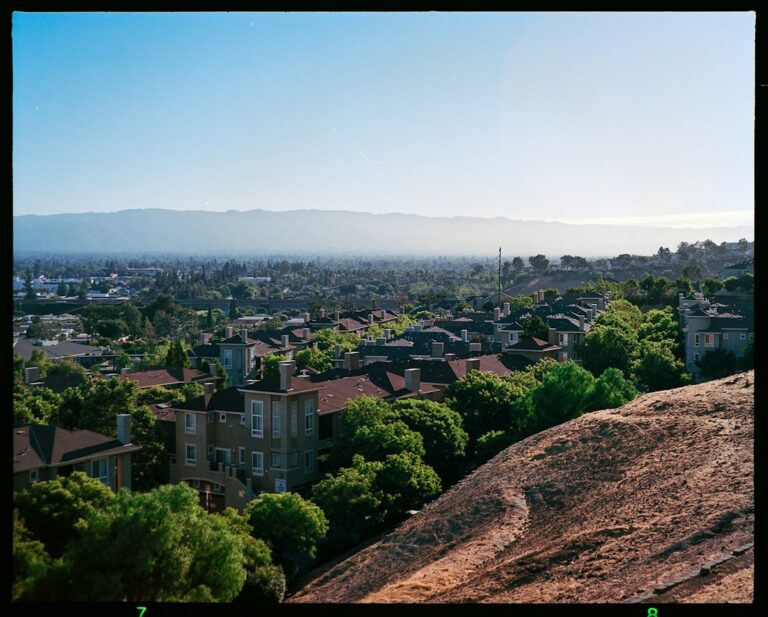
Santa Clara County’s Tax-Defaulted Property Auction: How to Claim the Excess Proceeds
When a Santa Clara County home isn't redeemed within the state's deadline, the county can sell it at public auction — and…
Read the guide → -
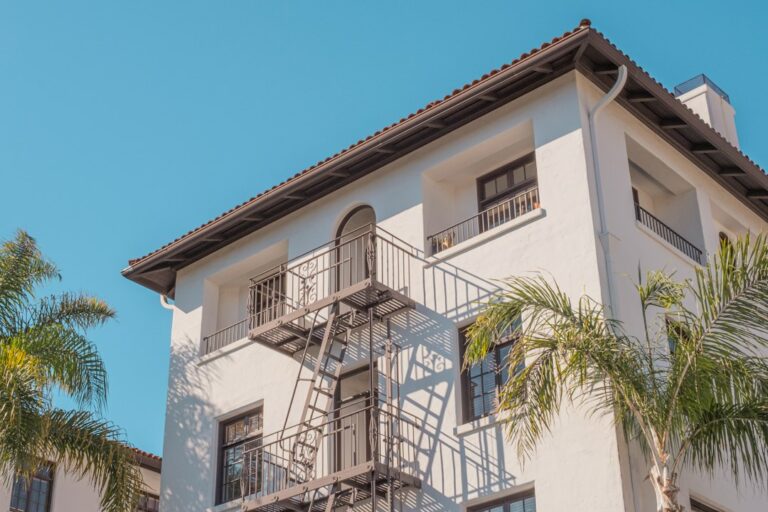
Pomona’s Rent Stabilization Ordinance Just Became Permanent: What Landlords Must Do Before Selling
Pomona's Ordinance No. 4359 became permanent on January 1, 2026, replacing the city's prior urgency ordinances and capping most rent increases at…
Read the guide → -
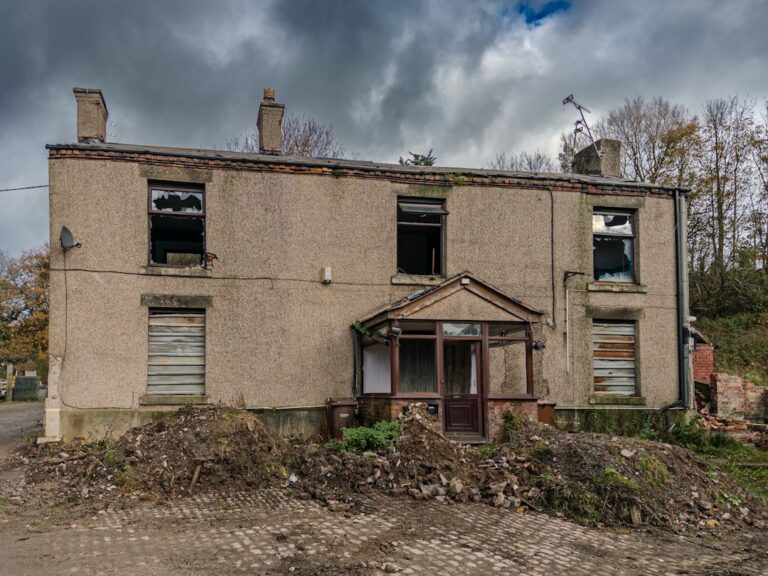
Compton’s Substandard Building Ordinance, Explained
Compton can order a dangerous or substandard house secured, repaired, or demolished under Municipal Code Chapter 14, and if the owner misses…
Read the guide → -
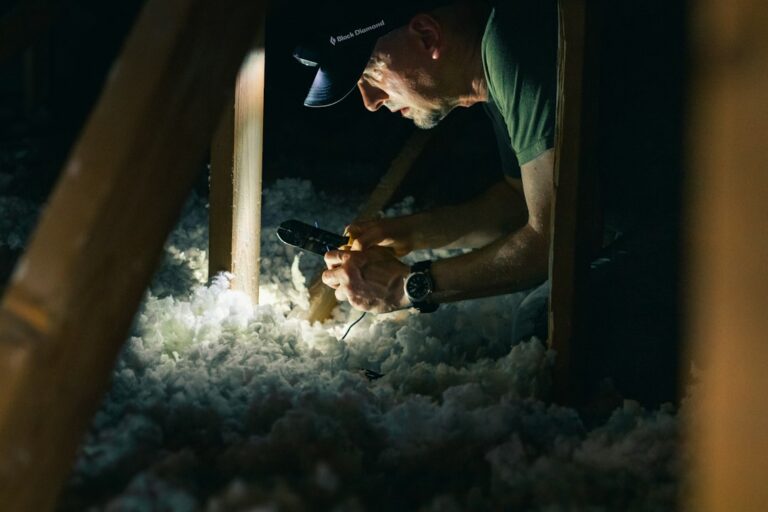
Chico’s RECO Inspection: What Sellers of Older Homes Must Fix Before Closing
Chico requires sellers of homes built before July 1, 1991 to pass a RECO energy and water retrofit inspection — or transfer…
Read the guide → -

Emeryville’s Just Cause Eviction Ordinance: Relocation Pay Under Municipal Code 5-40
Emeryville had its own just-cause eviction and relocation-assistance ordinance years before California’s statewide AB 1482 existed, and the local rule is still…
Read the guide → -

Malibu’s Six-Year Rebuild Deadline After the Palisades Fire: Municipal Code 17.60.020(C)
Malibu homeowners rebuilding after the January 2025 Palisades Fire have a hard deadline most residents outside the city have never heard of:…
Read the guide → -

California’s Security Deposit Cap: How AB 12 Limits What Landlords Can Collect
AB 12 caps most California security deposits at one month's rent, with a narrow exception for small landlords — plus new 2025…
Read the guide → -

California Civil Code §4525: The 11 HOA Documents You Must Hand a Buyer Before Closing
California Civil Code §4525 requires sellers inside an HOA to hand buyers 11 specific documents before closing — a list that just…
Read the guide →