
We Buy Houses in Torrance, CA
- Foreclosure, inherited, tenants, damage — we buy it
- Zero fees, zero commissions, no repairs needed
- No obligation — turn the offer down and owe us nothing


Fast, Fair, and Reliable Offers
Sell your house fast with our cash home buying service. No fees, no hassles, just a straightforward sale. Get your offer now.
We buy houses in Torrance: the quick answer
Yes, we buy houses in Torrance for cash, and we can buy yours as-is, with no repairs or showings. After reviewing the property, we can typically provide a written cash offer within 24 to 48 hours.
On a direct purchase from us, there is no agent commission charged by us, and we cover the standard closing costs we agree to in the contract. You choose the closing date, and requesting an offer does not obligate you to sell.
Best fit: inherited homes, tenant-occupied rentals, properties needing major repairs, vacant homes, code issues, foreclosure timelines, or sellers who value certainty over maximizing a retail list price. A traditional listing may still produce a higher price for a retail-ready home, so compare net proceeds and timing before deciding.
Want a number first? Call or text (424) 435-2326 or use the cash-offer form above.
Torrance was laid out in 1912 by Frederick Law Olmsted Jr. as a planned industrial town, with the downtown streets angled to catch the ocean breeze, and more than a century later it still runs on that mix: a refinery that supplies much of Southern California’s gasoline, American Honda and Robinson Helicopter on the employer list, a 2.5-million-square-foot mall, and 58,000 homes spread over 24 square miles with a mile and a half of beach at the southwest corner.
It is also one of the busiest resale markets in the South Bay. Redfin counted 281 sales in July 2026, up almost 11 percent from a year earlier, at a median of about $1.26 million.
Cash Home Buyers CA is a Woodland Hills-based buyer that purchases houses throughout Los Angeles County, and in Torrance we buy everything from the 1920s bungalows of Old Torrance to the 1950s tract ranches of North and West Torrance and the hillside houses of the Riviera.
Our written cash offer arrives within 24 to 48 hours, there is no commission, no repair list and no showings, and you choose the closing date. The Torrance cash-offer process page explains the steps in detail.
Torrance in July 2026: high volume, quick sales, flat prices
Torrance is big enough to produce reliable monthly numbers, and July 2026 looked like this on Redfin: a median sale price of roughly $1,261,000, down 1.3 percent from July 2025; 281 homes sold; a median of 29 days on market, three days faster than the year before; a sale-to-list ratio of 101.1 percent; and just over half of homes selling above asking.
Redfin’s competitiveness score was 77 out of 100, and it noted that hot homes go pending in about 17 days at around 4 percent over list.
That is a healthy, liquid market, which cuts two ways for a seller. A clean three-bedroom in West Torrance or Southwood will find a buyer quickly through an agent.
But the same speed means buyers have plenty of turnkey choices and little patience for a house with a 1958 kitchen, a cracked slab or a tenant who will not let the agent show it. Those houses are where a cash offer earns its place.
Torrance’s rules on a home sale: fewer than you might expect
For a city of 140,000, Torrance adds very little to the state’s standard sale requirements. As of September 2026 the Los Angeles County Registrar-Recorder lists five cities with a municipal transfer tax, and Torrance is not among them; neighboring Redondo Beach charges $2.20 per $1,000, but a Torrance sale pays only the county’s $1.10 per $1,000. We verified the rest as follows:
- No rent control or just-cause ordinance. Torrance does not appear on Tenants Together’s list of California cities with local rent control. The state Tenant Protection Act applies to covered rentals, capping increases at 5 percent plus inflation, with single-family homes mostly exempt.
- No city point-of-sale inspection or retrofit certificate that we could find, so there is nothing like the Los Angeles 9A report to order.
- No Very High Fire Hazard Severity Zone. Torrance is absent from the state fire marshal’s list of Los Angeles County cities with such zones, and Redfin puts wildfire exposure at under 1 percent of properties. The flat coastal plain is the reason.
- Flood and heat. Redfin flags about 9 percent of Torrance properties for severe flood risk and 95 percent for moderate heat risk; the flood figure concentrates near the low-lying drainage channels rather than the hills.
- Coastal zone. The city touches Santa Monica Bay at Torrance Beach, so a small number of Riviera lots near the water may fall under coastal permitting for construction. That does not affect a sale of the house as it stands.
- Mello-Roos. Not a Torrance feature; the city was built out long before that financing tool became common.
From Old Torrance to the Riviera: the houses we buy
Locals divide the city into North Torrance (north of 190th, older post-war tracts and the most affordable single-family houses in the city), West Torrance (the 1950s and 1960s ranch neighborhoods west of Hawthorne Boulevard that families pay a premium for), Southeast Torrance and Walteria near the refinery and the Palos Verdes hills, Old Torrance (the original Olmsted street grid around Torrance Boulevard and Cabrillo, with 1920s bungalows and a downtown under review as a historic district), and the Hollywood Riviera, where 1940s to 1960s houses climb the slope above Torrance Beach.
In between are the condo and townhouse complexes built in the 1970s and 1980s along Sepulveda and Crenshaw that give first-time buyers a way in.
Post-war Torrance housing is now 60 to 75 years old, and that is the sweet spot for a cash buyer.
We buy tract houses with original galvanized plumbing and Federal Pacific panels, homes with slab cracks, houses with room additions that never got a final inspection, condos with special assessments pending, and rental houses whose owners have stopped keeping up with the association or the city.
We also buy homes downwind of the refinery that some financed buyers pass over, and price them fairly.
Why Torrance homeowners sell to us
- A parent’s tract house from 1955. Torrance’s post-war neighborhoods are full of original owners, and their children often live out of state. We buy inherited houses in Torrance and can close after probate wraps up, contents included.
- A job transfer. With Honda, the hospital system and the aerospace shops here, corporate moves in and out of Torrance are routine. If you are selling a Torrance house because of relocation, a fixed close date lets you leave on schedule.
- A rental you are done managing. Roughly 46 percent of Torrance households rent, many in single-family houses owned by small landlords. We buy tenant-occupied houses in Torrance with the tenants staying.
- A house that would fail a picky inspection. When the buyer pool expects move-in ready, an as-is sale in Torrance avoids the credits and cancellations.
How a Torrance cash sale closes in Los Angeles County
Once you accept our written offer we open escrow with an independent escrow holder and order a preliminary title report.
Title checks for liens, judgments and ownership questions; on a Torrance house held since the 1950s that can include an old second deed of trust nobody remembers paying off, and we clear those in escrow. The grant deed is recorded with the Los Angeles County Registrar-Recorder/County Clerk in Norwalk.
Estates that need court oversight go through the probate department of the Los Angeles Superior Court downtown.
Custom in Los Angeles County has the seller paying the county transfer tax and the owner’s title policy while escrow fees are split, but we routinely restructure that so the seller nets a single agreed figure. Without a loan there is no appraisal and no underwriting, so escrow can close in seven to ten days, or on any later date you need to line up your move.
Torrance by the numbers
Torrance had 147,067 residents at the 2020 census and an estimated 138,391 in mid-2025, spread across about 20.5 square miles of the South Bay. The Census Bureau’s 2020 to 2024 American Community Survey shows 55% of homes are owner-occupied, the median value of those homes is $1,074,700, and median gross rent is $2,280 a month. Close to 19% of residents are 65 or older.
The city’s growth tells you a lot about its houses. Torrance had about 22,000 residents in 1950, more than 100,000 by 1960 and roughly 135,000 by 1970.
Most of today’s single-family homes were built in that 20-year burst, which is why so many Torrance sellers own a house that is now 55 to 75 years old, often bought decades ago and owned free and clear or close to it.
Those homes are the core of what we mean when we say we buy houses in Torrance: solid post-war construction that has aged, sometimes gracefully and sometimes not.
Demand for those homes has stayed strong for a few reasons that buyers mention again and again. The whole city is served by the Torrance Unified School District, which many families seek out.
Large local employers such as Torrance Memorial, Providence Little Company of Mary and American Honda, whose U.S. headquarters is in Torrance, keep a steady flow of people looking to live close to work.
Del Amo Fashion Center, one of the largest malls in the country, and about a mile and a half of beachfront on Santa Monica Bay round out the appeal. All of that supports resale values, which in turn supports solid cash offers even on houses that need significant work.
A planned city, and what that means for older homes
Torrance was founded in 1912 and incorporated in 1921. Developer Jared Sidney Torrance hired Frederick Law Olmsted Jr. to lay out a planned community that mixed homes, shops and industry, and the original town center around Old Torrance still reflects that plan, along with early buildings by architect Irving Gill.
Homes in that historic core are often older than the post-war tracts and come with their own considerations, from original foundations to knob-and-tube wiring that may have been only partly replaced. If your house is in that part of the city, our Old Torrance page goes into more detail.
That mixed-use origin also means some residential streets sit closer to industrial and commercial areas than buyers in other South Bay cities might expect. It does not stop homes from selling, but it shapes who buys them and at what price, which is part of why one Torrance offer can look very different from another a mile away.
Location details that show up in your disclosures
Every California seller completes a set of standard disclosures, and a few location-specific items come up often in Torrance. Homes near Zamperini Field, the city’s general aviation airport, may fall inside an airport influence area, which is noted in the disclosure package.
Properties near the refinery, rail lines or industrial zones may raise questions from buyers about noise, odors or traffic. Homes close to the coast and in the hillside areas near the Palos Verdes Peninsula have their own natural hazard items, which a third-party report will identify.
None of these are reasons a house cannot sell. They are simply facts a buyer weighs. Financed buyers sometimes back out late when an issue comes up in the disclosures or the appraisal.
A cash buyer reviews the same information before making an offer, so it is already reflected in the price instead of reopening negotiations halfway through escrow. As always, you disclose what you know. Selling as-is does not change that obligation.
Long-time Torrance owners: taxes, trusts and estates
Because so many Torrance homes have been owned for decades, the paperwork around a sale often involves trusts, estates and older tax bases. If the home is in a living trust, the successor trustee can usually sell without a court process.
If not, the estate may need to go through probate in Los Angeles County Superior Court, where a personal representative with full authority under the Independent Administration of Estates Act can often sell without a confirmation hearing. Our guide to how Los Angeles County probate court works walks through the steps.
Taxes are the other half of the picture. Prop 13 keeps a long-time owner’s assessment low, but that base does not pass to a buyer.
For heirs, Prop 19, effective in 2021, limits the parent-child exclusion to a home the child moves into as a primary residence, with a cap on the excluded value.
An heir who keeps a parent’s Torrance house as a rental will usually see the assessment reset closer to market value, which changes the rental math considerably.
At closing, escrow will also ask you to complete California Form 593, since state withholding can apply to residents as well as non-residents unless an exemption applies.
What your first call with us looks like
The first conversation is short and low-pressure. We ask where the house is, roughly how big it is, what condition it is in, whether anyone lives there, and when you would ideally like to close.
If there is a mortgage, we ask for an approximate balance so we can estimate what you would net. If an owner has passed away or a divorce is pending, we ask who has authority to sign, because that drives the timeline more than anything else.
From there we review recent sales near you and, if it helps, schedule a quick walk-through. Within 24 to 48 hours you get a written offer and an explanation of how we got there. You can accept, ask questions, compare it to what an agent suggests, or walk away.
If you are still deciding between buyers, our page on cash home buyers in Torrance explains what to compare, and if speed is your top priority, read sell my house fast in Torrance.
Three ways to sell a dated Torrance house
Owners of older Torrance homes usually end up choosing among three paths, and it helps to see them side by side.
- List it exactly as it is. You pay commissions and let the market decide. In a fast-moving market, a dated house can still draw interest, but many of the buyers will be investors and contractors pricing in the same repairs a cash buyer would, while financed buyers may struggle with appraisals or lender-required fixes.
- Fix it up, then list. Paint, flooring, landscaping and a kitchen refresh can raise the price, but you carry the costs and the risk. Contractors in the South Bay are busy, permits take time, and older houses tend to reveal surprises once walls and floors are opened. Each month of work adds mortgage, tax, insurance and utility costs.
- Sell for cash as-is. The price reflects the work the house needs, but there are no commissions on our offers, no repairs, no showings and a closing date you choose. For many long-time owners, the certainty and simplicity are worth more than the possible upside of a renovation they would have to manage.
There is no single right answer. The best choice depends on the condition of the house, how much time and cash you have, and how much hassle you are willing to take on. We are happy to show you our number next to a realistic estimate of what the other two paths would net, so you can decide with real figures in front of you.
Selling a Torrance house from out of town
Plenty of Torrance sellers no longer live in the South Bay. Some moved for work, some retired elsewhere, and many inherited a parent’s home while living in another state. Managing a listing from a distance means coordinating cleaners, contractors, photographers and showings, often with a house that is still full of belongings.
A cash sale can be handled almost entirely remotely. We can see the house with a family member, neighbor or property manager, or work from photos and a short video if needed. Escrow sends documents electronically for review and arranges a mobile notary wherever you live for the final signatures.
Proceeds are wired to your account after the deed records. You can leave furniture and personal items behind, which saves a cross-country trip just to empty the house.
Behind on payments in Torrance
Because Torrance values are high, most owners who fall behind still have significant equity, and the goal is to protect it. California foreclosures usually happen through a trustee sale rather than a court case.
After the lender records a Notice of Default, there is generally a waiting period of about 90 days before a Notice of Sale can be recorded, and that notice must be posted and recorded at least 20 days before the sale.
AB 2424 added protections for owners of one-to-four unit properties in this process. Selling before the sale date lets escrow pay off the loan, including missed payments and fees, and sends the remaining balance to you.
Waiting until the last week shrinks your options, so the earlier you get a firm number, the better. Our page on how to sell a house in foreclosure in Torrance goes through the timeline step by step.
Torrance condos and townhomes
Not every Torrance seller owns a detached house. The city also has plenty of condos and townhomes, many of them several decades old.
These sales add an HOA layer: the association provides documents and a payoff for dues, and buyers look at reserves, insurance, upcoming assessments and any building issues such as aging plumbing or roofs.
When an association is underfunded or facing major repairs, financed buyers may struggle to get a loan approved. A cash buyer is not bound by those lender rules, which can make the difference between a unit that sells and one that sits.
Listing a Torrance house or selling for cash: the honest comparison
A well-maintained house in West Torrance or the Riviera is a strong listing candidate. In a market where buyers paid 101 percent of asking in July 2026 and half of sales went over list, an agent will likely bring you more than we can offer, even after commission. We will say so after we see the house.
Where the comparison tips toward us is the house that needs work, the house with tenants, or the seller who needs a certain date.
On a $1.26 million sale the commission alone runs to tens of thousands of dollars, and a financed buyer adds an inspection-driven credit request, an appraisal that has to hold up in a month when prices slipped, and a loan that can fall through late.
Our offer is lower than the top of the market, but it comes without repairs, commissions, contingencies or surprises, and it closes when we say it will.
Torrance sellers ask us
What kinds of properties do you buy in Torrance?
We buy houses in Torrance of every type and condition: post-war tract homes, older homes near the historic downtown, hillside homes, condos, townhomes and small rentals. Vacant, occupied, inherited, damaged or simply dated, we can make a written as-is offer.
Is a cash offer on a Torrance house negotiable?
Yes. We explain how we reached the number, and if you have information we did not, such as a recent roof, a permitted addition or a nearby sale we missed, tell us. Terms like the closing date, a short stay after closing or which costs we cover can also be adjusted to fit your needs.
What happens if the title report shows a problem?
Most title issues in Torrance sales are routine: an old loan that was paid but never released, a lien, or a deceased co-owner still on the deed. Escrow and the title company work through them, and payoffs come out of your proceeds at closing. We set the closing date with that work in mind.
Do I need to clean out the house before closing?
No. Take what you want and leave the rest. Furniture, garage contents and anything else you do not want can stay with the house, and clearing it out becomes the buyer’s job after closing.
How fast can I sell my house in Torrance?
We deliver a written offer in 24 to 48 hours and can close in as little as seven to ten days. Redfin’s July 2026 median for Torrance was 29 days on market before escrow even opened, plus a financed buyer’s closing period, so a cash sale is typically a month or two faster end to end.
Do you buy houses near the Torrance refinery?
Yes. The neighborhoods around the refinery in Southeast Torrance and Walteria are established, and the houses there are as solid as anywhere in the city. Some financed buyers hesitate; we do not, and we price on the house and lot rather than the address.
Is there a transfer tax when selling a Torrance home?
Only the Los Angeles County documentary transfer tax of $1.10 per $1,000 of price, customarily paid by the seller. Torrance has no city transfer tax; the $2.20 per $1,000 city tax you may have heard about applies in Redondo Beach, not Torrance.
Can I sell a Torrance condo with an HOA special assessment coming?
Yes. We buy condos and townhomes throughout Torrance, including units where the association has a pending or levied assessment. We review the HOA documents in escrow and account for the assessment in the offer so you do not have to pay it off first.
Will you buy a Torrance house that has tenants?
Yes. Torrance has no local rent control ordinance, but tenants in covered units still have protections under state law, and we honor existing leases when we buy. You do not need to negotiate a move-out before selling to us.
To get a written cash offer on your Torrance house, call 424-435-2326 or read how our process works. The offer is free, and you decide whether to take it.
2026 local market research: See our Torrance Housing & Home Seller Report 2026 for current seller-focused housing context.
Seller Guides
Helpful guides for homeowners in Torrance
Plain-English answers to the questions sellers ask us most.
 Selling for cash
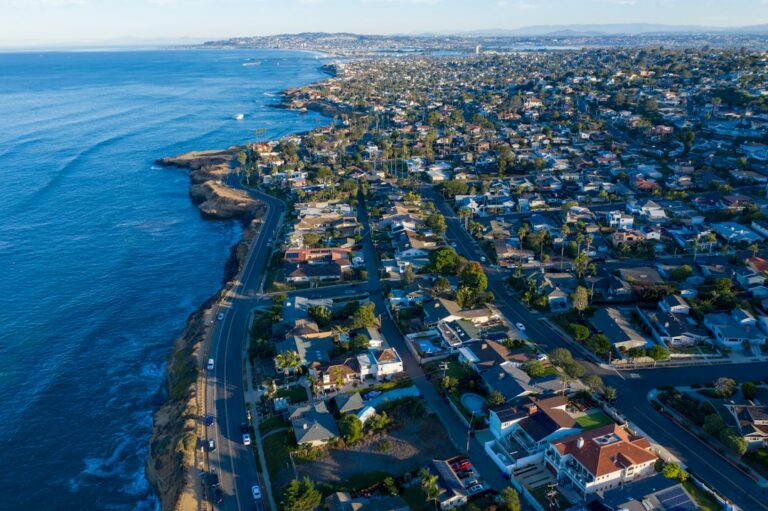
San Diego County Supplemental Tax Bills: Why the Due Date Isn’t What You Expect
San Diego County supplemental tax bills follow their own delinquency calendar under R&T Code 75.52, not the usual property tax due dates you expect.
Read the guide →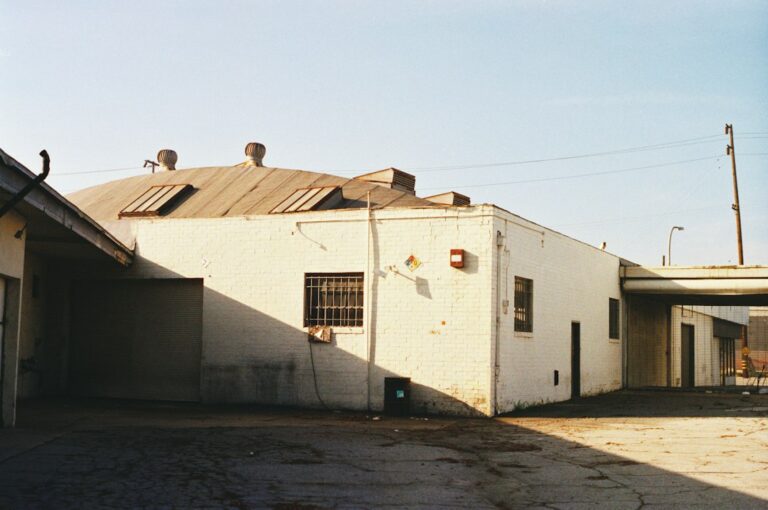 Rentals & tenants
The July 31 Registration Deadline Culver City Landlords Can’t Miss Before Selling a Rental
Culver City requires annual rental registration by July 31, with penalties that follow into escrow. What the ordinance requires before you sell a rental.
Read the guide →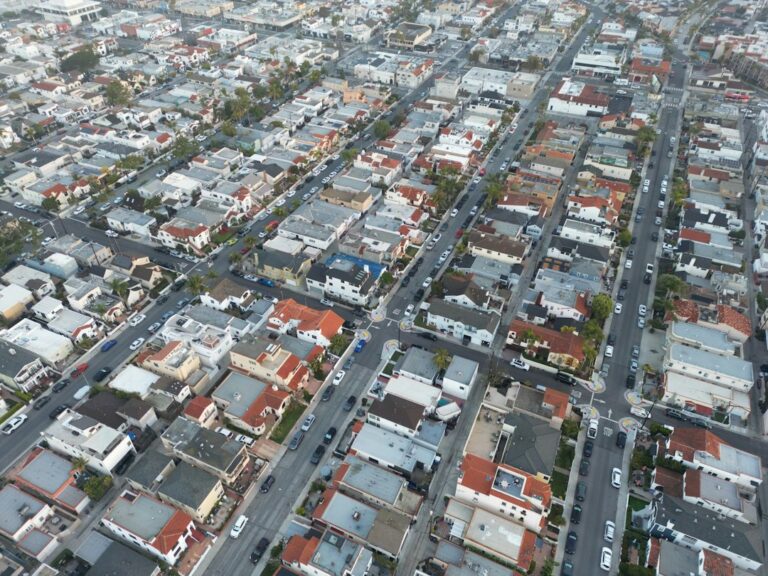 Selling for cash
The Transfer Tax Every Los Angeles Seller Pays, With or Without Measure ULA
Los Angeles charges its own $4.50-per-$1,000 tax on top of the county rate, before Measure ULA applies. See the exact combined math at closing.
Read the guide →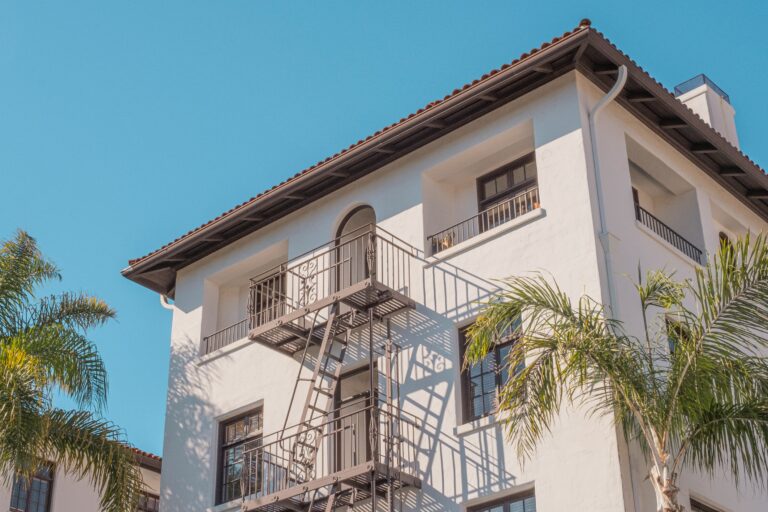 Rentals & tenants
How Much Must Long Beach Landlords Pay Tenants Under the Relocation Ordinance?
Long Beach landlords: see the LBMC 8.99 relocation payments, notice periods, and city filing step required before a no-fault tenant termination.
Read the guide →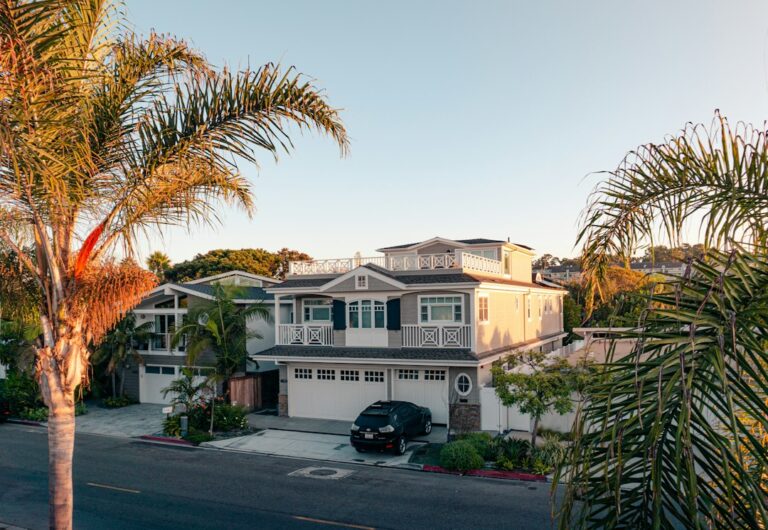 Selling for cash
What Inglewood’s Housing Protection Ordinance Requires Before You Sell a Rental
Inglewood's Housing Protection Ordinance covers more rentals than expected, with rent caps, just-cause rules, and relocation tiers that transfer at sale.
Read the guide →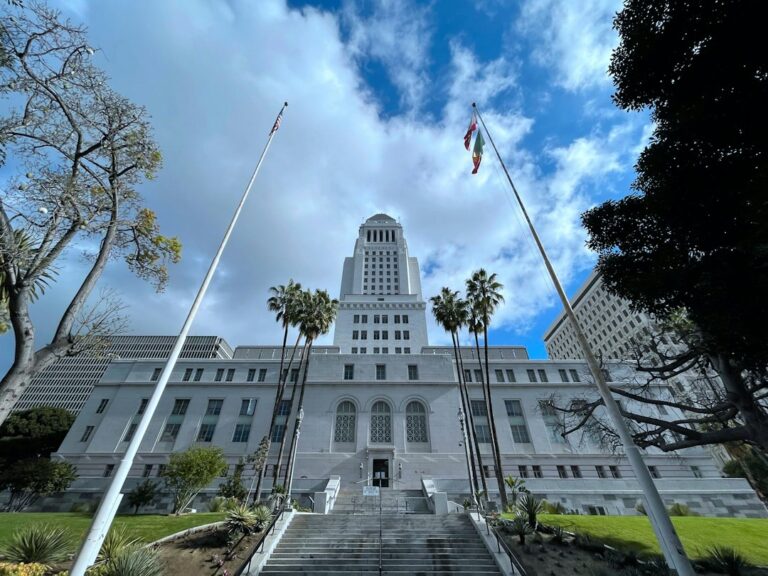 Selling for cash
The Five-Year Countdown Before Los Angeles County Auctions a Tax-Defaulted Home
LA County auctions tax-defaulted homes after five years unpaid. See the redemption deadline, installment options, and how to claim excess proceeds.
Read the guide →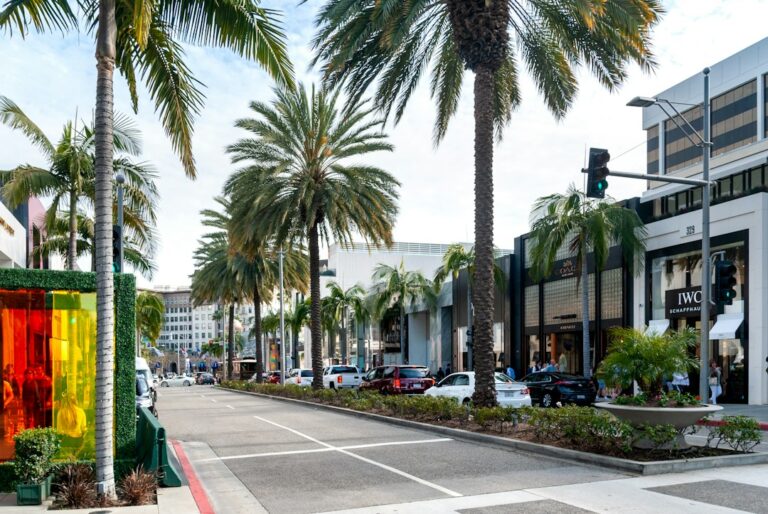 Selling for cash
What Beverly Hills’ Rent Stabilization Ordinance Requires Before You Sell
Beverly Hills runs its own BHMC Chapter 5 and 6 rent rules: caps, BHRent registration, just-cause grounds and relocation fees sellers must clear first.
Read the guide →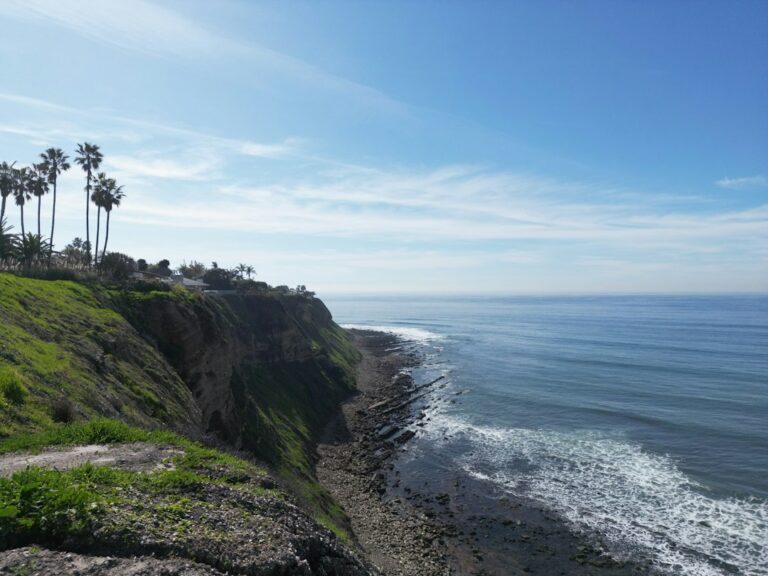 Selling as-is
What Rancho Palos Verdes’ Landslide Zones Mean for a Natural Hazard Disclosure
Rancho Palos Verdes sellers must check a landslide-zone box on the state Natural Hazard Disclosure Statement, separate from the earthquake fault question.
Read the guide → Relocating
What Torrance’s Planned-City History Means for a Relocation Sale
Torrance was built in distinct eras, and that history still shapes comps and timelines. See what it means for selling fast on a relocation deadline.
Read the guide →