
We Buy Houses in Koreatown, CA
- Foreclosure, inherited, tenants, damage — we buy it
- Zero fees, zero commissions, zero repairs
- No obligation — turn the offer down and owe us nothing


Fast, Fair, and Reliable Offers
Sell your house fast with our cash home buying service. No fees, no hassles, just a straightforward sale. Get your offer now.
Selling in Koreatown? Here is the quick answer
We can buy your Koreatown property as-is, with no repairs, staging or repeated showings. After reviewing the property, we can typically provide a written cash offer within 24 to 48 hours. On a direct purchase from us, there is no agent commission charged by us, and the closing date can be structured around your timeline. Requesting an offer does not obligate you to sell.
Best fit: inherited homes, tenant-occupied rentals, vacant properties, homes needing major repairs, code issues, foreclosure timelines, or sellers who value certainty and speed. A traditional listing may still produce a higher price for a retail-ready home, so compare net proceeds, repairs, timing and transaction risk before choosing.
How to compare your options: estimate what you would realistically net after preparation, repairs, possible seller credits, agent compensation, carrying costs and the time required for a financed buyer to close. Then compare that number with a direct cash offer that does not depend on appraisal or loan approval.
What affects a Koreatown cash offer: current condition, needed repairs, occupancy, title issues, access, location, recent comparable sales and the closing timeline you need. We review the property in its current condition rather than assuming you will renovate first.
Want a number first? Call or text (424) 435-2326 or use the cash-offer form above.
Koreatown is one of the densest neighborhoods in the country, and a 2008 estimate put it at more than 46,000 residents per square mile with roughly 93 percent of households renting rather than owning.
That mix of dingbat apartments, mid-century courtyard buildings and pre-1978 walk-ups means most Koreatown property sales are really rent-roll sales, decided by the Rent Stabilization Ordinance status of the building and the condition of units a landlord has not touched in years, more than by curb appeal.
Cash Home Buyers CA is based in Woodland Hills, about 25 minutes east on the 101, and Koreatown rental property is a core part of what we buy. We send a written cash offer within 24 to 48 hours, purchase buildings and houses in their current condition with no repairs, commissions or showings, and close on the date you choose.
The Koreatown market: fewer sales, longer to close
Redfin’s data for the three months ending July 2026 puts the median sale price for the Wilshire Center-Koreatown area at $709,758, down 15 percent from a year earlier, on 37 homes sold, up nearly 50 percent in volume from the prior year, with a median of 81 days on market.
That combination, more sales but a lower median and a slower close, points to a market where financed buyers are stretching for smaller condos and lower-priced units while larger apartment buildings sit longer waiting for an investor who understands the rent roll.
For an owner, that means a small, vacant condo near the Wilshire/Vermont or Wilshire/Western Metro stations can still move to a first-time buyer, but a pre-1978 fourplex or a courtyard building with long-term RSO tenants is a much narrower buyer pool, almost always cash or a seasoned investor with financing lined up in advance.
Rules that shape a Koreatown sale
- Transfer tax: Los Angeles City’s $4.50 per $1,000 plus the county’s $1.10 per $1,000 comes to $5.60 combined. On a $710,000 sale that is roughly $3,975, customarily paid by the seller.
- 9A report and retrofits: The city’s Report of Residential Property Records must be delivered before close, along with certifications for a seismic gas shutoff valve, water-conserving fixtures and smoke and carbon monoxide detectors.
- Rent Stabilization Ordinance: With roughly 93 percent of Koreatown households renting, most apartment buildings built on or before October 1, 1978 fall under the RSO, capping rent increases and requiring just cause and often relocation payments for a no-fault eviction.
- Density and parking: Many buildings predate current parking and density standards, which can complicate a lender’s appraisal on a multi-unit property; it does not affect a cash purchase.
- No fire or coastal zone: Koreatown is flat urban land with no Very High Fire Hazard Severity Zone and no coastal exposure; Mello-Roos is not a factor.
The buildings and blocks we buy in Koreatown
Koreatown’s core runs along Wilshire, Olympic, Vermont and Western, roughly between 3rd Street and Olympic Boulevard, bordered by East Hollywood, Westlake, Pico-Union, Harvard Heights and Arlington Heights.
The neighborhood’s housing stock is dominated by Art Deco apartment buildings from the 1920s and 1930s with terra cotta facades, 1950s to 1970s dingbat and courtyard apartments, and a growing number of newer condo and apartment towers near the Wilshire Boulevard subway stations.
Single-family houses are a small share of the stock outside the residential pockets on the neighborhood’s edges.
We buy apartment buildings up to about a dozen units, older condos, and the occasional house, with a focus on properties carrying below-market RSO rents, deferred maintenance from decades of light landlord investment, and buildings that would need real capital to pass a lender’s inspection.
Why Koreatown owners call us
- RSO landlords. The most common Koreatown call. We buy tenant-occupied buildings in Koreatown with leases and rent rolls intact, no vacancy wait and no relocation payments.
- Inherited buildings. A family-owned Koreatown fourplex that has been rented since the 1990s can be sold as an inherited property in Koreatown straight out of the trust or probate.
- Foreclosure. If a notice of default has been recorded, we can often close before the trustee’s sale on a Koreatown property in foreclosure.
- Deferred maintenance. Buildings with original 1930s wiring, plumbing or a roof past its life will not pass a lender’s inspection; selling as-is in Koreatown avoids the repair fight entirely.
We also handle divorce sales in Koreatown, relocations out of the neighborhood, and owners who need to sell a Koreatown property fast.
Escrow, title and timing on a Koreatown sale
After we agree on price, we open escrow, order a preliminary title report, and request the city’s 9A report immediately, since it is usually the pacing item on a Los Angeles closing.
On rental buildings we collect rent rolls, leases and RSO registration status during escrow rather than asking you to gather them. Estates needing probate go to the Superior Court for Los Angeles County downtown; trust sales skip that step.
Recording happens at the Los Angeles County Registrar-Recorder/County Clerk in Norwalk, and funds are wired the day recording confirms. A house or condo with clear title typically closes in two to three weeks; occupied apartment buildings and estates usually run three to six weeks, on the date that works for you.
Listing an apartment building in Koreatown versus selling to us
A small, vacant, updated condo near a subway station will usually attract a first-time buyer through a listing and net more than our offer, and we tell you that up front.
Our offer competes on the properties that make up most of Koreatown’s inventory: occupied RSO buildings, older condos in buildings a lender will not approve, and estates that need real capital to bring current.
Once you subtract broker commission, transfer tax, 9A and retrofit costs, months of marketing to a narrow investor pool, and financing risk from a listing price on one of those, our number is usually close, with a firm closing date attached.
We buy houses in Koreatown: the August 2026 numbers
Redfin’s August 2026 update for the Wilshire Center-Koreatown neighborhood shows a median sale price of about $740,000 for the three months ending in August, down about 8% from a year earlier, on 32 sales.
The median time on market was 77 days, compared with 83 a year before, roughly 32% of listings took a price cut, and homes sold for about 97.6% of list price on average.
Compared with the July figures above, the median has moved up while the pace is still slow, which fits a market where smaller condos keep trading and older, occupied buildings wait longer for the right buyer.
How a cash sale compares on a Koreatown property
We buy houses in Koreatown directly, or we can bring in a vetted cash buyer from our network; either way you get one written offer with proof of funds, one escrow, and no fees or commissions to you. Call or text 424-435-2326 to start.
Koreatown seller questions
Do you buy houses in Koreatown that are in foreclosure?
Yes. If a Notice of Default or Notice of Trustee's Sale has been recorded, a sale that records before the auction pays off the loan through escrow and ends the foreclosure. Reinstatement is generally available until five business days before the sale, so call early to compare both paths.
Do cash home buyers in Koreatown charge fees?
We charge no fees or commissions. Customary seller items such as the $5.60 per $1,000 combined city and county transfer tax, any loan payoff and prorated taxes are shown in the written offer before you sign.
Will you buy my Koreatown condo in an older building with HOA issues?
Yes. Condos in buildings with low reserves, pending special assessments or deferred maintenance are hard for financed buyers, and a cash purchase does not need a lender to approve the association.
Can I sell my Koreatown fourplex without evicting the tenants?
Yes, and it is usually the better route given how much of Koreatown's stock is RSO housing. We buy with tenants in place, the registered rents are honored, and the buyer registers as the new owner with the city after closing.
Will an investor buyer even look at my building without a lender?
We do not need financing at all. We evaluate the rent roll, deferred maintenance and unit mix directly and make a cash offer without an appraisal contingency.
Who pays the 9A report and transfer taxes in Koreatown?
The seller delivers the 9A report before close and customarily pays both the city and county transfer tax. On our purchases we order and cover the 9A report ourselves.
My building has an unpermitted converted garage unit. Can you still buy it?
Yes. We price the legal units plus a practical value for the extra space and handle the permit question after closing rather than requiring it be resolved first.
How fast can you close on a Koreatown property?
Two to three weeks for a house or condo with clear title; three to six weeks for occupied apartment buildings or estates. You pick the date.
If you own a house, condo or apartment building in Koreatown, call or text 424-435-2326 for a written cash offer within 24 to 48 hours, no obligation attached. See the full sequence on our how it works page.
Seller Guides
Helpful guides for homeowners in Koreatown
Plain-English answers to the questions sellers ask us most.
 Selling for cash
San Diego County Supplemental Tax Bills: Why the Due Date Isn’t What You Expect
San Diego County supplemental tax bills follow their own delinquency calendar under R&T Code 75.52, not the usual property tax due dates you expect.
Read the guide → Rentals & tenants
The July 31 Registration Deadline Culver City Landlords Can’t Miss Before Selling a Rental
Culver City requires annual rental registration by July 31, with penalties that follow into escrow. What the ordinance requires before you sell a rental.
Read the guide → Selling for cash
The Transfer Tax Every Los Angeles Seller Pays, With or Without Measure ULA
Los Angeles charges its own $4.50-per-$1,000 tax on top of the county rate, before Measure ULA applies. See the exact combined math at closing.
Read the guide → Rentals & tenants
How Much Must Long Beach Landlords Pay Tenants Under the Relocation Ordinance?
Long Beach landlords: see the LBMC 8.99 relocation payments, notice periods, and city filing step required before a no-fault tenant termination.
Read the guide →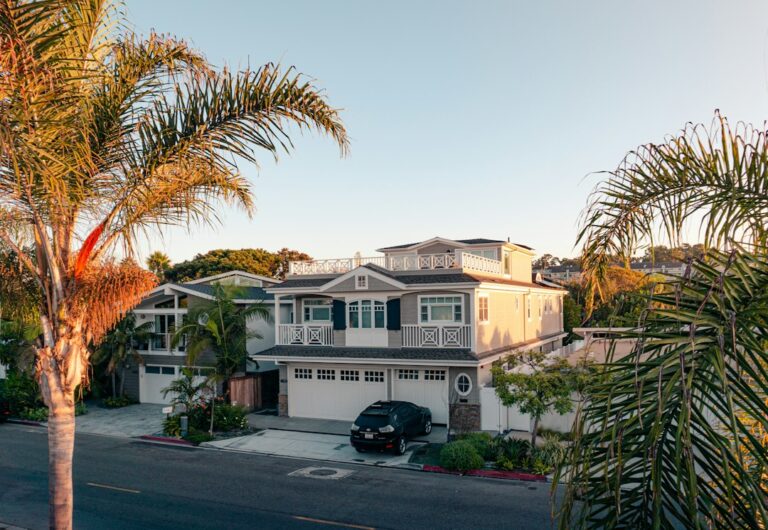 Selling for cash
What Inglewood’s Housing Protection Ordinance Requires Before You Sell a Rental
Inglewood's Housing Protection Ordinance covers more rentals than expected, with rent caps, just-cause rules, and relocation tiers that transfer at sale.
Read the guide →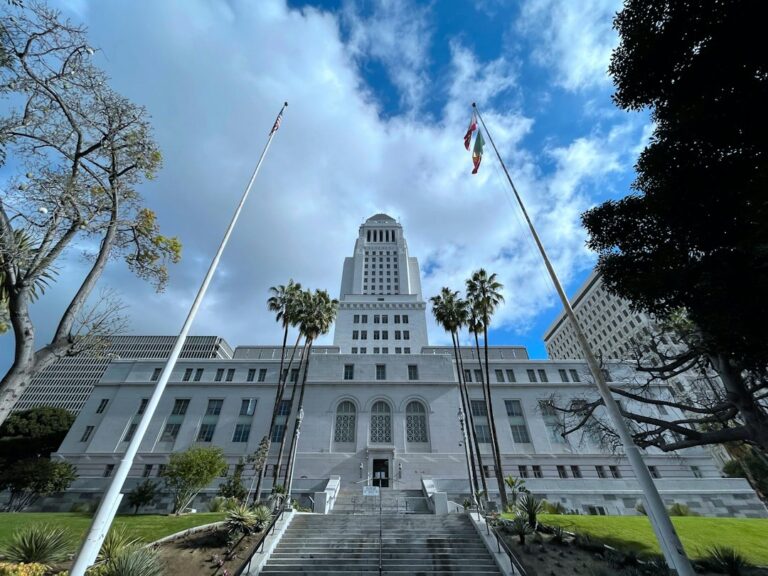 Selling for cash
The Five-Year Countdown Before Los Angeles County Auctions a Tax-Defaulted Home
LA County auctions tax-defaulted homes after five years unpaid. See the redemption deadline, installment options, and how to claim excess proceeds.
Read the guide →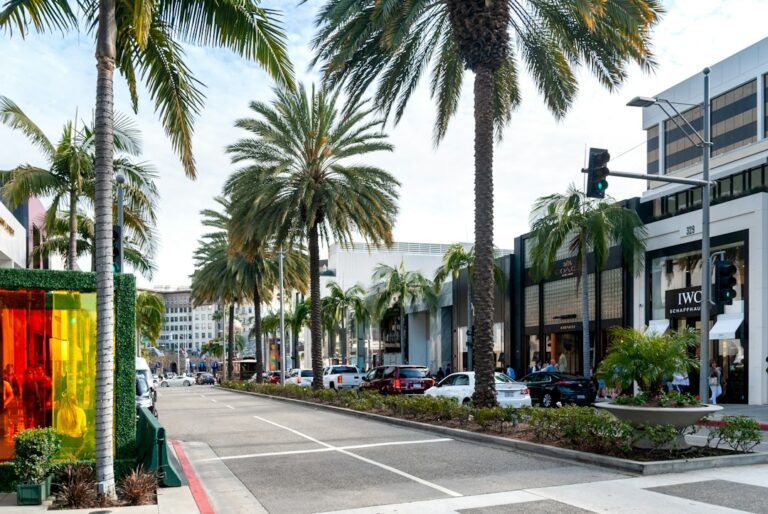 Selling for cash
What Beverly Hills’ Rent Stabilization Ordinance Requires Before You Sell
Beverly Hills runs its own BHMC Chapter 5 and 6 rent rules: caps, BHRent registration, just-cause grounds and relocation fees sellers must clear first.
Read the guide →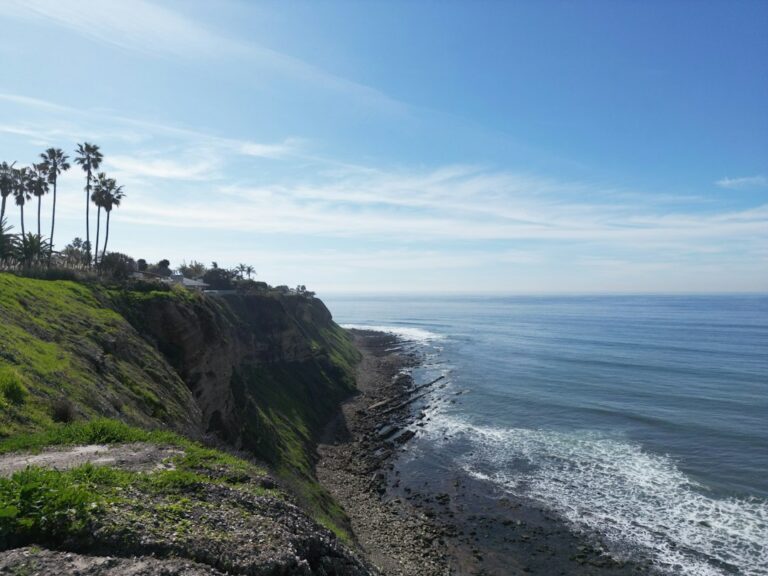 Selling as-is
What Rancho Palos Verdes’ Landslide Zones Mean for a Natural Hazard Disclosure
Rancho Palos Verdes sellers must check a landslide-zone box on the state Natural Hazard Disclosure Statement, separate from the earthquake fault question.
Read the guide → Selling for cash
West Hollywood’s Rent Stabilization Ordinance: What a Seller With Tenants Must Clear First
West Hollywood's rent stabilization law sets strict just-cause rules and relocation fees before you can sell a tenant-occupied rental unit here.
Read the guide →