
Baldwin Park, CA: Cash Offer to Closing, Step by Step
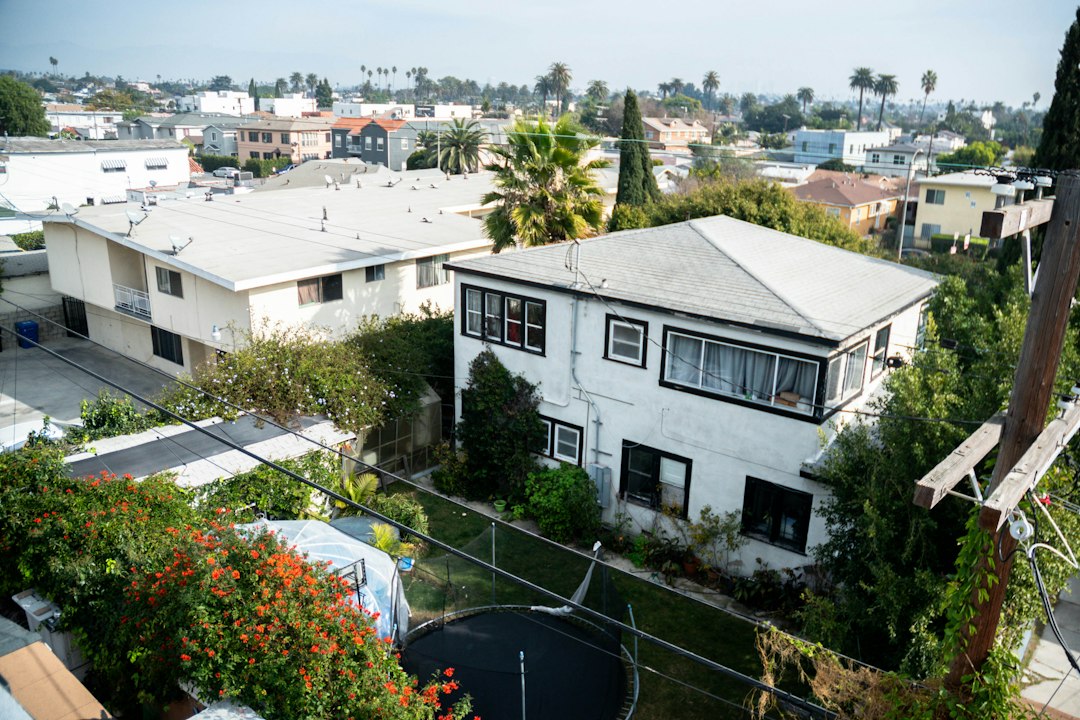
Between accepting a cash offer and actually getting paid in Baldwin Park, the work that takes time isn’t the offer itself — it’s the title search, the disclosures that still apply even in a cash deal, and an escrow process that moves faster only because a lender isn’t part of it. Baldwin Park was incorporated in 1956 and is best known regionally as the site of the first In-N-Out stand, opened in 1948; it’s also one of the more diverse cities in the San Gabriel Valley, with a 2023 Census Bureau estimate putting the foreign-born share of residents at nearly 44%. None of that changes California’s disclosure law, but it does shape the kind of housing stock — older, closely spaced, multigenerational in many cases — that cash buyers in this city typically evaluate. If you want the overview, our Baldwin Park cash-offer page has it; this piece walks through what actually happens at each stage.
Why Sellers in Baldwin Park Consider a Cash Offer at All
The reasons tend to cluster: inherited houses where several family members need a clean, dated exit rather than an open-ended listing; older homes that would need real money in repairs before a lender’s appraiser would sign off on a conventional buyer’s loan; landlords with a tenant in place who don’t want to manage a vacancy before selling; and people relocating for work on a timeline a traditional 45-to-60-day escrow doesn’t comfortably accommodate. A cash offer skips the financing contingency entirely, which is the single biggest source of delay and fall-through in a conventional sale — but it does not skip the legal requirements that exist independent of financing.
Step One: A Walkthrough, Not an Open House
A cash buyer evaluates the property once, in person, rather than running weeks of showings. That walkthrough is looking at the same structural, electrical, plumbing, and permit-history questions a traditional appraiser or inspector would eventually raise — it’s just compressed into a single visit instead of spread across a listing period. For older housing stock, unpermitted additions are a common finding in this process, and they matter for a cash sale the same way they’d matter for any sale: an unpermitted room addition or converted garage doesn’t disqualify a property, but it does affect what a buyer is willing to pay and what has to be disclosed.
How the Offer Number Gets Set — and What We Won’t Promise You
We’re not going to walk through a sample calculation here, because every property’s number depends on condition, comparable sales, carrying costs, and repair estimates specific to that house, and a generic formula would be more misleading than useful. What we will say plainly: a cash offer reflects a discount from likely retail market value, because the buyer is taking on the work, risk, and carrying costs a retail buyer with a lender and an inspection period would otherwise absorb. The real question for a seller isn’t whether the cash number is lower than a hypothetical top-dollar listing price — it almost always is — it’s whether the net proceeds after repairs, holding costs, agent commissions, and the uncertainty of financing fall-through on a traditional sale actually come out ahead for your specific property and timeline. Sometimes they do. We’ll tell you when we think they would.
Property Tax Reassessment Matters More in a Multigenerational City
Baldwin Park’s high share of multigenerational households and family-held property means Proposition 19’s 2021 changes come up more often here than in cities with more turnover. Before February 16, 2021, a parent could transfer a home to a child, plus up to $1 million of other property, without triggering reassessment to current market value. Since Prop 19 took effect, the exclusion only applies to a primary residence, only if the child also uses it as their primary residence, and only up to the current assessed value plus $1 million — anything above that gets partially reassessed, and any other property (a rental, a second home) transferred between parent and child loses the exclusion entirely. This matters directly for a cash sale decision: if a family is selling a long-held inherited property rather than keeping it in the family, the sale itself triggers a full reassessment to market value for the new owner regardless of Prop 19, but understanding whether keeping the home in the family was ever actually tax-advantaged under the new rules sometimes changes whether a family decides to sell at all.
Verifying a Cash Buyer Is Legitimate Before You Sign
Not every “we buy houses” offer is backed by actual funds, and Baldwin Park’s older, often lower-priced housing stock attracts wholesalers who sign a contract with no intention or ability to close, then try to resell (“assign”) the contract to a real buyer before closing — sometimes for thousands of dollars of markup with no new value added, and sometimes failing to find a buyer at all, leaving the seller back at square one weeks later. A legitimate cash buyer should provide proof of funds — a bank statement or verified letter from the institution holding the funds — before you take the property off the market or sign anything exclusive, and should be willing to put down a meaningful, non-refundable earnest money deposit once you’re in contract. If a buyer resists showing proof of funds, asks you to sign before any inspection or title work has started, or includes an assignment clause that lets them substitute a different buyer at closing without your separate approval, treat those as warning signs worth slowing down for, not details to skip past because the number looked good.
Title and Lien Search: Where Deals Actually Slow Down
This is the step that most often adds real time to a cash sale, and it has nothing to do with the buyer. A title company runs a search for liens, judgments, unpaid property taxes, and ownership gaps — and older homes that have passed through multiple owners or family transfers over decades are more likely to surface something that needs clearing before closing, whether that’s an old mechanic’s lien, a mismatched legal description from a decades-old deed, or a co-owner who needs to sign off. If the title isn’t clean, a quitclaim deed is sometimes used to clear a cloud on title, but it’s a limited tool — it transfers whatever interest the signer has without any warranty that the interest is valid or that other claims don’t exist. We’ve explained exactly what a quitclaim deed does and doesn’t accomplish in this breakdown of quitclaim deeds in California, since relying on one to fix a real title defect is a common and costly mistake.
The Disclosures a Cash Sale Does Not Eliminate
California’s Transfer Disclosure Statement requirement under Civil Code §1102 et seq. applies regardless of how the buyer is paying. The California Supreme Court-adjacent case law interpreting this (Loughrin v. Superior Court) is explicit that an “as-is” sale does not waive the disclosure statement, and the same logic applies to a cash sale generally — the method of payment has nothing to do with the duty to disclose known material facts about the property’s condition. We cover the specifics, including what counts as a known material fact versus a waivable condition term, in our guide to disclosure requirements when selling as-is in California.
When the House Is an Inherited Property With Multiple Heirs
Baldwin Park’s high share of multigenerational households means a meaningful number of cash-sale inquiries here involve a property left to several siblings or extended family members rather than a single owner-occupant deciding to sell. Every heir with a legal interest in the property generally needs to sign off on a sale, and if the estate didn’t have a trust or clear title transfer set up in advance, that can mean a probate process has to run before anyone has legal authority to sign a purchase agreement at all. We’ve covered the broader probate questions specific to Los Angeles County inherited properties in our guide to selling an inherited house in Los Angeles, which applies the same way to Baldwin Park as a city within the county. A cash buyer experienced with multi-heir and probate sales can often work around a longer court timeline better than a conventional buyer with a mortgage pre-approval expiring on a fixed clock, but the legal authority to sign still has to exist before closing — a cash offer doesn’t shortcut that requirement, regardless of what a buyer might imply.
If the Property Is a Rental: 1031 Exchange Timing Matters
For landlords selling an investment property rather than a primary residence, a fast closing can cut both ways. Under Internal Revenue Code §1031, an investor can defer capital gains tax by reinvesting sale proceeds into a similar investment property, but the rule requires identifying a replacement property within 45 days of closing and completing the purchase within 180 days — deadlines that start running the moment your sale closes, cash or otherwise. A faster closing gives you more runway inside that 180-day window, which can actually make a quick cash sale more attractive to an investor planning an exchange than to an owner-occupant with no such deadline. We’ve laid out the mechanics in more detail in our guide to 1031 exchanges on California rental property, including the points where investors most commonly miss a deadline.
Escrow Without a Lender in the Loop
Who pays which closing costs is a matter of local custom rather than law in most of Los Angeles County, and in this part of the San Gabriel Valley it’s customary, though negotiable, for the seller to pay the county documentary transfer tax and the title insurance premium, while the buyer typically covers escrow fees and any lender-specific costs — a split that becomes simpler, not more complicated, in a cash sale since there’s no lender fee schedule to account for at all.
Escrow still handles the same core functions — holding funds, clearing title, recording the deed, prorating property taxes — but without a lender’s underwriting file, appraisal contingency, and loan-funding conditions in the process, there are simply fewer parties who can delay closing. The seller still pays the county’s documentary transfer tax (Los Angeles County’s rate is $1.10 per $1,000 of sale price) and any prorated property taxes due at closing, and still receives the standard closing disclosures, just on a condensed calendar.
California’s secured property tax runs on two installments — the first due November 1 and delinquent after December 10, the second due February 1 and delinquent after April 10 — and escrow prorates whatever’s owed based on the actual closing date, crediting or charging each side its share of the current tax year. A seller who’s fallen behind on either installment will see the delinquent amount, plus any penalty, deducted from proceeds at closing rather than carried forward, which occasionally surprises sellers who assumed a missed property tax bill was a problem for later rather than something that gets resolved the moment the sale funds.
Closing Timeline: Realistic Days, Not Marketing Numbers
“Close in seven days” is achievable when title comes back clean and there’s no probate, trust, or multi-heir signature issue to coordinate. It is not realistic when a title search turns up an issue that needs clearing, when a seller needs to coordinate signatures from out-of-state family members, or when the county recorder’s office is running behind on processing. A more honest range for most Baldwin Park properties without complications is 10 to 21 days from signed agreement to funded closing, with title issues or multiple sellers adding time on top of that.
What “No Inspection Contingency” Actually Means
Sellers sometimes hear “we buy as-is, no inspection” and assume no one is going to look at the house closely at all. In practice, a legitimate cash buyer still typically conducts their own walkthrough and often a professional inspection before finalizing the price — what’s actually being waived is your obligation to make repairs or negotiate credits based on what that inspection finds, not the inspection itself. That distinction matters because a buyer who skips due diligence entirely is either extremely confident in a lowball number that already assumes the worst, or isn’t a serious buyer at all. A buyer who inspects, prices accordingly, and then holds to that number through closing is the more reliable pattern to look for.
When Listing Traditionally Would Net You More
If the house is in move-in or near move-in condition, in a neighborhood with active buyer demand, and you can afford to wait 45 to 90 days for a traditional sale to close, listing with an agent will typically net more money even after commissions, because you’re reaching retail buyers willing to pay retail price. A cash sale makes more sense when the property needs work you can’t fund up front, when carrying an empty or tenant-occupied house for months is itself costing money, when heirs or co-owners need a fast, clean division of proceeds, or when the certainty of a scheduled closing date is worth more to you than the uncertain upside of a longer listing process.
This article is general information, not legal or financial advice, and your specific title, tax, and property condition circumstances will affect your actual timeline and numbers. If you’d like a no-obligation cash offer, Cash Home Buyers CA can provide one, and our Baldwin Park cash-offer page has more detail on how the process runs locally.