
Roseville Zoning and ADU Guide for Homeowners and Sellers
- Unpermitted ADU, garage conversion or zoning issue: we buy it as-is
- Zero fees, zero commissions, zero closing costs
- No obligation: turn the offer down and owe us nothing
ADU or Zoning Problem on Your Roseville House? Sell As-Is for Cash
An unpermitted unit or zoning question does not have to stop a sale. Tell us about the house and get a written cash offer.
Last updated November 13, 2026. Reviewed by the Cash Home Buyers CA team. Information comes from City of Roseville Planning Division and Building Division materials; sources are listed at the end.
Roseville’s ADU handout says density, lot size and lot coverage limits do not apply to accessory dwelling units, and that no parking is required when a garage is converted. If you are selling a Roseville house with a granny flat, converted garage or backyard unit, these rules decide whether the unit counts as legal. This guide summarizes the city’s published standards and what they mean for a sale.
Roseville ADU rules at a glance
| Planning Division | 311 Vernon Street, Roseville, CA 95678; (916) 774-5276 |
| Building Division | (916) 774-5332 |
| Size | Minimum 150 sq ft; up to 850 sq ft for a studio or one bedroom; up to 1,000 sq ft for two or more bedrooms |
| Setbacks (new) | 4 feet on side and rear for new buildings or new portions of buildings |
| Setbacks (conversion) | None required within an existing footprint |
| JADU size | 150 to 500 sq ft, inside the single-family home |
| Rental rule | Rental term must exceed 30 days; no short-term rentals |
| Sales | An ADU may not be sold separately from the main house |
What counts as an ADU in Roseville?
The city treats ADUs in two groups. Existing structures covers converting existing living area or an accessory structure such as a garage, and also demolishing and rebuilding in the same footprint and dimensions. New structures covers new buildings and additions to existing ones. A junior ADU (JADU) must be contained entirely within a single-family home and have its own exterior entrance.
Every ADU must include complete independent living facilities: permanent provisions for living, sleeping, eating, cooking and sanitation, plus a separate exterior access from the main home. The design must be compatible with the main house and neighborhood in height, form and materials, and the ADU must be subordinate to the main dwelling.
Where are ADUs allowed?
ADUs are allowed in the CMU, R1, RS, R2, R3 and RMU zones where there is an existing primary residence. In commercial zones such as NC, CC, GC, HC and CBD, an ADU is allowed with an existing residence under an approved conditional use permit; without one, it needs an administrative permit. A JADU is allowed in any zone that permits single-family or multifamily use.
How many ADUs can one lot have?
- Single-family lot: one ADU or JADU per lot, with an exception that lets both exist when the ADU is a detached new-construction unit with 4-foot side and rear setbacks.
- Multifamily lot, including a duplex: up to two detached ADUs, each with a 16-foot height maximum and 4-foot minimum side and rear setbacks.
- Inside a multifamily building: one ADU, or up to 25% of the existing units.
This tracks California’s ADU statute, which the state housing agency reviews against city ordinances under Government Code sections 66310 to 66342. One provision, Government Code 66323, permits a detached new-construction ADU with no more than four-foot side and rear setbacks.
Parking, utilities and fire sprinklers
Parking. None is required for conversions, additions or JADUs. For new detached structures, parking is waived within a 1.5-mile walking distance of public transit, in Historic Old Town, and in permit-parking areas where permits are not offered to the ADU occupant.
Where none of those apply, one space per unit or per bedroom (whichever is less) is required and may sit in a setback or in tandem. Replacement parking is not required when a garage is demolished or converted for an ADU.
Utilities. Shared connections are allowed when capacity exists or is proposed at the applicant’s expense. Separate connections are allowed but not required, and a JADU is not treated as a separate unit for utilities.
Fire sprinklers. They are not required in an ADU if they were not required for the primary dwelling.
Rules that affect owners and sellers
- No separate sale. An ADU or JADU cannot be sold independently of the main dwelling.
- Rental terms. A rental term must exceed 30 calendar days, and short-term rental permits will not be issued for ADUs.
- Owner occupancy for a JADU. The owner must live in either the remaining part of the single-family home or the JADU.
- Fees. The city publishes an ADU fee policy; ask the Building Division what applies to your project.
Pre-approved ADU plans
The city lists pre-approved ADU plans under California’s AB 1332. These can shorten plan review, but the city notes that site-specific items such as fire protection and the photovoltaic layout still belong in the individual building permit package, and that detached ADU permits must also meet the Zoning Ordinance.
How to legalize an unpermitted ADU in Roseville
- Confirm what exists. Measure the unit, note whether it has a kitchen, bathroom and separate entrance, and check the Building Division’s records for any permit.
- Check it against the standards above. Size, setbacks, height and independent facilities are the usual sticking points.
- Apply through the city’s online permit process. See our Roseville building permits guide for how applications, fees and inspections work. The city also has a policy for work done before a permit was issued.
- Plan for opening up work. Inspectors may need to see framing, electrical and plumbing that is now covered.
- Weigh the cost. Compare the cost and time of legalizing with selling as-is.
How an unpermitted unit affects selling a Roseville house
A buyer’s appraiser may not count an unpermitted unit in the square footage, and a lender may question it. California sellers generally must disclose known unpermitted work. See our guide to selling as-is with unpermitted work. If the city has already opened a case, read our Roseville code enforcement guide.
We buy Roseville houses as they are. Read how selling a house as-is in Roseville works, or see our Roseville cash-offer process.
Not sure whether your unit is legal? Call (424) 435-2326 or request a cash offer. There is no cost and no obligation.
Roseville zoning and ADU FAQ
How big can a Roseville ADU be?
At least 150 square feet. Studios and one-bedroom units can be up to 850 square feet, and units with two or more bedrooms up to 1,000 square feet. A JADU can be 150 to 500 square feet.
Does Roseville require parking for an ADU?
Not for conversions, additions or JADUs. New detached units are exempt near transit and in certain areas; otherwise one space per unit or bedroom, whichever is less.
Can I rent my ADU on a short-term basis?
No. Rentals must exceed 30 calendar days, and the city will not issue short-term rental permits for ADUs.
Can I sell a Roseville house with an unpermitted ADU?
Yes. An unpermitted unit does not legally stop a sale, but it can slow a traditional one. A cash buyer can purchase the house as-is.
Sources
- City of Roseville: ADU Requirements Handout (PDF)
- City of Roseville: Preapproved ADU Plans (AB 1332)
- California HCD: Review of Roseville’s ADU Ordinance (PDF)
This guide is general information, not legal advice. ADU rules change often; confirm requirements with the City of Roseville Planning Division.
From the Blog
Latest guides for California home sellers
-
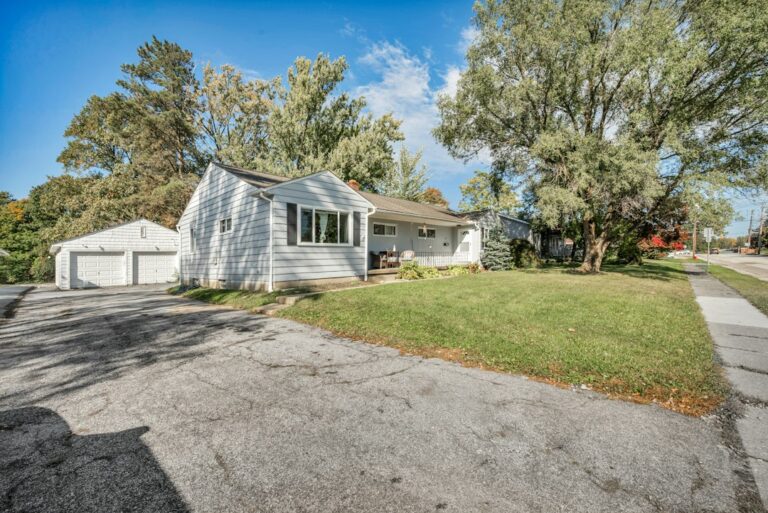
California’s Judicial Foreclosure Redemption Right: The One-Year Window Most Owners Never Hear About
California's rarer judicial foreclosure process comes with a statutory right to redeem the property for up to a year after the sale…
Read the guide → -
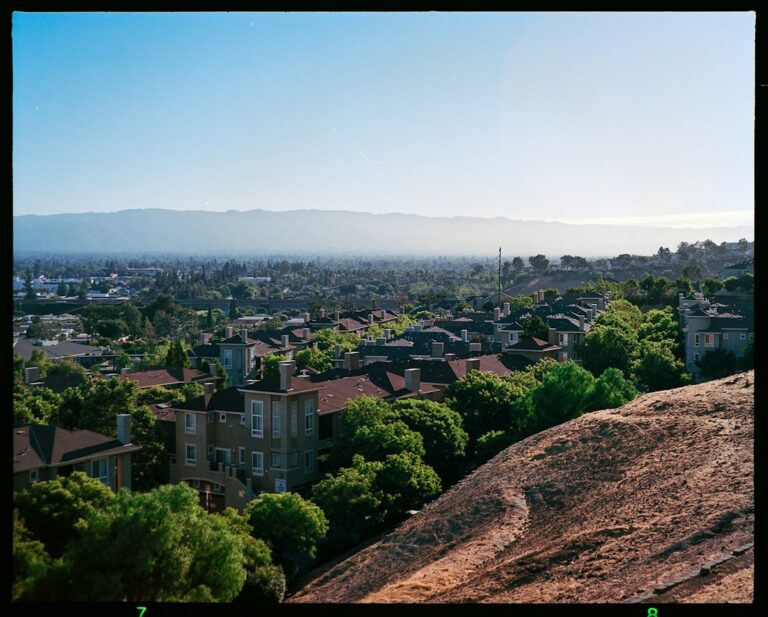
Santa Clara County’s Tax-Defaulted Property Auction: How to Claim the Excess Proceeds
When a Santa Clara County home isn't redeemed within the state's deadline, the county can sell it at public auction — and…
Read the guide → -
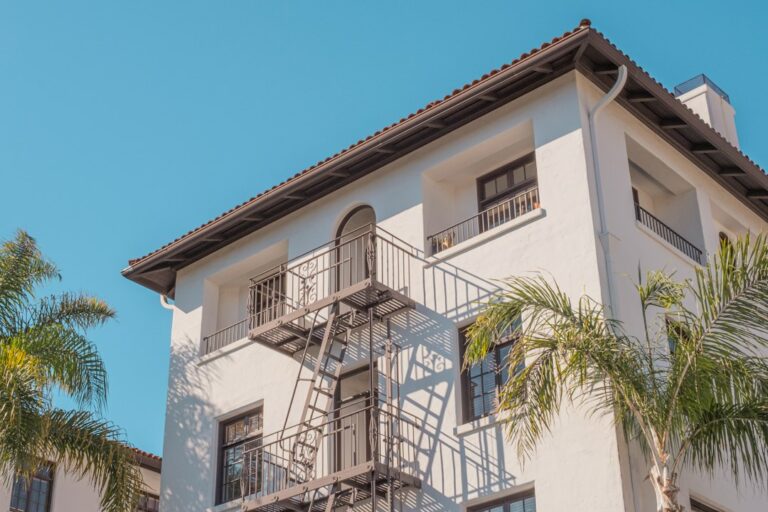
Pomona’s Rent Stabilization Ordinance Just Became Permanent: What Landlords Must Do Before Selling
Pomona's Ordinance No. 4359 became permanent on January 1, 2026, replacing the city's prior urgency ordinances and capping most rent increases at…
Read the guide → -
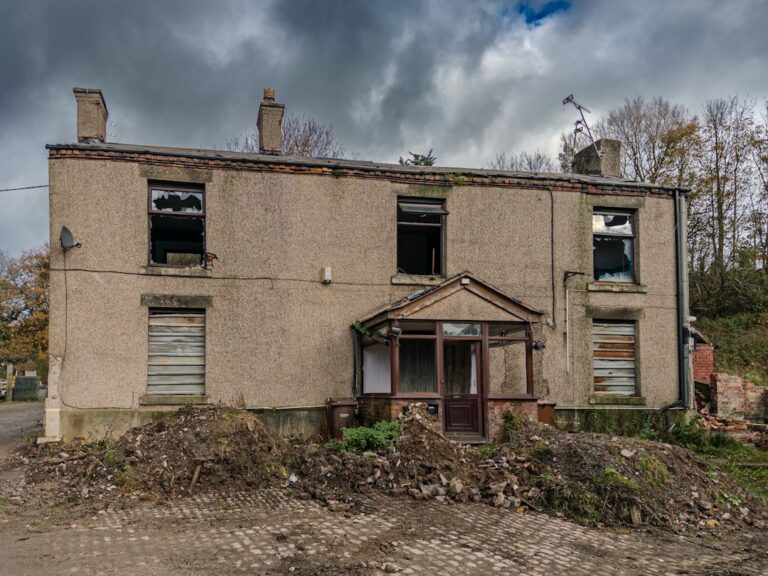
Compton’s Substandard Building Ordinance, Explained
Compton can order a dangerous or substandard house secured, repaired, or demolished under Municipal Code Chapter 14, and if the owner misses…
Read the guide → -
Chico’s RECO Inspection: What Sellers of Older Homes Must Fix Before Closing
Chico requires sellers of homes built before July 1, 1991 to pass a RECO energy and water retrofit inspection — or transfer…
Read the guide → -

Emeryville’s Just Cause Eviction Ordinance: Relocation Pay Under Municipal Code 5-40
Emeryville had its own just-cause eviction and relocation-assistance ordinance years before California’s statewide AB 1482 existed, and the local rule is still…
Read the guide → -

Malibu’s Six-Year Rebuild Deadline After the Palisades Fire: Municipal Code 17.60.020(C)
Malibu homeowners rebuilding after the January 2025 Palisades Fire have a hard deadline most residents outside the city have never heard of:…
Read the guide → -

California’s Security Deposit Cap: How AB 12 Limits What Landlords Can Collect
AB 12 caps most California security deposits at one month's rent, with a narrow exception for small landlords — plus new 2025…
Read the guide → -
California Civil Code §4525: The 11 HOA Documents You Must Hand a Buyer Before Closing
California Civil Code §4525 requires sellers inside an HOA to hand buyers 11 specific documents before closing — a list that just…
Read the guide →