
Cash Home Buyers in Santa Monica
- Foreclosure, inherited, tenants, damage — we buy it
- Zero fees, zero commissions, zero closing costs
- No obligation — turn the offer down and owe us nothing


Know Who You’re Actually Selling To
Cash buyers range from well-capitalized local investors to outright scams. Here’s how to tell the difference before you sign anything.
Search “cash home buyers in Santa Monica” and you’ll find a mix of local investors, national franchises, iBuyers, and wholesalers who never actually intend to close — and in a market where a single property can be worth well over a million dollars, the cost of dealing with the wrong one is higher than almost anywhere else in the state.
Here’s how to tell a legitimate buyer from one that isn’t before you sign anything.
Proof of Funds, Not Just a Promise
A real cash buyer can show you actual proof of funds — a recent bank statement or a letter from a lender confirming available capital — before you sign a purchase agreement. If a buyer can’t or won’t produce this, or keeps deflecting the request, treat that as a serious warning sign. Cash Home Buyers CA can provide verification of funds before you commit to anything.
Wholesalers vs. Actual Buyers
A wholesaler signs a purchase contract with you, then tries to resell — assign — that contract to a third-party investor for a fee, without ever intending to close themselves.
If the buyer can’t assign it to anyone, the deal falls apart, and you’re back where you started, only with weeks lost. Ask directly whether the company plans to close in its own name or is looking for an end buyer to assign the contract to.
In a market as high-value as Santa Monica, a failed wholesale assignment can cost you a listing season’s worth of time.
Who Actually Handles the Money
In a legitimate transaction, funds and the title search are handled by an independent, licensed Los Angeles County title and escrow company — never directly by the buyer. If someone asks you to sign documents outside of escrow, wire money directly to them, or skip a title company altogether, stop. This single structural safeguard is what actually protects you as the seller, regardless of who the buyer is.
Lowball Tactics Aimed at Distressed Sellers
Some outfits specifically target homeowners in foreclosure, probate, or divorce — situations where speed feels urgent — with offers well below what the property, and the underlying Santa Monica land, is actually worth.
Because Santa Monica lot values alone can carry significant weight in an offer, even a fixer-upper or a teardown candidate typically has more equity than a lowball number suggests.
Get more than one offer, and ask how the number was calculated: condition, comparable sales, repair costs, and lot value should all be part of that conversation.
Understanding Rent Control If You Own a Rental
If you’re selling an occupied rental, a legitimate buyer should be comfortable discussing Santa Monica’s rent control ordinance and how an existing tenancy transfers at closing, rather than pushing you to evict tenants first or ignoring the issue entirely. A buyer unfamiliar with, or dismissive of, local rent control rules is often not equipped to actually close on that type of property.
What a Legitimate Written Offer Looks Like
A real offer is a written purchase agreement with a specific price, a proposed closing date, and the name of the escrow company that will handle the transaction — not a verbal number over the phone with no paper trail.
It should also spell out who pays customary closing costs, including the standard Los Angeles County documentary transfer tax of $1.10 per $1,000 of sale price, along with any city-level transfer tax that applies in Santa Monica.
Questions to Ask Before You Sign
Before signing anything, ask how long the company has operated locally, request references from recent Santa Monica sellers, confirm which title company will handle escrow, and get the proposed closing date and price in writing. A buyer confident in their process will answer all of this without hesitation.
Frequently Asked Questions
How do I know a cash offer is real and not just a lowball?
Ask for proof of funds and how the number was calculated — condition, comparable sales, and repair costs should all factor in, and you should feel free to get more than one offer to compare.
What’s the difference between a direct buyer and a wholesaler?
A direct buyer intends to close in their own name using their own funds. A wholesaler signs a contract intending to resell it to a third party, which can fall through if they can’t find an end buyer.
Who actually holds the funds during closing?
A licensed, independent Los Angeles County title and escrow company handles all funds and the title search — never the buyer directly.
Will a legitimate buyer purchase a rent-controlled rental with tenants in place?
Yes. A buyer familiar with Santa Monica’s rent control ordinance can purchase an occupied unit and the tenancy simply continues under the new owner.
Get a free, no-obligation cash offer from Cash Home Buyers CA today.
Seller Guides
Helpful guides for homeowners in Santa Monica
Plain-English answers to the questions sellers ask us most.
 Rentals & tenants
Emeryville’s Just Cause Eviction Ordinance: Relocation Pay Under Municipal Code 5-40
Emeryville's Municipal Code 5-40 requires just cause from day one and relocation pay scaled by landlord size, stricter than statewide AB 1482.
Read the guide → Selling for cash
Malibu’s Six-Year Rebuild Deadline After the Palisades Fire: Municipal Code 17.60.020(C)
Malibu gives fire-rebuild applicants six years to file and eight to permit under Code 17.60.020(C), with capped extensions and FEMA rules.
Read the guide → Selling for cash
California’s Security Deposit Cap: How AB 12 Limits What Landlords Can Collect
AB 12 caps most California security deposits at one month of rent, with a narrow two-month exception for small landlords and new 2025 photo rules.
Read the guide → Selling as-is
California Civil Code §4525: The 11 HOA Documents You Must Hand a Buyer Before Closing
California Civil Code 4525 requires HOA sellers to hand buyers 11 documents before closing, including the new balcony inspection report requirement.
Read the guide →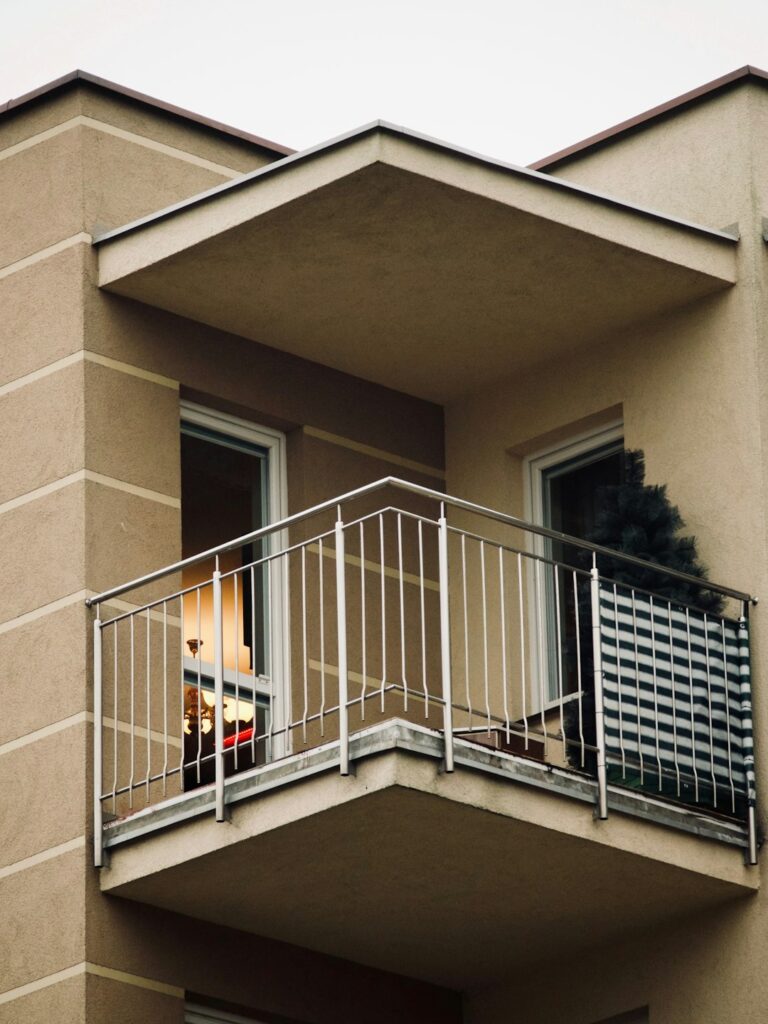 Selling for cash
California’s Balcony Inspection Law: What SB 721 and SB 326 Require Before You Sell
SB 721 and SB 326 require California balcony and deck inspections on rentals and condos, with deadlines already passed. What sellers should check.
Read the guide → Selling for cash
California’s AB 1482 Rent Cap: How the 5% Plus CPI Formula Actually Works
AB 1482's rent cap runs on a 5% plus regional CPI formula, capped at 10%, that resets every August 1. Here's how…
Read the guide → Selling for cash
How to Research Permit History on a Los Angeles Home With LADBS’s PRISM System
LADBS's PRISM system lets you check a home's LA permit history before listing. Here's how the lookup works, what statuses mean, and why lenders care.
Read the guide → Selling for cash
Santa Monica’s Measure GS Transfer Tax: What Every Seller Actually Pays
Santa Monica's transfer tax runs $3 to $56 per $1,000 depending on price. See the three tiers, worked examples, and what Measure GS really costs.
Read the guide →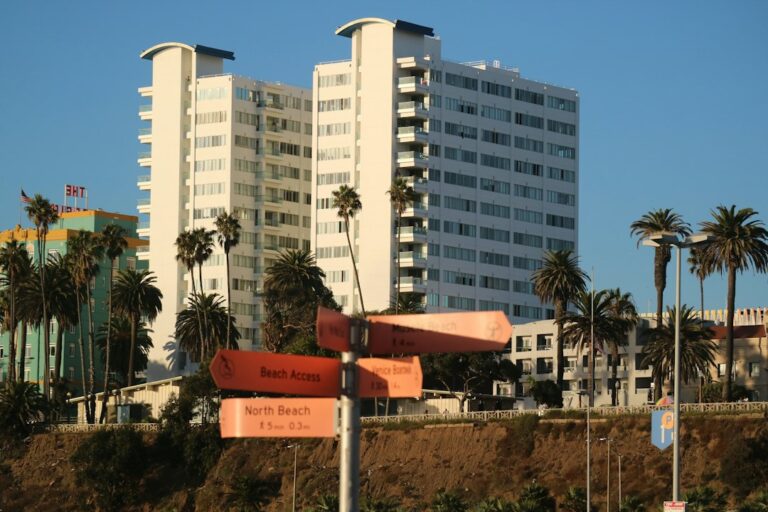 Rentals & tenants
Santa Monica Tenant Buyout Agreements: The Notice, the 30-Day Cancel and the Filing Window
Santa Monica tenant buyout agreement rules: the rights notice, the 30-day cancel, the day 31-60 filing window, minimum relocation fees and the penalties.
Read the guide →