
Selling a House During Divorce in Santa Monica
- Foreclosure, inherited, tenants, damage — we buy it
- Zero fees, zero commissions, zero closing costs
- No obligation — turn the offer down and owe us nothing


A Fair, Fast Way to Divide a Shared Property
Divorce already forces enough decisions. When a Santa Monica property is one of the largest assets in the marital estate, a clean, fast sale can resolve the real estate question so both parties can move forward.
Community Property Basics in California
California is a community property state, and under Family Code Section 760, most property acquired during the marriage — including a home purchased with income earned while married — is presumed to belong equally to both spouses, regardless of whose name is on title.
That default 50/50 split applies to the equity in a Santa Monica home just as it would anywhere else in the state, but the dollar amounts involved are often larger here, which raises the stakes on getting the division right.
Tracing Separate Property Contributions
Many Santa Monica couples bought their home years before marrying, used an inheritance for the down payment, or one spouse owned the property outright before the wedding.
In those situations, tracing separate-property contributions — showing exactly what money came from before the marriage or from a gift or inheritance — can shift how proceeds are divided.
This is exactly the kind of issue where a family law attorney, not a real estate transaction, should confirm the numbers before escrow closes.
Buyout vs. Sale in a High-Value Market
One option in any divorce is for one spouse to buy out the other’s share and keep the house.
In Santa Monica, that usually means refinancing a substantial mortgage balance on one income at current interest rates — a bar many households can’t clear on their own, especially with today’s rates well above what the original loan carried.
When a buyout isn’t realistic, selling the property and splitting the net proceeds is often the more workable path, and it removes the ongoing entanglement of a jointly owned asset.
Why Speed Matters More During a Divorce
Every month a marital home sits unsold is another month of mortgage, property tax, insurance, and HOA payments that both parties are still tied to, whether or not either of them still wants to be. Courts finalizing a divorce settlement generally want the property question resolved, not left open indefinitely.
A traditional listing in Santa Monica’s competitive market can still take weeks to prepare, list, and close, especially if the home needs repairs neither spouse wants to fund during a separation. A direct cash sale skips staging, showings, and financing contingencies entirely.
Multi-Unit and Rent-Controlled Properties
Some Santa Monica couples own more than a single-family home — a duplex or small apartment building with tenants already in place, subject to the city’s rent control ordinance.
Selling an occupied, rent-controlled property on the open retail market narrows the buyer pool considerably, since many retail buyers want a vacant home. A cash buyer can often take title with tenants in place, which keeps the sale from stalling while the divorce moves forward.
How Escrow Handles a Divorcing Couple
A title company can structure closing so that net proceeds are disbursed to both spouses according to whatever split the divorce settlement or court order specifies, without either spouse needing to trust the other to hand over a check afterward. That built-in structure is one more reason a clean, direct sale tends to reduce friction rather than add to it during an already difficult process.
Frequently Asked Questions
Do both spouses have to agree to sell?
Generally yes, if both names are on title — though a family law attorney or the court can address situations where one spouse won’t cooperate.
Can proceeds be split directly through escrow?
Yes. Escrow can disburse funds to each spouse separately at closing according to your settlement agreement or court order.
What if the house needs repairs neither of us wants to pay for?
We buy homes as-is, so neither spouse needs to spend money on repairs before closing.
How fast can this close compared to a normal listing?
Our closings typically take 7-14 days once you accept an offer, compared to weeks or months for a prepared, staged retail listing.
Get a free, no-obligation cash offer from Cash Home Buyers CA and resolve the real estate question quickly.
Seller Guides
Helpful guides for homeowners in Santa Monica
Plain-English answers to the questions sellers ask us most.
- Inherited homes & probate
Selling an Inherited House Without a Court Hearing: How the 15-Day Notice Works in California Probate
Most heirs assume a house can't sell until probate fully closes. Under California's Independent Administration of Estates Act, a sale can often…
Read the guide →  Selling for cash
Santa Monica’s Measure GS Transfer Tax: What Every Seller Actually Pays
Santa Monica's transfer tax runs $3 to $56 per $1,000 depending on price. See the three tiers, worked examples, and what Measure GS really costs.
Read the guide → Inherited homes & probate
Partition Actions Between Heirs: How California Law Forces a House Sale
California heirs can force a house sale through a partition action under CCP 872-874, with court referees, confirmation hearings, and buyout rights.
Read the guide →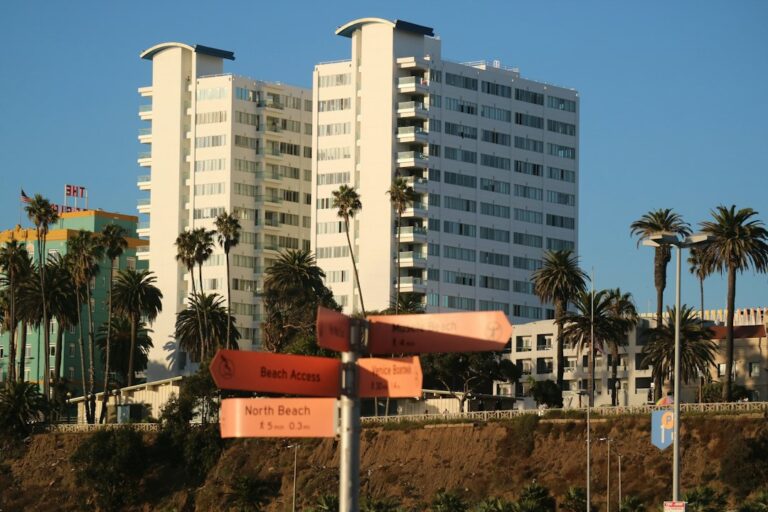 Rentals & tenants
Santa Monica Tenant Buyout Agreements: The Notice, the 30-Day Cancel and the Filing Window
Santa Monica buyouts need a rights notice before any offer, a 30-day cancel period and filing on day 31-60. See the 2026 minimum amounts and penalties.
Read the guide → Divorce
Divorcing in North Long Beach? Who Gets the House, and What Taxes Follow
Divorcing in North Long Beach, CA? Learn how buyouts, Duke orders, Watts/Epstein credits, and capital gains tax rules affect splitting your house.
Read the guide → Divorce
Why a West Covina Divorce Sale Doesn’t Always Trigger a Tax Reassessment
A West Covina divorce buyout usually keeps the home's Prop 13 tax basis, but selling to a cash buyer does not. See how that affects your decision.
Read the guide → Divorce
Who Gets Credit for the Down Payment on an Agua Dulce Ranch in a Divorce
Learn how California Family Code Section 2640 reimburses a separate-property down payment on an Agua Dulce horse property when a marriage ends in divorce.
Read the guide →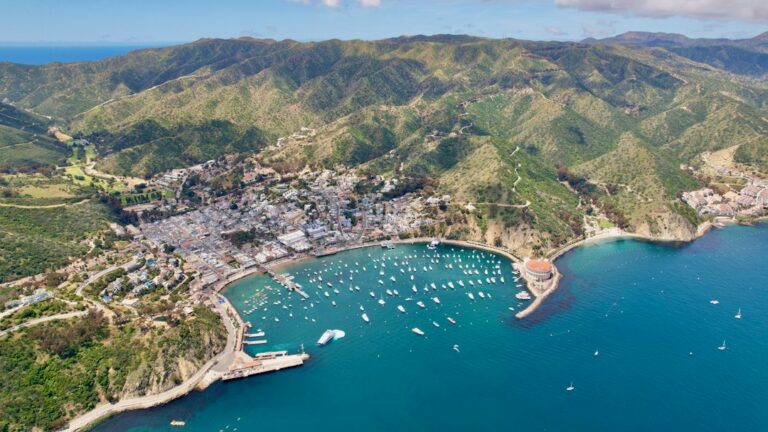 Divorce
Dividing a House in an Avalon, CA Catalina Divorce
Dividing an Avalon, CA home in divorce? See how California community property law, rental license limits, and island appraisals affect your split.
Read the guide → Divorce
Separate Property Reimbursement in a Monrovia Divorce
How Family Code 2640 and the Moore/Marsden formula decide what a spouse gets back before a Monrovia, CA home sells or one spouse buys the other out.
Read the guide →