
Selling a House With Tenants in Santa Monica
- Foreclosure, inherited, tenants, damage — we buy it
- Zero fees, zero commissions, zero closing costs
- No obligation — turn the offer down and owe us nothing


Sell Around One of California’s Strictest Rent Control Laws
Santa Monica’s rent control ordinance protects tenants — and it also limits what a landlord can do before selling. You don’t need a vacant unit to get a cash offer.
Santa Monica’s Rent Control Framework
Santa Monica operates under one of the oldest and strictest rent control systems in California: City Charter Article XVIII, adopted by voters in 1979 and administered by an elected Rent Control Board rather than the city council.
The ordinance applies to residential units built before April 10, 1979, and it caps not just eviction grounds but the rent itself — a genuine price control, not merely a just-cause eviction rule.
Owner-occupied properties with three or fewer units are exempt, but most of Santa Monica’s older apartment courts and converted duplexes fall squarely inside the ordinance.
The Current Rent Cap
The Rent Control Board sets an annual general adjustment each year. The current allowable increase is 2.6%, capped at $70 per month, effective September 1, 2026. That cap compresses the return a landlord can realistically expect from a covered unit, regardless of how far market rents in the surrounding neighborhood have moved — which is a major reason long-time owners of these buildings look at selling rather than continuing to operate under the cap.
Just-Cause Eviction Layered on Top
Rent control isn’t the only protection tenants have here. Santa Monica also requires just cause to end a tenancy — nonpayment, lease violation, owner move-in, or a handful of other defined reasons — meaning a landlord can’t simply decline to renew a lease to clear a unit for sale.
That combination of price control and just-cause eviction is exactly why so many owners of tenant-occupied Santa Monica property look for a buyer willing to purchase with the tenancy intact, rather than trying to deliver the unit vacant first.
The Ellis Act as a Separate Path
State law gives landlords one route around local rent control: the Ellis Act allows an owner to exit the rental business entirely and remove a building from the rental market.
Santa Monica administers its own Ellis Act procedures on top of the state framework, including required notice periods that are extended for elderly and disabled tenants.
It’s a real option, but it’s a slow, formal process with its own filing requirements — not something to start simply to make a property easier to sell quickly.
Selling With the Tenancy in Place
The simplest path for most owners is to sell the property as-is, with the current tenant or tenants still in the unit, to a buyer who is prepared to take over as the new landlord.
This sidesteps both the rent control question and the Ellis Act process entirely — the tenancy simply continues under new ownership, the security deposit transfers at closing, and you’re no longer the one managing the property.
Mid-City and Pico Neighborhood Apartment Courts
A large share of Santa Monica’s rent-controlled housing sits in the denser Mid-City and Pico neighborhoods, in postwar apartment courts and older multi-family buildings that have carried the same tenants for years in some cases.
These properties often need deferred maintenance addressed that current rents don’t generate enough cash flow to fund — another reason a direct cash sale, without renovation first, tends to make more sense than a retail listing.
Frequently Asked Questions
Do I have to evict the tenant before selling?
No. We can purchase the property with the tenant in place and the lease continues under the new owner.
Does the security deposit transfer at closing?
Yes, tenant security deposits are typically credited to the buyer at closing so the new owner holds them going forward.
Will selling trigger a rent increase for my tenant?
No. Rent control limits apply to the unit regardless of ownership — a sale doesn’t reset or remove the cap.
Is my property actually rent-controlled?
Generally, if it was built before April 10, 1979, and isn’t an owner-occupied building of three units or fewer, it’s covered — the Rent Control Board can confirm your building’s status.
Get a free, no-obligation cash offer from Cash Home Buyers CA — tenants in place, no problem.
Seller Guides
Helpful guides for homeowners in Santa Monica
Plain-English answers to the questions sellers ask us most.
 Inherited homes & probate
What Probate Actually Looks Like for an Inherited House in Fresno County
Probate for an inherited Fresno County house runs through one courthouse, but the timeline depends on how title was held. What to expect, step by step.
Read the guide → Rentals & tenants
The July 31 Registration Deadline Culver City Landlords Can’t Miss Before Selling a Rental
Culver City requires annual rental registration by July 31, with penalties that follow into escrow. What the ordinance requires before you sell a rental.
Read the guide → Rentals & tenants
How Much Must Long Beach Landlords Pay Tenants Under the Relocation Ordinance?
Long Beach landlords: see the LBMC 8.99 relocation payments, notice periods, and city filing step required before a no-fault tenant termination.
Read the guide → Rentals & tenants
Pasadena Tenant Protection Ordinance: Notice & Pay Rules
Pasadena's tenant protection ordinance sets notice periods, split relocation pay, and rent caps for owners selling a tenant-occupied rental.
Read the guide → Rentals & tenants
LA RSO Registration Must Be Current Before You Sell
Check the current LAHD RSO, JCO and SCEP fees, the annual deadline, and the 45-day re-registration window you must clear before selling a rental.
Read the guide → Rentals & tenants
Santa Monica Tenant Buyout Agreements: The Notice, the 30-Day Cancel and the Filing Window
Santa Monica buyouts need a rights notice before any offer, a 30-day cancel period and filing on day 31-60. See the 2026 minimum amounts and penalties.
Read the guide → Rentals & tenants
The LAHD Filing Deadline Landlords Miss on a Tenant Buyout in Los Angeles
Los Angeles tenant buyouts require an LAHD disclosure before any offer, a 30-day rescission right, and a signed agreement filed with LAHD within 60 days.
Read the guide → Rentals & tenants
What REAP Actually Means for a Los Angeles Landlord Trying to Sell
If your Los Angeles rental is in REAP — the city's Rent Escrow Account Program — your tenants are legally paying 10%…
Read the guide →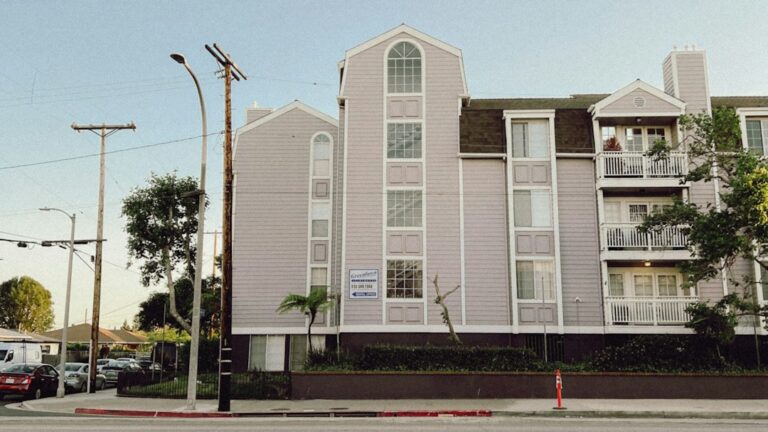 Rentals & tenants
What the AB 1482 Single-Family Exemption Does and Doesn’t Cover in North Redondo Beach
Many North Redondo Beach rentals fail the AB 1482 single-family exemption test. Here's what sellers of a tenant-occupied home must verify first.
Read the guide →