
How Our Rancho Park Cash-Offer Process Works
- Foreclosure, inherited, tenants, damage — we buy it
- Zero fees, zero commissions, zero closing costs
- No obligation — turn the offer down and owe us nothing


From First Call to Recorded Deed
A closer look at how we price, sign, and close a Rancho Park sale, and what actually happens to your proceeds along the way.
Our Rancho Park overview page walks through the basic steps of selling to us. This page goes deeper into the Rancho Park-specific mechanics behind each one, how we actually price a property here, who handles the closing, and what it means for what you walk away with.
Step 1: A Property Evaluation Built From Comps Inside Rancho Park’s Actual Boundaries
Rancho Park is small enough, well under a square mile between Sawtelle, West Los Angeles, Cheviot Hills and Westside Village, that major listing portals do not publish a reliable standalone median or days-on-market figure for it, so we do not lean on one.
Instead of applying a citywide formula, or worse, borrowing comps from Cheviot Hills or Westwood where prices run differently, we pull recent sales specifically from inside Rancho Park’s boundaries, from the 405 on the west to Manning Avenue and Beverly Glen on the east, and adjust for the property’s condition, lot size and any repair needs.
Step 2: Why Condition Matters More Here Than the Address
Rancho Park’s housing stock splits between fully remodeled 1930s and 1940s Spanish Colonial bungalows and original-condition ones many buyers plan to rebuild.
Two houses on the same block can price very differently depending on which side of that split they fall on, which is why our offer starts from the specific property in front of us rather than a neighborhood average.
A house with an unpermitted addition or original 1920s wiring is priced as what it is worth to a builder, not penalized against a formula built for a turnkey house.
Step 3: A Written Offer and a Licensed Escrow Company
Once we agree on a price, the purchase agreement goes into escrow with a licensed Los Angeles County title and escrow company, a neutral third party, not us and not you. The title company runs a full title search, clears any liens, judgments or unpaid taxes against the property, and holds the funds until every condition of the sale is met.
Step 4: The City’s 9A Report, Which Paces Almost Every Rancho Park Closing
Because Rancho Park is within the City of Los Angeles, every seller has to deliver the Department of Building and Safety’s Report of Residential Property Records, known as the 9A report, before closing, along with certifications for a seismic gas shutoff valve, low-flow fixtures, smoke and carbon monoxide detectors, and a strapped water heater.
We order this report the same week we open escrow, since it is typically the single item that determines how fast a City of Los Angeles closing can move, and we handle the retrofit work ourselves rather than asking you to schedule contractors.
Step 5: Signing, Remote or In-Person
California does not currently allow remote online notarization the way many other states do, so signing in California means an in-person notary, either at the title company’s office or with a mobile notary who comes to you.
If you have relocated out of state, a certificate of acknowledgment taken in your new state under that state’s law is acceptable for recording here, so you can sign locally wherever you are.
Step 6: Recording at the Registrar-Recorder in Norwalk
Once signing is complete and funds are ready, the deed is recorded with the Los Angeles County Registrar-Recorder/County Clerk in Norwalk, the office that makes the transfer official and public. Recording usually happens the same day funds are confirmed, which is the moment the sale is actually complete, and proceeds wire out that same day.
What You Net: Transfer Tax Still Applies, Commission Doesn’t
One cost that doesn’t go away no matter who you sell to is the documentary transfer tax.
Because Rancho Park sits within Los Angeles city limits, that includes the city’s own transfer tax on top of the county’s base rate, for a combined rate of $5.60 per $1,000 of sale price.
Measure ULA’s added surcharge only applies above roughly $5.4 million as of 2026, far beyond a typical Rancho Park sale.
This is a transfer tax owed on the sale itself, not a commission tied to using an agent, so it applies the same way whether you sell to us or to a retail buyer.
What you avoid selling to us is the 5 to 6 percent agent commission and any repair credits, which is where most of the actual savings comes from, particularly on an original-condition bungalow that a retail buyer’s lender would flag for repairs anyway.
Typical Timelines for a Rancho Park Closing
A Rancho Park house with clear title typically closes in two to three weeks once the 9A report is back. An estate, a trust sale, or a property with a tenant in place usually takes three to six weeks, since those situations involve gathering additional documentation before escrow can close.
We build the timeline around your situation rather than a fixed number, and we can move faster when a deadline, such as a trustee’s sale date, requires it.
How the Small Lots Factor Into an Offer
Many original Rancho Park houses sit on compact lots with narrow side yards, which means a remodel or addition typically needs a variance or careful design to meet current setback rules.
We factor that constraint into how we value an unremodeled property rather than pricing it as though a builder could freely expand it, since the true cost of unlocking a lot’s full potential depends on those setback issues as much as on the structure itself.
A property with more usable lot area, or one already at the edge of what current zoning allows, prices differently even at a similar square footage.
What Documentation Speeds Up Each Step
The fastest Rancho Park closings are the ones where we have title, loan payoff information, and any relevant lease or trust documents in hand early. For a straightforward sale, that is often just a recent mortgage statement and a copy of your deed.
For an estate, it is the trust document or letters of administration. For a tenant-occupied property, it is the lease and rent roll.
None of these are required to get a written offer from us, but having them ready when we open escrow is what typically shaves days off the two-to-three-week timeline for a clear-title house.
Coordinating With Your Own Attorney or Advisor
Whether the sale involves an estate, a divorce, or simply a large enough gain that you want a CPA to weigh in on the numbers, we are glad to work directly with whoever you have advising you.
We can walk your attorney through the comps behind an offer, provide the closing statement to a CPA before signing, or adjust how proceeds are held in escrow to match instructions from either professional.
None of that changes our timeline meaningfully, since escrow is built to accommodate exactly this kind of coordination as a matter of course.
Frequently Asked Questions
How is my Rancho Park offer actually calculated?
From recent comparable sales inside Rancho Park’s actual boundaries, adjusted for the property’s condition, lot size and any repairs it needs.
Do I have to sign in person?
Not necessarily. If you have relocated out of state, you can sign in front of a notary there under that state’s law, and the documents can still be recorded here.
Will I pay the Measure ULA tax on my Rancho Park sale?
Only if the sale price is above the current threshold, roughly $5.4 million as of 2026 and adjusted annually. Most Rancho Park sales fall well under it.
Do I pay any commission if I sell to you?
No. There is no agent commission on a direct sale, though the standard transfer tax and 9A retrofit costs still apply as they would on any Rancho Park sale.
Why does the 9A report matter so much to the timeline?
It is a City of Los Angeles requirement on every sale here, and it is usually the single document that takes the longest to come back, which is why we order it the same week escrow opens.
Can my attorney or CPA review the numbers before I sign?
Yes. We routinely provide comps, the closing statement, and escrow details to whoever is advising you, and there is no cost or delay for doing so.
For the citywide version of this process, see our page on how our cash-offer process works across the rest of Los Angeles. If you want the basics on speed first, see how to sell a Rancho Park house fast, or how to vet cash home buyers in Rancho Park before you sign anything.
Get a free, no-obligation cash offer from Cash Home Buyers CA today.
Seller Guides
Helpful guides for homeowners in Rancho Park
Plain-English answers to the questions sellers ask us most.
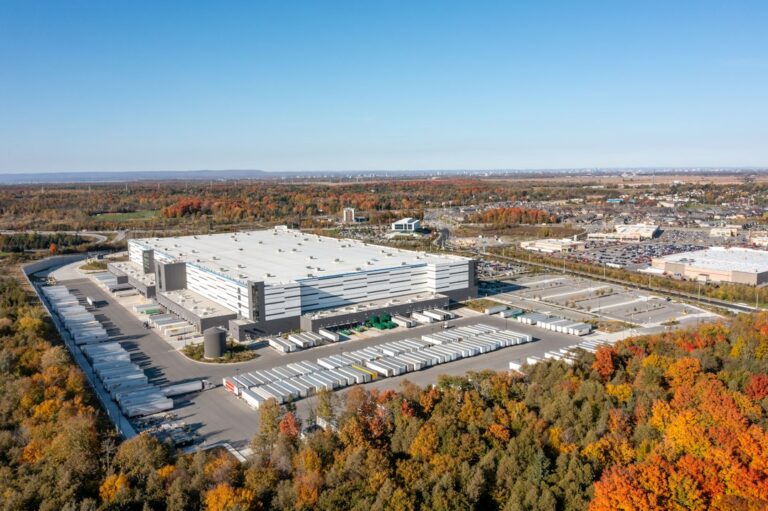 Relocating
Fontana’s Warehouse Boom: What It Means If You’re Relocating
Fontana grew from a wartime steel town into an Inland Empire logistics hub. See what that shift means for home values and selling if you are relocating.
Read the guide → Selling for cash
The Transfer Tax Every Los Angeles Seller Pays, With or Without Measure ULA
Los Angeles charges its own $4.50-per-$1,000 tax on top of the county rate, before Measure ULA applies. See the exact combined math at closing.
Read the guide → Rentals & tenants
How Much Must Long Beach Landlords Pay Tenants Under the Relocation Ordinance?
Long Beach landlords: see the LBMC 8.99 relocation payments, notice periods, and city filing step required before a no-fault tenant termination.
Read the guide → Selling for cash
What Inglewood’s Housing Protection Ordinance Requires Before You Sell a Rental
Inglewood's Housing Protection Ordinance covers more rentals than expected, with rent caps, just-cause rules, and relocation tiers that transfer at sale.
Read the guide → Selling for cash
The Five-Year Countdown Before Los Angeles County Auctions a Tax-Defaulted Home
LA County auctions tax-defaulted homes after five years unpaid. See the redemption deadline, installment options, and how to claim excess proceeds.
Read the guide → Selling for cash
What Beverly Hills’ Rent Stabilization Ordinance Requires Before You Sell
Beverly Hills runs its own BHMC Chapter 5 and 6 rent rules: caps, BHRent registration, just-cause grounds and relocation fees sellers must clear first.
Read the guide → Selling as-is
What Rancho Palos Verdes’ Landslide Zones Mean for a Natural Hazard Disclosure
Rancho Palos Verdes sellers must check a landslide-zone box on the state Natural Hazard Disclosure Statement, separate from the earthquake fault question.
Read the guide → Selling for cash
West Hollywood’s Rent Stabilization Ordinance: What a Seller With Tenants Must Clear First
West Hollywood's rent stabilization law sets strict just-cause rules and relocation fees before you can sell a tenant-occupied rental unit here.
Read the guide → Inherited homes & probate
Partition Actions Between Heirs: How California Law Forces a House Sale
California heirs can force a house sale through a partition action under CCP 872-874, with court referees, confirmation hearings, and buyout rights.
Read the guide →