
Sell Your House As-Is in Eagle Rock
- Foreclosure, inherited, tenants, damage — we buy it
- Zero fees, zero commissions, zero closing costs
- No obligation — turn the offer down and owe us nothing


No Repairs, No Retrofit Scramble, No Showings
Craftsman, Spanish, mid-century or hillside, we buy Eagle Rock houses in the condition they are in today, and we take care of the city paperwork a Los Angeles sale requires.
A lot of Eagle Rock’s houses are around a century old. That is a big part of the neighborhood’s appeal, and it is also why so many owners eventually face a house that needs more work than they want to take on before selling.
Selling as-is means you sell the property in its current condition, without making repairs, and the buyer accepts it that way.
Cash Home Buyers CA buys Eagle Rock houses as-is, including homes with foundation problems, dated systems, unpermitted work, fire or water damage, and deferred maintenance that has piled up over decades.
What “As-Is” Changes, and What It Does Not
An as-is sale changes who is responsible for repairs. You do not fix the roof, replace the sewer line or paint the house. The buyer takes on those costs and prices them into the offer.
What it does not change is your duty to disclose what you know. California law still requires a seller of a one-to-four unit home to provide a Real Estate Transfer Disclosure Statement and natural hazard disclosures, and to share known material facts about the property.
Selling as-is does not let you hide a known leak or a cracked foundation. In practice, this works in your favor with a cash buyer: tell us what you know, and we account for it in the price, with no renegotiation surprise halfway through escrow.
It also does not change the City of Los Angeles requirements that apply to every sale in Eagle Rock.
Since the neighborhood joined Los Angeles in 1923, sales here follow city rules, including the Department of Building and Safety’s Report of Residential Property Records (the 9A report) and retrofit compliance for gas shutoff valves, water-conserving fixtures and smoke and carbon monoxide detectors.
The difference on our purchases is that we order the report and handle those items ourselves.
Condition Issues Common in Eagle Rock Houses
Eagle Rock’s housing stock runs from early-1900s Craftsman bungalows through Spanish Colonial and Art Deco houses of the 1920s and 1930s to mid-century homes in the hills. Each era tends to bring its own set of problems:
- Craftsman bungalows. Raised wood foundations and cripple walls that were never bolted or braced, original single-wall construction in back additions, knob-and-tube or early cloth-wrapped wiring, and clay or cast-iron sewer lines running to the street.
- 1920s and 1930s Spanish and Art Deco houses. Stucco cracking, flat or low-slope roof sections that have been patched many times, original steel casement windows, and galvanized supply plumbing that has narrowed with age.
- Mid-century hillside homes. Houses on the slopes toward the Glendale border and around Eagle Rock Hillside Park often come with retaining walls, drainage questions, steep driveways and decks that need structural review. Hillside parcels can also carry fire hazard zone disclosures.
- Additions and conversions. Enclosed porches, converted garages and back units built without permits are common across the neighborhood, and they show up as mismatches when the 9A report is pulled.
- Older small apartment buildings. Wood-frame buildings with parking tucked under the upper floor can fall under the city’s mandatory soft-story retrofit program, which is a significant expense for an owner who has not completed it.
Why As-Is Houses Struggle With Financed Buyers
In a market where the median sale was about $1.35 million in August 2026 and homes sold for roughly 104.9 percent of list on average, it can seem like anything will sell. The strongest numbers, though, belong to updated houses. A house that needs a new foundation, full rewiring or permit corrections runs into problems a retail buyer cannot solve with enthusiasm alone.
Lenders and appraisers are the main obstacle. A conventional loan generally requires the house to be safe, sound and habitable at closing.
An appraiser who notes missing flooring, an inoperable kitchen, active roof leaks or a failing foundation can call for repairs before funding, and a seller who agreed to an as-is sale may suddenly be asked to fix things anyway.
Buyers who get a long inspection report on a 1920s house commonly ask for large credits, and the resulting back-and-forth can collapse an escrow that looked solid on day one.
At Eagle Rock prices, many buyers are also stretching to qualify. They may not have room for a $60,000 foundation job or a $40,000 sewer replacement on top of their down payment, even if the house is priced to reflect it.
Historic Designation and the Colorado Boulevard Plan
Eagle Rock has 19 individually designated Historic-Cultural Monuments, spanning Craftsman, Georgian, Streamline Moderne, Art Deco and Mission Revival buildings. If your house is one of them, exterior changes generally go through city historic review, which makes some buyers nervous about the cost and time of renovation. It does not stop an as-is sale. We buy designated properties and plan work within the review process.
Properties on or near Colorado Boulevard may also sit inside the Colorado Boulevard Specific Plan area, a city overlay with its own design review board. That mainly affects commercial and mixed-use frontage, but it is one more reason to sell to a buyer who is familiar with how the corridor works.
How We Price an As-Is Eagle Rock House
We start with what the house would be worth after a full, permitted renovation, based on recent closed sales of similar homes nearby.
Then we subtract the realistic cost of that work, the time and cost of city permits, holding costs while the work is done, the costs of resale, and our margin. We show you that math.
If the offer is lower than you hoped, you will at least see why, and you can compare it against what it would cost you to do the work yourself and list.
You do not need to clean out the house. Furniture, tools, and decades of storage in the garage can stay. We do not require a pre-sale inspection from you, and we do not come back mid-escrow with a new price because our inspector found something we should have seen on the walkthrough.
When Fixing First Makes More Sense
If the issues are cosmetic, such as paint, carpet, landscaping and fixtures, and you have the cash and time, doing that work and listing will usually bring a higher net in Eagle Rock. Buyers here pay for character homes that are move-in ready.
As-is sales make the most sense when the work is structural, when permits are a mess, when the house is occupied by tenants, when you are managing an estate from far away, or when a deadline makes a months-long renovation unrealistic.
If time is the main pressure, see our guide on how to sell your house fast in Eagle Rock. For a family house that came to you through a trust or probate, read about selling an inherited house in Eagle Rock.
If there are renters in the property, our page on selling a tenant-occupied house in Eagle Rock explains how that works. The disclosure and permit rules on this page apply citywide; for the broader picture, see our page on selling as-is under the rules across the rest of Los Angeles.
What Renovating Before a Sale Really Involves in Eagle Rock
Owners who are weighing repairs against an as-is sale often underestimate how much of the cost is time rather than materials.
Structural and systems work in the City of Los Angeles generally needs permits from the Department of Building and Safety, which means plans, plan check, and inspections at several stages.
A foundation bolting and cripple-wall retrofit on a Craftsman, a main panel upgrade, a sewer lateral replacement to the street, or a re-roof on a Spanish house with flat sections can each take weeks from first estimate to final sign-off, and that is before any delays for contractor schedules or surprises found once walls are opened.
If the house is a designated Historic-Cultural Monument, exterior work typically goes through city historic review before permits are issued, which adds another layer.
Unpermitted additions are harder still: legalizing an enclosed porch or a converted garage can involve bringing the space up to current code, and sometimes the more practical answer is removal.
Every month that work takes, you are paying the mortgage, property taxes, insurance and utilities on a house nobody is living in.
None of that is a reason not to renovate if you have the budget, the patience and a good contractor. Many Eagle Rock houses are worth considerably more once the work is done.
The point is to compare honestly: the likely after-repair price, minus the full cost of work, permits, carrying costs and commissions, against a firm as-is number today. When the work is mostly cosmetic, fixing usually wins.
When it is structural, permit-heavy or uncertain in scope, the as-is sale is often closer than it first looks, and it comes without the risk of a renovation running long.
Sell House As Is in Eagle Rock: What You Still Do and What You Skip
When you sell a house as is in Eagle Rock, the seller to-do list gets short, but it does not disappear. You still complete the Transfer Disclosure Statement and the Seller Property Questionnaire based on what you know, and you sign the natural hazard report escrow orders.
What an as-is sale to us does not require
- No repairs, painting or termite work before closing.
- No inspection contingency used to renegotiate the price later.
- No cleanout: take what you want and leave the rest.
- No staging or repeated showings.
If the house also has renters or came through an estate, see selling an inherited house in Eagle Rock, or call 424-435-2326 to talk it through.
Frequently Asked Questions
Can I sell a house as is in Eagle Rock without a termite clearance?
Yes. We do not require a termite clearance, repairs or a cleanout. Known wood damage belongs on your disclosures and is reflected in the offer.
Does selling as-is mean I can skip the TDS and SPQ?
No. California disclosure forms still apply to an as-is sale. Complete them based on what you know; accurate disclosures protect you as much as the buyer.
Will an as-is offer drop after an inspection?
The offer is written after the walkthrough, without an inspection contingency to renegotiate later. If something truly unknown and material comes up, it is discussed openly.
Do I still have to fill out disclosures if I sell as-is?
Yes. California disclosure requirements still apply. Share what you know about the house, and we will factor it into the offer instead of renegotiating later.
Will you buy a house with an unpermitted garage conversion or back unit?
Yes. It is a common issue in older Eagle Rock houses. We review the 9A report and decide whether to legalize or remove the work after we buy.
My house is on a hillside with a failing retaining wall. Is that a problem?
Not for us. Retaining walls and drainage on the slopes near the Glendale border are exactly the kind of work that stops financed buyers, and we price it in.
Do I need to complete the gas shutoff valve and detector requirements first?
No. On our purchases we handle the City of Los Angeles retrofit items and the 9A report through escrow.
Can you buy a house that is designated as a Historic-Cultural Monument?
Yes. Designation affects future exterior work, not the sale. We buy monument properties in their current condition.
To get a written as-is offer on your Eagle Rock house, call or text (424) 435-2326, or use the form above.
Seller Guides
Helpful guides for homeowners in Eagle Rock
Plain-English answers to the questions sellers ask us most.
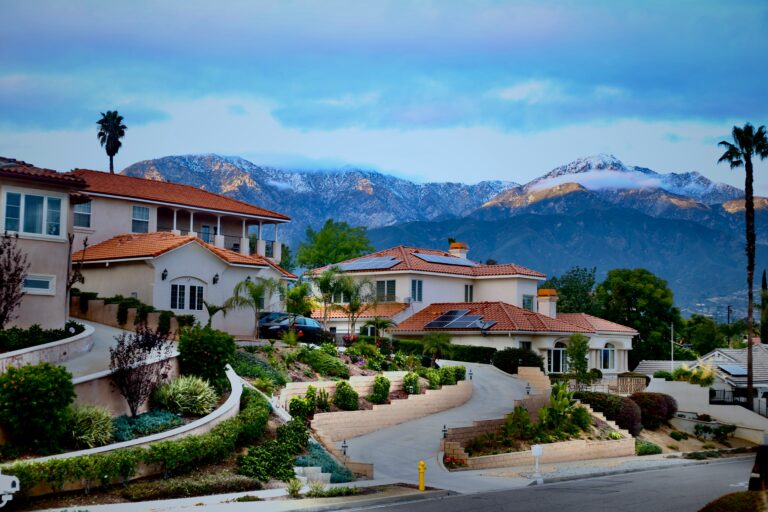 Rentals & tenants
Which Mountain View Rentals Does the CSFRA Actually Cover?
See which Mountain View rentals the CSFRA covers, its rent cap, just-cause eviction rules, relocation pay, and what landlords must do before raising rent.
Read the guide →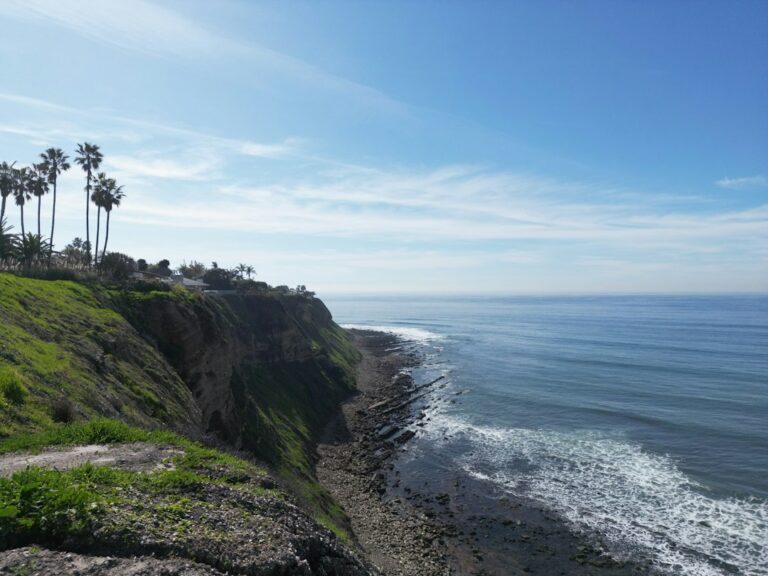 Selling as-is
What Rancho Palos Verdes’ Landslide Zones Mean for a Natural Hazard Disclosure
Rancho Palos Verdes sellers must check a landslide-zone box on the state Natural Hazard Disclosure Statement, separate from the earthquake fault question.
Read the guide →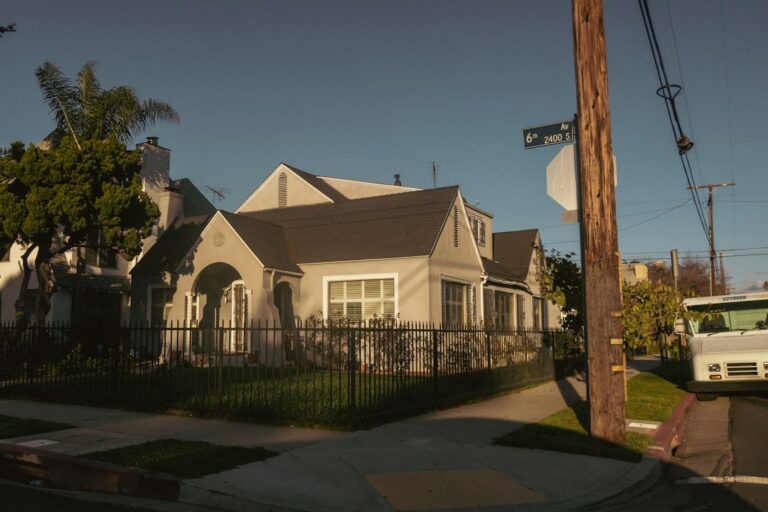 Selling as-is
Highland Park HPOZ Disclosure Rules Explained
Highland Park's historic overlay (HPOZ) governs renovations, but California's TDS and NHD disclosure rules still apply in full, even on an as-is sale.
Read the guide →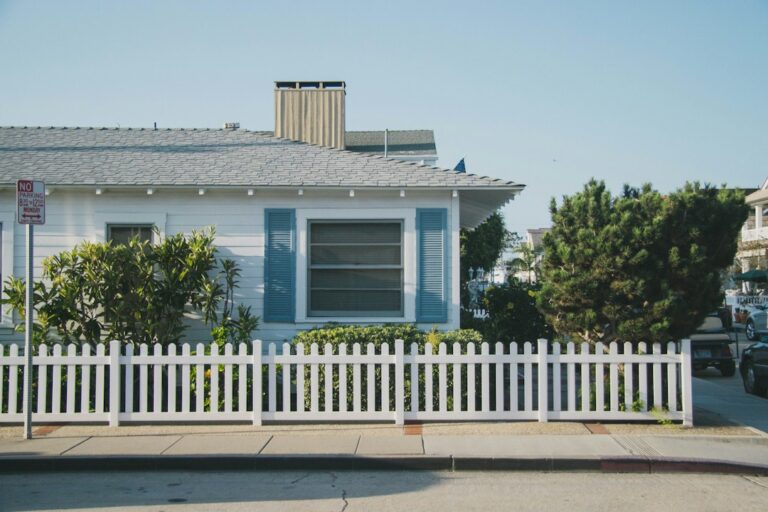 Selling as-is
As-Is Disclosure Rules for an Older Pasadena, CA Home
Selling as-is in Pasadena doesn't skip California's disclosure law. See what Civil Code requires for the city's century-old Craftsman homes.
Read the guide → Selling as-is
The Anaverde HOA Disclosure Packet an As-Is Sale Still Requires
The Anaverde HOA disclosure packet under Civil Code 4525, plus the TDS and NHD duties an as-is sale in Anaverde, CA never removes, and why it adds time.
Read the guide →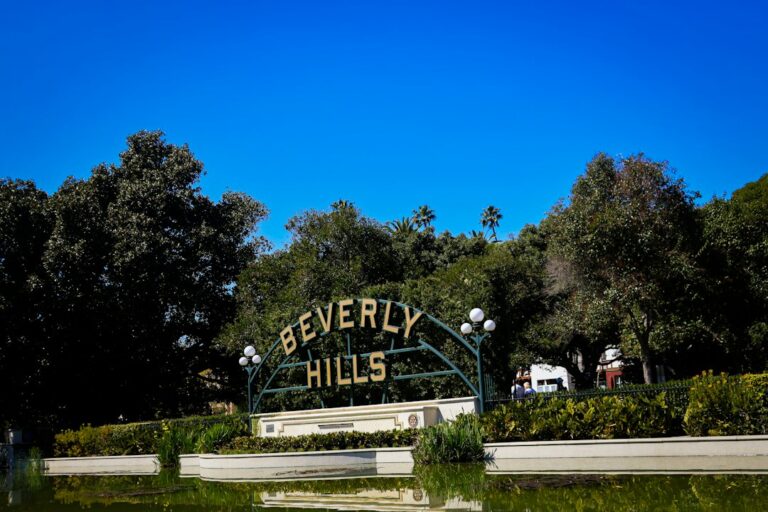 Selling as-is
Beverly Hills, CA As-Is Sales: What You Still Disclose
Selling as-is in Beverly Hills, CA doesn't waive disclosure law. See what sellers must still tell buyers under California's TDS and NHD rules.
Read the guide → Selling as-is
Why “As-Is” Doesn’t Simplify Disclosure for a Winnetka, CA Seller
Civil Code 1102 still requires full disclosure on an as-is Winnetka sale -- here's what the TDS, NHD, and lead-paint rules actually require.
Read the guide → Selling as-is
What California’s As-Is Disclosure Law Still Requires in Gardena
Selling as-is in Gardena does not skip California disclosure law. See what sellers must still disclose, plus local zoning and jurisdiction quirks.
Read the guide → Selling as-is
Why Culver City’s As-Is Disclosure Rules Aren’t Los Angeles’s
As-is doesn't skip California disclosure law. Learn why Culver City permit and code records come from its own city hall, not LA, before you sell as-is.
Read the guide →