
Sell a House During Divorce in Arcadia
- Foreclosure, inherited, tenants, damage — we buy it
- Zero fees, zero commissions, zero closing costs
- No obligation — turn the offer down and owe us nothing


One Less Thing to Divide
How California community property rules and ATROs affect selling an Arcadia marital home, and how a direct sale can simplify it.
Dividing a shared house is one of the more difficult parts of a divorce, both financially and logistically, and with Arcadia’s higher property values, the house is often the single largest asset either spouse has a stake in.
Couples going through this often want a resolution that doesn’t require months of showings and negotiations layered on top of an already stressful process. Cash Home Buyers CA buys Arcadia houses directly, which can simplify the property side of a divorce considerably.
Community Property and ATROs
California is a community property state, meaning property acquired during the marriage is generally presumed to belong equally to both spouses, subject to exceptions for separate property.
When a divorce petition is filed, Automatic Temporary Restraining Orders (ATROs) take effect automatically and generally prevent either spouse from selling, transferring, or borrowing against community property — including the house — without the other spouse’s written consent or a court order.
This means any sale during divorce proceedings typically requires both spouses to agree to the transaction, or a court order authorizing it. Family law matters for Arcadia residents are generally handled within the Los Angeles County Superior Court system.
Why Selling Often Makes Sense
Keeping the house usually means one spouse buying out the other’s equity, which requires refinancing the mortgage solely in one name — a bigger hurdle in Arcadia given local price points, and not always possible depending on income and credit.
Selling and splitting the proceeds sidesteps that requirement and converts a shared asset that’s hard to divide fairly into a number that’s straightforward to split according to whatever agreement or court order applies.
It also removes an ongoing point of friction (who pays the mortgage, who maintains the property) while the rest of the case is being resolved.
How a Direct Sale Fits Into the Timeline
A traditional listing during divorce means both spouses coordinating showings, repairs, and negotiations, often while trying to avoid unnecessary contact or conflict. A cash sale removes much of that friction: one evaluation, one written offer, and a closing that doesn’t depend on either spouse managing an active listing process.
Because there’s no financing contingency, it also avoids a financed buyer’s underwriting falling through mid-case and forcing the property back onto the market.
What We Need From Both Spouses
- Written agreement or court authorization confirming both parties consent to the sale, given the ATRO restrictions in place during most California divorces.
- Clarity on how proceeds will be handled at closing, whether split per an agreement, held in escrow, or disbursed per court order.
- Coordination with each spouse’s family law attorney, so the sale integrates cleanly with the broader case rather than creating a separate dispute.
What the Process Looks Like
We provide a written cash offer within 24 to 48 hours of evaluating the property. Once both spouses agree (or the court authorizes the sale), we close through a neutral Los Angeles County title company, typically within 7 to 14 days, with proceeds disbursed according to the agreement or order in place.
Selling a House During Divorce in Arcadia: A Cleaner Path
When you need to sell a house during divorce in Arcadia, the house is often the largest community asset and the hardest one to split.
Neither spouse may be able to refinance a loan at local prices alone, and a months-long listing keeps two people tied to shared decisions about repairs, showings and price cuts.
A direct cash sale gives both of you one written number within 24 to 48 hours, one walkthrough and one closing date, with the proceeds divided through escrow according to your agreement or court order.
What California Law Means for the House
- Community property. California is a community property state, so a home bought during the marriage is generally presumed to belong to both spouses equally, though separate-property contributions can change the math.
- Both owners sign. If both spouses are on title, both generally need to sign the listing or purchase agreement and the deed. A court order can authorize a sale if one spouse will not cooperate.
- ATROs. Once a petition is served, the standard restraining orders generally bar either spouse from selling or encumbering community property without written consent or a court order.
- Proceeds. Escrow pays the mortgage and costs, then splits or holds the net as your written instructions, settlement or judgment direct.
Your family law attorney should confirm how these rules apply to your case, especially on tax questions such as the capital gains exclusion, where a CPA can help.
Divorce Home Sale Options Compared
| Cash sale to us | Traditional listing | |
|---|---|---|
| Timeline | Often 7 to 14 days after both accept | Market time plus 30 to 45 days of financed escrow |
| Shared decisions | One offer, one walkthrough | Repairs, staging, pricing and counteroffers |
| Showings | None beyond the walkthrough | Ongoing, often while one spouse still lives there |
| Commissions | None when you sell to us | Agent commissions often total around 5 to 6 percent combined |
| Certainty | No financing contingency | A buyer’s loan can fall through mid-case |
Buyout, Listing or Cash Sale: Splitting the House
A buyout lets one spouse keep the home, but it usually requires a new loan in one name large enough to pay off the existing mortgage and the other spouse’s share of the equity.
With Arcadia’s median sale price near $1.64 million in Redfin’s August 2026 data, that is out of reach for many single incomes. A listing may bring a higher gross price for an updated home but keeps the asset in limbo longer.
A cash sale trades some of that top-line price for speed and certainty, which can matter when legal fees and two households are adding up each month.
Our 3-Step Process for Divorcing Owners
- Either spouse or an attorney can call. Reach us at 424-435-2326. We share the same information with both sides.
- One walkthrough, one written offer. We send the offer to both spouses, or both attorneys, within 24 to 48 hours.
- Close when both sign. An escrow and title company collects both signatures, separately if needed, and disburses proceeds per your instructions.
If the payments have fallen behind during the separation, read our foreclosure guide for Arcadia. If one spouse has already moved away, our relocation page explains remote signing.
When One Spouse Still Lives in the House
It is common for one spouse to stay in the home while the other moves out. We schedule the walkthrough with whoever is living there, share the same offer with both parties, and can set a closing date that gives the occupying spouse time to find a new place.
If extra time is needed after closing, a short rent-back can sometimes be arranged in the purchase agreement. Nobody has to keep the house show-ready for weeks while strangers tour it.
Until the sale closes, someone still needs to cover the mortgage, property taxes, insurance and utilities. Who pays those in the meantime is usually part of the temporary orders or the attorneys’ negotiations, and a short, fixed closing date can make that interim arrangement easier to agree on. If a payment is missed during the separation, call us early rather than waiting for a notice from the lender.
Arcadia Divorce Sales We Can Help With
The situations we can help with include an original ranch in the Santa Anita Oaks area that neither spouse wants to renovate, a foothill house needing roof and fire-zone work before a lender would finance it, a rental both spouses own together with a tenant in place, and homes where one spouse brought separate property into the marriage and the equity split is being worked out by the attorneys.
In each case we give one written price and let the professionals handle the division. Any unpermitted additions, deferred repairs or items left behind are priced into the offer, so neither spouse has to fund work on a house they are leaving.
Call or text 424-435-2326 for a written number both of you can review with counsel.
Frequently Asked Questions
Can I sell my house during a divorce in Arcadia before it is final?
Often yes, if both spouses sign or a court order authorizes the sale. The automatic restraining orders generally require written consent or a court order, so talk to your family law attorney before signing.
How are sale proceeds split when a divorcing couple sells an Arcadia home?
Escrow pays off the loan and costs, then divides or holds the net according to written instructions from both spouses, your settlement agreement or a court order.
Do both spouses have to meet with the buyer to sell during divorce?
No. We can speak with each spouse or attorney separately, share the same offer with both and arrange separate signing appointments through escrow.
Can I sell the house before the divorce is finalized?
It depends on your specific case, including any Automatic Temporary Restraining Orders (ATROs) in place and whether both spouses agree — an ATRO generally requires written consent or a court order before either spouse can sell or transfer major community property. Your family law attorney or the Los Angeles County Superior Court can clarify what applies to your case.
What are ATROs and how do they affect selling the house?
Automatic Temporary Restraining Orders take effect when a California divorce petition is filed and generally prevent either spouse from selling, transferring, or encumbering property (including real estate) without the other spouse’s written consent or a court order, with some exceptions for ordinary living expenses.
Is the house automatically split 50/50 since California is a community property state?
Property acquired during the marriage is generally presumed to be community property and divided equally, but separate property, timing of acquisition, and how the house was titled can all affect the actual division — an attorney can review the specifics.
Can we sell the house and split the proceeds instead of one spouse buying the other out?
Yes, that’s a common and often simpler resolution, particularly when a buyout would require refinancing a larger Arcadia mortgage solely in one spouse’s name.
Get a free, no-obligation cash offer from Cash Home Buyers CA today.
Seller Guides
Helpful guides for homeowners in Arcadia
Plain-English answers to the questions sellers ask us most.
 Inherited homes & probate
What Probate Actually Looks Like for an Inherited House in Fresno County
Probate for an inherited Fresno County house runs through one courthouse, but the timeline depends on how title was held. What to expect, step by step.
Read the guide → Inherited homes & probate
Partition Actions Between Heirs: How California Law Forces a House Sale
California heirs can force a house sale through a partition action under CCP 872-874, with court referees, confirmation hearings, and buyout rights.
Read the guide →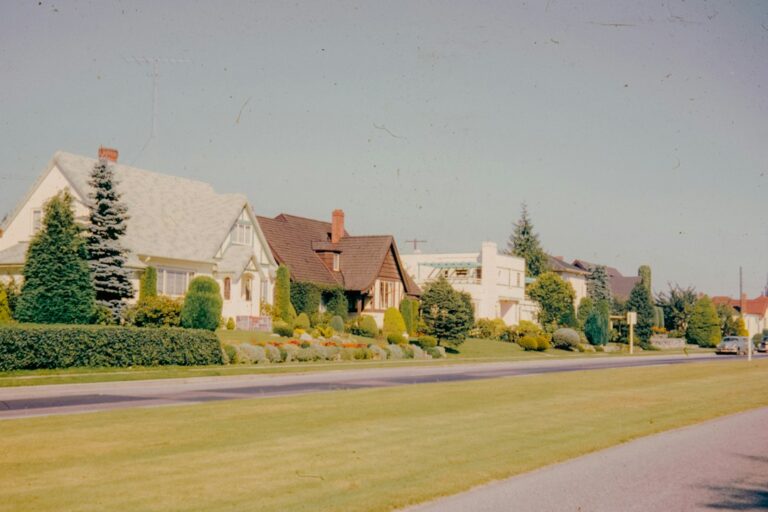 Divorce
Divorcing in North Long Beach? Who Gets the House, and What Taxes Follow
Divorcing in North Long Beach, CA? Learn how buyouts, Duke orders, Watts/Epstein credits, and capital gains tax rules affect splitting your house.
Read the guide → Divorce
Why a West Covina Divorce Sale Doesn’t Always Trigger a Tax Reassessment
A West Covina divorce buyout usually keeps the home's Prop 13 tax basis, but selling to a cash buyer does not. See how that affects your decision.
Read the guide → Divorce
Who Gets Credit for the Down Payment on an Agua Dulce Ranch in a Divorce
Learn how California Family Code Section 2640 reimburses a separate-property down payment on an Agua Dulce horse property when a marriage ends in divorce.
Read the guide →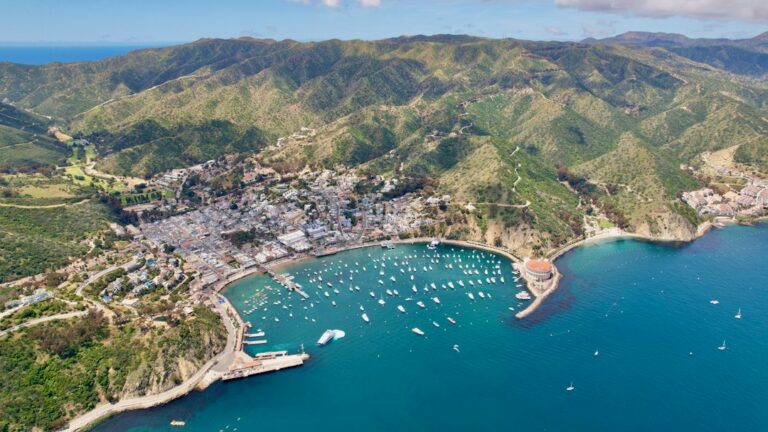 Divorce
Dividing a House in an Avalon, CA Catalina Divorce
Dividing an Avalon, CA home in divorce? See how California community property law, rental license limits, and island appraisals affect your split.
Read the guide → Divorce
Separate Property Reimbursement in a Monrovia Divorce
How Family Code 2640 and the Moore/Marsden formula decide what a spouse gets back before a Monrovia, CA home sells or one spouse buys the other out.
Read the guide → Divorce
How Community Property Division Works for a Whittier Home Sale
See how California law splits community versus separate property for a Whittier house sale during divorce, and what each spouse can claim back.
Read the guide →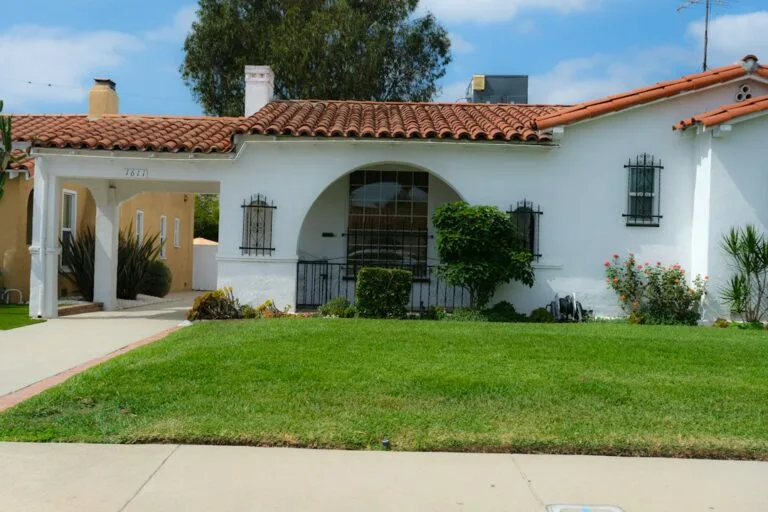 Inherited homes & probate
Why So Many Arcadia, CA Probate Sales Involve Family Homes
Arcadia's demographic shift since the 1980s made living trusts common, but undeeded trusts still force many inherited Arcadia homes into full probate.
Read the guide →