
Sell Your House During Divorce in East Rancho Dominguez, CA
- Foreclosure, inherited, tenants, damage — we buy it
- Zero fees, zero commissions, zero closing costs
- No obligation — turn the offer down and owe us nothing


Fast, Fair, and Reliable Offers
One written cash offer, one neutral escrow company and one closing date can take the family home off the list of things spouses have to fight about.
Sell Your House During Divorce in East Rancho Dominguez With Less Conflict
Deciding to sell your house during divorce in East Rancho Dominguez is rarely just a real estate decision. The house may be where the kids grew up, where grandparents stayed, or where years of weekend projects added a back room or turned the garage into living space.
It is often the largest asset the couple owns. And when two people who are separating have to agree on repairs, an agent, a list price, showings and counteroffers, the house can turn into one more source of stress.
A direct cash sale does not resolve the emotional side, but it can simplify the practical side. Both spouses see the same written number.
There are no repairs to argue over, no months of showings with one spouse still living in the house, and no buyer’s loan that might collapse at the last minute. Proceeds go through a neutral escrow company that follows the settlement or court order.
This page explains how that works under California law and what it looks like for a home in this unincorporated part of Los Angeles County.
What the House Might Be Worth Right Now
A realistic value is the starting point for any settlement conversation, whether one spouse buys out the other or the house is sold.
Redfin’s August 2026 data for East Rancho Dominguez shows a median sale price of about $630,000, up roughly 1.5 percent year over year, based on 11 sales with a median of 29 days on market.
With so few sales in a month, the median can shift easily, and the value of a specific house depends heavily on its condition, its size and whether additions were permitted.
Many divorcing couples get a written cash offer and an appraisal or broker opinion so both sides have reference points they can trust.
How California Divorce Law Treats the Family Home
Community property basics
California is a community property state. In general, property acquired during the marriage belongs equally to both spouses, regardless of whose name is on the paychecks.
A house bought during the marriage is usually community property, although separate property contributions, such as a down payment from an inheritance, can complicate the picture. How the house or its proceeds get divided is set by your marital settlement agreement or by a court order.
Both owners on title must sign
If both spouses are on title, both generally must sign the listing or purchase agreement, the escrow instructions and the deed. If one spouse is uncooperative, the other cannot simply sell alone; the family court may need to issue an order.
And after a divorce petition is filed, automatic temporary restraining orders generally prevent either spouse from selling or transferring community property without written consent of the other or a court order.
Splitting the proceeds
At closing, escrow pays off the mortgage, any home equity line, liens and the agreed costs. The remaining proceeds are then split according to the settlement or court order, usually by escrow sending each spouse their share directly. If the order is not final yet, the parties can often agree to have escrow hold the funds until the court decides. A family-law attorney should review the escrow instructions before closing.
Taxes
Married couples who qualify can often exclude a significant capital gain on a principal residence, and timing can matter when a divorce is involved. California may also require withholding of 3 1/3 percent of the sale price unless an exemption applies; many principal-residence sales qualify, and escrow handles Form 593. A CPA can help you plan the timing.
Selling for Cash vs. Listing During a Divorce
| Topic | Direct cash sale | Traditional listing |
|---|---|---|
| Timeline | Written offer usually within 24 hours; clear-title closings often in about two to three weeks, or on the date both spouses choose | Prep, marketing and negotiations, then financed buyers usually need 30-45 days |
| Repairs | None, so nothing to split or argue over | Spouses must agree on and pay for repairs |
| Showings | One walkthrough | Weeks of showings, often with one spouse living there |
| Commissions | No fees or commissions | Agent commissions often total around 5-6% combined |
| Closing costs | Set in writing up front | Negotiated, and each concession needs both signatures |
| Certainty | No financing contingency | Buyer financing or appraisal can reopen negotiations |
Three Steps to Sell a House During Divorce in East Rancho Dominguez
First, either spouse, or both, or an attorney on their behalf, can call or text 424-435-2326 or use the form on this page. We are happy to send information to both parties at the same time so nobody feels left out.
Second, we arrange a single walkthrough at a time that works for whoever lives in the house, then deliver a written cash offer, usually within 24 hours, to both owners. We can buy your house directly or bring in a vetted cash buyer from our network; either way you get one written offer, proof of funds, a neutral escrow company, a clear closing date, and no fees or commissions.
Third, once both spouses sign, escrow opens, orders the title report and payoff figures, and follows the settlement or court order when it distributes the proceeds. The deed records with the LA County Registrar-Recorder/County Clerk on the closing date you both agree to.
Local Points for a Divorce Sale in East Rancho Dominguez
- County jurisdiction. East Rancho Dominguez is unincorporated land surrounded by Compton, so only the Los Angeles County transfer tax of $1.10 per $1,000 applies, with no city tax.
- Unpermitted space. Added bedrooms and garage conversions are common here. Permit history runs through LA County Public Works and the Department of Regional Planning. We can buy with that space as it is, so neither spouse has to fund permits or removal.
- Rental property. If the couple owns a rented house or duplex here, the lease and deposits generally transfer to the buyer, and county and state tenant rules continue to apply.
- Signing apart. Spouses do not have to sit at the same table. Escrow can arrange separate signing appointments, including a mobile notary for a spouse who has moved out of state.
Managing the House While the Case Is Open
Divorces can take many months, and the house still needs care the whole time. Someone has to keep paying the mortgage, property taxes and insurance, and the couple should agree in writing on who pays what until the house sells.
Missed payments during a separation are a common way a family home slides toward a Notice of Default, which puts equity at risk for both spouses. If one spouse has moved out, the other may be carrying the costs alone, and the settlement can sometimes credit those payments.
Keep records of every payment and repair. If the house sits empty, check with the insurer about vacancy coverage, keep the utilities on and have someone check on it regularly.
Addressing these practical items early keeps the asset intact until it is time to sell or divide it, and it removes a frequent source of argument between the parties.
If One Spouse Wants to Keep the House
Selling is not the only option. One spouse may buy out the other by refinancing the mortgage so they alone are the borrower and paying the other their share of the equity. That requires qualifying for a new loan on one income, which can be difficult.
A written cash offer can still be useful here as one reference point for the buyout value. If the buyout falls through, the offer gives both parties a clear fallback. A family-law attorney or mediator can help structure either path.
Homes We Buy From Divorcing Owners
We make offers on single-family homes, duplexes and rentals throughout East Rancho Dominguez, in any condition, whether one spouse still lives there, both have moved out or tenants are in place. If the house needs work that neither spouse wants to pay for, our guide to selling a house as is in East Rancho Dominguez explains how disclosures still work.
A Checklist Both Spouses Can Agree On
Before either of you signs, confirm that the offer includes a written price and terms, proof of funds, a deposit held by a neutral escrow company, a named closing date, a clear account of who pays which costs, and the name of whoever is taking title.
Confirm that both of you are receiving the same documents at the same time. Ask your family-law attorneys to review the purchase agreement and the escrow instructions for how proceeds will be split or held.
With those pieces in place, the sale can be one of the more straightforward parts of the divorce.
Frequently Asked Questions
Can I sell my house during divorce in East Rancho Dominguez before the divorce is final?
Often yes, if both spouses agree in writing or the court orders the sale. After a petition is filed, automatic restraining orders generally bar selling community property without consent or a court order, so involve your attorneys.
Do both spouses have to sign to sell the house?
If both are on title, generally yes. Each owner signs the purchase agreement, escrow instructions and deed, though they can sign at separate appointments.
How are the sale proceeds divided?
Escrow pays the mortgage, liens and agreed costs, then distributes the remaining proceeds according to the marital settlement agreement or court order. Funds can also be held until the court decides.
What if my spouse refuses to sell?
One spouse generally cannot force a sale alone. A family-law attorney can ask the court to order a sale or set terms for dividing the house.
Is the house community property if only one name is on the deed?
Not always, and not never. A house bought during the marriage is often community property regardless of whose name is on title. A family-law attorney can review how and when it was acquired.
Can one spouse still live in the house while we sell?
Yes. We schedule one walkthrough around the occupant and set a closing date that gives them time to move.
Can we sell the house if it has an unpermitted addition?
Yes. Many homes here have added rooms or garage conversions that never went through LA County permitting. We price the house as it stands, and you disclose what you know about the work, so neither spouse has to pay to legalize it.
Will we owe capital gains tax on the sale?
It depends on your gain and whether you qualify for the principal-residence exclusion. A CPA can review the numbers and the timing of the sale.
If you and your spouse want a clear number to work from, call or text 424-435-2326 or use the form above. We will send the same written cash offer to both owners, with no fees or commissions and no obligation.
Seller Guides
Helpful guides for homeowners in East Rancho Dominguez
Plain-English answers to the questions sellers ask us most.
 Rentals & tenants
Which Mountain View Rentals Does the CSFRA Actually Cover?
See which Mountain View rentals the CSFRA covers, its rent cap, just-cause eviction rules, relocation pay, and what landlords must do before raising rent.
Read the guide → Inherited homes & probate
Partition Actions Between Heirs: How California Law Forces a House Sale
California heirs can force a house sale through a partition action under CCP 872-874, with court referees, confirmation hearings, and buyout rights.
Read the guide → Divorce
Divorcing in North Long Beach? Who Gets the House, and What Taxes Follow
Divorcing in North Long Beach, CA? Learn how buyouts, Duke orders, Watts/Epstein credits, and capital gains tax rules affect splitting your house.
Read the guide → Divorce
Why a West Covina Divorce Sale Doesn’t Always Trigger a Tax Reassessment
A West Covina divorce buyout usually keeps the home's Prop 13 tax basis, but selling to a cash buyer does not. See how that affects your decision.
Read the guide → Divorce
Who Gets Credit for the Down Payment on an Agua Dulce Ranch in a Divorce
Learn how California Family Code Section 2640 reimburses a separate-property down payment on an Agua Dulce horse property when a marriage ends in divorce.
Read the guide →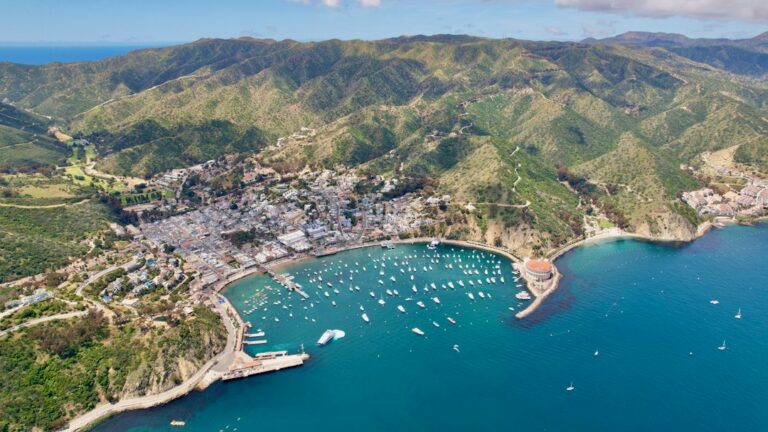 Divorce
Dividing a House in an Avalon, CA Catalina Divorce
Dividing an Avalon, CA home in divorce? See how California community property law, rental license limits, and island appraisals affect your split.
Read the guide → Divorce
Separate Property Reimbursement in a Monrovia Divorce
How Family Code 2640 and the Moore/Marsden formula decide what a spouse gets back before a Monrovia, CA home sells or one spouse buys the other out.
Read the guide →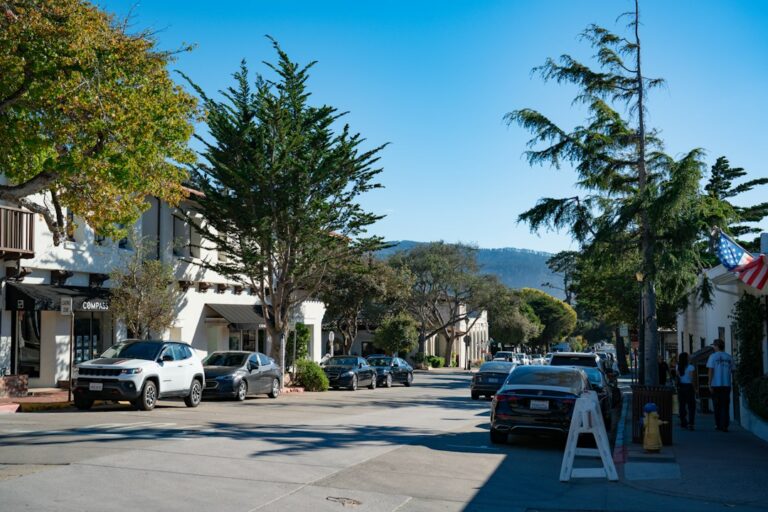 Divorce
How Community Property Division Works for a Whittier Home Sale
See how California law splits community versus separate property for a Whittier house sale during divorce, and what each spouse can claim back.
Read the guide →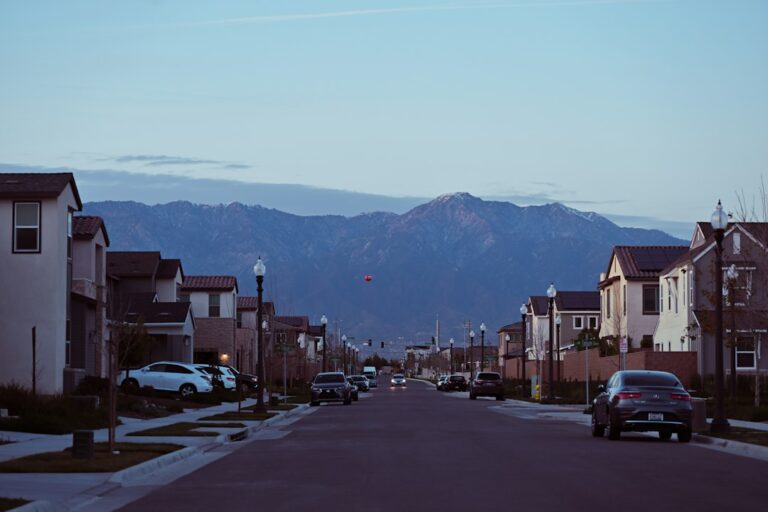 Divorce
How Community Property Division Plays Out for a Duarte, CA Home
How California's community property law divides a Duarte home in divorce, including Family Code 2640 reimbursement, Watts charges, and Epstein credits.
Read the guide →