
Sell Your House During Divorce in Hastings Ranch, CA
- Foreclosure, inherited, tenants, damage — we buy it
- Zero fees, zero commissions, zero closing costs
- No obligation — turn the offer down and owe us nothing


Fast, Fair, and Reliable Offers
Divide a Hastings Ranch home cleanly with one written cash offer, a neutral escrow company and a closing date both spouses can plan around.
Sell Your House During Divorce in Hastings Ranch With Less Conflict
A divorce forces a lot of decisions at once, and the family home is usually the largest and most emotional one.
If you and your spouse have decided to sell your house during divorce in Hastings Ranch, the goal is usually the same for both sides: a fair price, a clear process and as little back-and-forth as possible.
A direct cash sale can offer exactly that, with one offer to review, no showings to coordinate and a firm date to plan both moves around.
The house itself can add pressure. Many homes in this Pasadena neighborhood are early-1950s ranch houses, and if yours still has its original kitchen, panel or plumbing, preparing it for a traditional listing means agreeing on a repair budget at the worst possible time. Selling as is removes that decision entirely.
This page explains how California’s community property rules affect a home sale, what the options for the house typically look like, and how a cash sale works when two people who may not agree on much must sign the same documents.
Who Gets the House in a California Divorce?
California is a community property state. In general, a home bought during the marriage with marital income is treated as owned equally by both spouses, while property owned before the marriage or received by gift or inheritance may be separate property. Many homes are a mix, especially when one spouse owned the house first or used separate funds for the down payment or a remodel.
How the house and its equity are divided depends on your settlement or a court order. A family-law attorney can explain how your situation is likely to be treated, including any reimbursement claims for separate-property contributions. Whatever the split, a few basics usually apply:
- Both owners listed on title generally must sign the sale documents.
- Loans, liens and sale costs are paid first, from the proceeds, through escrow.
- The remaining proceeds are usually divided through escrow according to the settlement agreement or court order, or held until the court decides.
- Court orders issued in the case may limit selling or moving assets without agreement, so check with your attorney before signing a contract.
Three Common Paths for the House
One spouse keeps it
One spouse can buy out the other, typically by refinancing the loan into one name and paying the other spouse’s share of the equity. This works best when the remaining spouse qualifies for the new loan on a single income.
Keep it jointly for a while
Some couples co-own the home until a child finishes school or the market changes. That requires a detailed agreement about who pays what, and it keeps both spouses tied to the same loan.
Sell and divide the proceeds
Selling gives both sides a clean break and cash to start over. The choice is then between a traditional listing and a direct cash sale.
What Homes Are Selling For in Hastings Ranch
Redfin’s figures for the three months ending August 2026 show a median sale price of about $1.5 million in Hastings Ranch, down 10.4% from a year earlier. Redfin reports a median of 38 days on the market, 6 homes sold in August 2026 compared with 10 in August 2025, and an average sale-to-list ratio of about 103.1%.
Those numbers can be a useful reference point for both spouses. But they describe houses that were prepared, marketed and sold on the open market. Preparing a house takes agreement on repairs, on staging, on the list price and on each offer. For some couples that is easy.
For others, every decision becomes another negotiation, and a single firm cash offer is worth more than the chance of a slightly higher number.
Listing vs. Selling for Cash During a Divorce
| Concern | Direct cash sale | Listing with an agent |
|---|---|---|
| Timeline | Written offer usually within 24 hours; closing often in about two to three weeks, or on an agreed date | Prep and marketing, then financed buyers usually need 30-45 days |
| Repairs | None; no need to agree on a repair budget | Spouses must agree on what to fix and who pays |
| Showings | One walkthrough | Ongoing showings, often while one spouse still lives there |
| Commissions | No fees or commissions | Agent commissions often total around 5-6% combined |
| Closing costs | Stated in the written offer | Customary seller costs plus negotiated credits |
| Certainty | No financing contingency | Price reductions and failed escrows mean more joint decisions |
How to Sell Your House During Divorce in Hastings Ranch
1. Contact us. Either spouse, or both attorneys, can call or text 424-435-2326 or use the form on this page. We are happy to send information to both parties so no one feels left out.
2. One walkthrough and a written offer. We visit once, at a time that works for whoever lives in the house, and usually send a written cash offer within 24 hours. The same written offer goes to both spouses, so both see the same numbers.
3. Close on an agreed date. A neutral escrow company handles the payoff, the costs and the split of proceeds according to your written instructions or court order. If one spouse has moved away, escrow can arrange a mobile notary near that spouse, including out of state.
We buy directly or bring a vetted cash buyer, and the written agreement names the buyer. Either way you get one written offer, proof of funds, a neutral escrow company, a clear closing date, and no fees or commissions.
Buyout vs. Sale: Running the Numbers
A buyout and a sale rarely produce the same figure, and the gap sits in the costs nobody writes down. Three inputs drive it: an agreed value, the payoff on every loan, and what it costs to turn the house into cash.
Agreeing on value. Most couples either split the cost of one appraiser both sides accept, or each order an appraisal and average the two. A divorce appraisal is an opinion as of one date, so put the valuation date in writing. On a market that moved 10.4% in a year, the date can matter as much as the appraiser.
A buyout. As an illustration only: a house valued at $1.4 million with a $500,000 first loan leaves $900,000 in equity, so a half share is $450,000. The spouse keeping the house usually has to refinance the $500,000 and pull out that $450,000 too, which means qualifying for roughly a $950,000 loan on one income, plus refinance costs. That is where most buyouts fall apart, not at the negotiating table.
A sale. The same house sold on the open market gives up commission, the repairs a 1950s ranch house usually needs to pass an appraisal, and the carrying costs for every month it takes. A direct cash sale gives up some price instead and skips all three. Either way both spouses see one net figure and divide it through escrow.
Selling When One Spouse Will Not Cooperate
We cannot buy a Hastings Ranch house on one signature when both spouses are on title, and no honest buyer can. What we can do is put the same written offer in front of both of you, so what the court or the attorneys are weighing is a specific number rather than an argument about what the house might be worth.
Two things are worth knowing. The standard California family-law summons carries automatic restraining orders that bar either spouse from transferring or encumbering property without the other’s written consent or a court order, so a sale signed by one spouse alone is not a shortcut.
And where one spouse simply refuses, the other can ask the court for an order directing the sale; judges do grant them, particularly when the mortgage is going unpaid or the equity is draining away.
That part is your attorney’s work, not ours. A written offer with proof of funds and a firm closing date is often the most useful document they have, and we will send one even if you have not agreed yet.
Timing the Sale Around the Divorce Case
There is no single right moment to sell, but the timing has consequences worth discussing with your attorney and CPA.
Selling early in the case converts the house into cash that can be held in escrow or a trust account, which stops disputes over who pays the mortgage, taxes and upkeep while the case continues. It also gives both spouses funds to find new housing.
Selling as part of the final settlement lets the judgment spell out exactly how the proceeds are split, which some couples prefer when the numbers are contested.
Selling after the divorce is final can work when former spouses remain on good terms, but it keeps both names on the loan and the title in the meantime, and it can affect the tax treatment of the gain.
A cash sale fits any of these timelines because the closing date is set in the written offer. If the court or your attorneys need more time, a later date can usually be agreed up front instead of rushing to close.
Paperwork Escrow Will Ask For
- Photo identification for both spouses and anyone else on title.
- Recent statements for every loan and line of credit on the house.
- The settlement agreement, stipulation or court order that addresses the sale, if one exists.
- Signed instructions from both parties on how to divide the net proceeds, or on holding them.
Practical Tips for a Smoother Sale
- Decide who communicates. Some couples handle the sale directly; others prefer to route everything through their attorneys. Either works if it is agreed up front.
- Put the split in writing. Escrow can only divide the proceeds according to signed instructions or a court order.
- Keep paying the mortgage. Missed payments during the case can hurt both spouses’ credit and cut into the equity.
- Keep the house insured. For homes near the San Gabriel foothills, check the policy early. Insurers have looked more closely at this part of Pasadena since the January 2025 Eaton Fire, which burned mainly in Altadena.
- Talk to a CPA. The timing of the sale can affect each spouse’s capital gains exclusion and taxes. California may also require withholding of 3 1/3 percent of the sales price unless an exemption applies, and escrow handles Form 593.
Divorce House Sales We Handle in Hastings Ranch
We buy houses during divorce in Hastings Ranch in whatever condition they are in. Most homes here are single-story ranch houses built between 1950 and 1951 by Coronet Homes, and many still have original electrical, plumbing and windows.
We buy them in any condition, on both sides of Sierra Madre Boulevard, from Upper Hastings Ranch near the foothills to Lower Hastings Ranch toward Rosemead Boulevard and Michillinda Avenue.
That includes homes where one spouse still lives, homes that have been vacant during the case, houses with deferred repairs and homes with a second loan or line of credit. The sale generally carries Los Angeles County’s documentary transfer tax of $1.10 per $1,000 and no separate Pasadena city transfer tax.
For more on condition-related questions, visit our page on cash home buyers in Hastings Ranch.
Frequently Asked Questions
Can we sell a house during divorce in Hastings Ranch before the case is final?
Often yes, if both owners agree and no court order prevents it. Proceeds can be divided through escrow under a signed agreement or held until the court decides. Confirm with a family-law attorney first.
Do both spouses have to sign to sell the house?
Generally, yes. Both owners listed on title usually must sign the sale documents. If a spouse will not cooperate, the court may be able to issue orders about the sale.
How are the proceeds split?
Escrow pays the loans and sale costs first, then divides the remaining proceeds according to the settlement agreement, written instructions from both parties or a court order.
What if one spouse still lives in the house?
That is common. We schedule one walkthrough around that spouse and set a closing date that gives time to move. The written offer can reflect an agreed move-out date.
Is a cash offer fair to both spouses?
Both spouses receive the same written offer and can compare it with a listing estimate. Many couples accept a firm cash number to avoid months of joint decisions about repairs, pricing and offers.
Should we talk to a lawyer before selling?
Yes. A family-law attorney can confirm there are no restraining orders on selling assets and help draft the instructions escrow will use to divide the proceeds.
Can the sale proceeds be held until the divorce is final?
Yes, in many cases. With written instructions from both parties or a court order, the net proceeds can be held rather than paid out, so the house is sold while the final division is still being worked out.
Looking for a clean, documented way to sell the family home? Call or text 424-435-2326 or use the form above. Both spouses receive the same written cash offer, with no fees or commissions and no obligation.
Seller Guides
Helpful guides for homeowners in Hastings Ranch
Plain-English answers to the questions sellers ask us most.
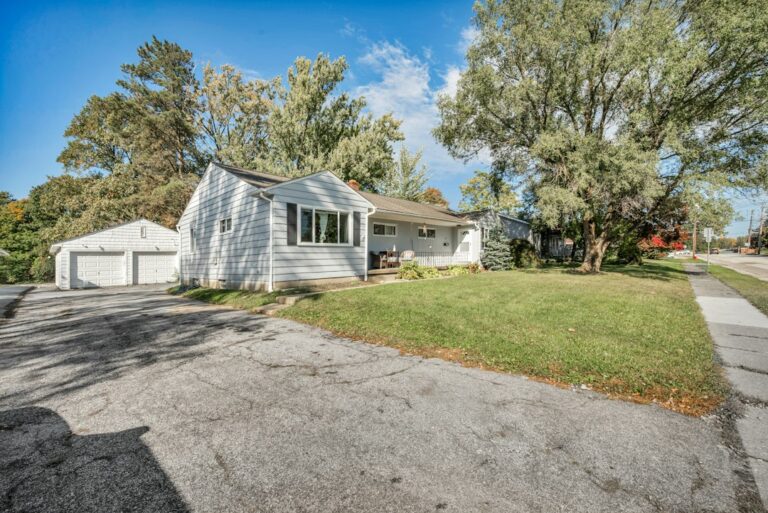 Foreclosure & liens
California’s Judicial Foreclosure Redemption Right: The One-Year Window Most Owners Never Hear About
California's judicial foreclosure process comes with a one-year right to redeem your home after sale. Here's who qualifies and what it costs.
Read the guide → Inherited homes & probate
Partition Actions Between Heirs: How California Law Forces a House Sale
California heirs can force a house sale through a partition action under CCP 872-874, with court referees, confirmation hearings, and buyout rights.
Read the guide →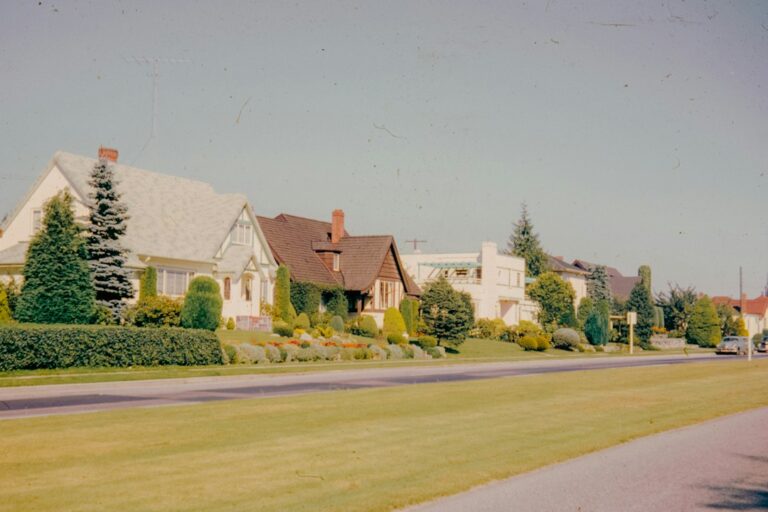 Divorce
Divorcing in North Long Beach? Who Gets the House, and What Taxes Follow
Divorcing in North Long Beach, CA? Learn how buyouts, Duke orders, Watts/Epstein credits, and capital gains tax rules affect splitting your house.
Read the guide → Divorce
Why a West Covina Divorce Sale Doesn’t Always Trigger a Tax Reassessment
A West Covina divorce buyout usually keeps the home's Prop 13 tax basis, but selling to a cash buyer does not. See how that affects your decision.
Read the guide →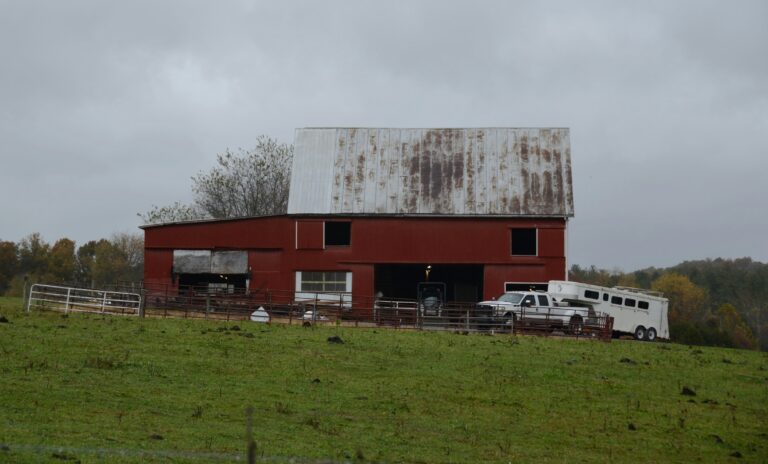 Divorce
Who Gets Credit for the Down Payment on an Agua Dulce Ranch in a Divorce
Learn how California Family Code Section 2640 reimburses a separate-property down payment on an Agua Dulce horse property when a marriage ends in divorce.
Read the guide → Divorce
Dividing a House in an Avalon, CA Catalina Divorce
Dividing an Avalon, CA home in divorce? See how California community property law, rental license limits, and island appraisals affect your split.
Read the guide → Divorce
Separate Property Reimbursement in a Monrovia Divorce
How Family Code 2640 and the Moore/Marsden formula decide what a spouse gets back before a Monrovia, CA home sells or one spouse buys the other out.
Read the guide → Divorce
How Community Property Division Works for a Whittier Home Sale
See how California law splits community versus separate property for a Whittier house sale during divorce, and what each spouse can claim back.
Read the guide → Divorce
How Community Property Division Plays Out for a Duarte, CA Home
How California's community property law divides a Duarte home in divorce, including Family Code 2640 reimbursement, Watts charges, and Epstein credits.
Read the guide →