
Sell a House During Divorce in Manhattan Beach
- Foreclosure, inherited, tenants, damage — we buy it
- Zero fees, zero commissions, zero closing costs
- No obligation — turn the offer down and owe us nothing


Resolve the House Without Prolonging Everything Else
How community property rules and court restrictions affect selling a Manhattan Beach home during a divorce, and how a cash sale can simplify it.
The house is often the largest asset in a California divorce, and in a market like Manhattan Beach that’s especially true. Cash Home Buyers CA works with divorcing couples throughout Manhattan Beach to sell a shared property cleanly, without adding real estate logistics on top of an already difficult process.
Community Property Basics
California is a community property state, which generally means a home purchased during the marriage belongs equally to both spouses regardless of whose name is on the title or who made the mortgage payments, with some exceptions for separate-property contributions.
That equal interest is a major reason selling — rather than one spouse trying to buy out the other’s share — is often the simplest path, particularly at Manhattan Beach price levels where a buyout can require refinancing a very large loan amount that one spouse alone may not qualify for.
Automatic Temporary Restraining Orders (ATROs)
Once a California divorce petition is filed, Automatic Temporary Restraining Orders (ATROs) go into effect for both spouses, and they restrict actions like selling, transferring, or borrowing against community property — including the family home — without the other spouse’s written consent or a court order.
In practice, this means a house typically cannot be sold unilaterally once divorce proceedings have started; both spouses generally need to agree to the sale, or one needs to obtain specific court authorization.
This is a legal requirement, not a formality, and it applies in Manhattan Beach the same as anywhere else in California.
Selling Before vs. During the Case
Some couples sell the house before filing, while things are still amicable, to remove it from the list of assets that need to be divided through the court process. Others need or choose to sell while the case is pending, once both parties (or the court) authorize it.
Either way, proceeds from a sale during divorce are typically held in escrow or a joint account pending the couple’s agreement or a court order on how to divide them, rather than being distributed directly to one spouse.
Where Los Angeles County Family Law Fits In
Divorce cases involving South Bay residents, including Manhattan Beach, are typically filed and heard in the Los Angeles County Superior Court, with many South Bay family law matters handled at the Torrance courthouse.
If there’s disagreement about whether or how to sell the house, that disagreement is resolved there, which can add significant time and legal cost. Reaching agreement on a sale outside of contested litigation, when possible, is almost always faster and less expensive for both spouses.
Why a Cash Sale Helps in This Situation
A direct sale removes variables that can drag out an already stressful process: no staging or showings that require both spouses’ coordination, no financing contingency that could fall through mid-case, and a closing timeline of 7 to 14 days once both spouses (or the court) have authorized the sale.
We can work with both spouses and their attorneys directly to make sure the transaction is structured properly and proceeds are handled through escrow as required.
Frequently Asked Questions
Can one spouse sell the house without the other’s consent during a divorce?
Generally no. Automatic Temporary Restraining Orders (ATROs) that take effect once a divorce is filed prevent selling or transferring community property, including the home, without the other spouse’s consent or a court order.
Is the Manhattan Beach house automatically split 50/50?
As community property, it’s generally treated as an equal interest, though separate-property contributions and other factors can affect the final division; a family law attorney can advise on your specific situation.
Where are Manhattan Beach divorce cases handled?
Typically through the Los Angeles County Superior Court, with many South Bay family law matters heard at the Torrance courthouse.
What happens to the sale proceeds?
Proceeds are typically held in escrow or a joint account pending the couple’s agreement or a court order on how to divide them.
Get a free, no-obligation cash offer from Cash Home Buyers CA today.
Seller Guides
Helpful guides for homeowners in Manhattan Beach
Plain-English answers to the questions sellers ask us most.
 Inherited homes & probate
What Probate Actually Looks Like for an Inherited House in Fresno County
Probate for an inherited Fresno County house runs through one courthouse, but the timeline depends on how title was held. What to expect, step by step.
Read the guide → Inherited homes & probate
Partition Actions Between Heirs: How California Law Forces a House Sale
California heirs can force a house sale through a partition action under CCP 872-874, with court referees, confirmation hearings, and buyout rights.
Read the guide →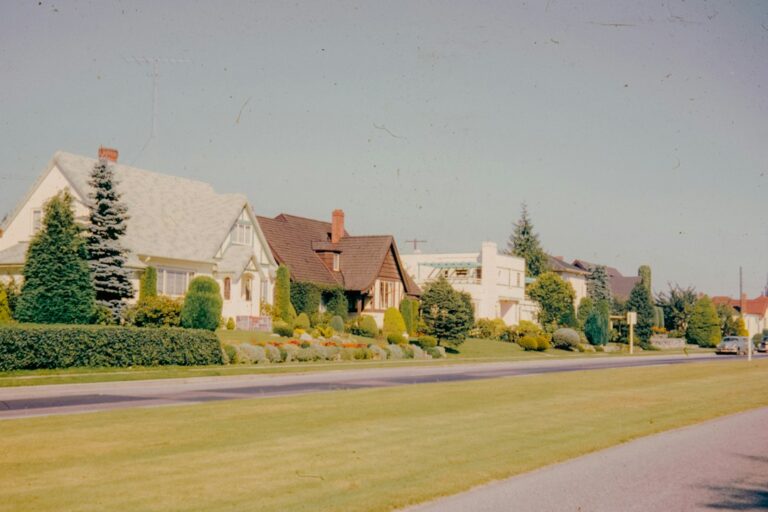 Divorce
Divorcing in North Long Beach? Who Gets the House, and What Taxes Follow
Divorcing in North Long Beach, CA? Learn how buyouts, Duke orders, Watts/Epstein credits, and capital gains tax rules affect splitting your house.
Read the guide → Divorce
Why a West Covina Divorce Sale Doesn’t Always Trigger a Tax Reassessment
A West Covina divorce buyout usually keeps the home's Prop 13 tax basis, but selling to a cash buyer does not. See how that affects your decision.
Read the guide → Divorce
Who Gets Credit for the Down Payment on an Agua Dulce Ranch in a Divorce
Learn how California Family Code Section 2640 reimburses a separate-property down payment on an Agua Dulce horse property when a marriage ends in divorce.
Read the guide →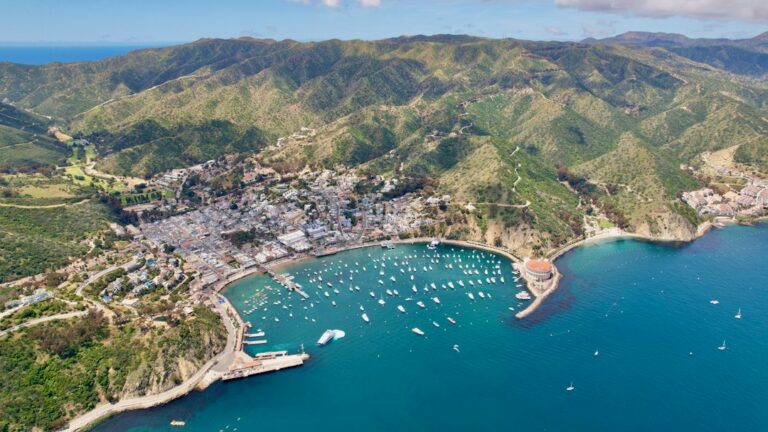 Divorce
Dividing a House in an Avalon, CA Catalina Divorce
Dividing an Avalon, CA home in divorce? See how California community property law, rental license limits, and island appraisals affect your split.
Read the guide → Divorce
Separate Property Reimbursement in a Monrovia Divorce
How Family Code 2640 and the Moore/Marsden formula decide what a spouse gets back before a Monrovia, CA home sells or one spouse buys the other out.
Read the guide → Divorce
How Community Property Division Works for a Whittier Home Sale
See how California law splits community versus separate property for a Whittier house sale during divorce, and what each spouse can claim back.
Read the guide → Divorce
How Community Property Division Plays Out for a Duarte, CA Home
How California's community property law divides a Duarte home in divorce, including Family Code 2640 reimbursement, Watts charges, and Epstein credits.
Read the guide →