
Sell a House During Divorce in San Dimas
- Foreclosure, inherited, tenants, damage — we buy it
- Zero fees, zero commissions, zero closing costs
- No obligation — turn the offer down and owe us nothing


Selling the Family Home Before the Case Closes
How California’s community property rules and standard restraining orders affect selling a San Dimas house during a divorce.
Selling the family home is often one of the most contested parts of a divorce, and California’s community property and restraining-order rules shape how that sale has to happen. Here’s what applies, and how Cash Home Buyers CA can help a San Dimas sale move forward without unnecessary delay.
Community Property Basics
California is a community property state, meaning property acquired during the marriage generally belongs equally to both spouses, regardless of whose name is on title, with limited exceptions for separate property owned before the marriage or received individually by gift or inheritance. A San Dimas home purchased during the marriage is typically community property, and its sale proceeds are generally divided equally as part of the divorce settlement.
ATROs: What You Can and Can’t Do Alone
Once a divorce petition is filed and served, Automatic Temporary Restraining Orders (ATROs) go into effect for both spouses.
Among other things, ATROs generally prohibit either spouse from transferring, encumbering, or disposing of property, including real estate, without the other spouse’s written consent or a court order, outside of the usual course of business or for necessities of life.
In practice, this means a San Dimas home usually can’t be sold unilaterally by one spouse once a case is filed — both spouses’ agreement, or a court order, is required to move forward.
Where San Dimas Divorce Cases Are Filed
Family law matters for San Dimas addresses are generally handled through the Los Angeles County Superior Court, most commonly at the Pomona courthouse, which is the nearest courthouse serving the eastern San Gabriel Valley.
Getting to a Sale: Stipulation or Court Order
The most common path is a written stipulation, an agreement signed by both spouses (and often their attorneys) authorizing the sale, how proceeds will be held or divided, and who will sign closing documents. If the spouses can’t agree, either party can ask the court to order a sale, though that process takes longer than a mutual agreement.
Why a Direct Sale Can Simplify a Divorce
Every month a contested house sits unsold, both spouses are typically still paying the mortgage, insurance, and upkeep on a property neither may want to keep. A cash sale removes the added complexity of showings, staging, and financing contingencies from an already difficult situation, and a straightforward written offer can make it easier for both spouses and their attorneys to agree quickly on price and terms.
Paying Off Shared Debt at Closing
Any existing mortgage, home equity line, or other lien against the property is paid off through escrow at closing before net proceeds are distributed, the same as in any other sale — escrow handles the payoff coordination directly with your lender.
Frequently Asked Questions
Can I sell the house before the divorce is finalized?
Yes, typically with both spouses’ written agreement (a stipulation) or a court order, since ATROs generally prevent a unilateral sale once a case is filed.
What are ATROs?
Automatic Temporary Restraining Orders that take effect once a divorce petition is filed and served, generally preventing either spouse from transferring or encumbering shared property without the other’s consent or a court order.
Do both spouses have to agree to sell?
Generally yes, through a stipulation, unless a court orders the sale after one spouse petitions for it.
How are the proceeds split?
Community property is generally divided equally, though the final split depends on the overall settlement and any separate-property claims involved.
Get a free, no-obligation cash offer from Cash Home Buyers CA today.
Seller Guides
Helpful guides for homeowners in San Dimas
Plain-English answers to the questions sellers ask us most.
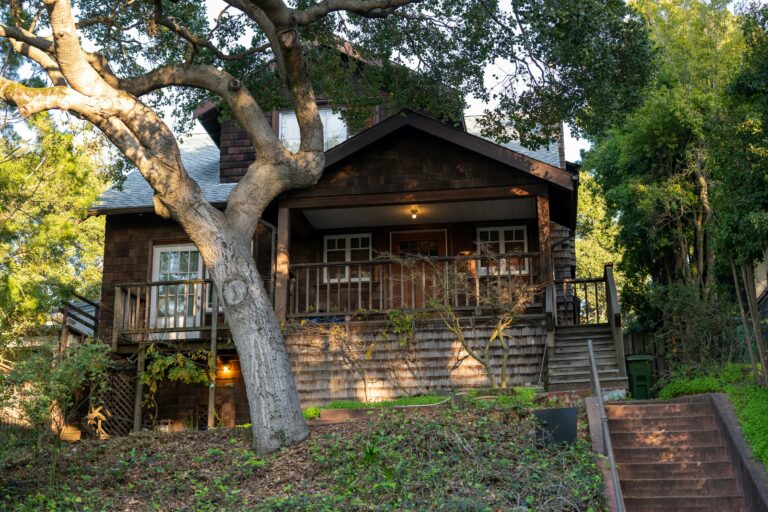 Selling for cash
Berkeley’s 1.5% to 2.5% Transfer Tax, and What Changes When Measure W Takes Effect in 2027
Berkeley charges its own 1.5% to 2.5% transfer tax on top of Alameda County's -- and the rate structure is about to…
Read the guide → Inherited homes & probate
Partition Actions Between Heirs: How California Law Forces a House Sale
California heirs can force a house sale through a partition action under CCP 872-874, with court referees, confirmation hearings, and buyout rights.
Read the guide →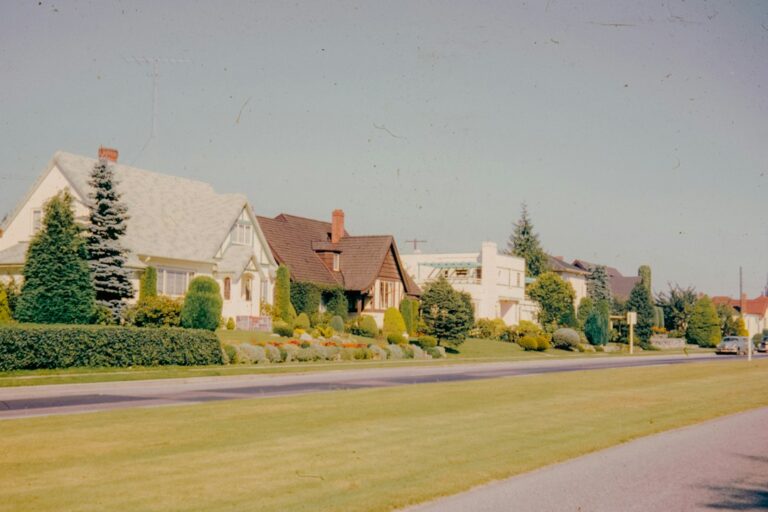 Divorce
Divorcing in North Long Beach? Who Gets the House, and What Taxes Follow
Divorcing in North Long Beach, CA? Learn how buyouts, Duke orders, Watts/Epstein credits, and capital gains tax rules affect splitting your house.
Read the guide → Divorce
Why a West Covina Divorce Sale Doesn’t Always Trigger a Tax Reassessment
A West Covina divorce buyout usually keeps the home's Prop 13 tax basis, but selling to a cash buyer does not. See how that affects your decision.
Read the guide → Divorce
Who Gets Credit for the Down Payment on an Agua Dulce Ranch in a Divorce
Learn how California Family Code Section 2640 reimburses a separate-property down payment on an Agua Dulce horse property when a marriage ends in divorce.
Read the guide → Divorce
Dividing a House in an Avalon, CA Catalina Divorce
Dividing an Avalon, CA home in divorce? See how California community property law, rental license limits, and island appraisals affect your split.
Read the guide → Divorce
Separate Property Reimbursement in a Monrovia Divorce
How Family Code 2640 and the Moore/Marsden formula decide what a spouse gets back before a Monrovia, CA home sells or one spouse buys the other out.
Read the guide → Divorce
How Community Property Division Works for a Whittier Home Sale
See how California law splits community versus separate property for a Whittier house sale during divorce, and what each spouse can claim back.
Read the guide → Divorce
How Community Property Division Plays Out for a Duarte, CA Home
How California's community property law divides a Duarte home in divorce, including Family Code 2640 reimbursement, Watts charges, and Epstein credits.
Read the guide →