
Sell a House During Divorce in Venice, CA
- Foreclosure, inherited, tenants, damage — we buy it
- Zero fees, zero commissions, zero closing costs
- No obligation — turn the offer down and owe us nothing


Resolve the House Without Dragging Out the Case
A shared Venice property is often the largest asset in a divorce. See how community property rules and a cash sale can help resolve it cleanly.
In a divorce, the family home is often the single largest asset to divide, and in Venice, where property values run high, that can make it the most contested one too. Cash Home Buyers CA works with divorcing couples and their attorneys to sell a shared property quickly and split proceeds cleanly.
Community Property and the House
California is a community property state, meaning that, with some exceptions, property acquired during the marriage is generally owned equally by both spouses regardless of whose name is on the title.
A Venice home purchased or substantially paid down during the marriage is typically treated as community property subject to equal division, though separate-property contributions (such as a down payment from before the marriage, or an inheritance) can complicate the calculation and usually require an appraisal or professional tracing to sort out.
Automatic Temporary Restraining Orders (ATROs)
Once a divorce petition is filed and served in California, Automatic Temporary Restraining Orders go into effect for both spouses.
Among other things, ATROs generally prevent either spouse from selling, transferring, borrowing against, or otherwise disposing of real property without the other spouse’s written consent or a court order — this applies to the family home just like any other shared asset.
In practice, this means both spouses (or their attorneys) typically need to agree to a sale, or obtain court authorization, before a transaction like this can move forward, even if you’re both eager to sell.
Why Couples Choose to Sell Before the Case Closes
- Removes an ongoing point of conflict. A shared mortgage, property tax bill, and maintenance costs can become a recurring source of disputes while the case is pending.
- Simplifies the financial settlement. Dividing cash proceeds is generally more straightforward than one spouse buying out the other’s equity in a house neither can afford solo.
- Avoids carrying two households’ worth of costs. Venice’s property taxes and insurance costs, tied to high assessed values, can be a real burden to carry through a long proceeding.
- Provides a clean closing date. Rather than an open-ended listing process both spouses have to coordinate around, a cash sale can close on a specific, agreed timeline.
How the Process Works
Once both spouses (or the court) authorize a sale, we provide a written cash offer typically within 24 to 48 hours based on the property’s condition and comparable Venice sales.
Escrow instructions can be structured so proceeds are split according to your settlement agreement or court order, and we’re glad to coordinate directly with both parties’ attorneys throughout the process to keep things transparent.
Closing can typically happen in as little as 7 to 14 days once authorization and paperwork are in place.
Working With Your Attorney
We’re happy to provide documentation — offer letters, proof of funds, and closing statements — that your family law attorney may need for the settlement process, and can adjust timing around mediation, court dates, or other case milestones.
Selling vs. One Spouse Buying Out the Other
In some Venice divorces, one spouse wants to keep the house and buy out the other’s share of the equity, often by refinancing.
Given how high property values run along the Westside coast, that buyout amount — and the new mortgage payment required to support it — can be more than one income can reasonably carry, which is part of why many couples ultimately decide a clean sale and split is the more practical outcome for both parties.
Frequently Asked Questions
Do both spouses need to agree to sell?
Generally yes, due to ATROs, unless a court order authorizes the sale. We can work with both parties and their attorneys to move forward once that’s in place.
How is the sale proceeds split?
That’s determined by your settlement agreement or court order, not by us. We can structure the closing to distribute funds accordingly.
Can we sell before the divorce is finalized?
Often, yes, once both spouses or the court authorize it. Many couples prefer resolving the house separately from the rest of the case.
Will this affect how the case proceeds?
We’re not a party to your case and don’t offer legal advice — we recommend working with your family law attorney on how a sale fits into your overall settlement.
Get a free, no-obligation cash offer from Cash Home Buyers CA today.
Venice is part of the City of Los Angeles. For the citywide picture, see our guide to selling a house during a divorce in Los Angeles.
Seller Guides
Helpful guides for homeowners in Venice
Plain-English answers to the questions sellers ask us most.
 Selling for cash
Berkeley’s 1.5% to 2.5% Transfer Tax, and What Changes When Measure W Takes Effect in 2027
Berkeley charges its own 1.5% to 2.5% transfer tax on top of Alameda County's -- and the rate structure is about to…
Read the guide → Inherited homes & probate
Partition Actions Between Heirs: How California Law Forces a House Sale
California heirs can force a house sale through a partition action under CCP 872-874, with court referees, confirmation hearings, and buyout rights.
Read the guide → Divorce
Divorcing in North Long Beach? Who Gets the House, and What Taxes Follow
Divorcing in North Long Beach, CA? Learn how buyouts, Duke orders, Watts/Epstein credits, and capital gains tax rules affect splitting your house.
Read the guide → Divorce
Why a West Covina Divorce Sale Doesn’t Always Trigger a Tax Reassessment
A West Covina divorce buyout usually keeps the home's Prop 13 tax basis, but selling to a cash buyer does not. See how that affects your decision.
Read the guide → Divorce
Who Gets Credit for the Down Payment on an Agua Dulce Ranch in a Divorce
Learn how California Family Code Section 2640 reimburses a separate-property down payment on an Agua Dulce horse property when a marriage ends in divorce.
Read the guide →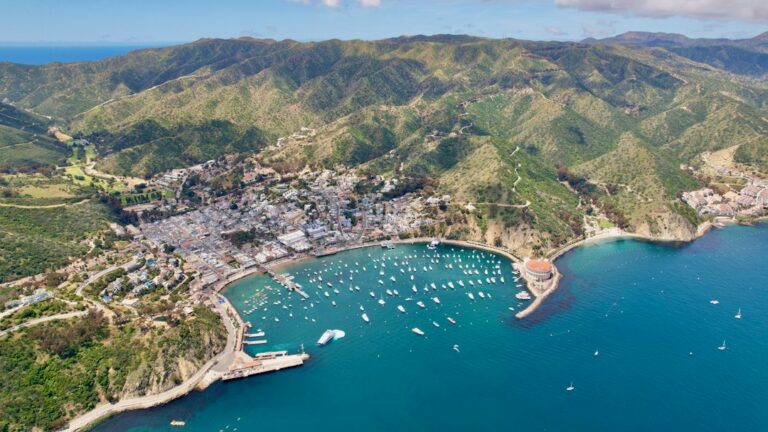 Divorce
Dividing a House in an Avalon, CA Catalina Divorce
Dividing an Avalon, CA home in divorce? See how California community property law, rental license limits, and island appraisals affect your split.
Read the guide → Divorce
Separate Property Reimbursement in a Monrovia Divorce
How Family Code 2640 and the Moore/Marsden formula decide what a spouse gets back before a Monrovia, CA home sells or one spouse buys the other out.
Read the guide → Divorce
How Community Property Division Works for a Whittier Home Sale
See how California law splits community versus separate property for a Whittier house sale during divorce, and what each spouse can claim back.
Read the guide → Divorce
How Community Property Division Works for a Venice, CA Home
Community property splits equally in a Venice divorce, but canal-front premiums often make a buyout unaffordable, forcing a sale instead of a buyout.
Read the guide →